-
Fall
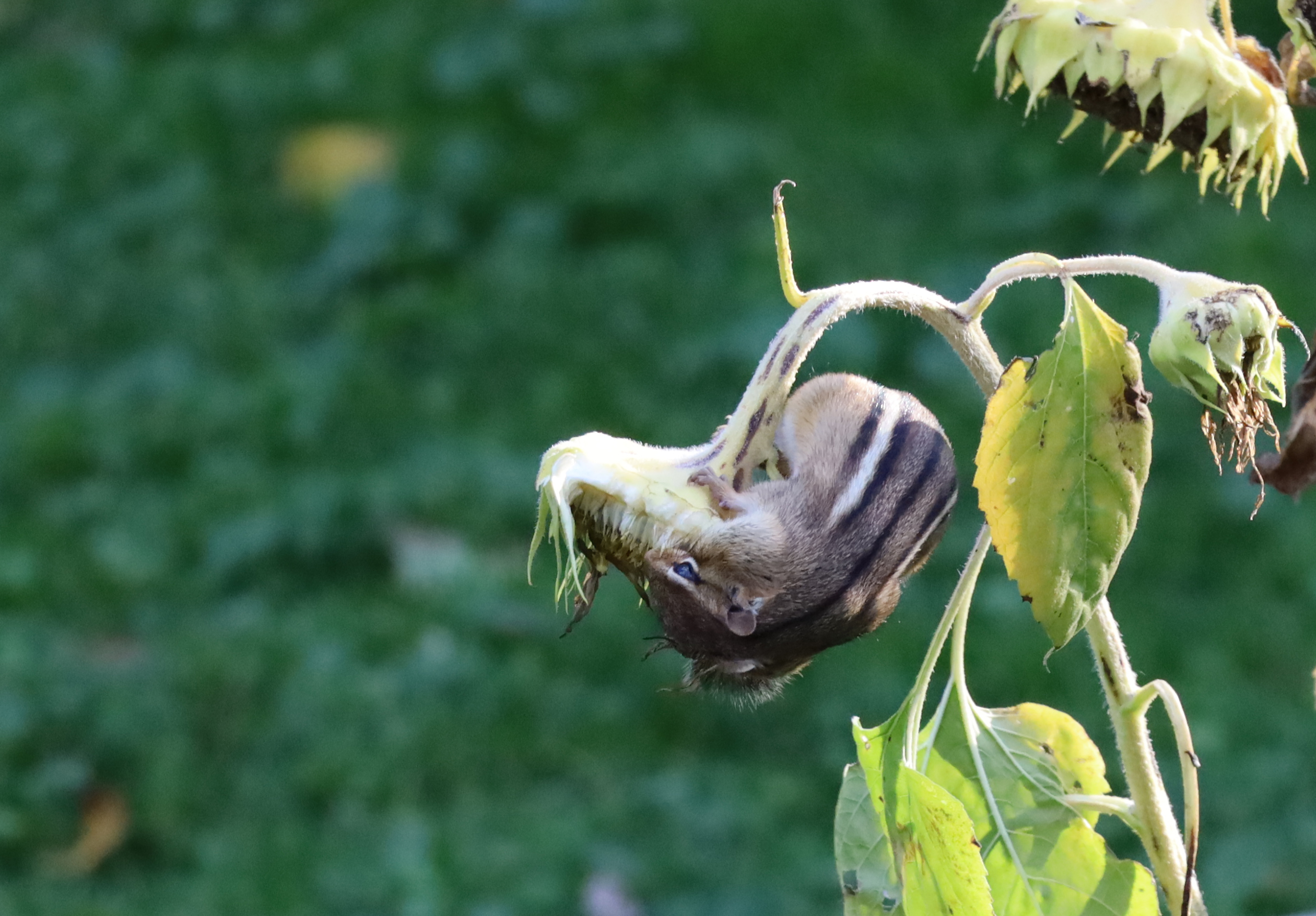
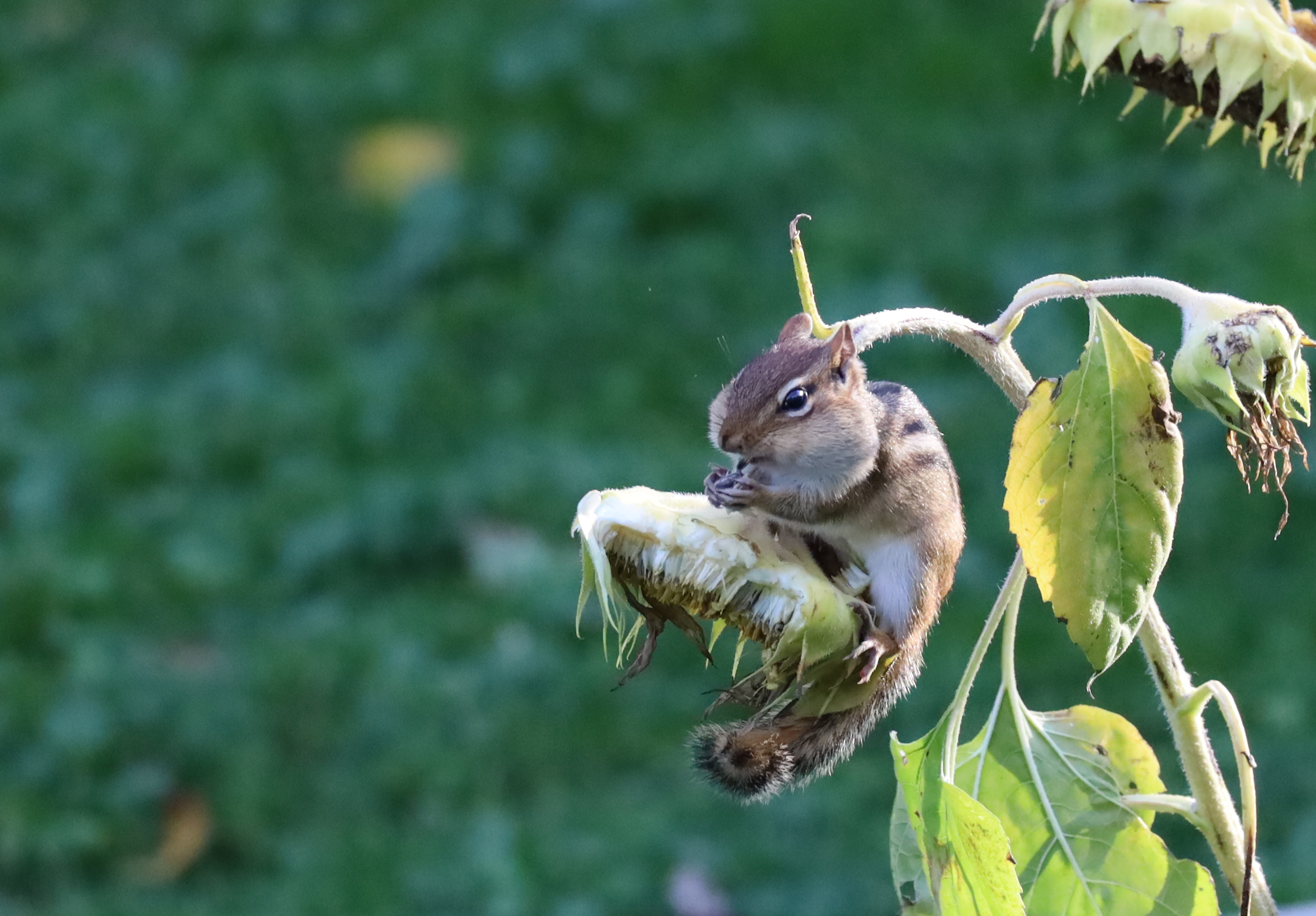
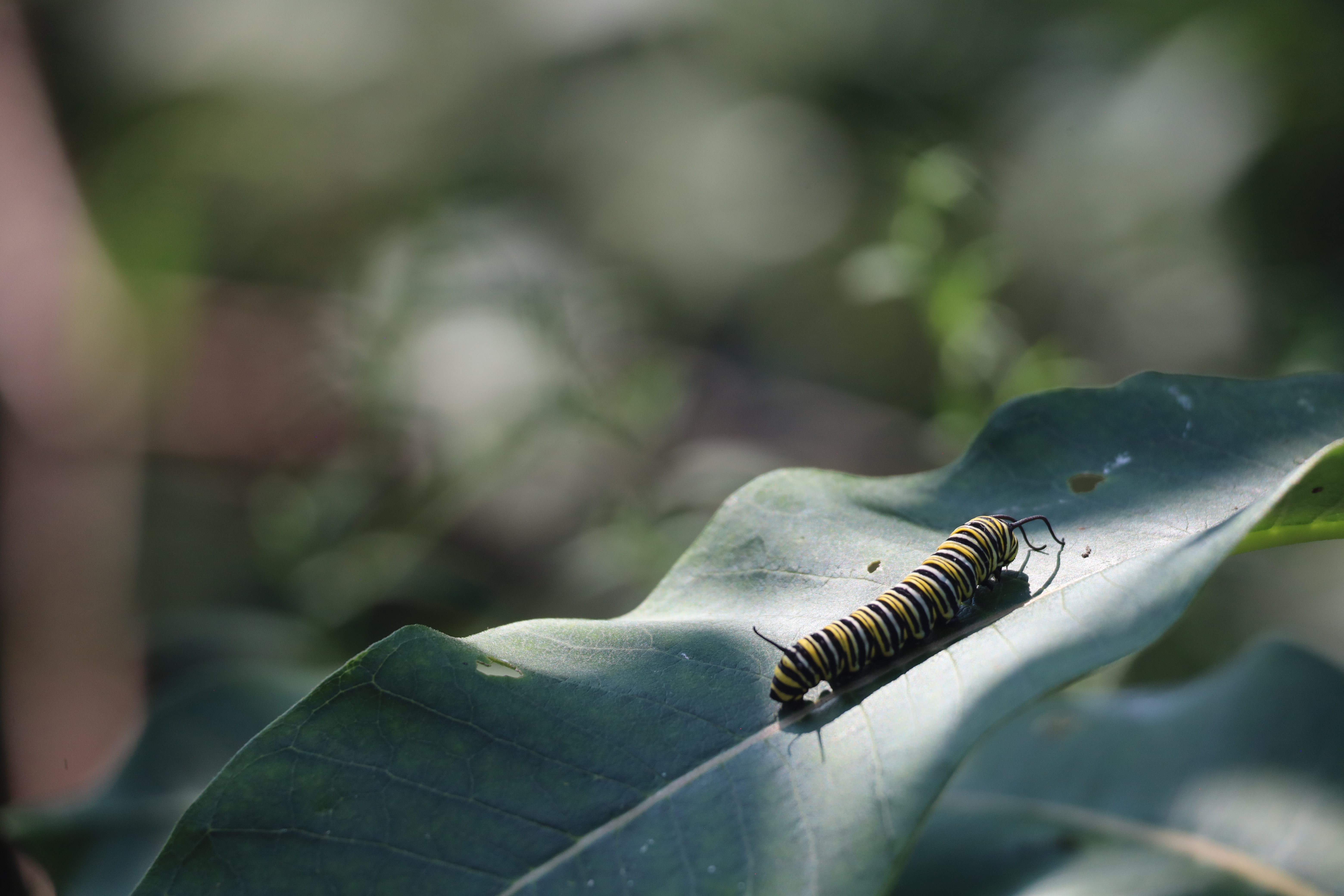
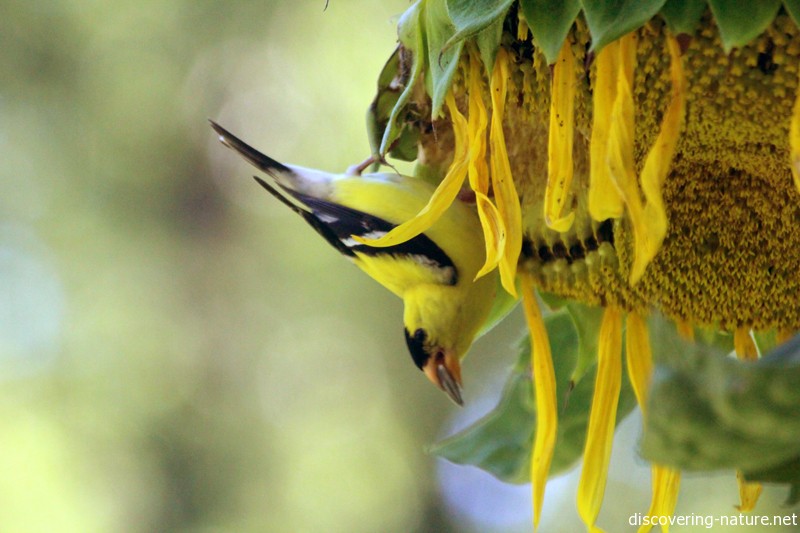
The garden is long past, but I leave the sunflowers and zinnias till they’ve been completely pillaged by monarchs, goldfinches, and… chipmunks!
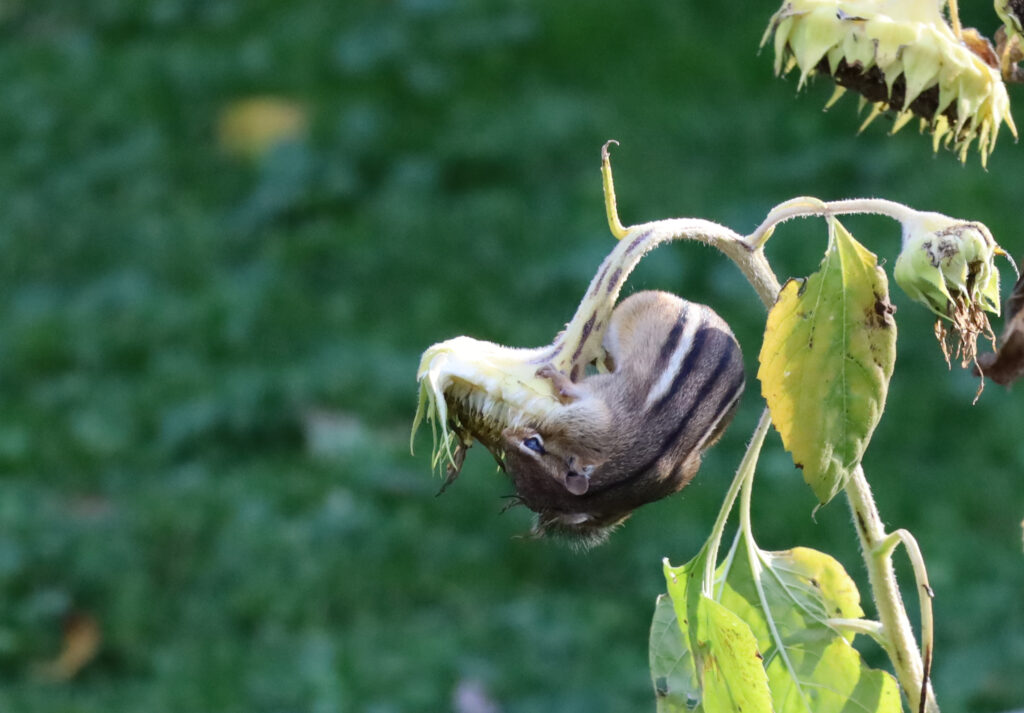
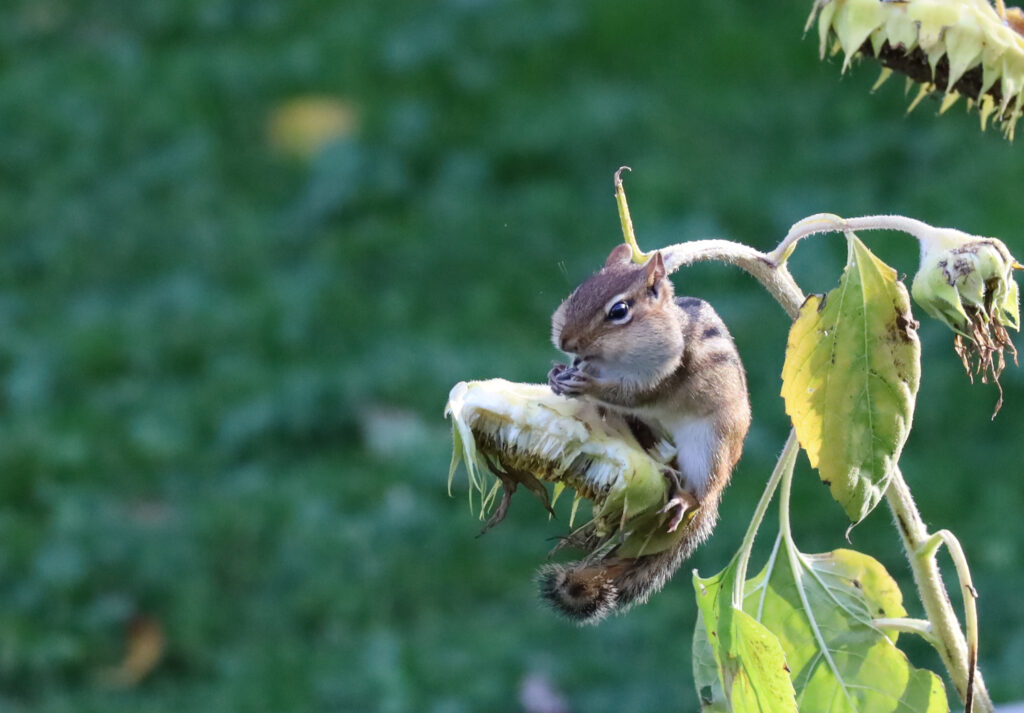
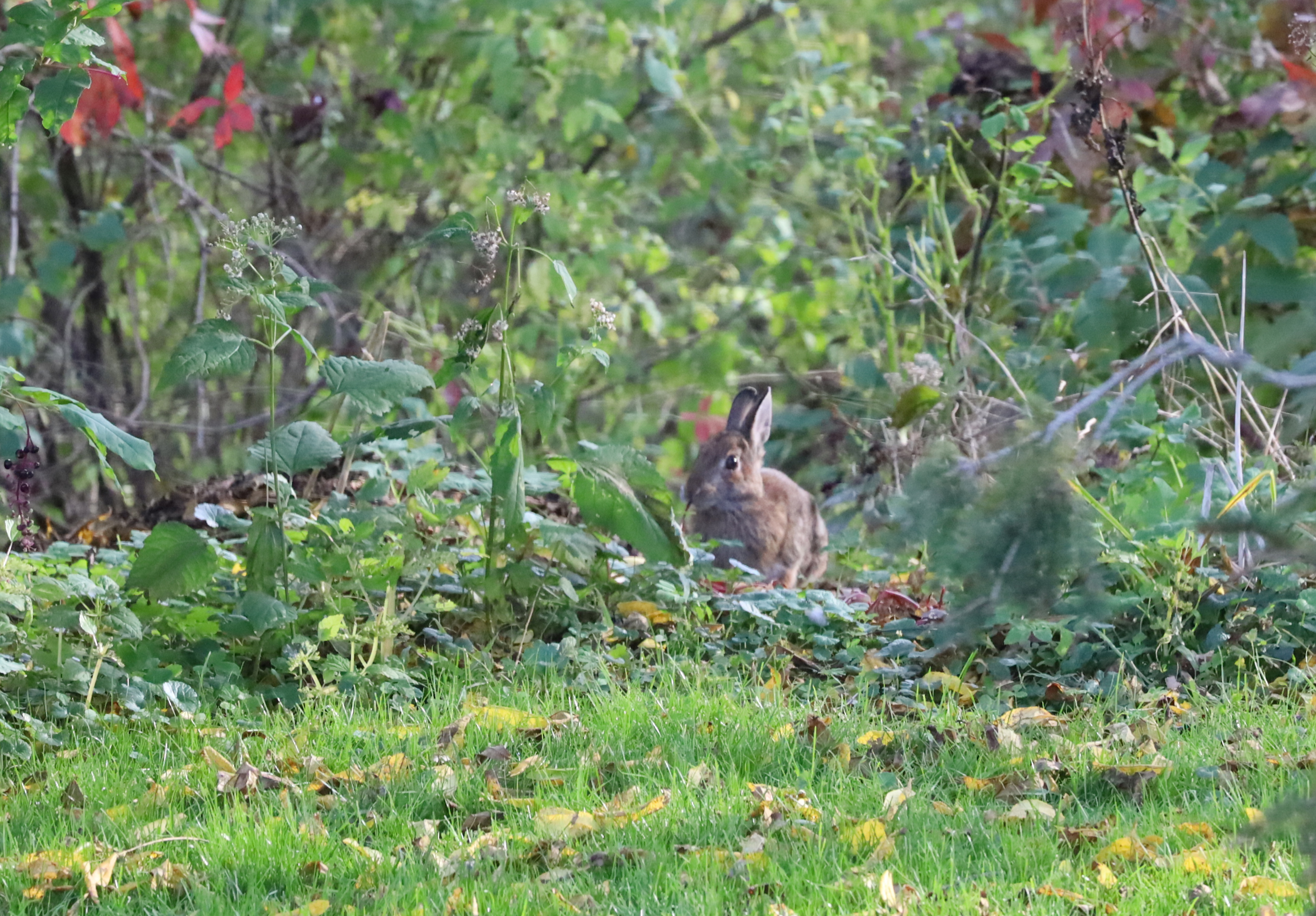
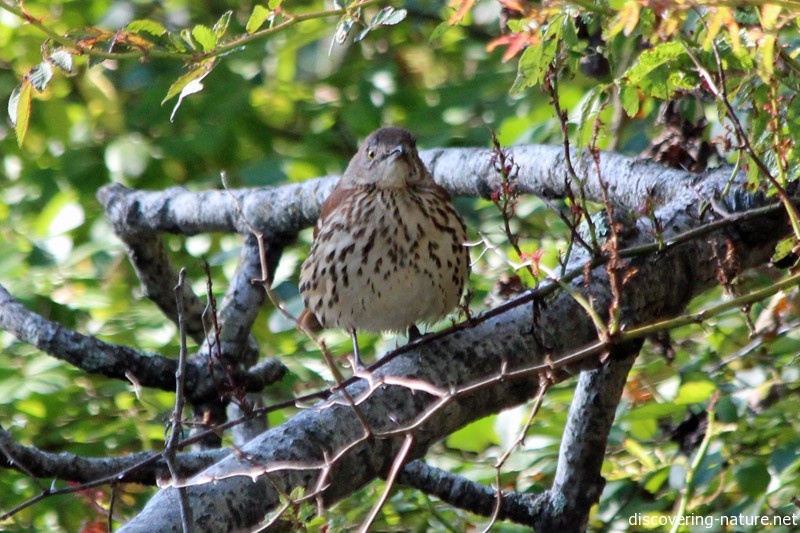
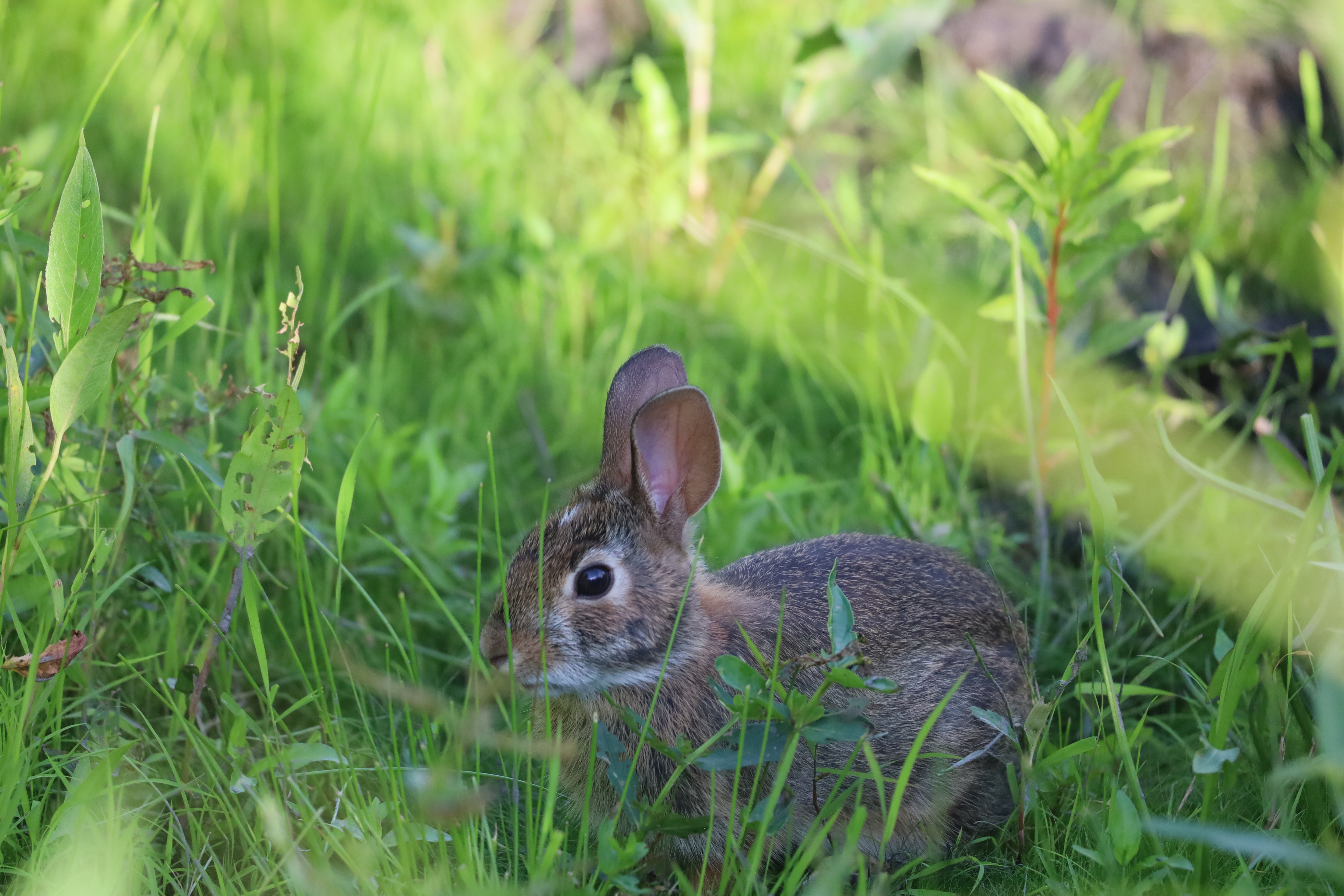
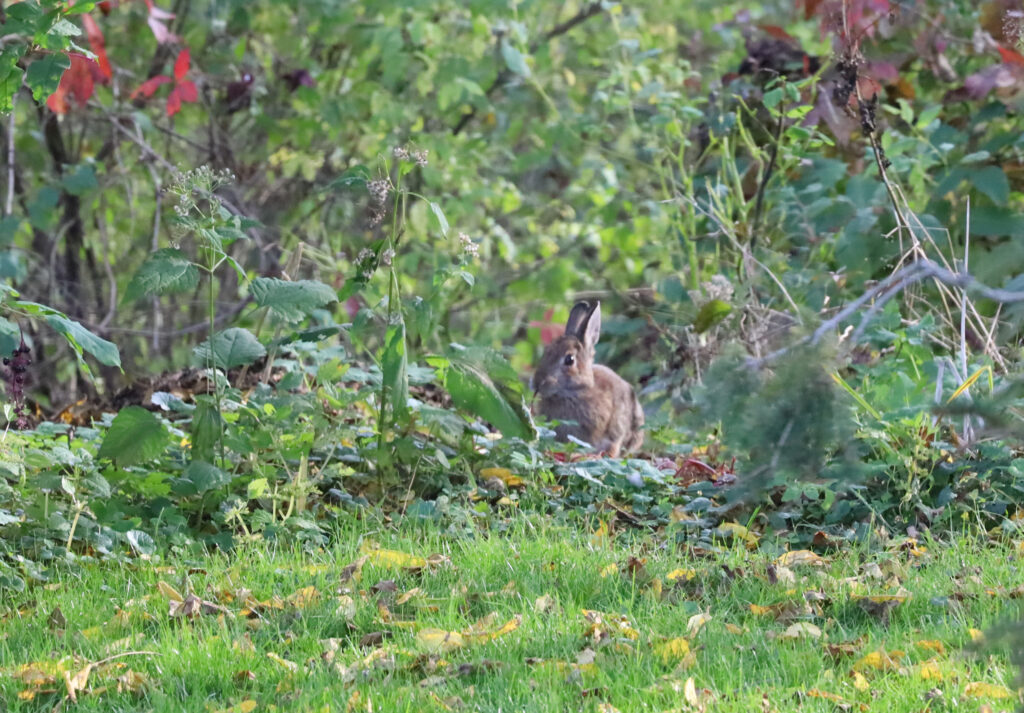
In addition, I spotted another visitor after I put the cores and peelings from some apple crisp out back earlier today.
We’re due for hard rain tomorrow, but today has been glorious. It seems early to be at the peak of autumn color, so hopefully there will be some leaves left after the deluge.
-
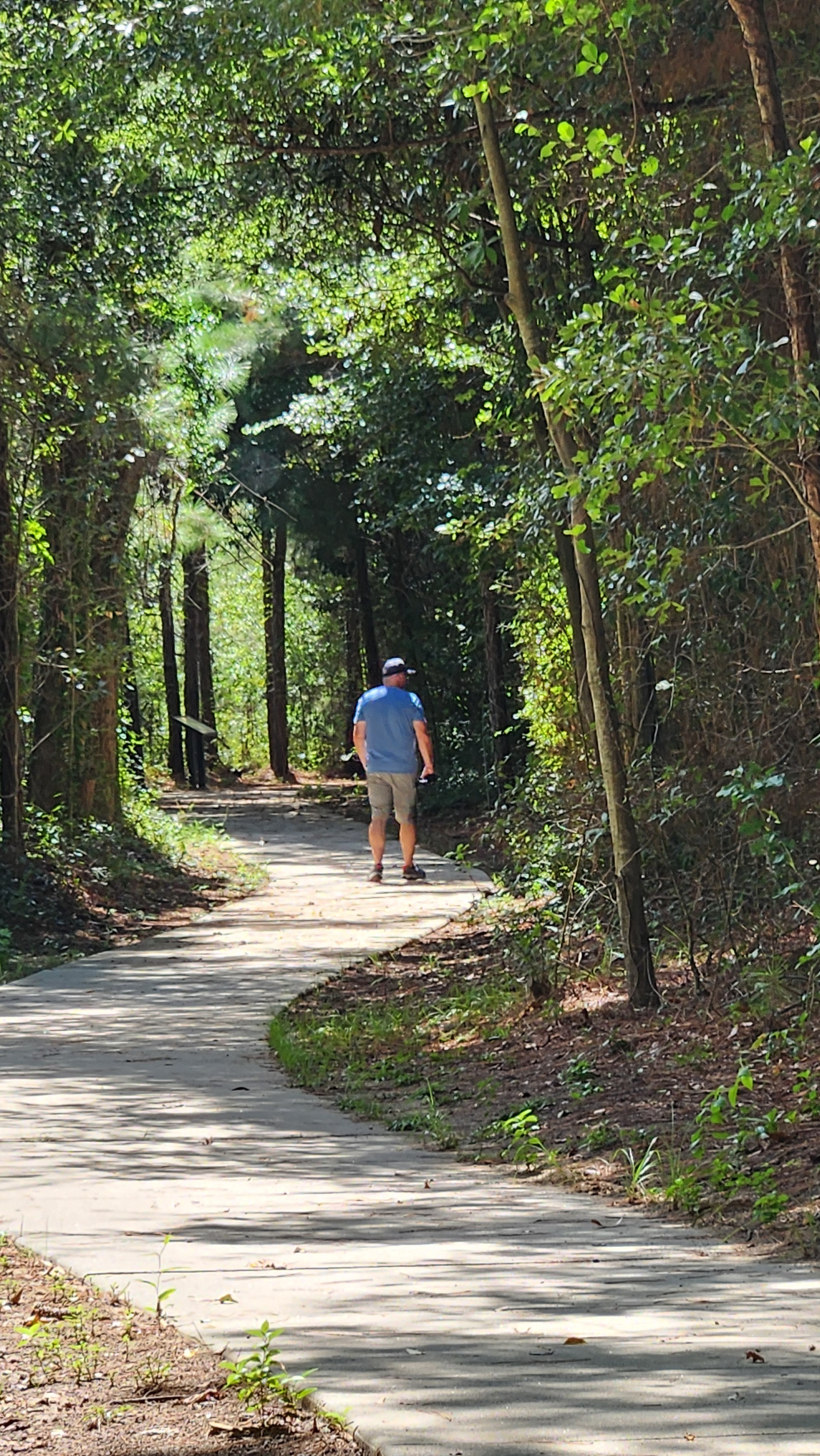
Early Fall Walk
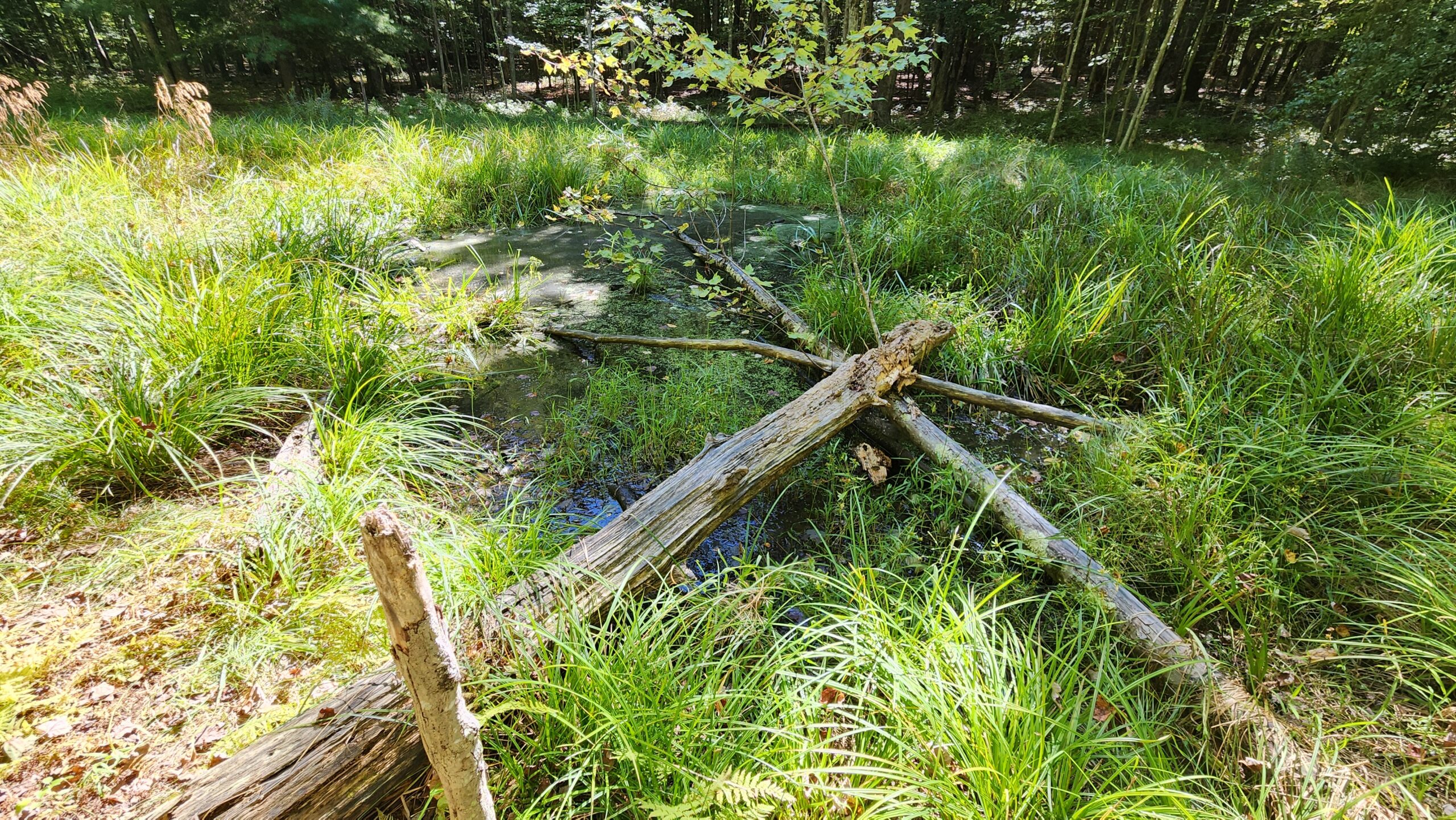
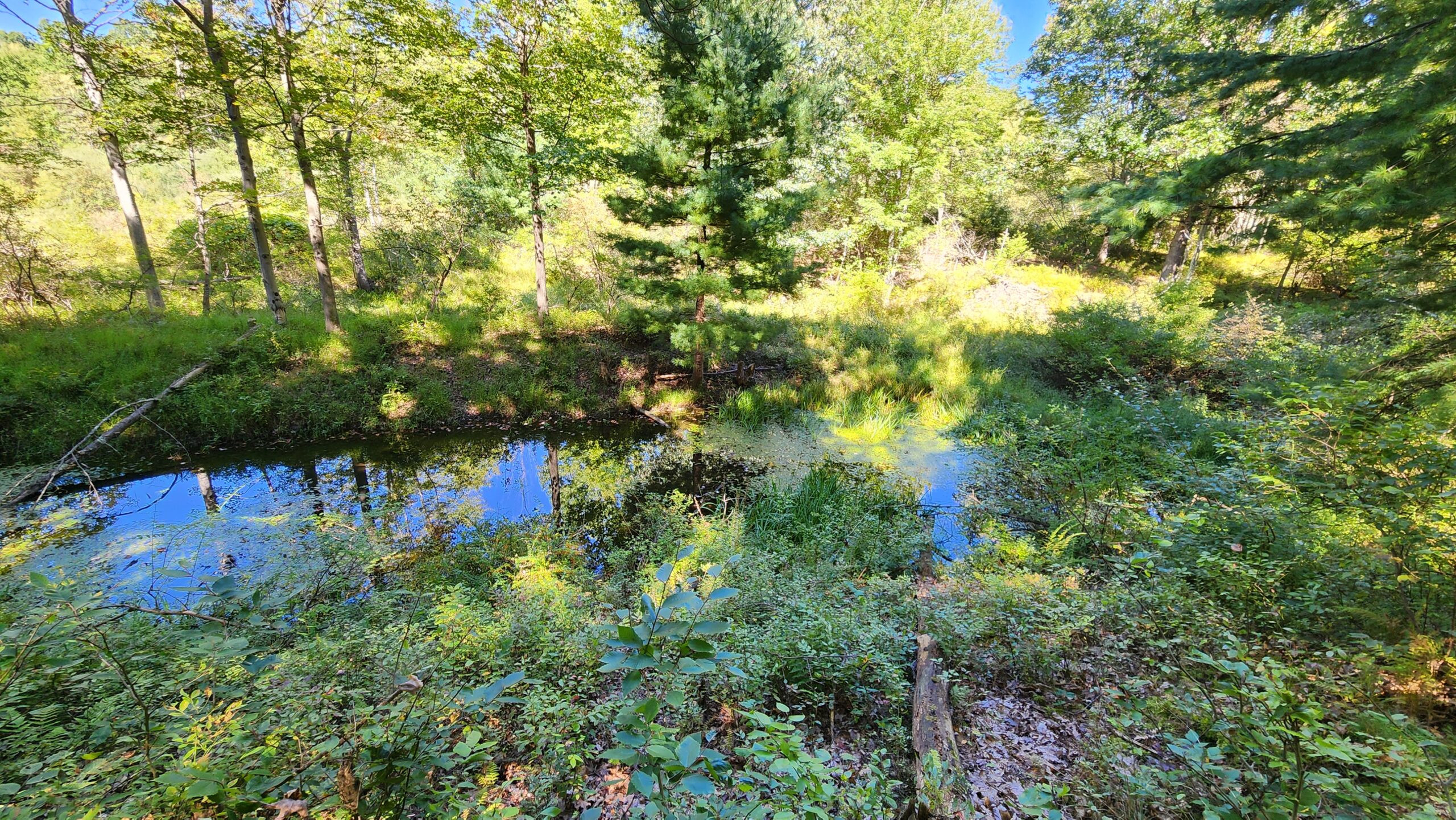
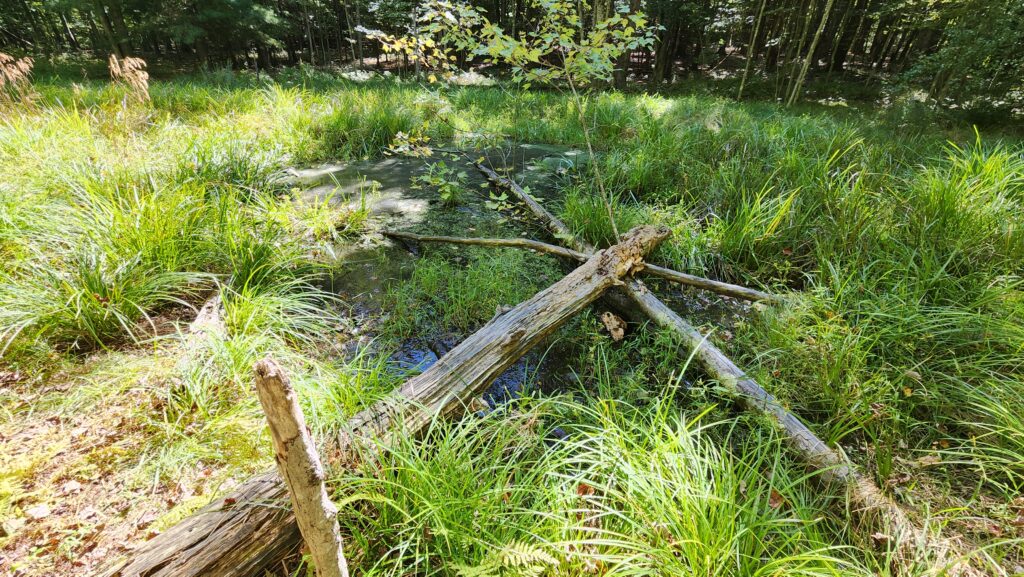
We took a stroll in the last week of September at a local university’s nature preserve. One of the first sights is the vernal pool, where salamanders – efts as well as large spotted salamanders the university considers important enough to close the roads for during their breeding season in early spring.
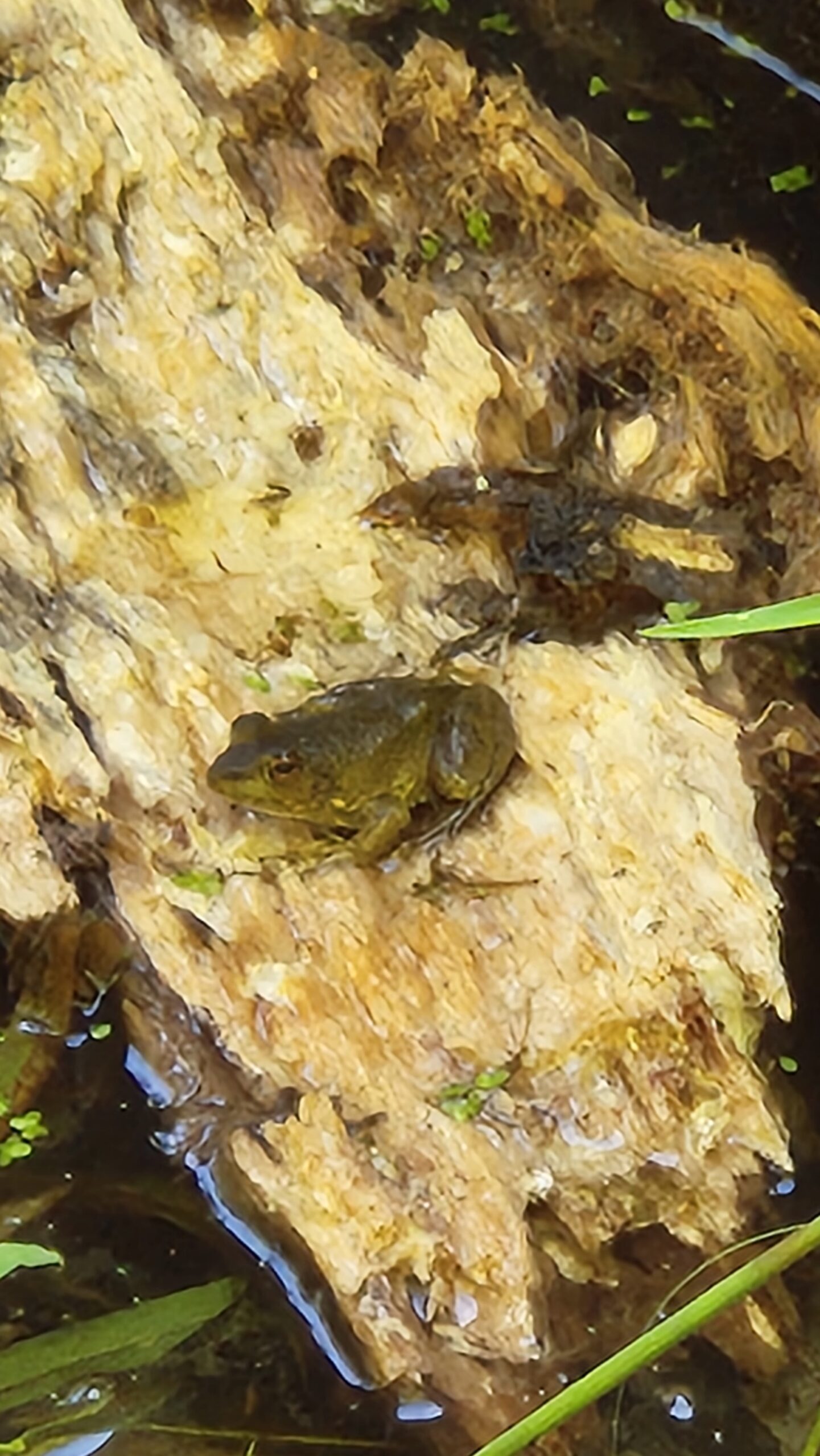
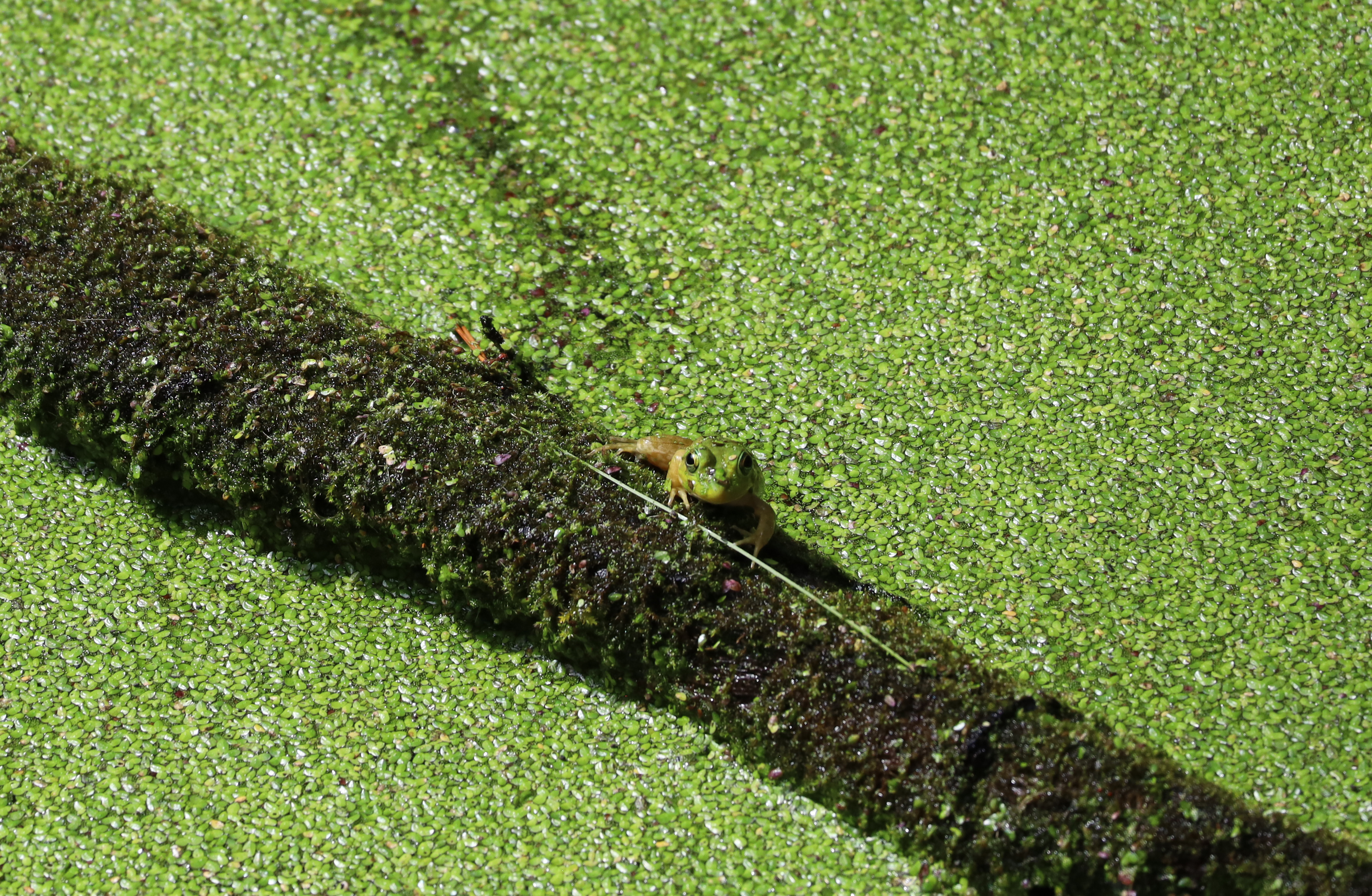
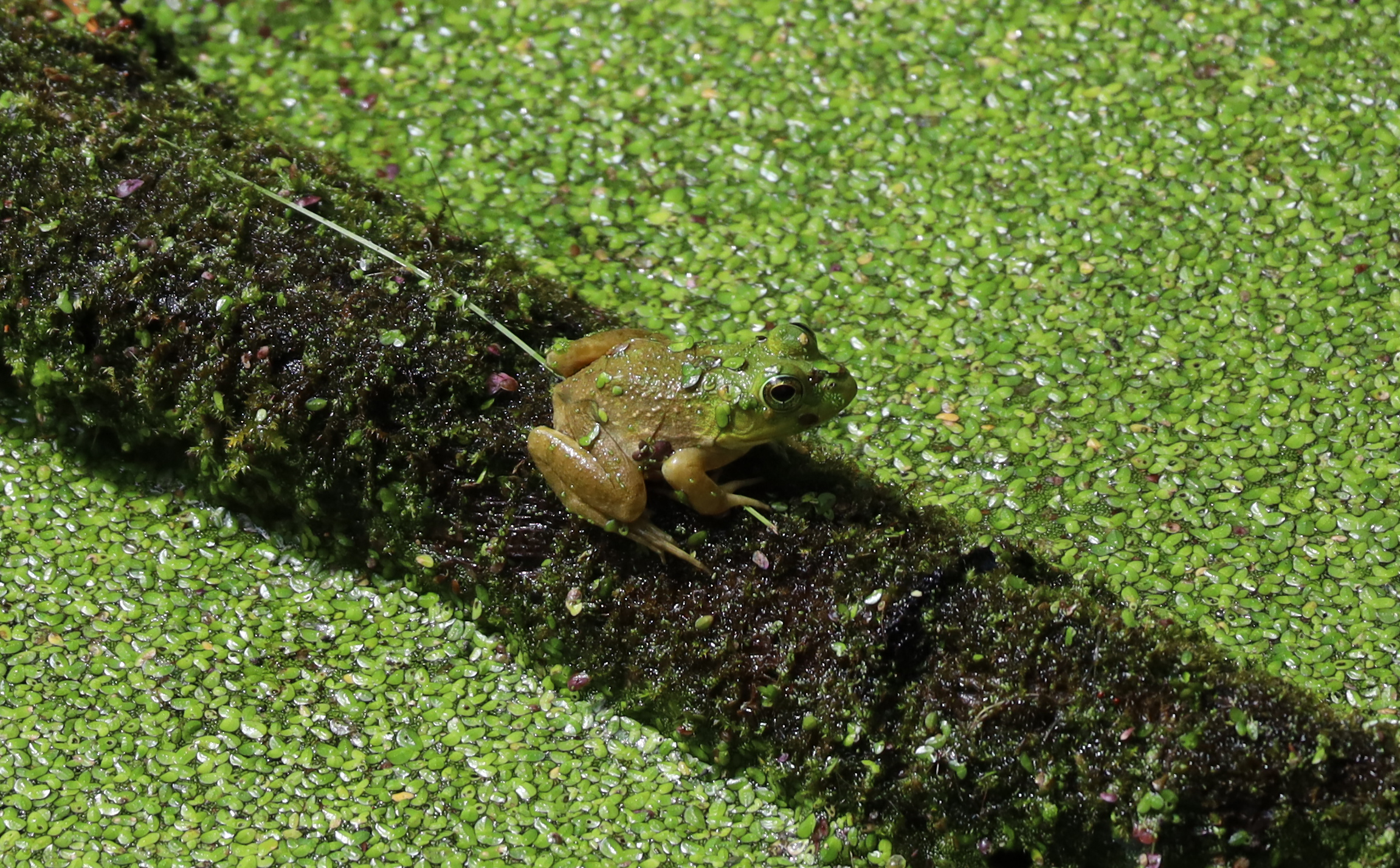
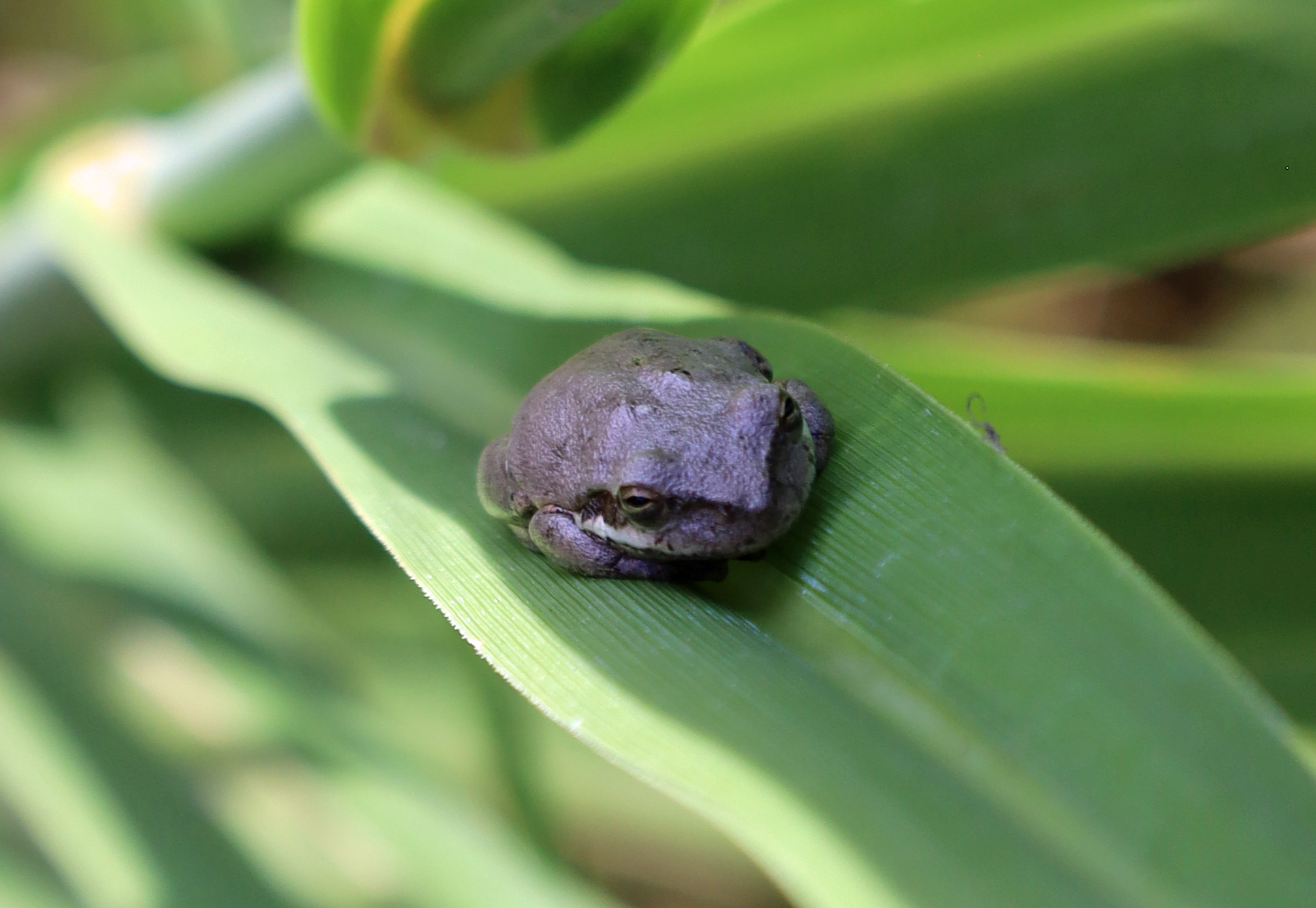
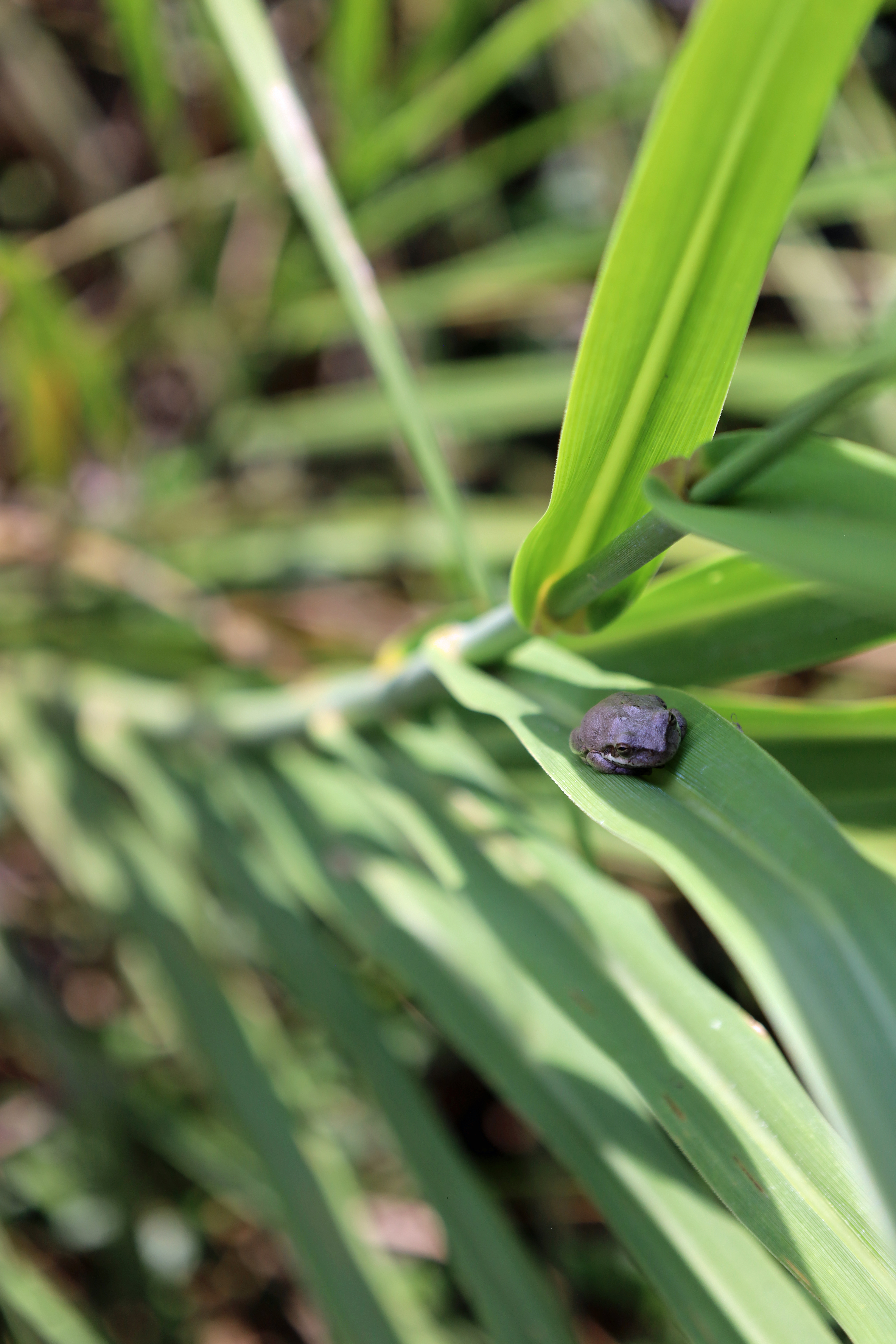
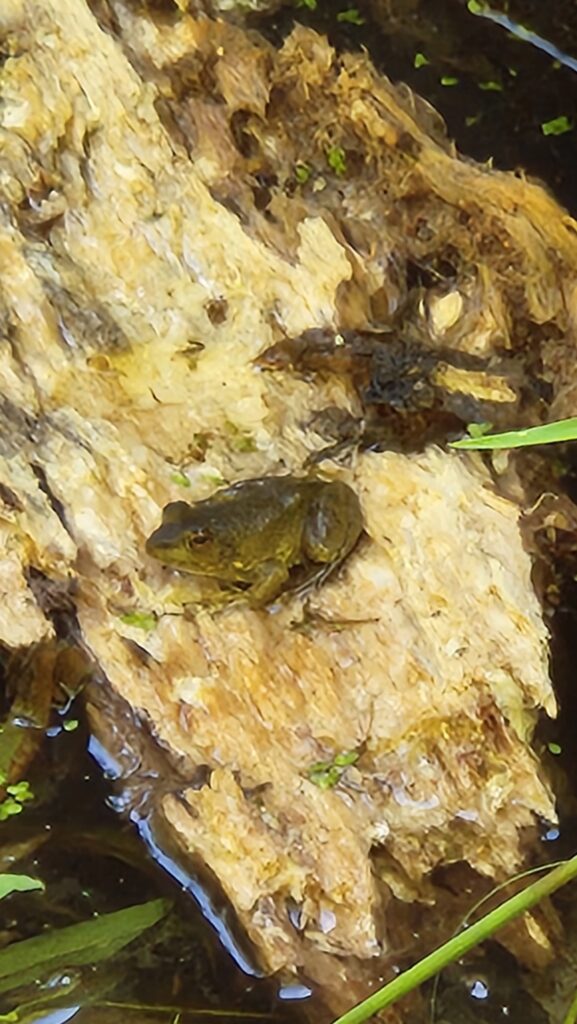
No salamanders, but a frog sat quietly, ruminating.
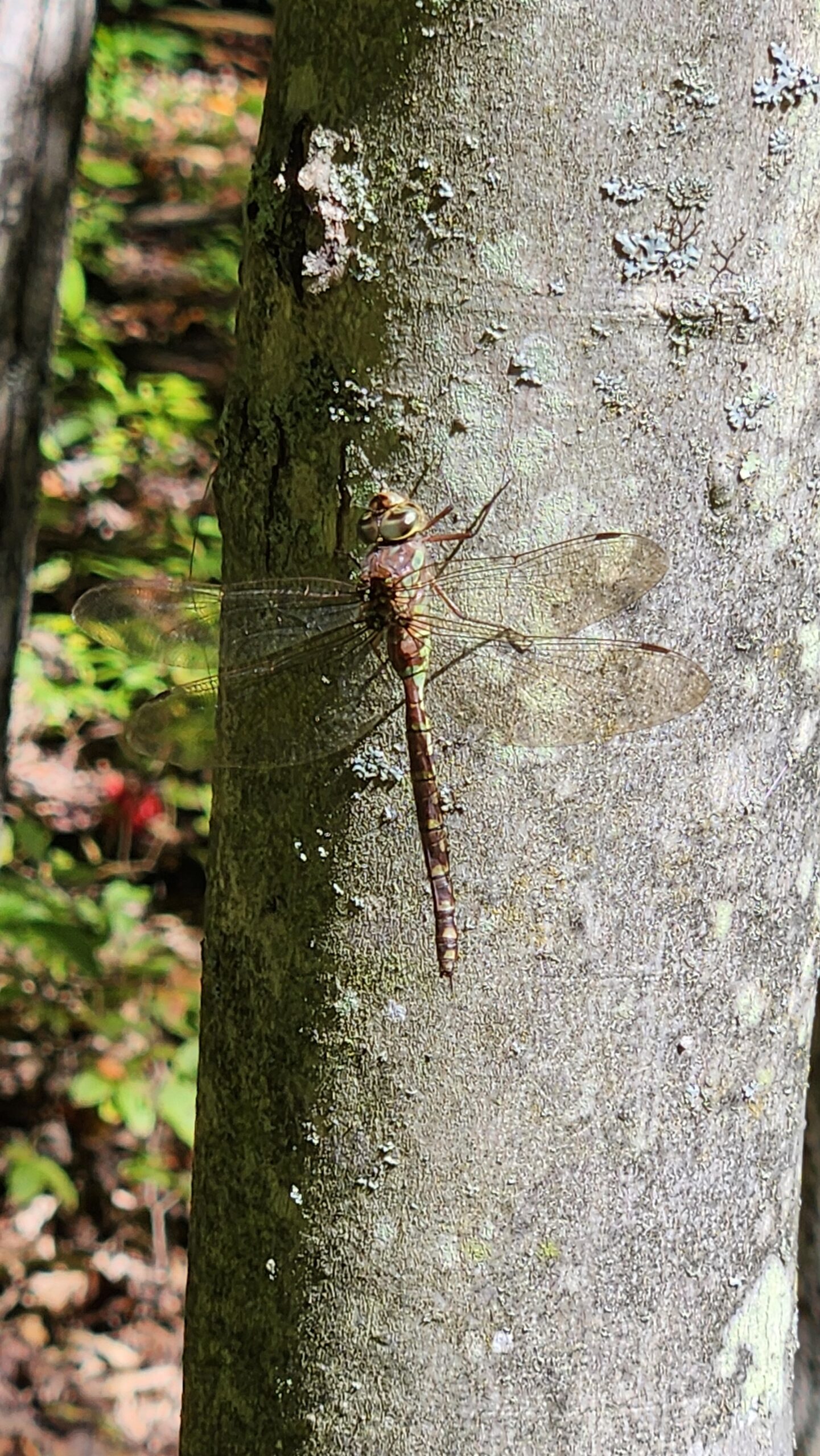
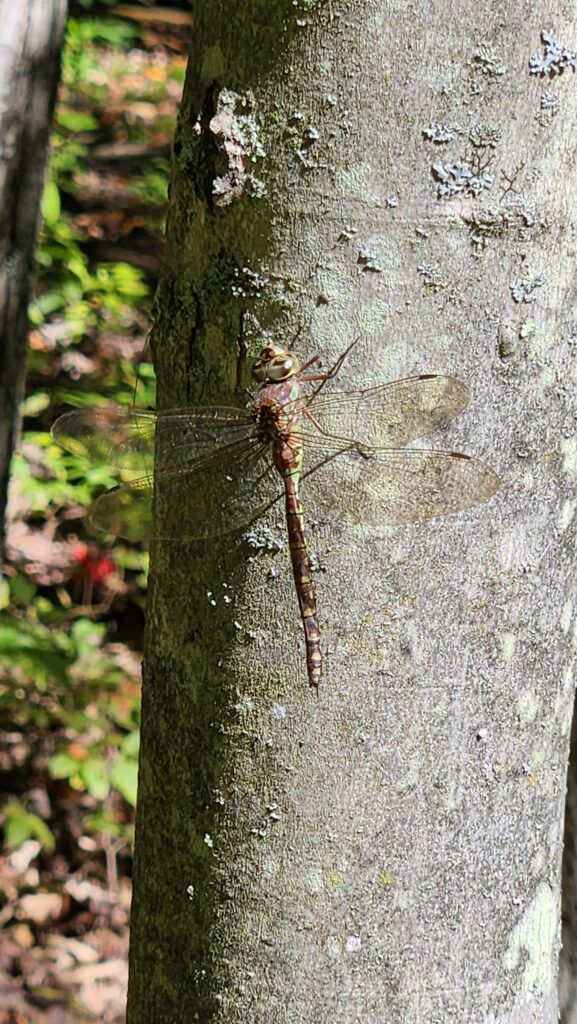
This dragonfly posed hospitably, too.
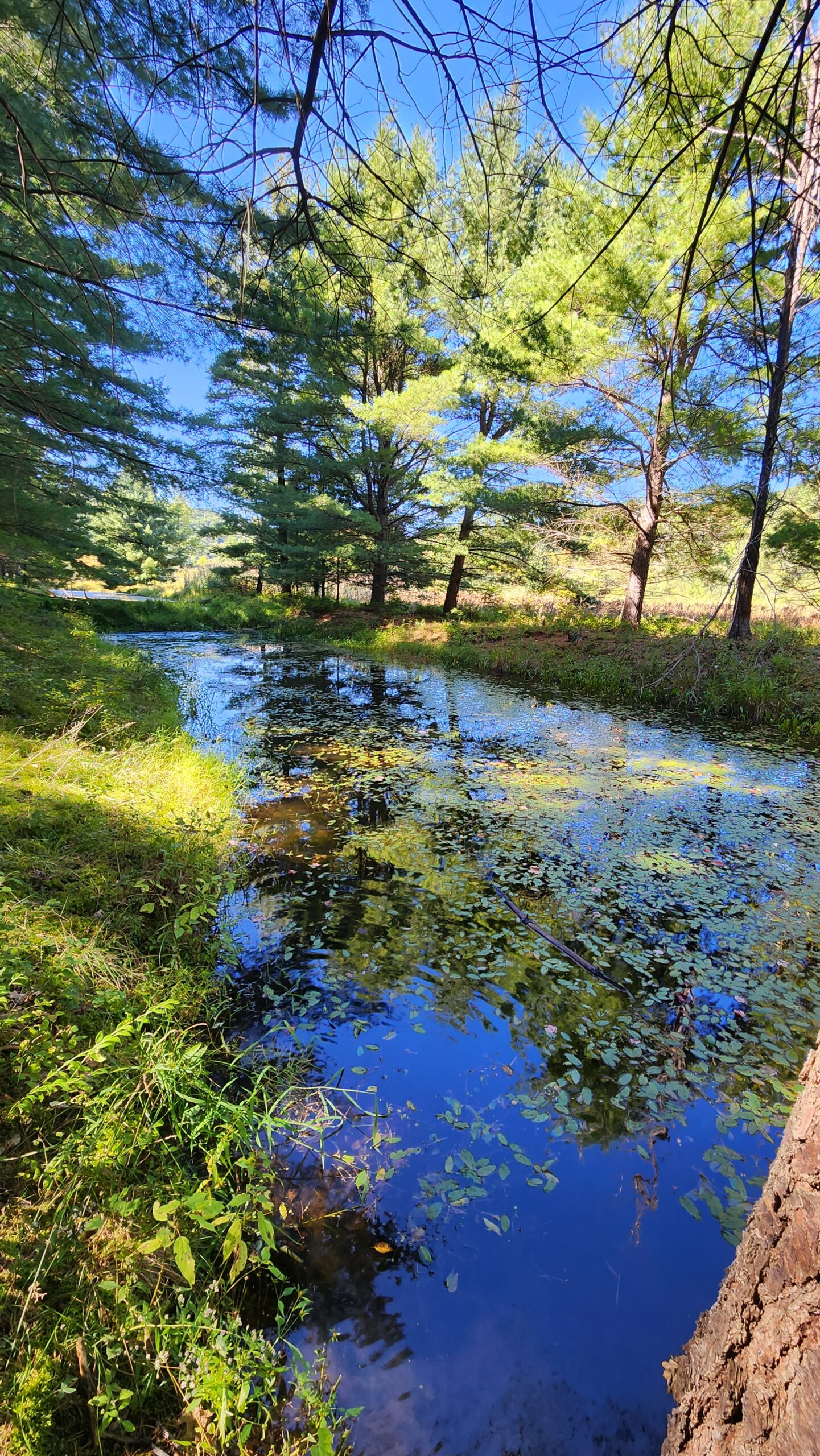
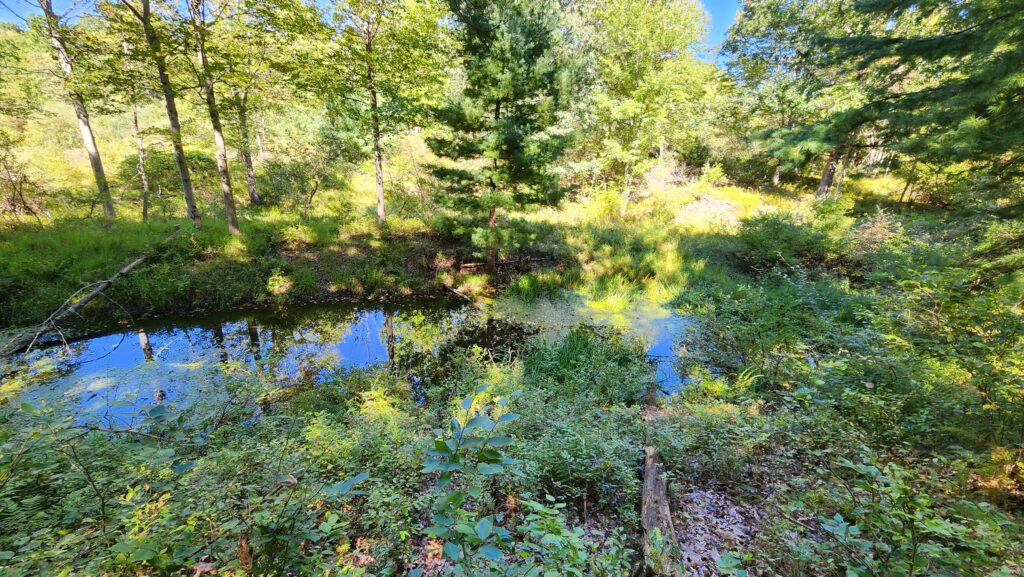
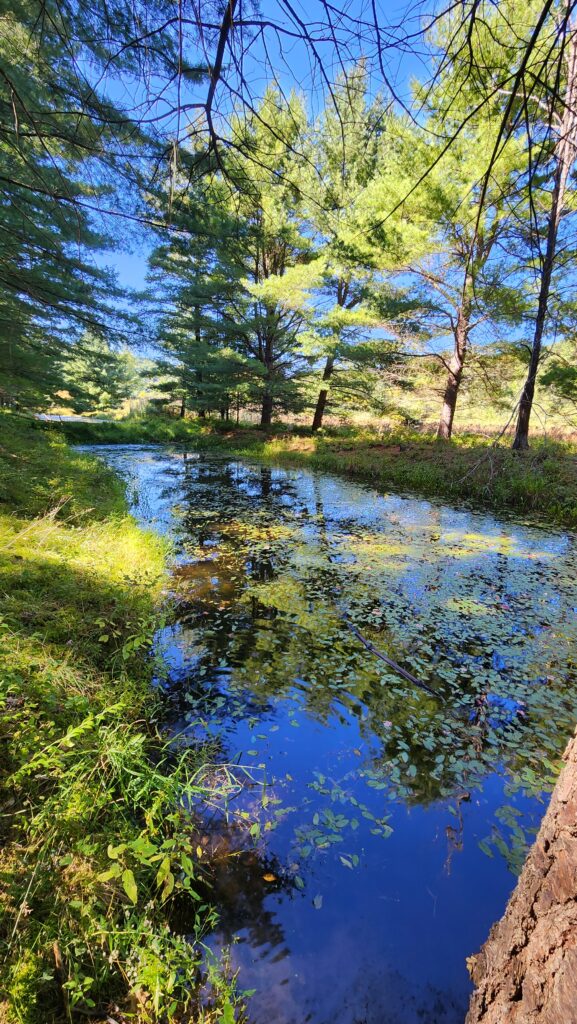
The next part of the trail follows a stream dammed up years ago by beavers.
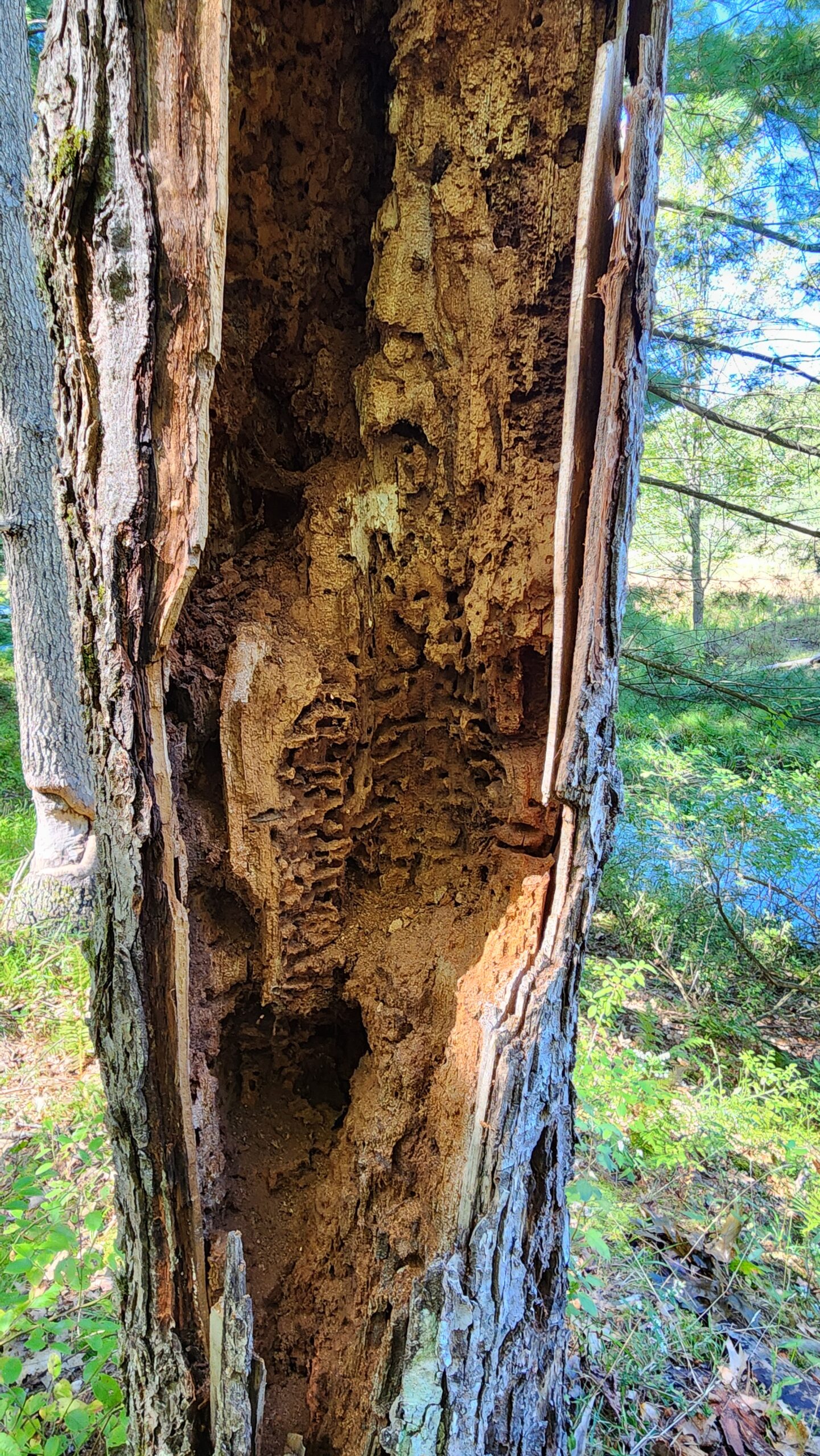
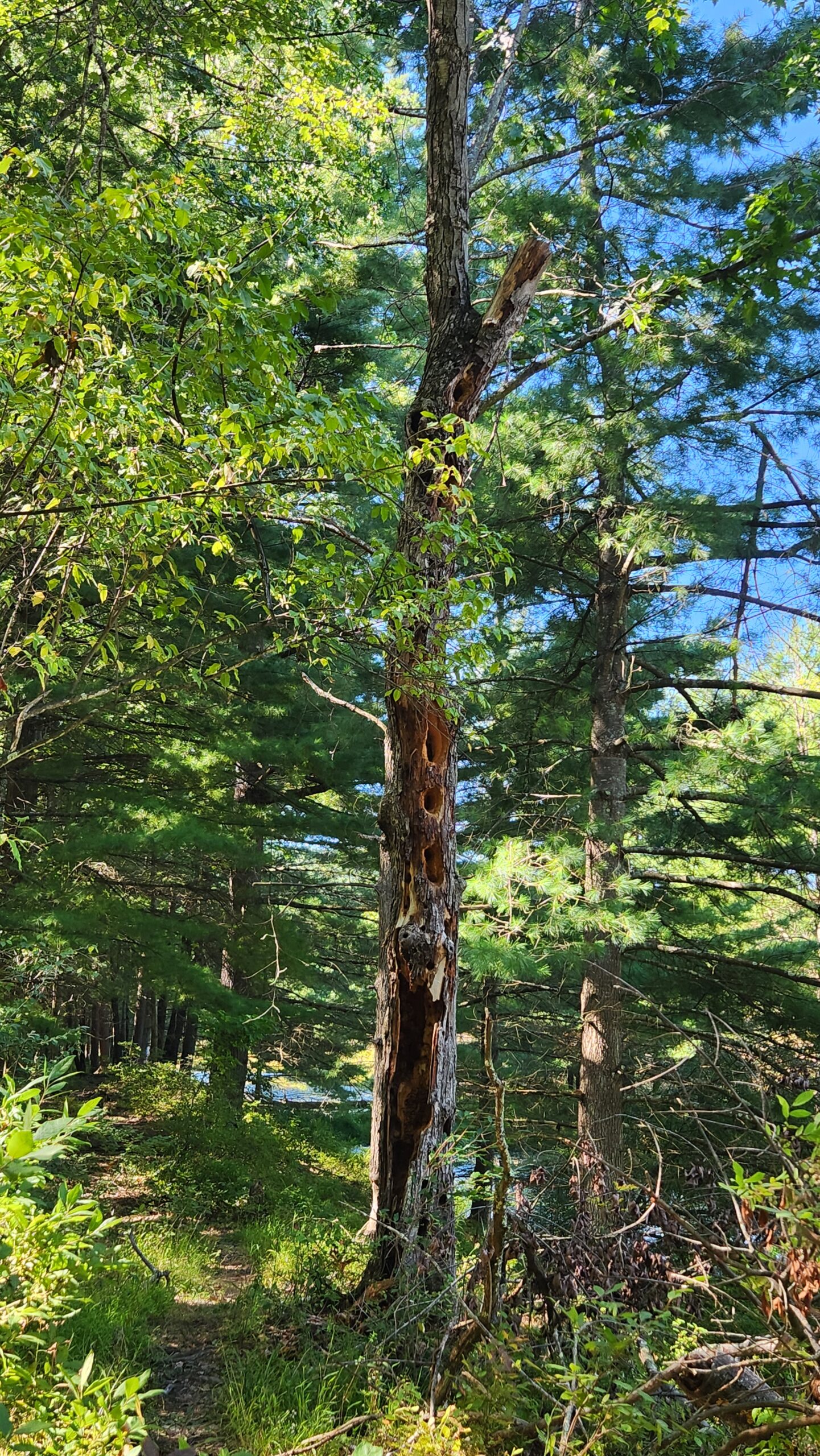
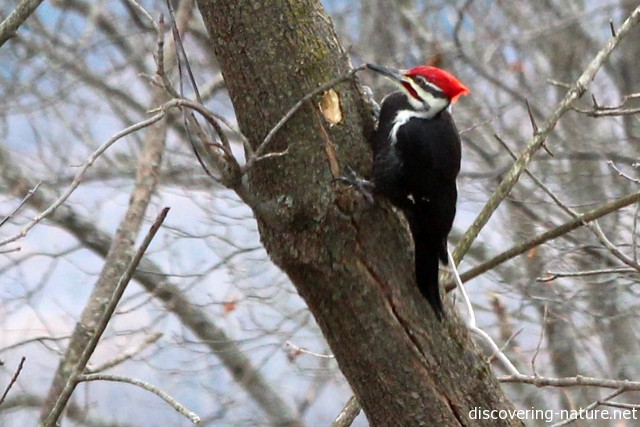
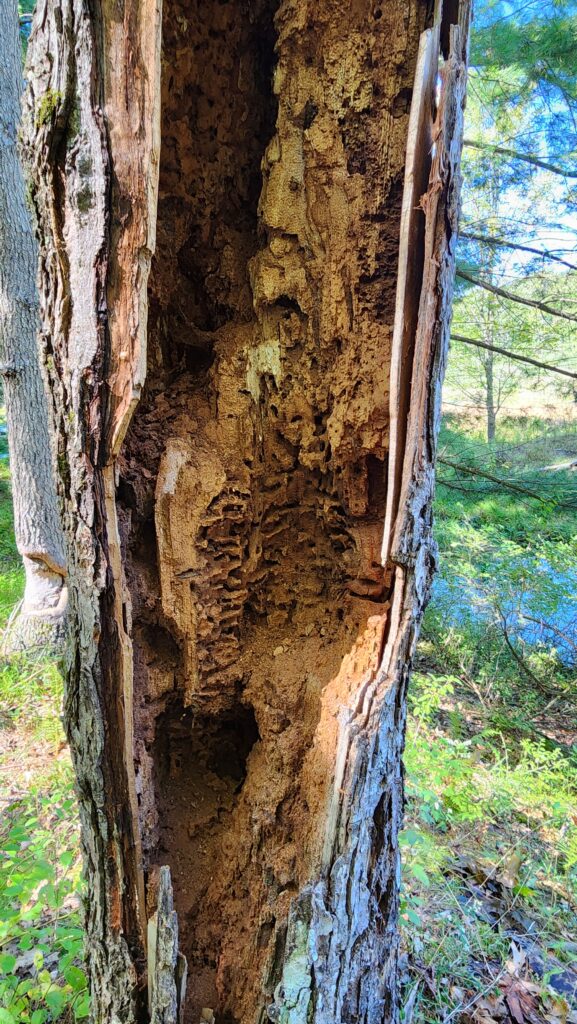
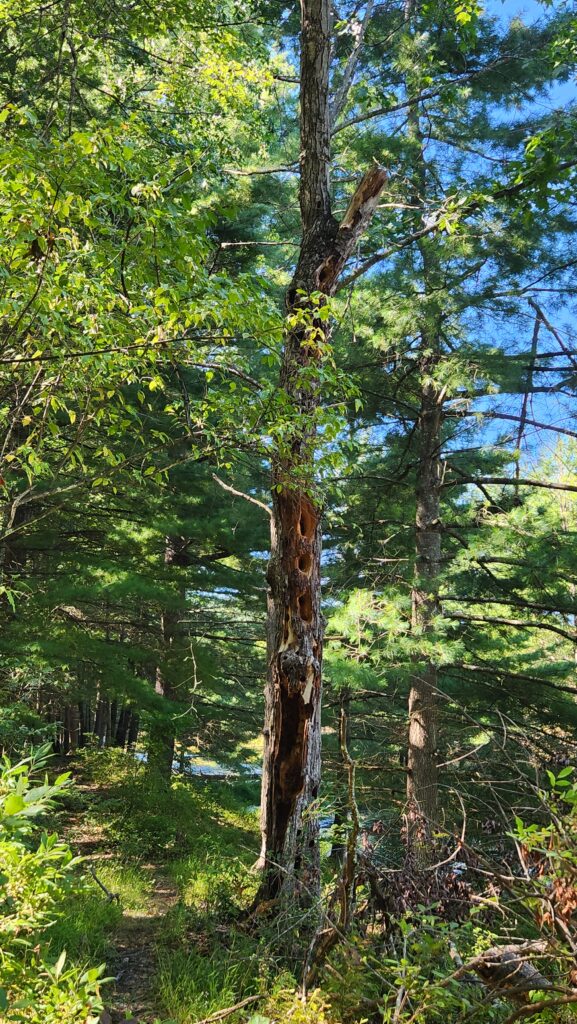
This tree always catches my eye. It’s been totally gutted by woodpeckers.
Nevertheless, it still produces at least a few leaves.
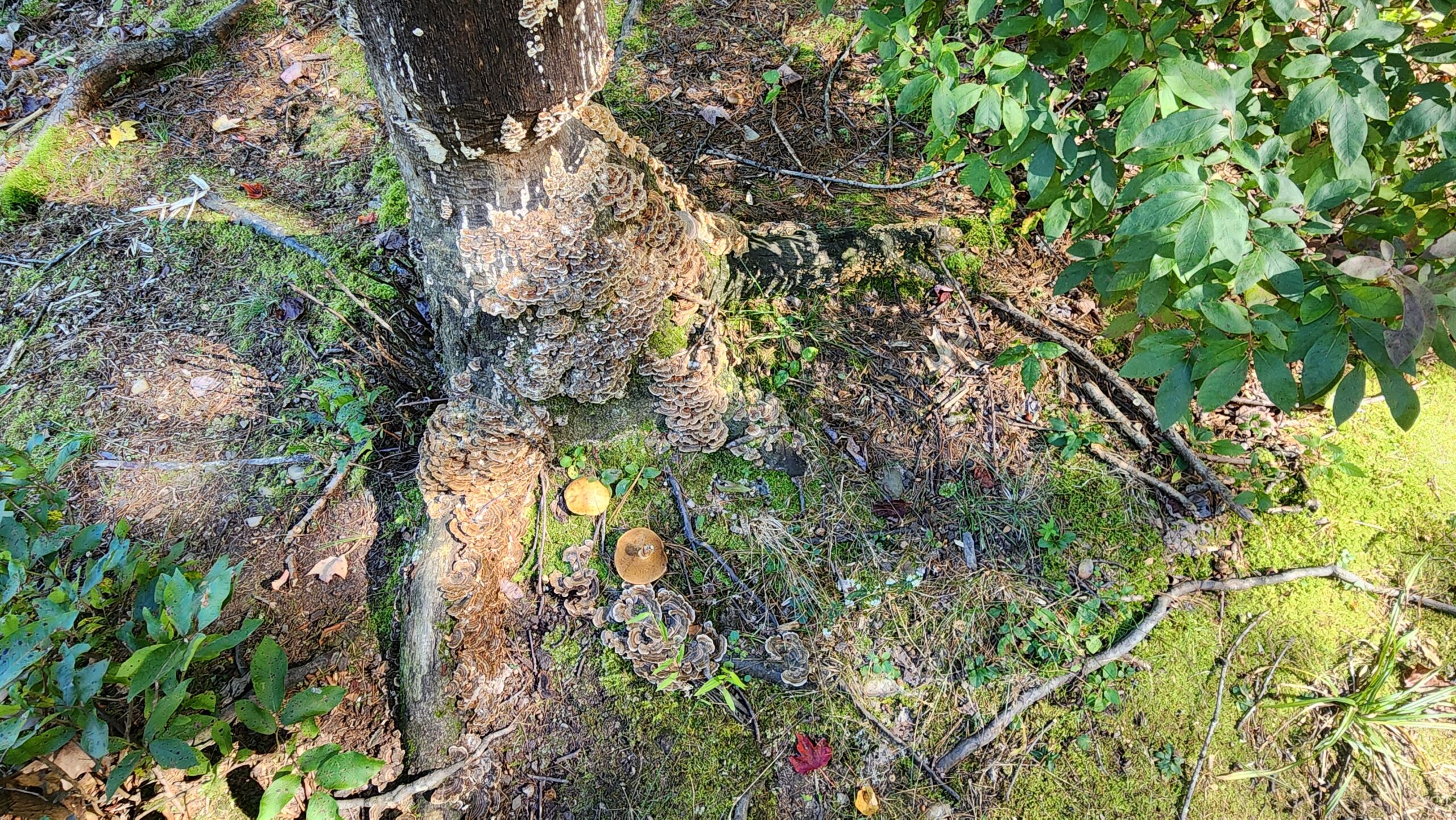
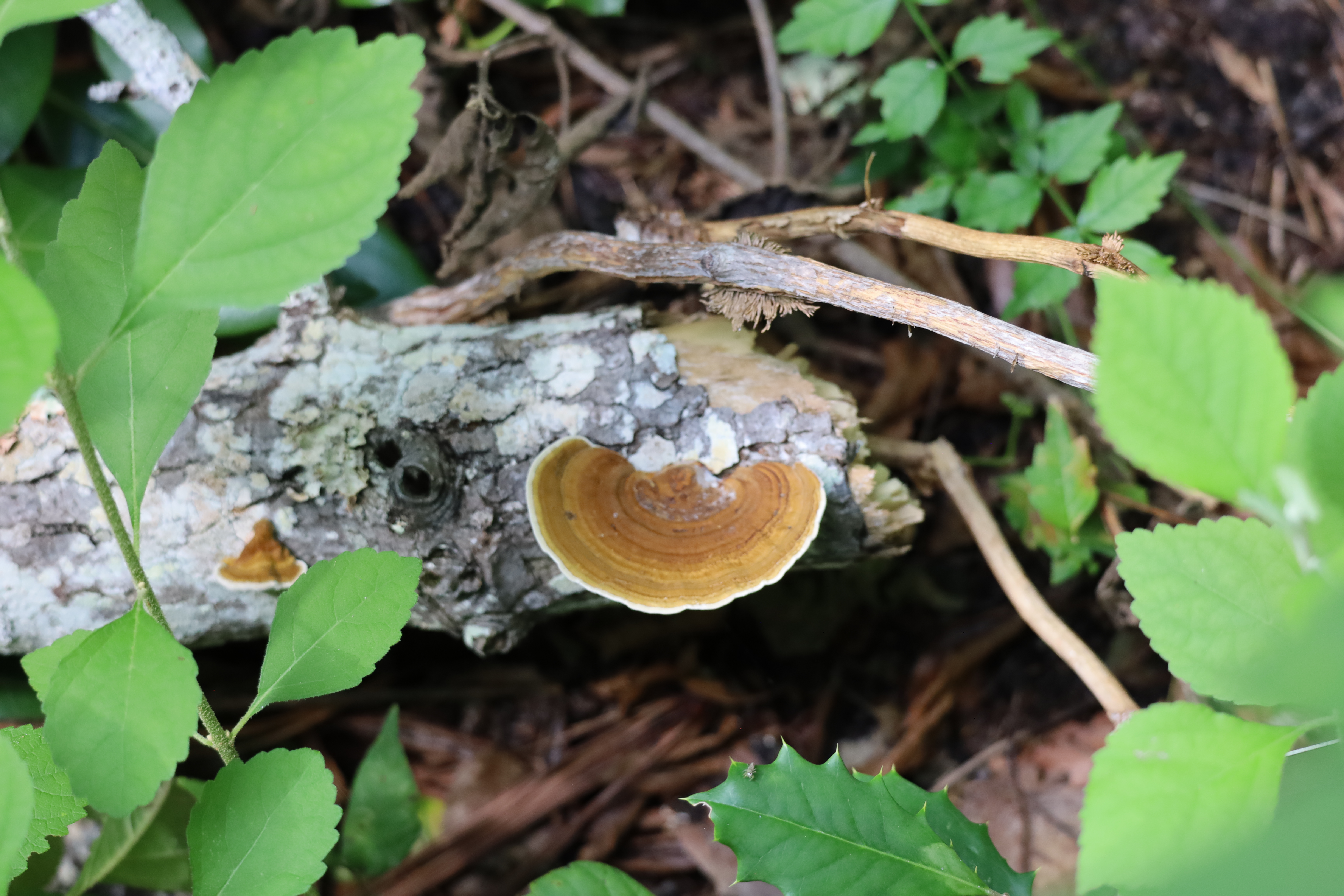
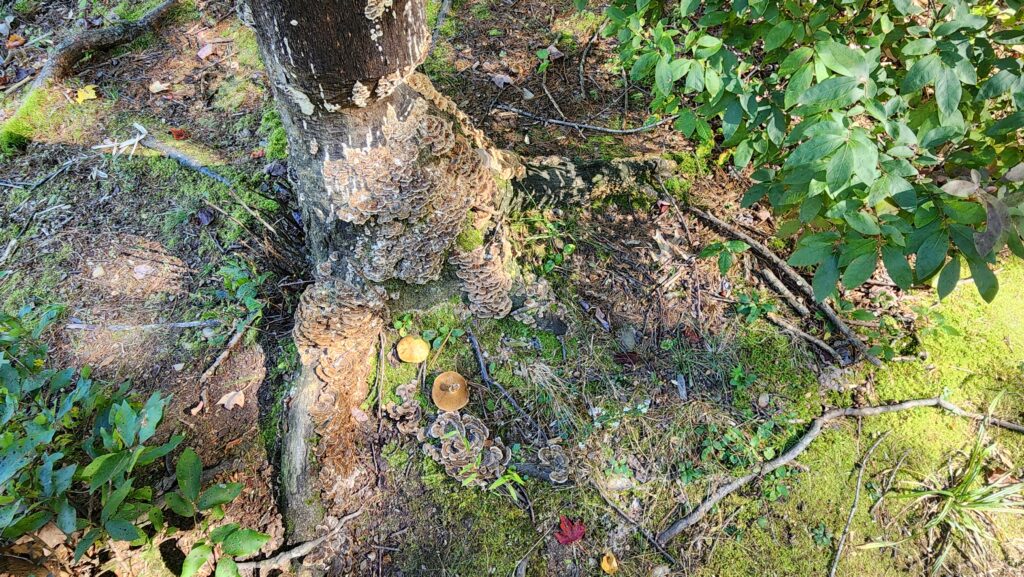
The base of this tree caught my eye because it, too, testified to staying power. Beavers have gnawed around the base, and bracket fungus proliferates. The riot of mosses and fungi produce beautiful textures and colors.
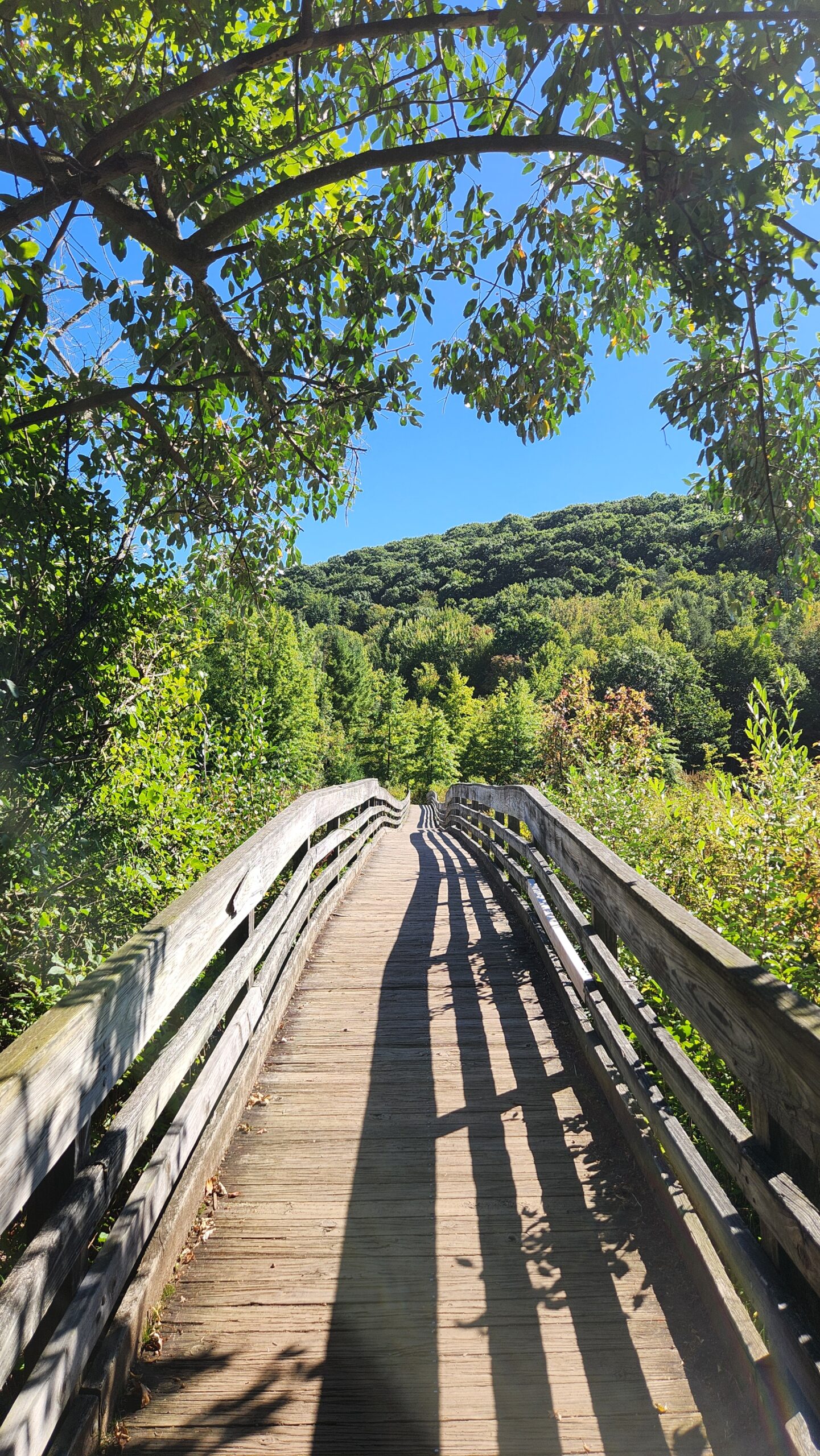
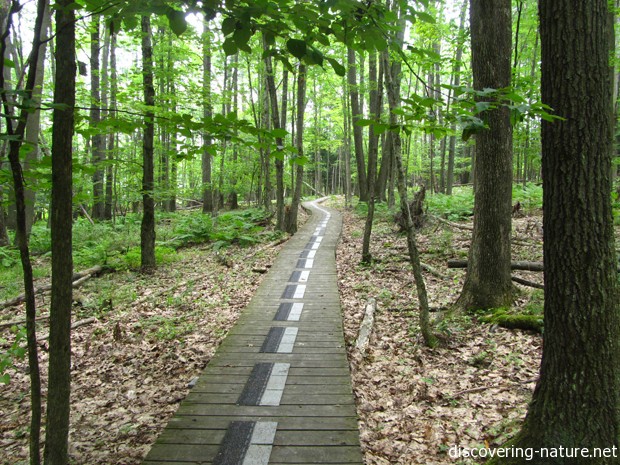
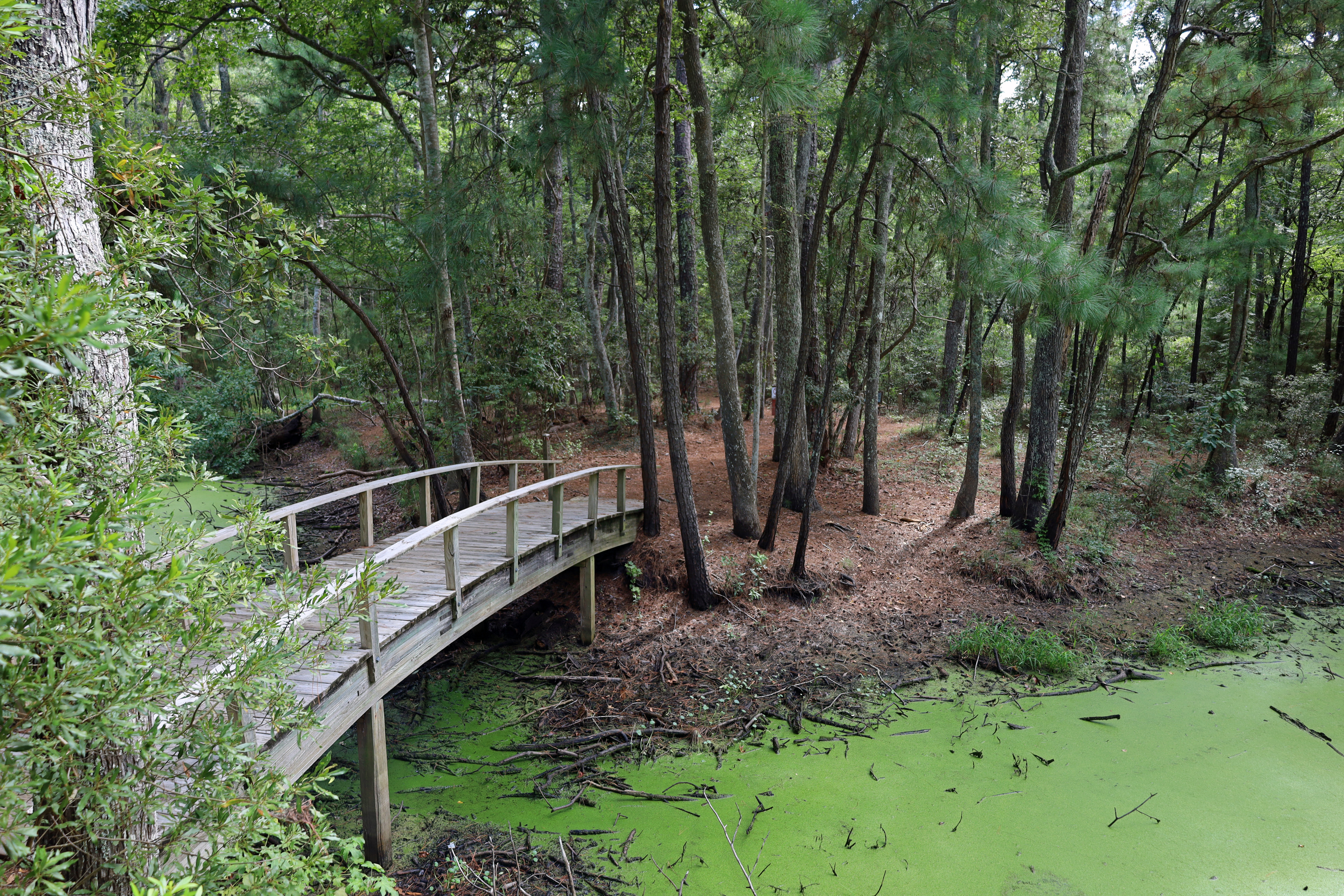
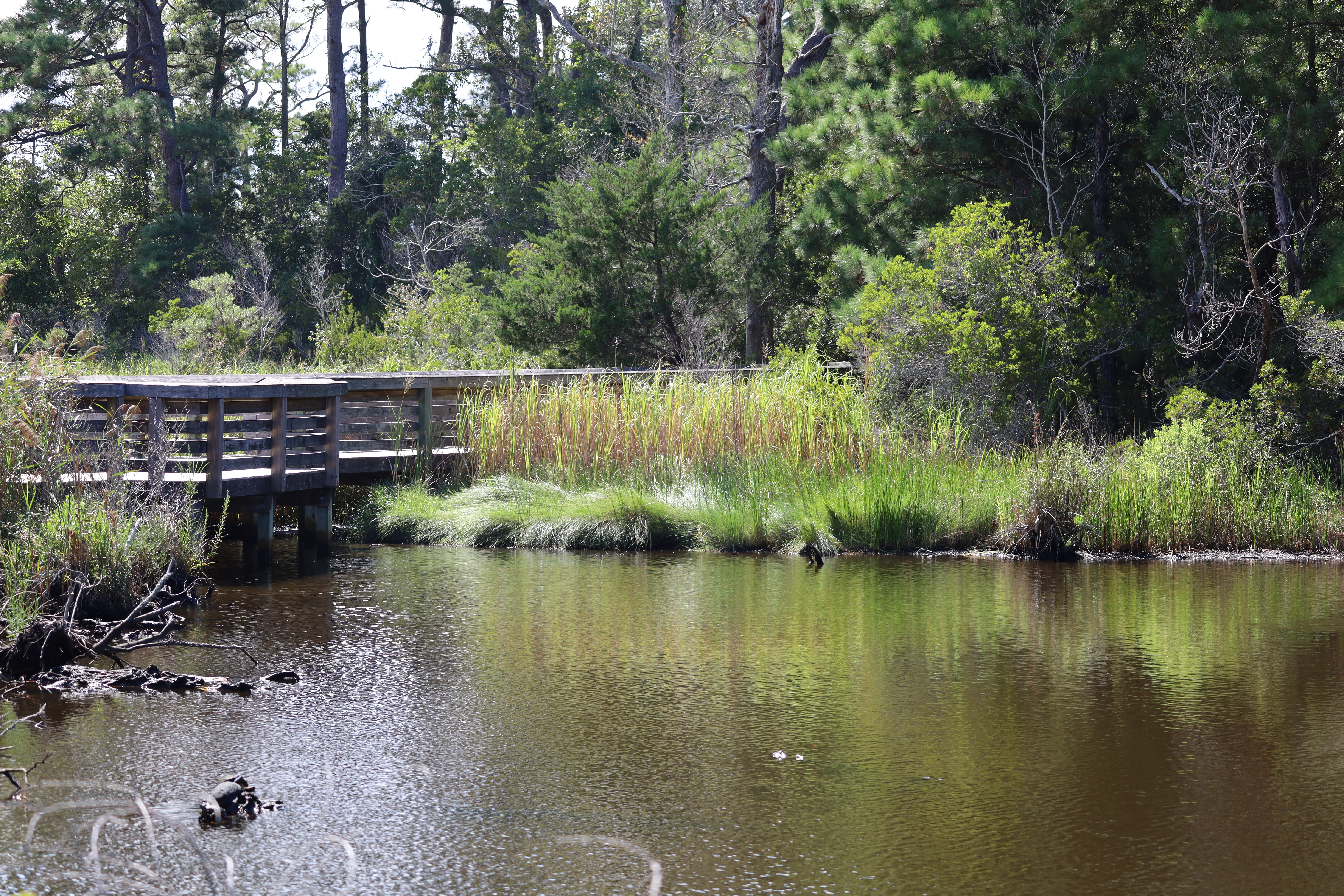
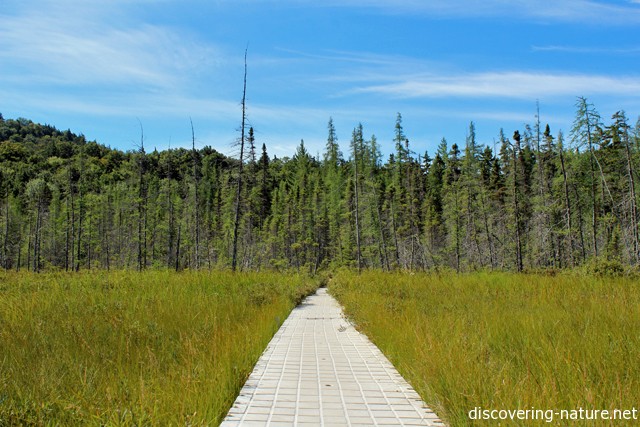
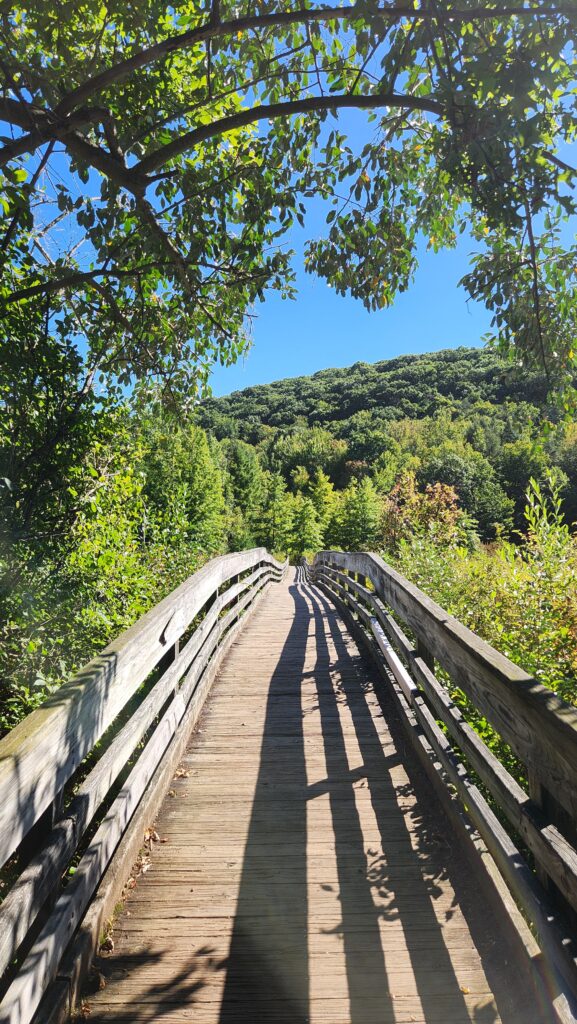
On to the boardwalk across the pond/marsh.
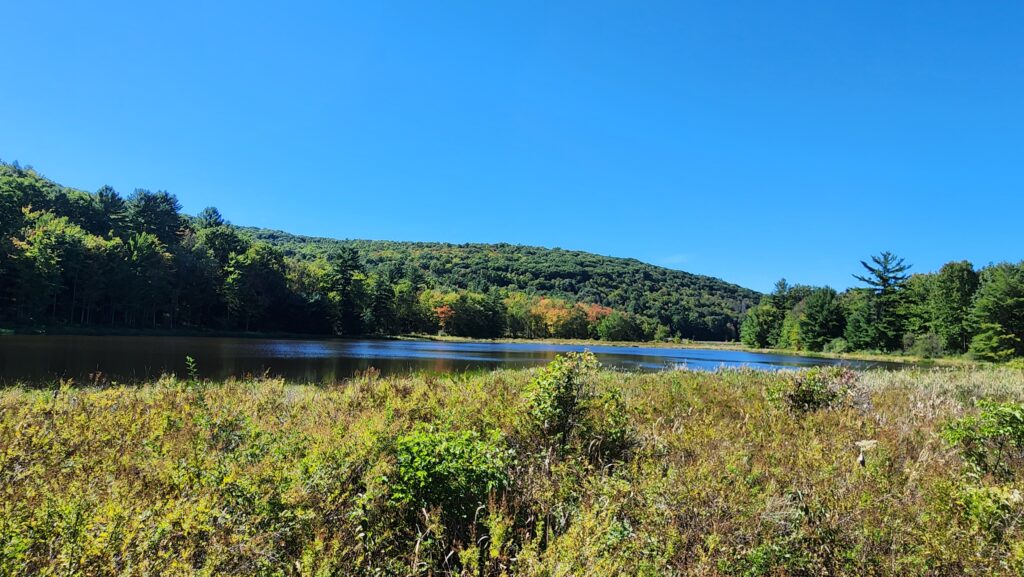
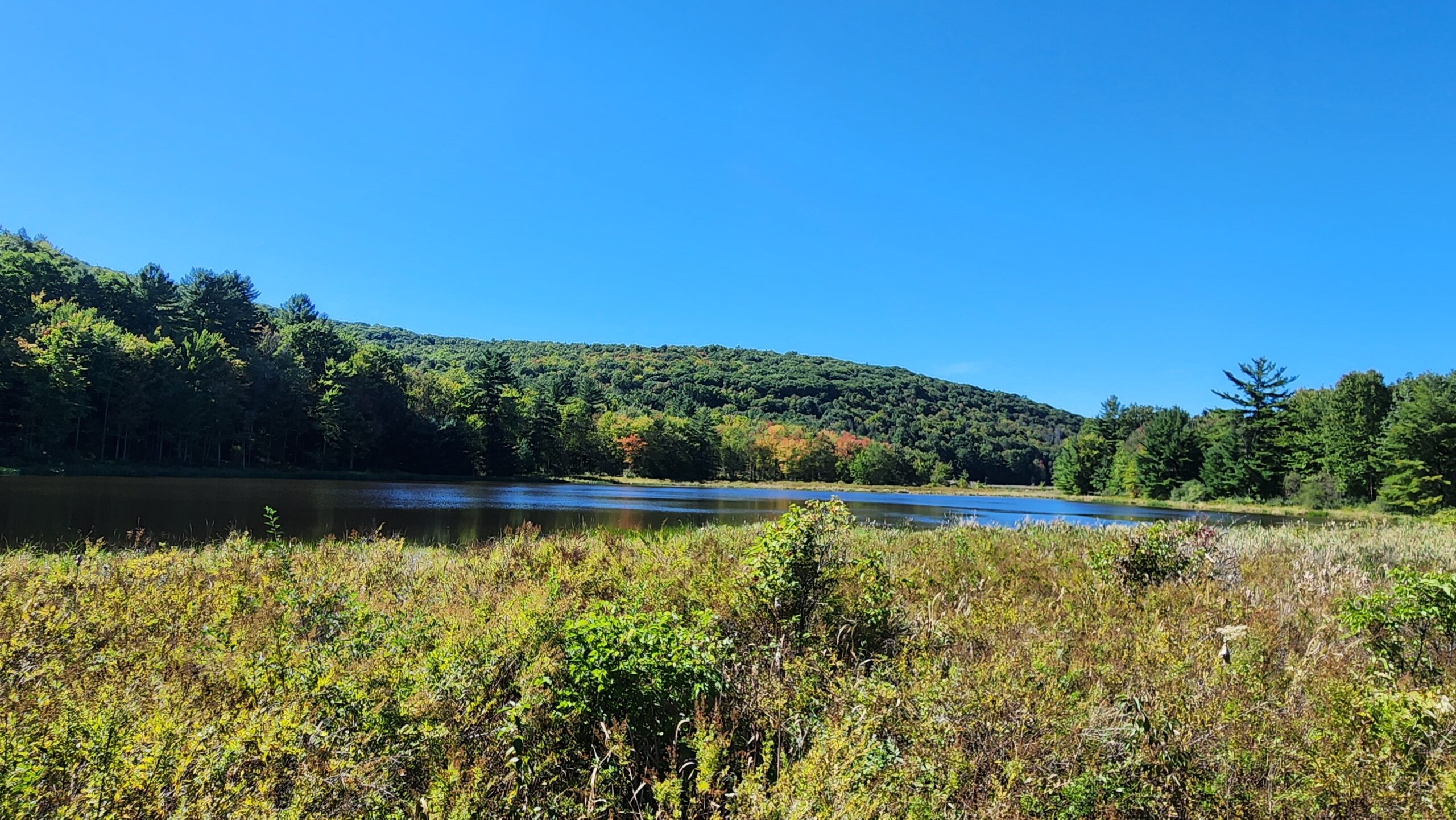
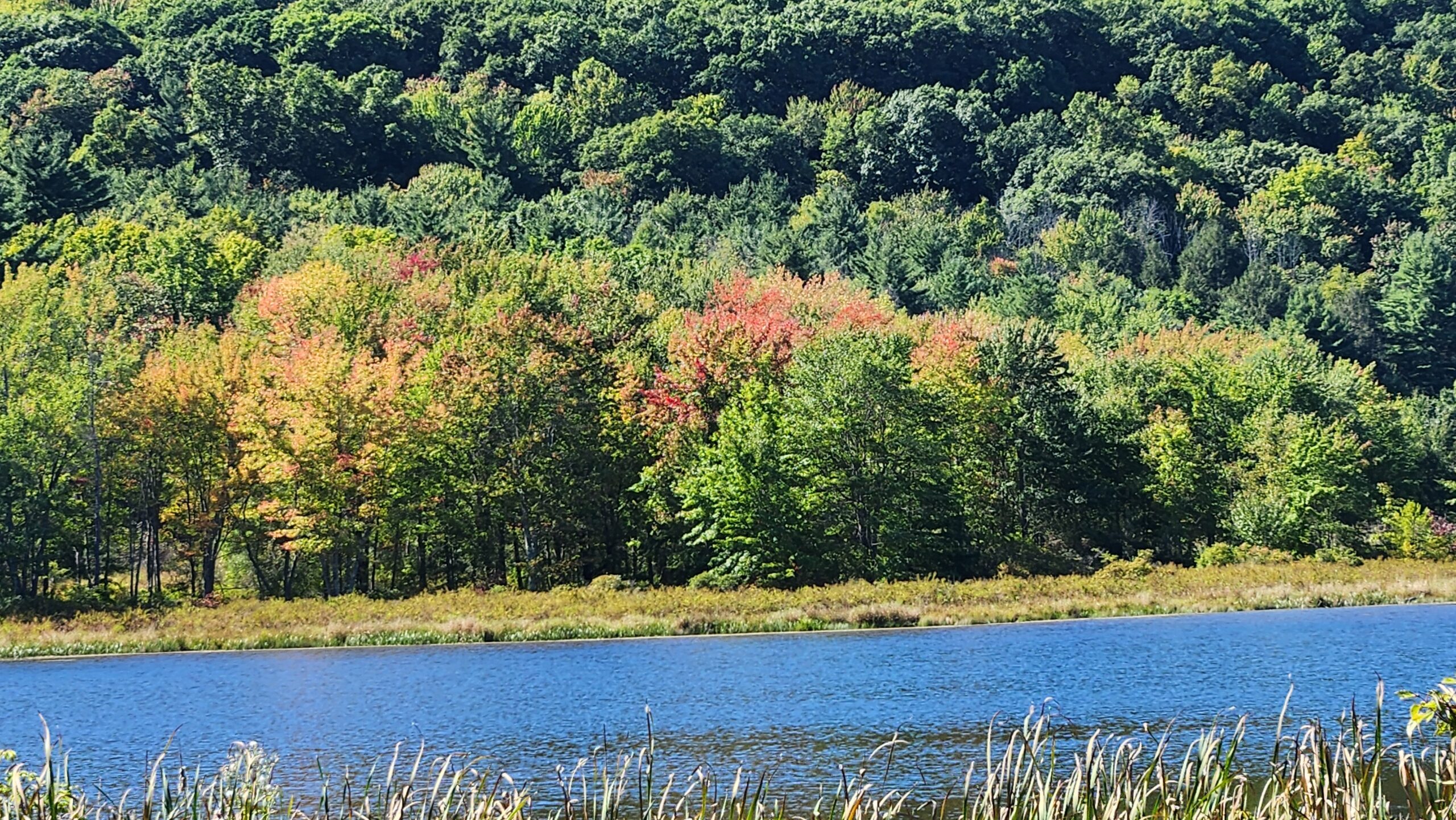
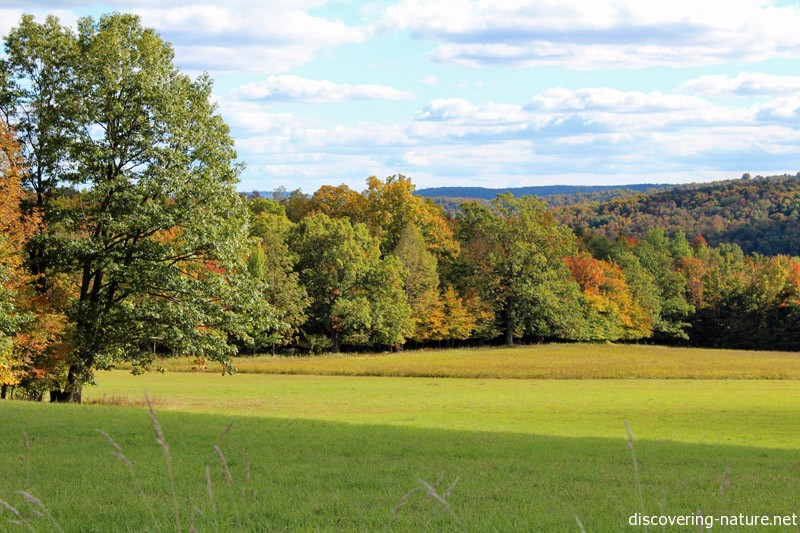
Just a touch of fall color so far.
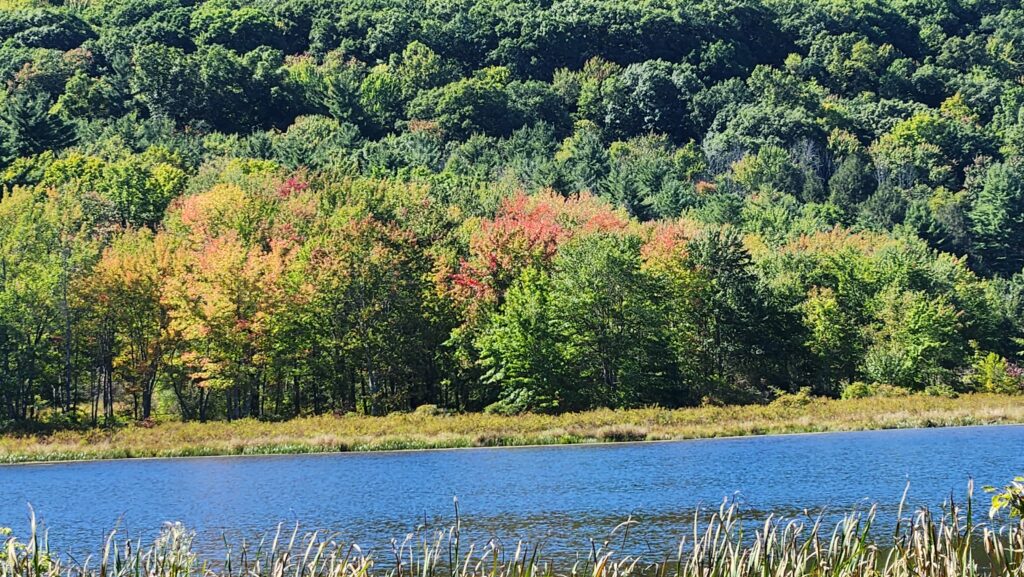
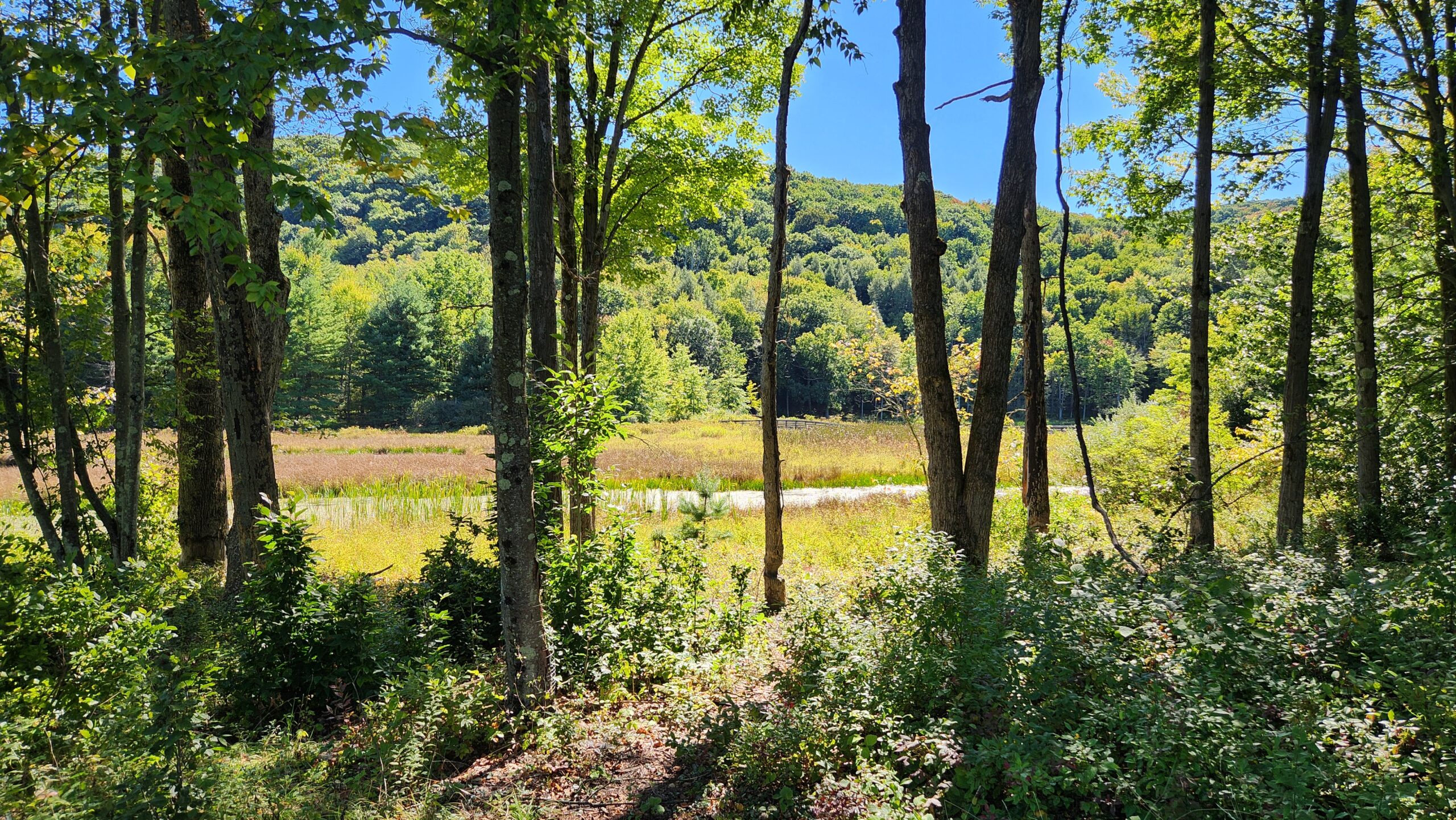
We paused to look back, imagining how brilliant the hillside will be before long.
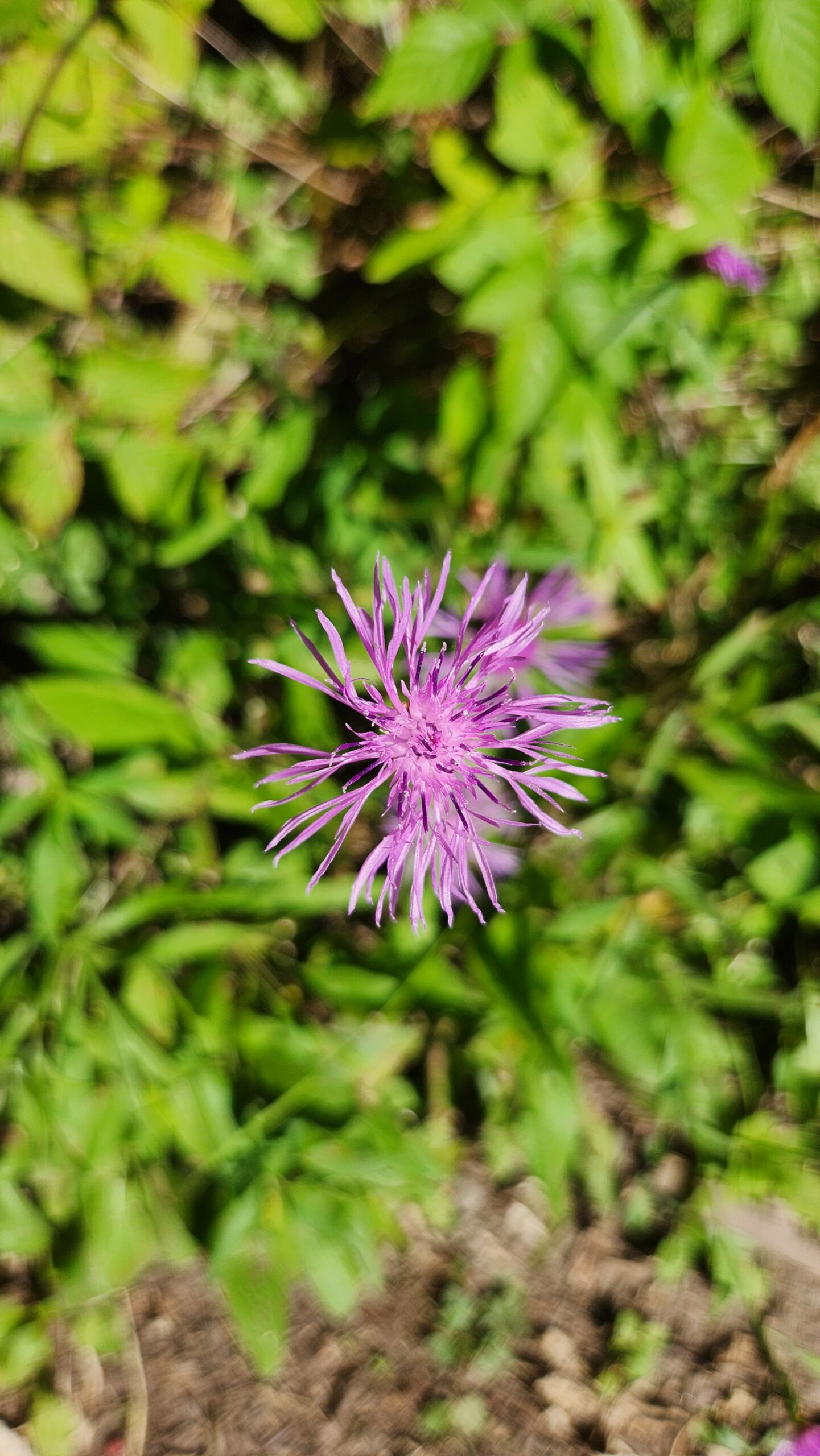
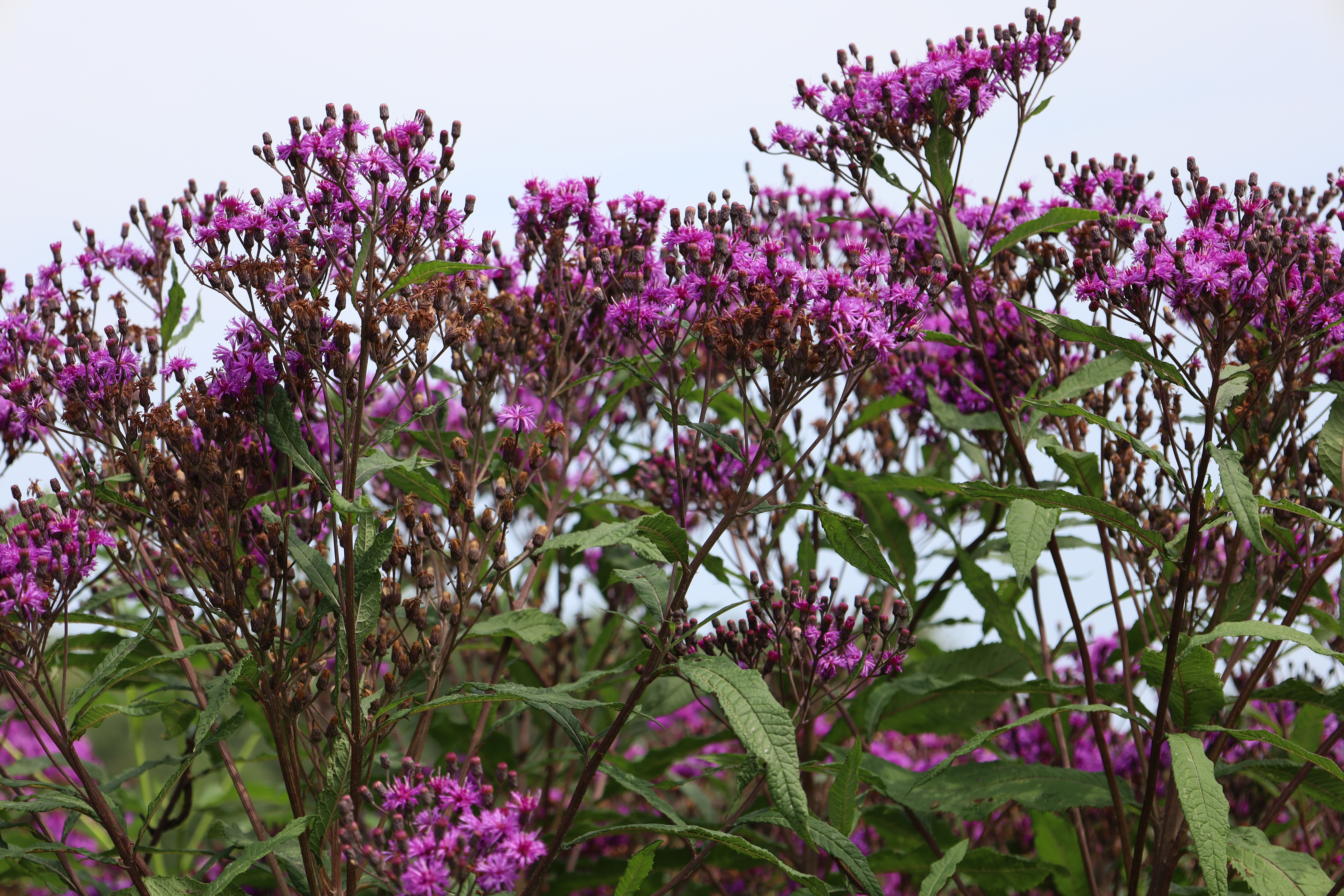
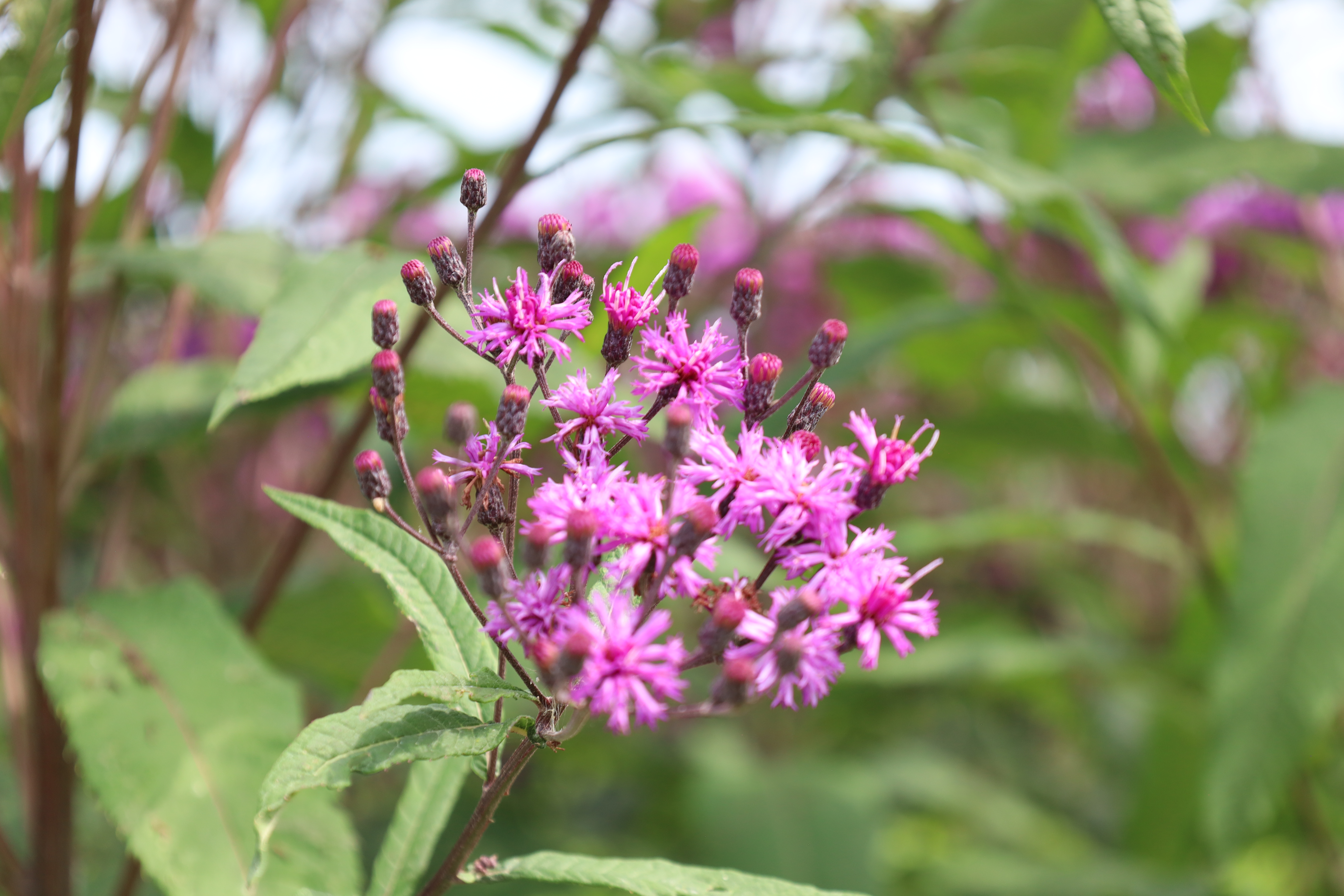
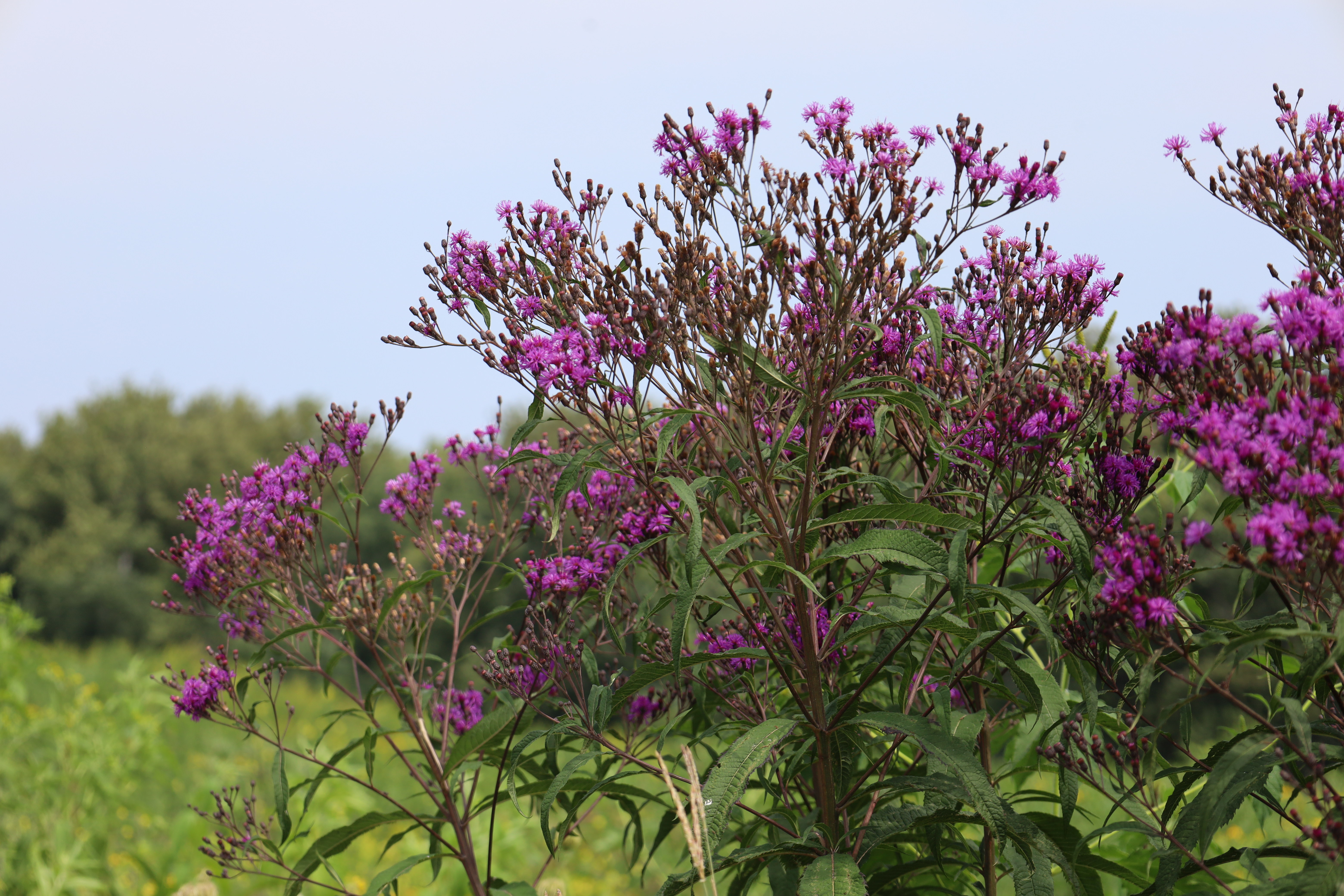
Asters were growing everywhere.
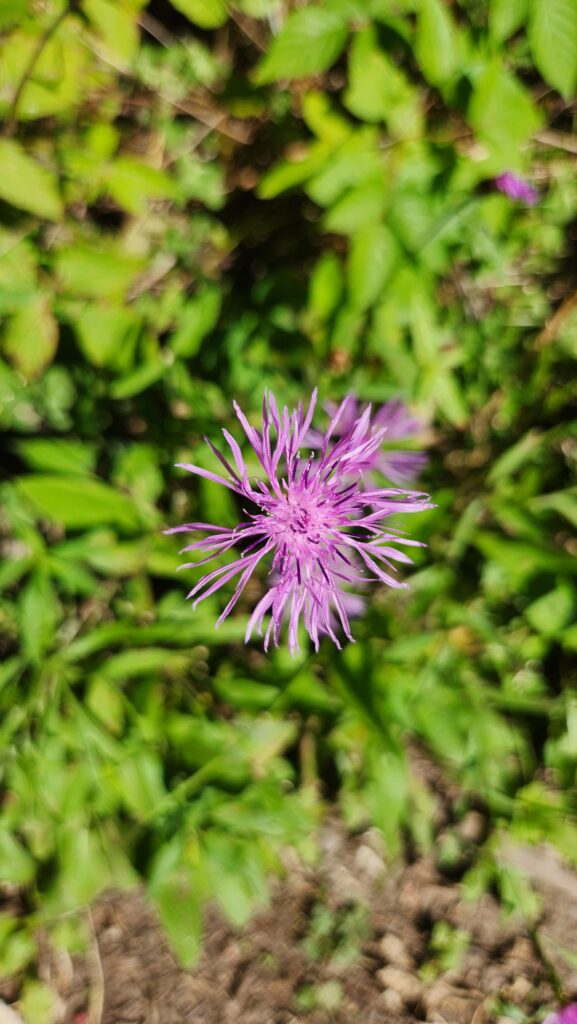
We headed back along the other side of the pond, looking through trees thinned, years ago, by beavers, and feeling refreshed by the return to a familiar place.
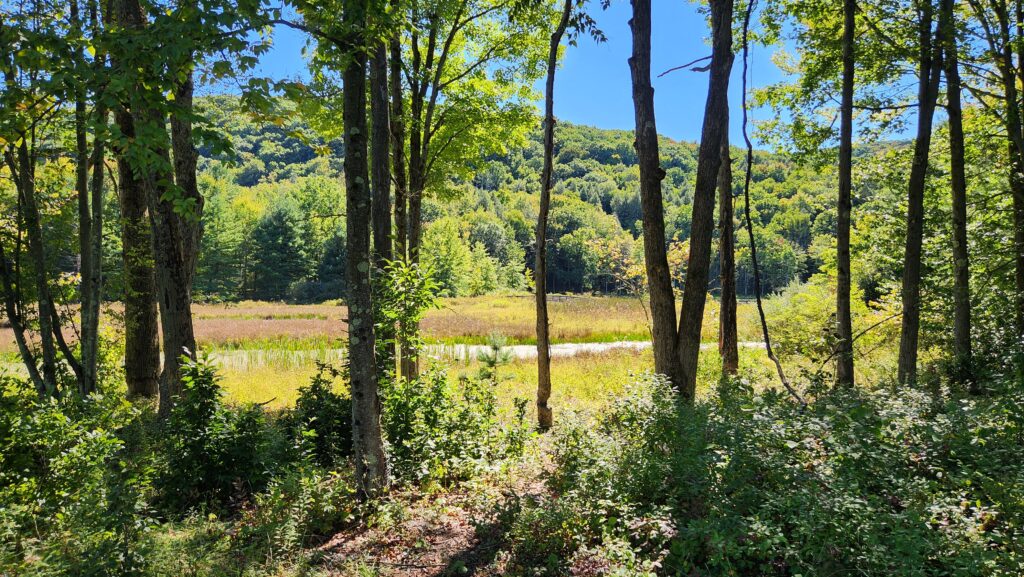
There’s something satisfying and stabilizing about observing these trails as they undergo seasonal change and natural succession.
-
Montezuma National Wildlife Refuge
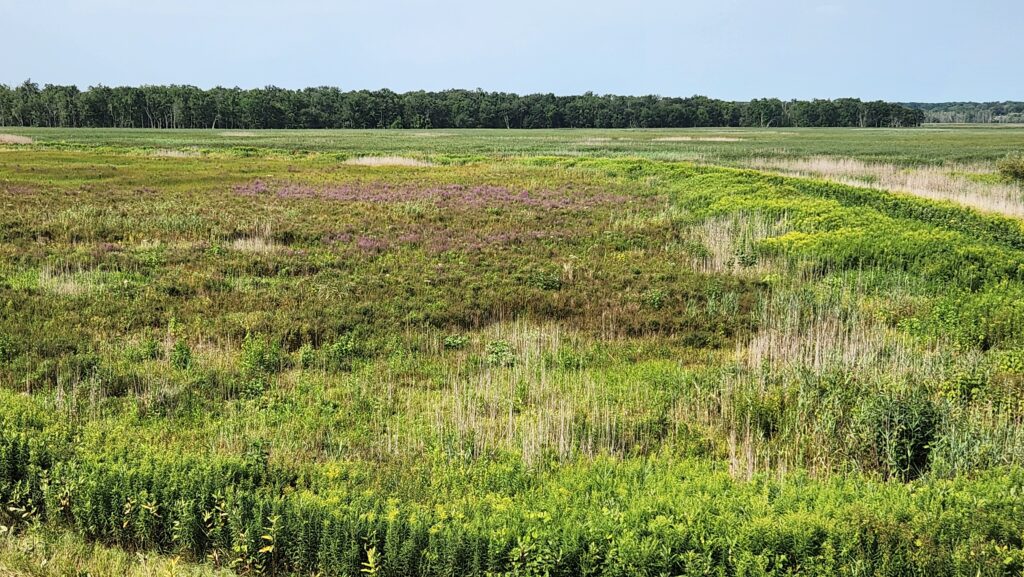
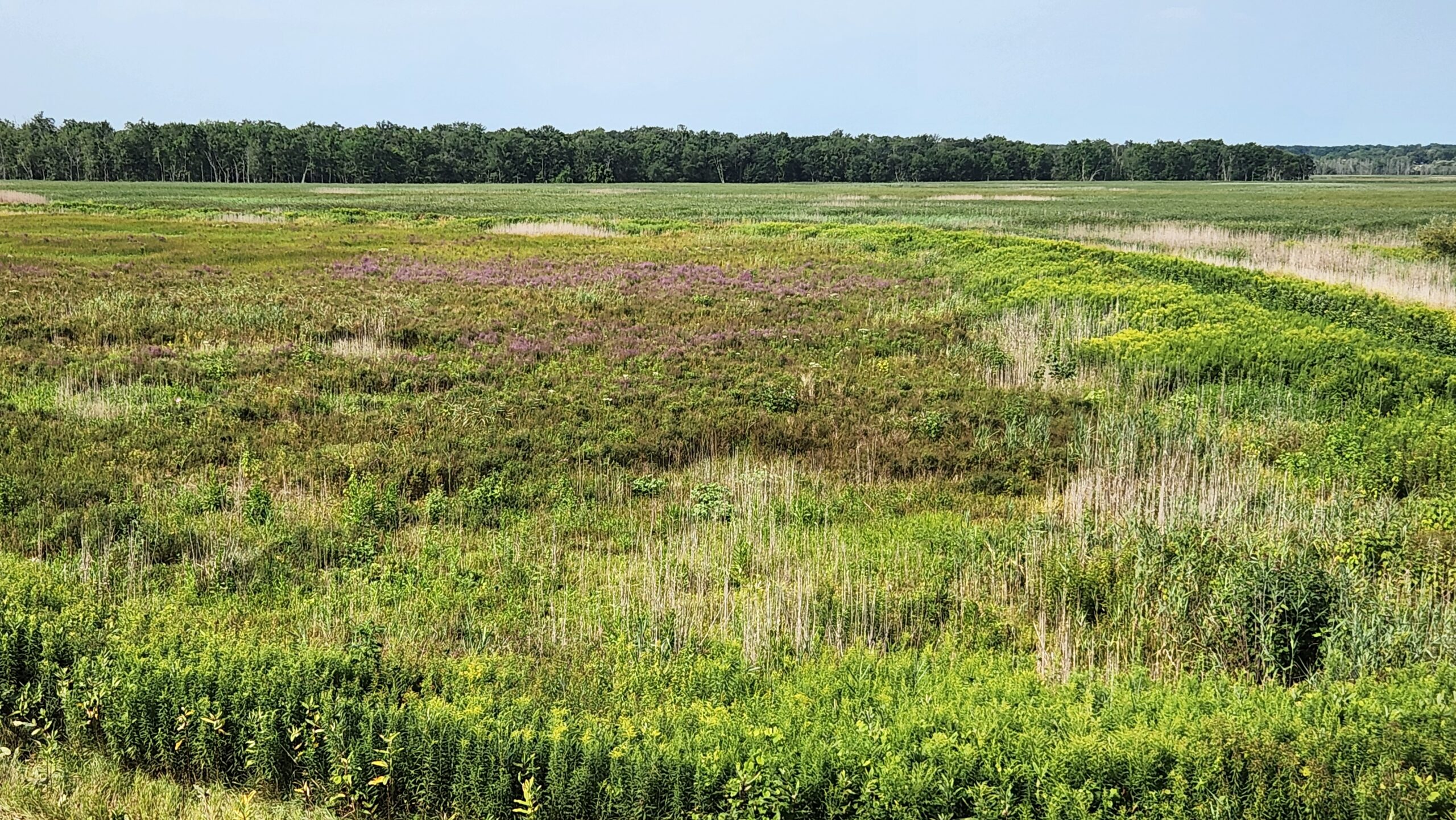
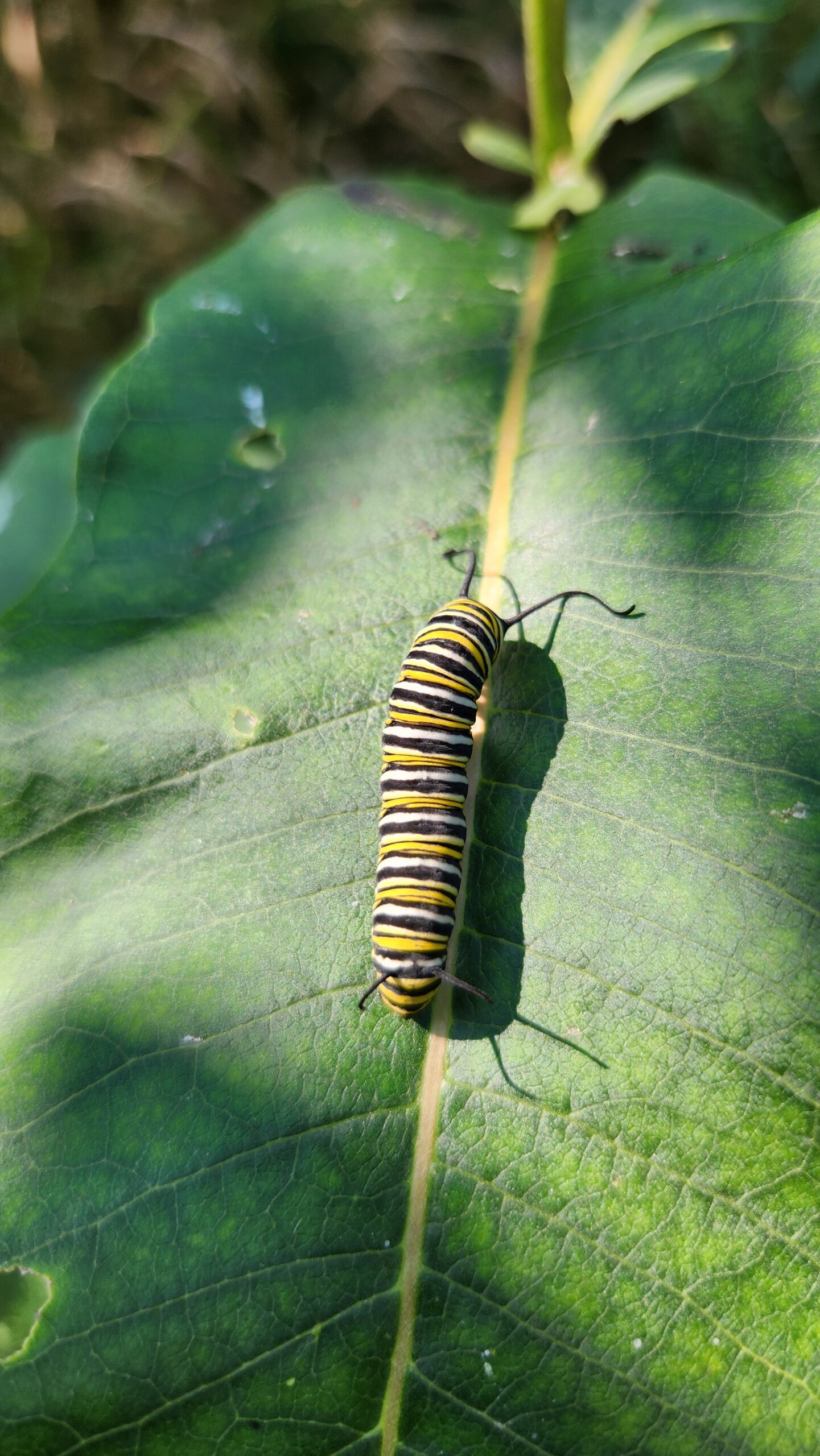
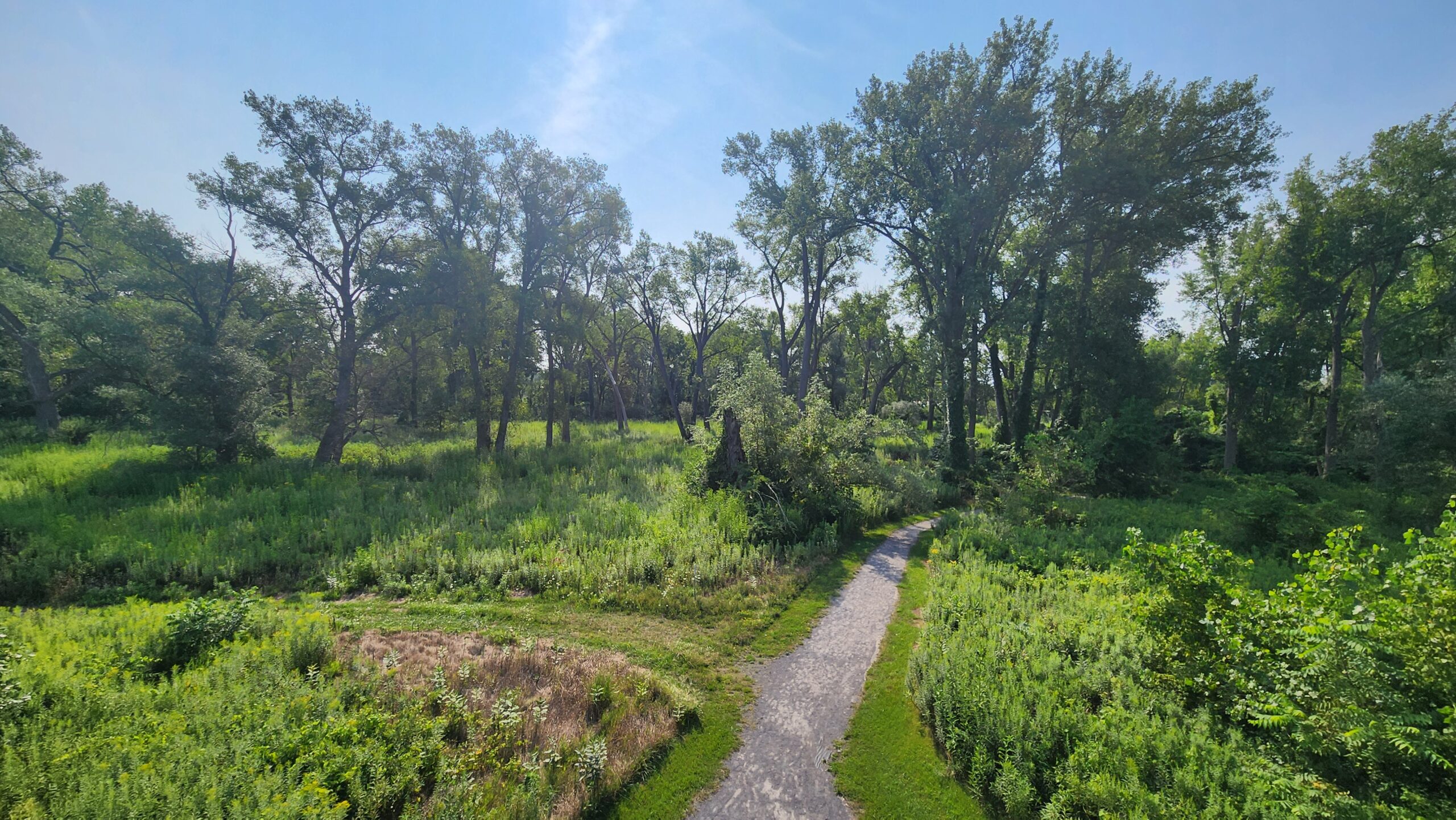
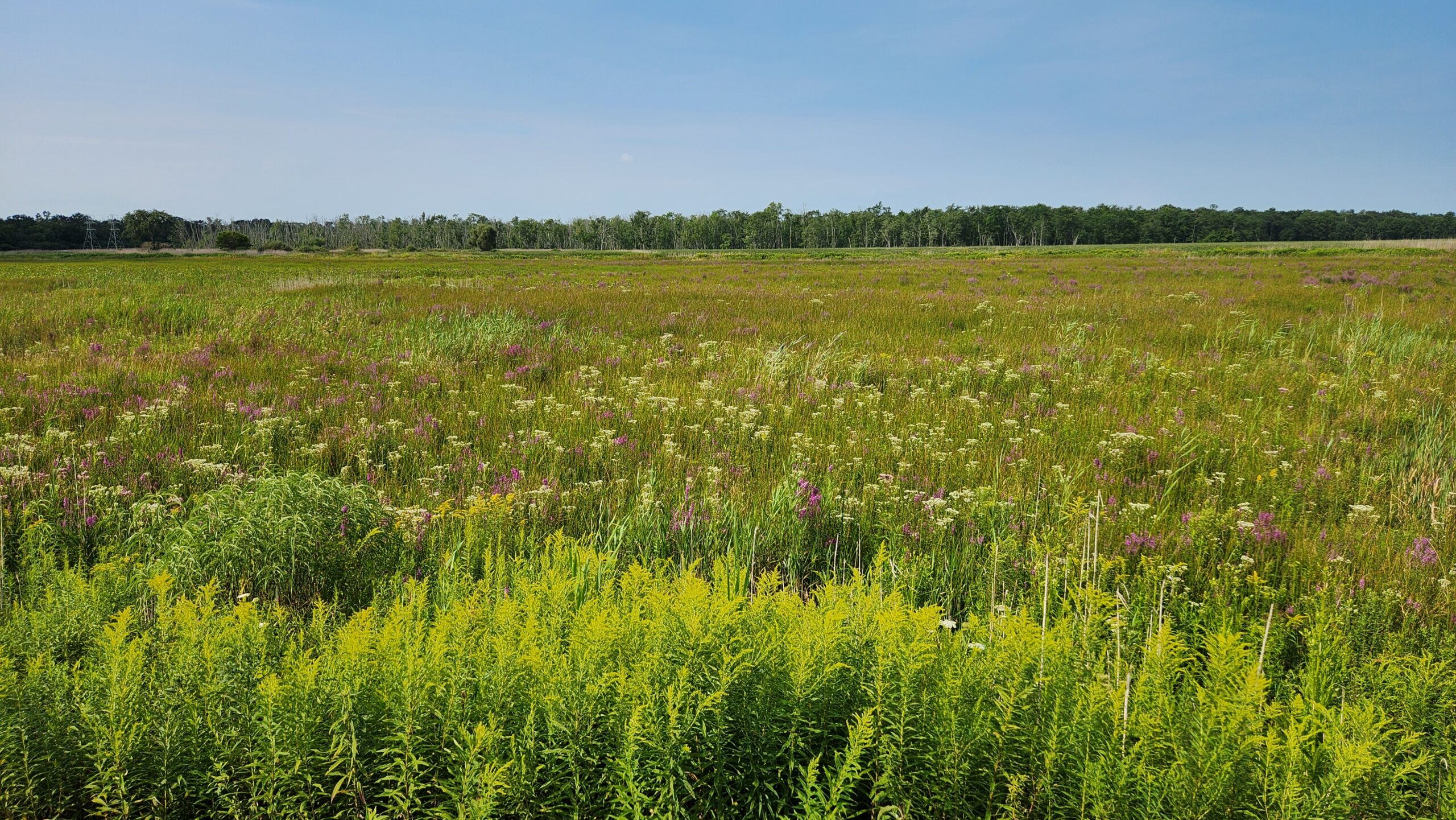
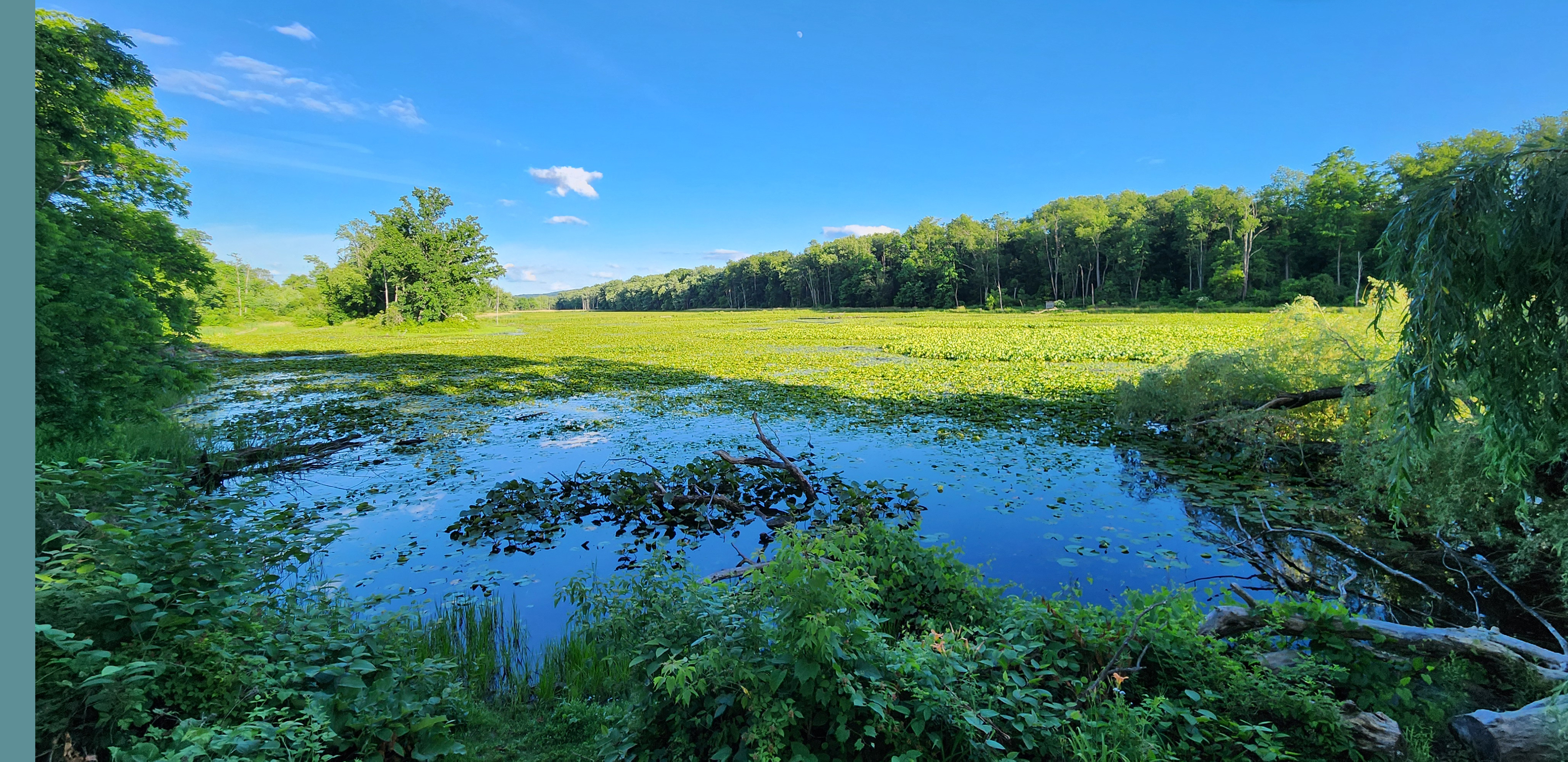
Back in mid-August, my husband and I visited this large wetland that hosts a variety of waterbirds, monarch butterflies, migratory birds and wildflowers.
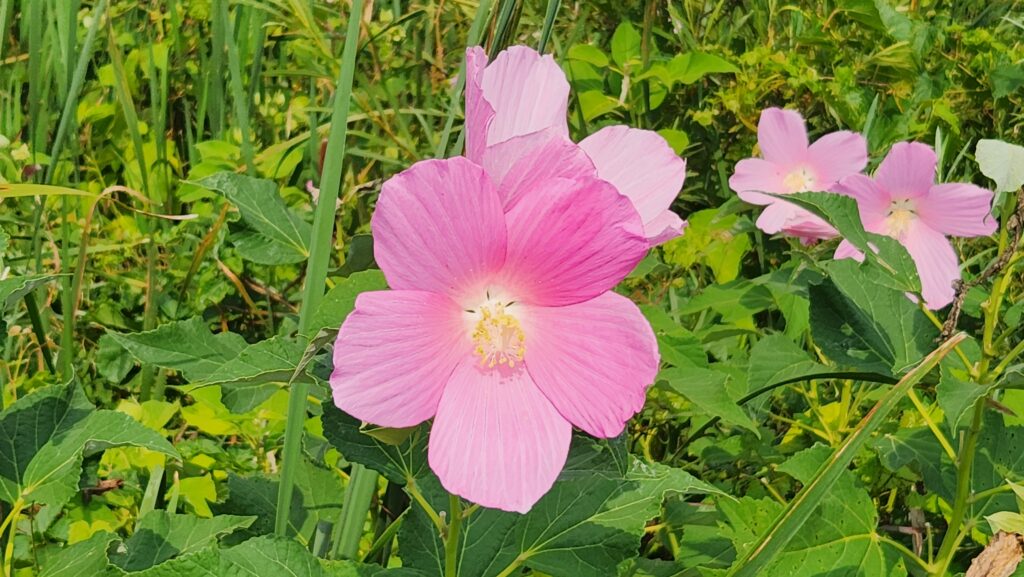
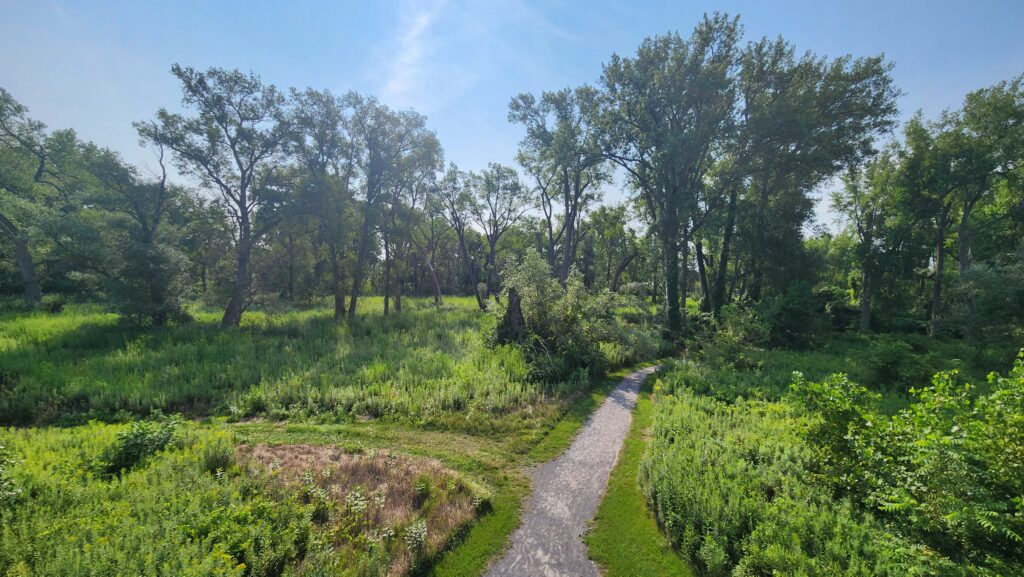
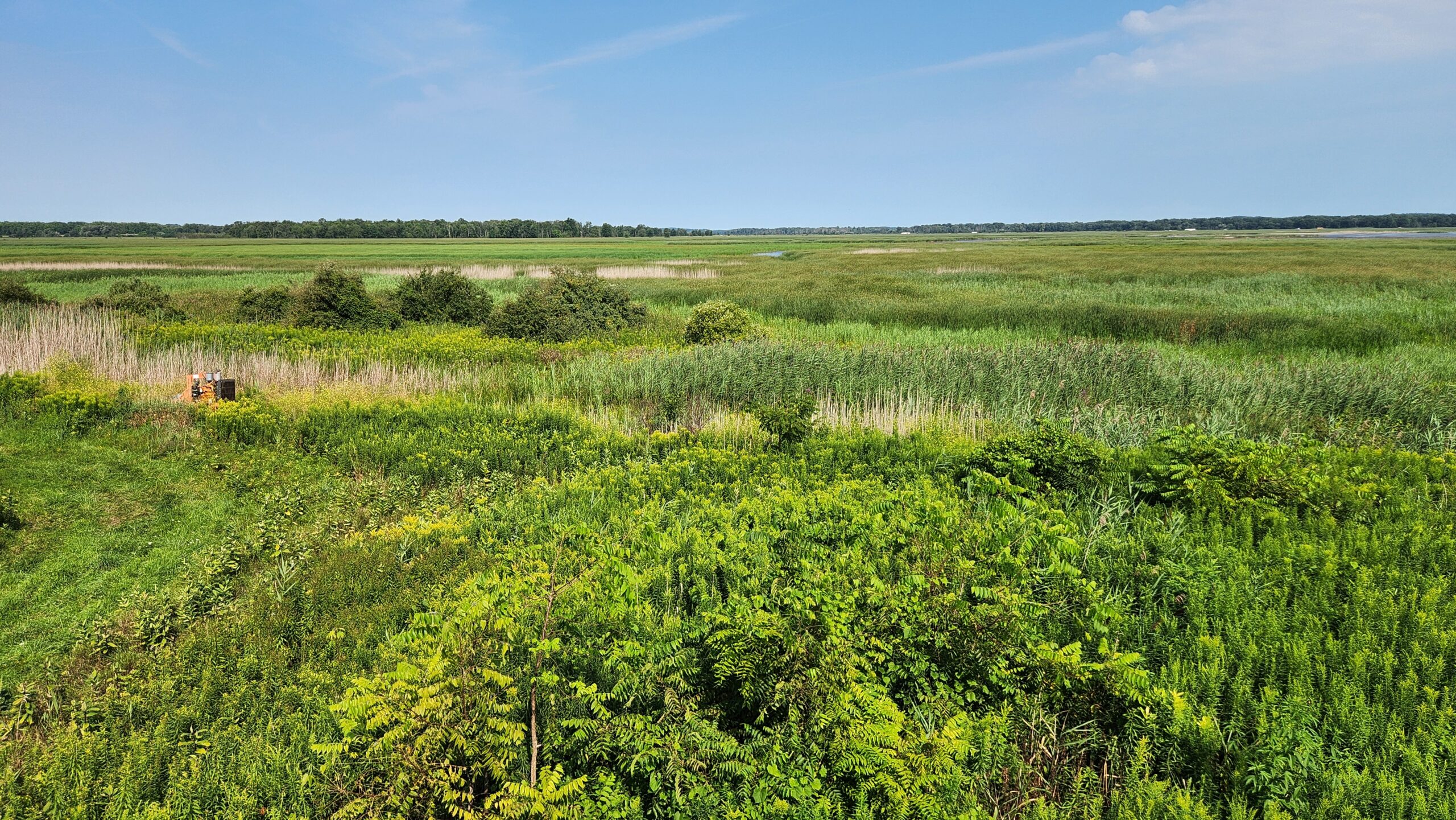
There’s a nature center, as well as an observation tower from which you can get a sense of the spaciousness of the marsh and the gracious heights of some of the woodland.
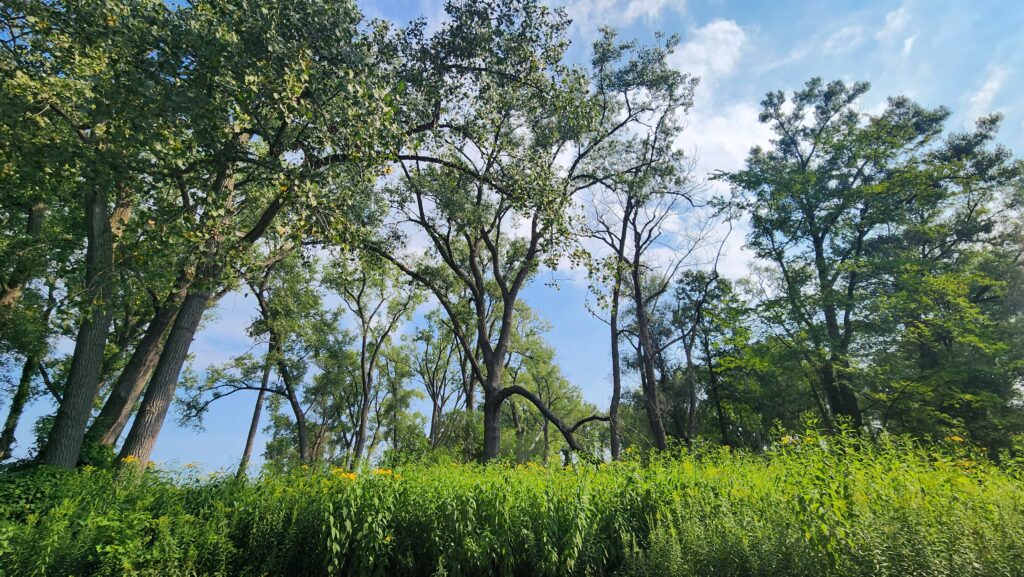
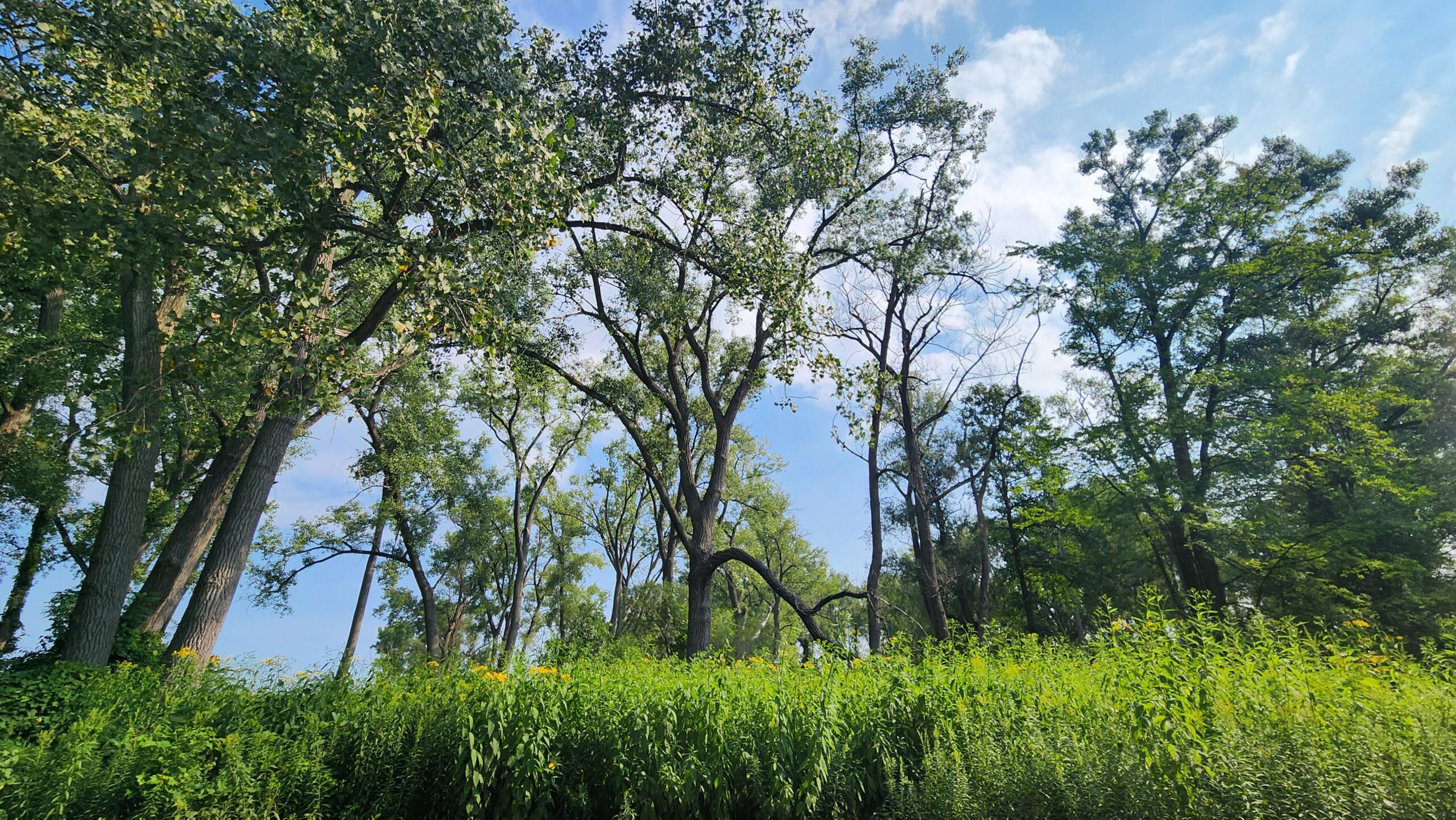
Of course, viewing from the ground up offers a more accurate sense of one’s importance in the grand scale of things.
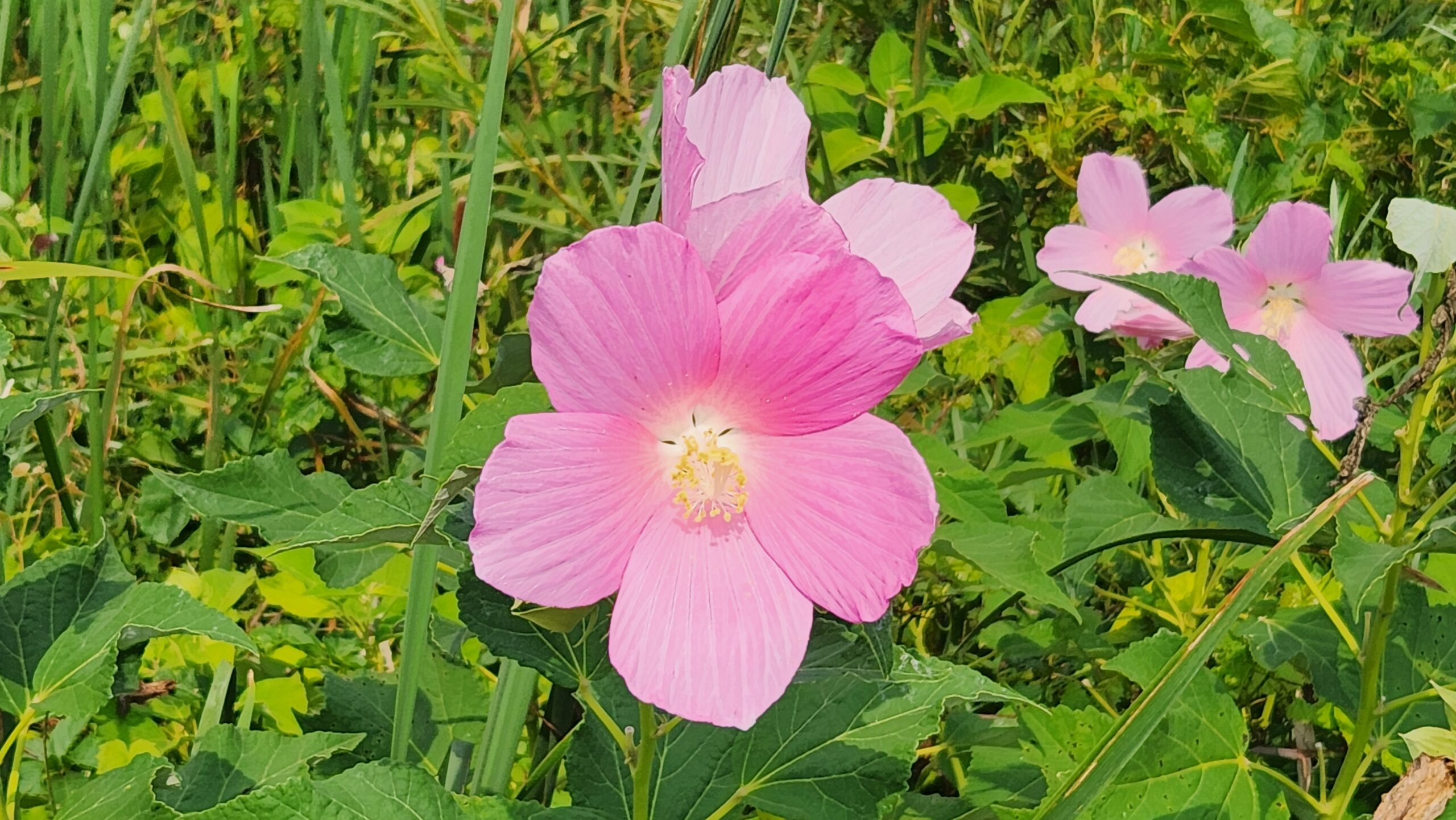
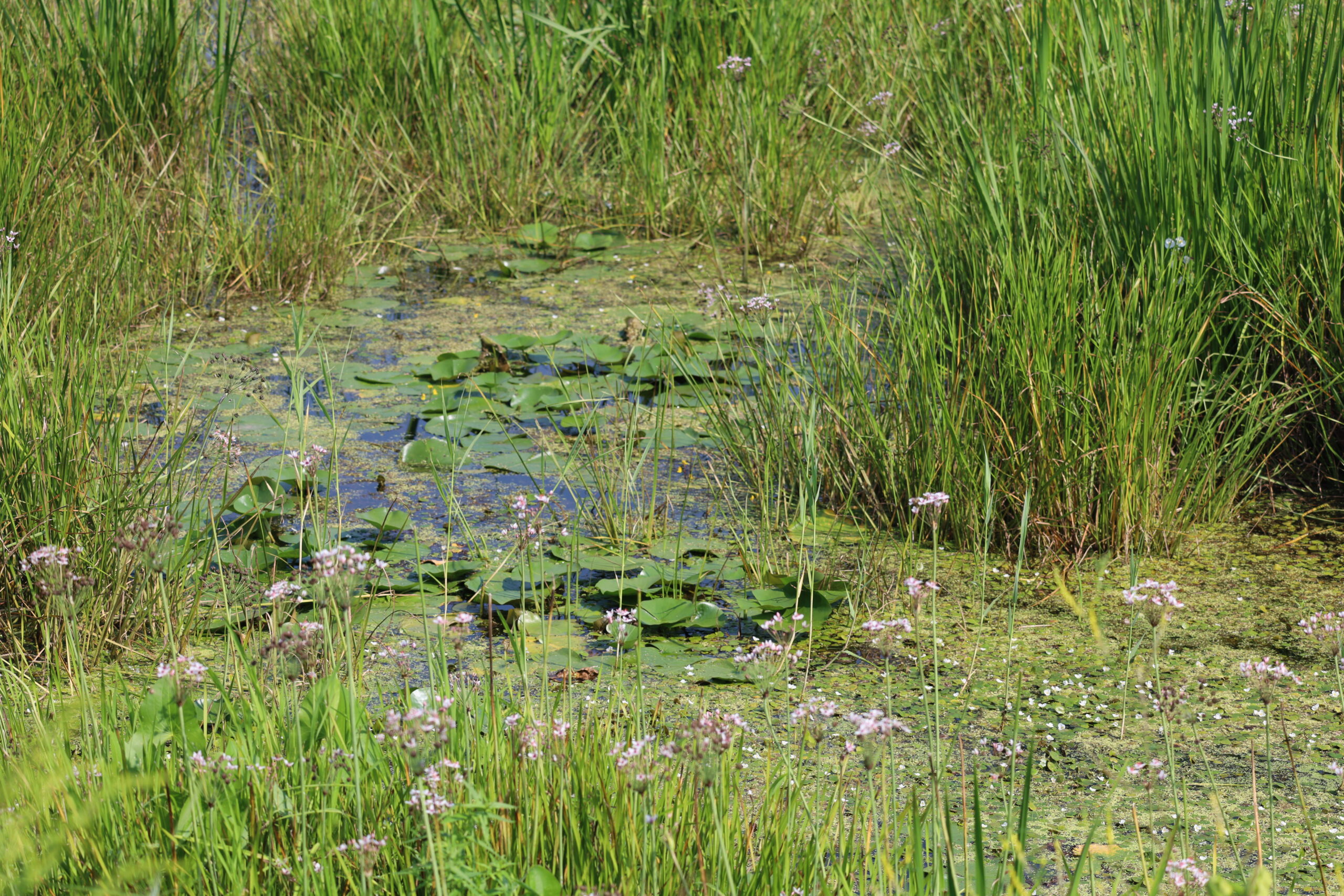
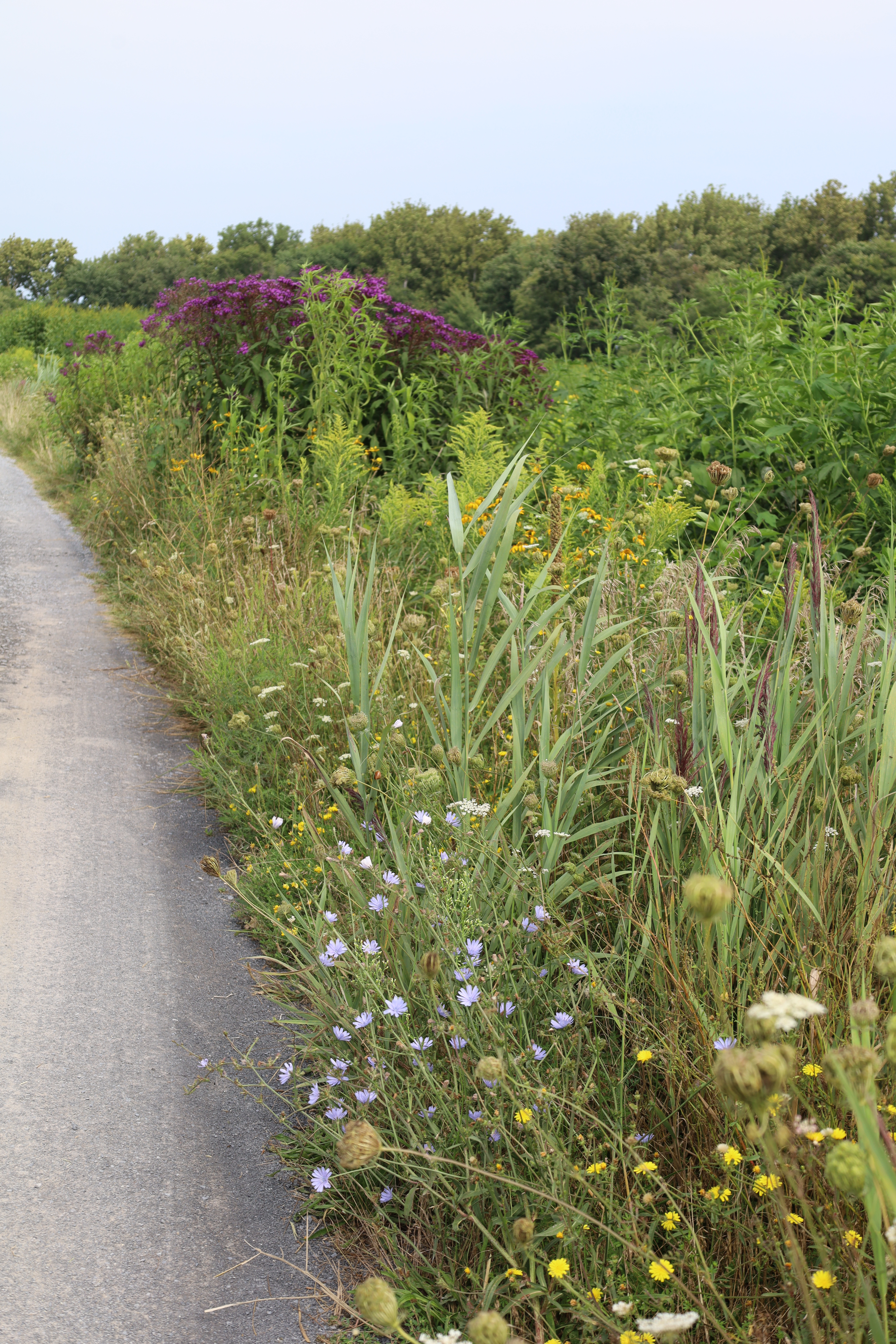
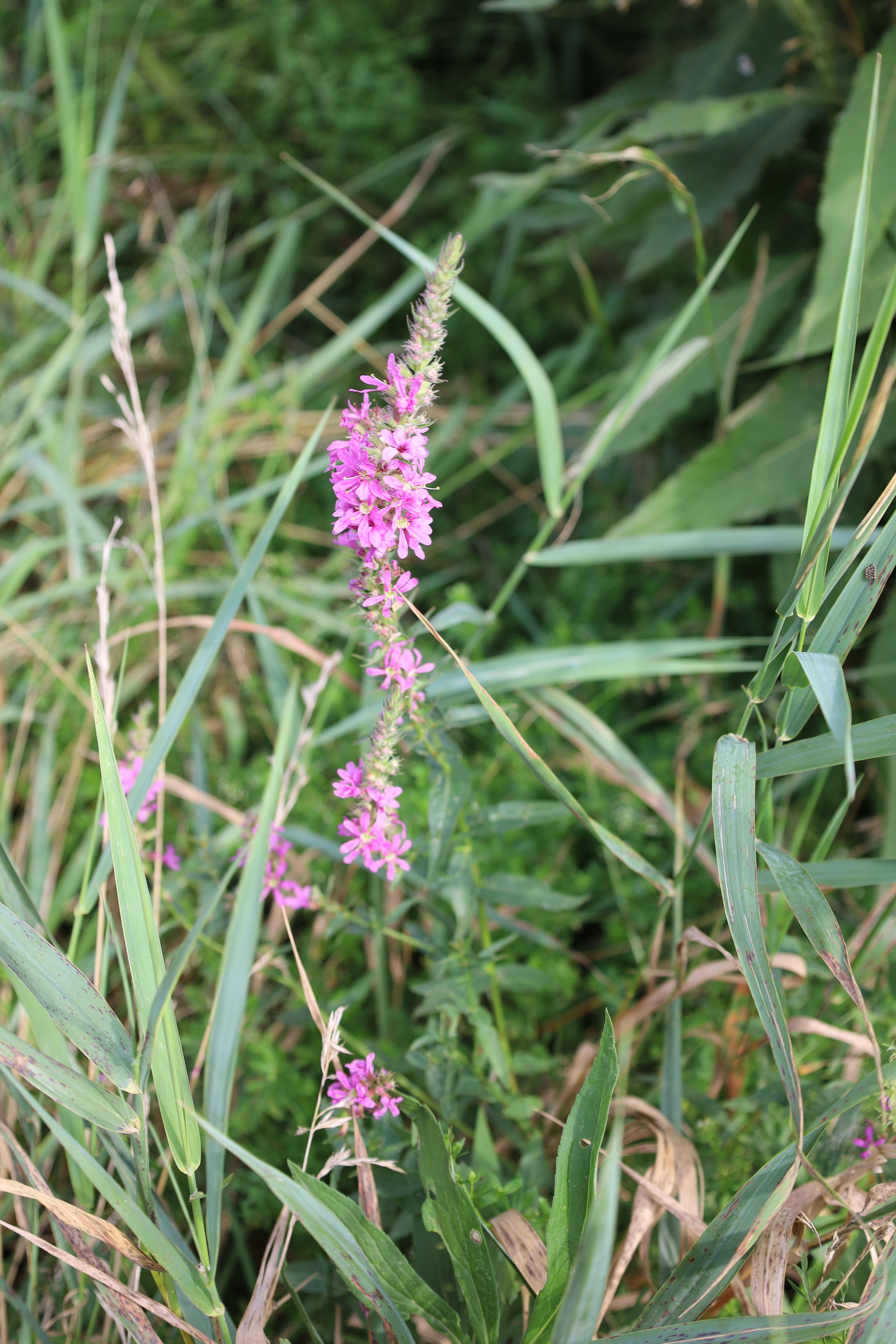
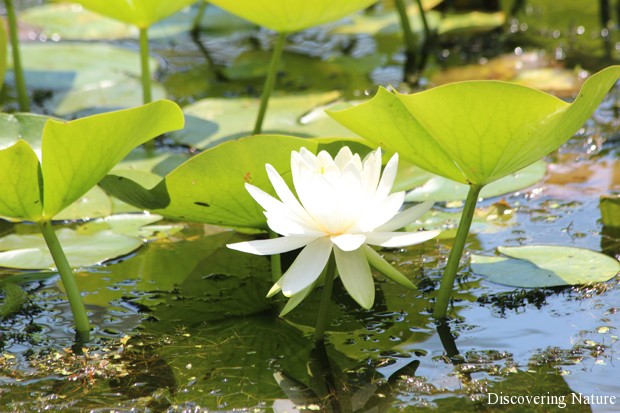
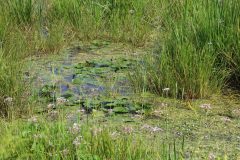
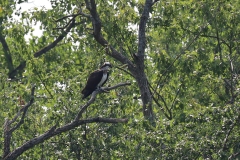
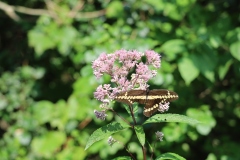
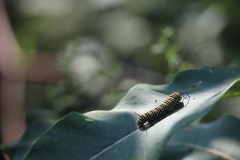
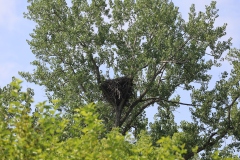
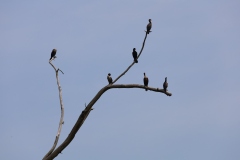
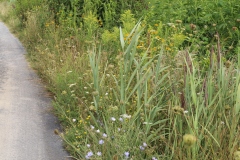
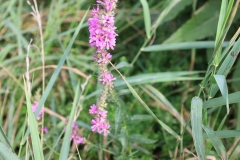
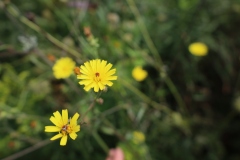
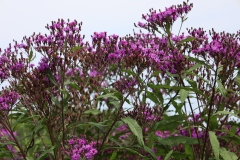
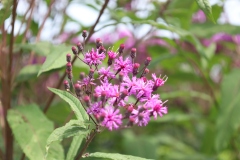
We walked the few main trails along the edge of the marsh and the nearby canal, then drove slowly along the dirt road through the marsh, stopping periodically to take pics of flowers or look at distant egrets through binoculars. This gallery captures some of the wildflowers and birds we came across.
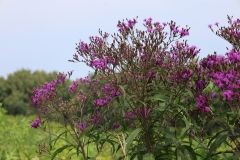
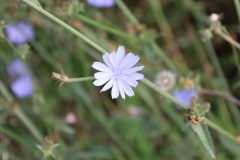
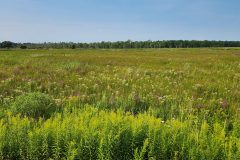
-
Outdoor Wanderings in the Outer Banks, NC
Nag’s Head Ecological Preserve
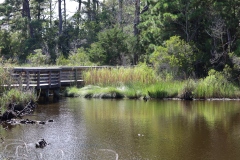
This year we took our “summer” vacation in September. Our first walk was to a familiar preserve, but at a more leisurely pace than previous visits.
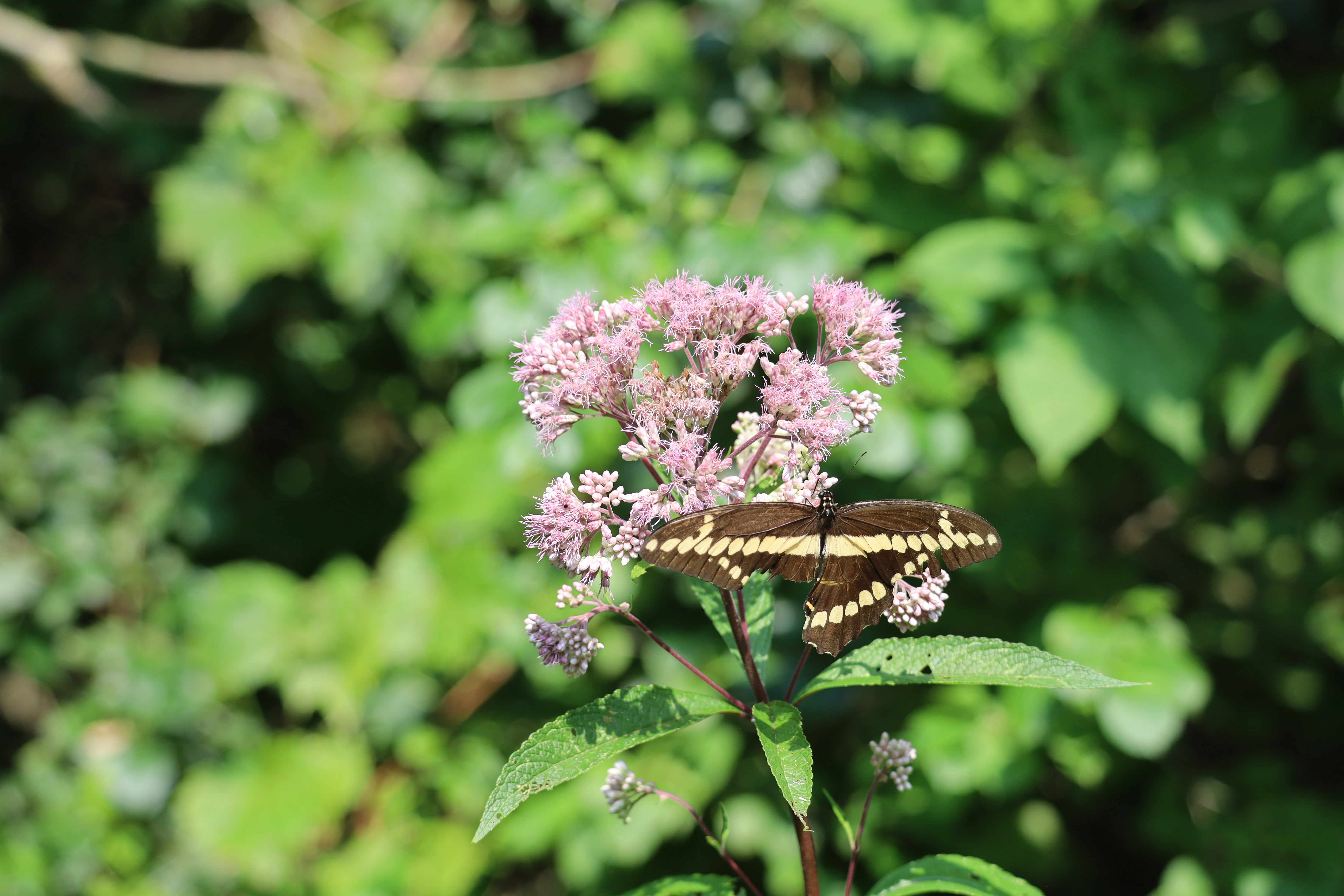
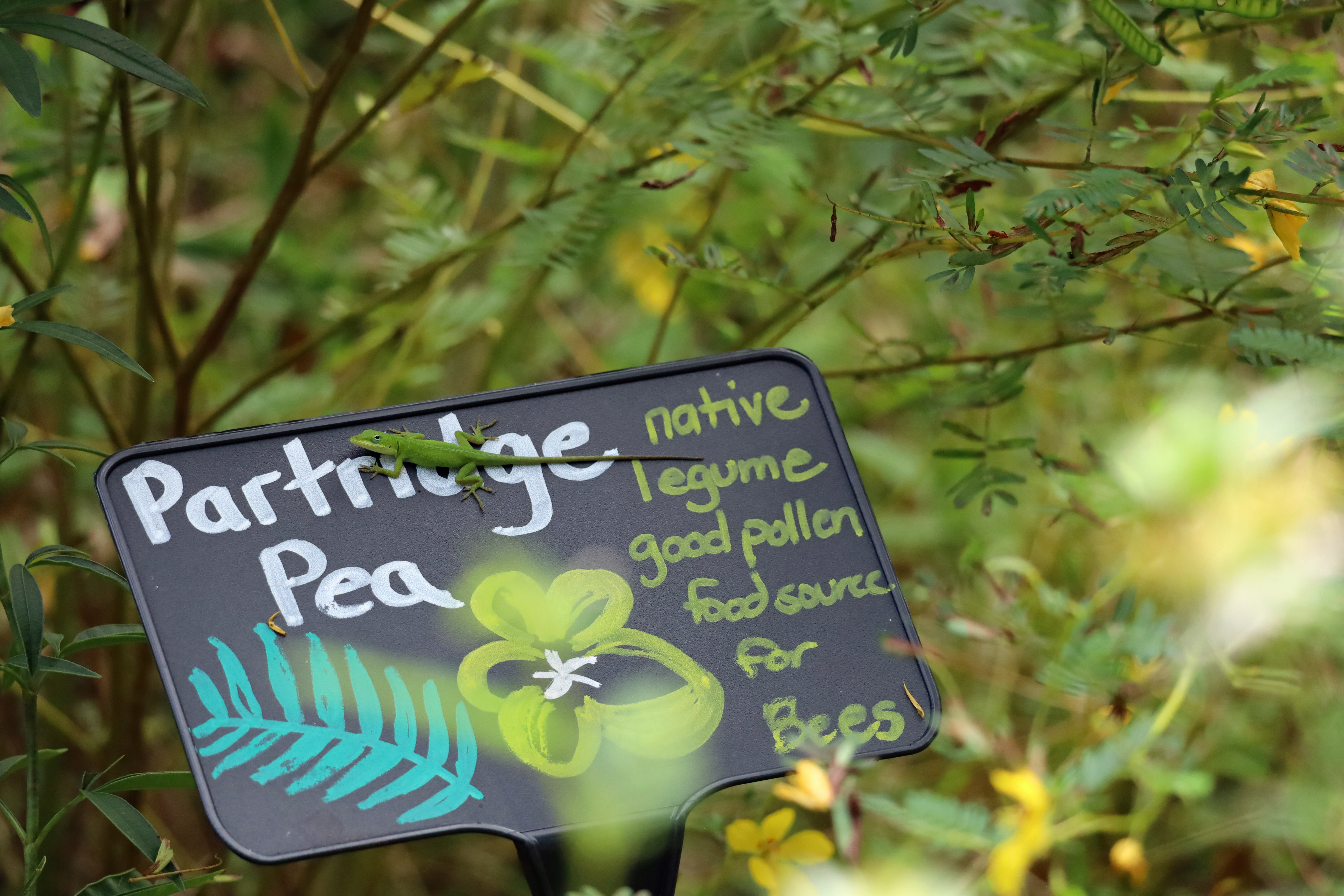
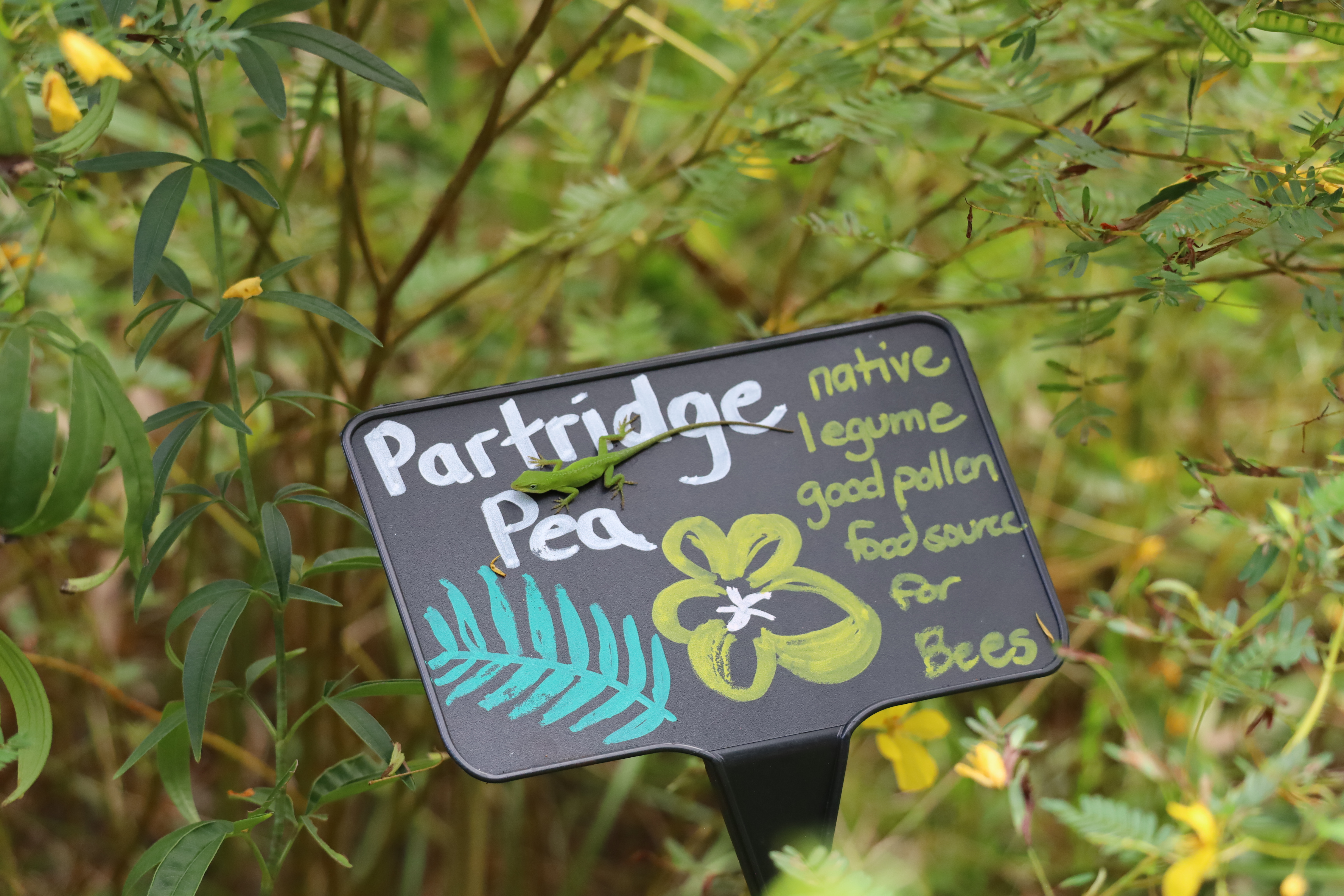
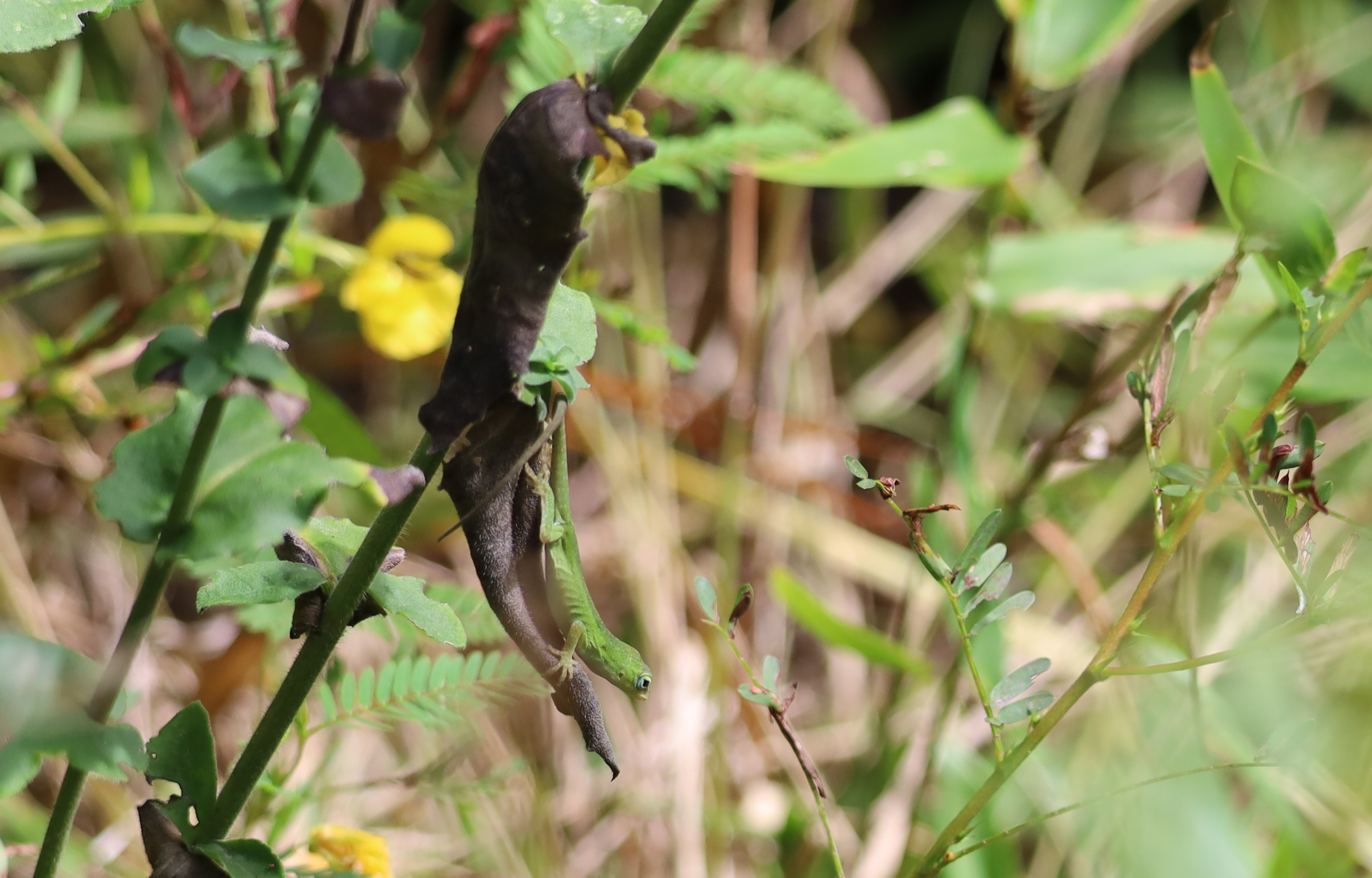
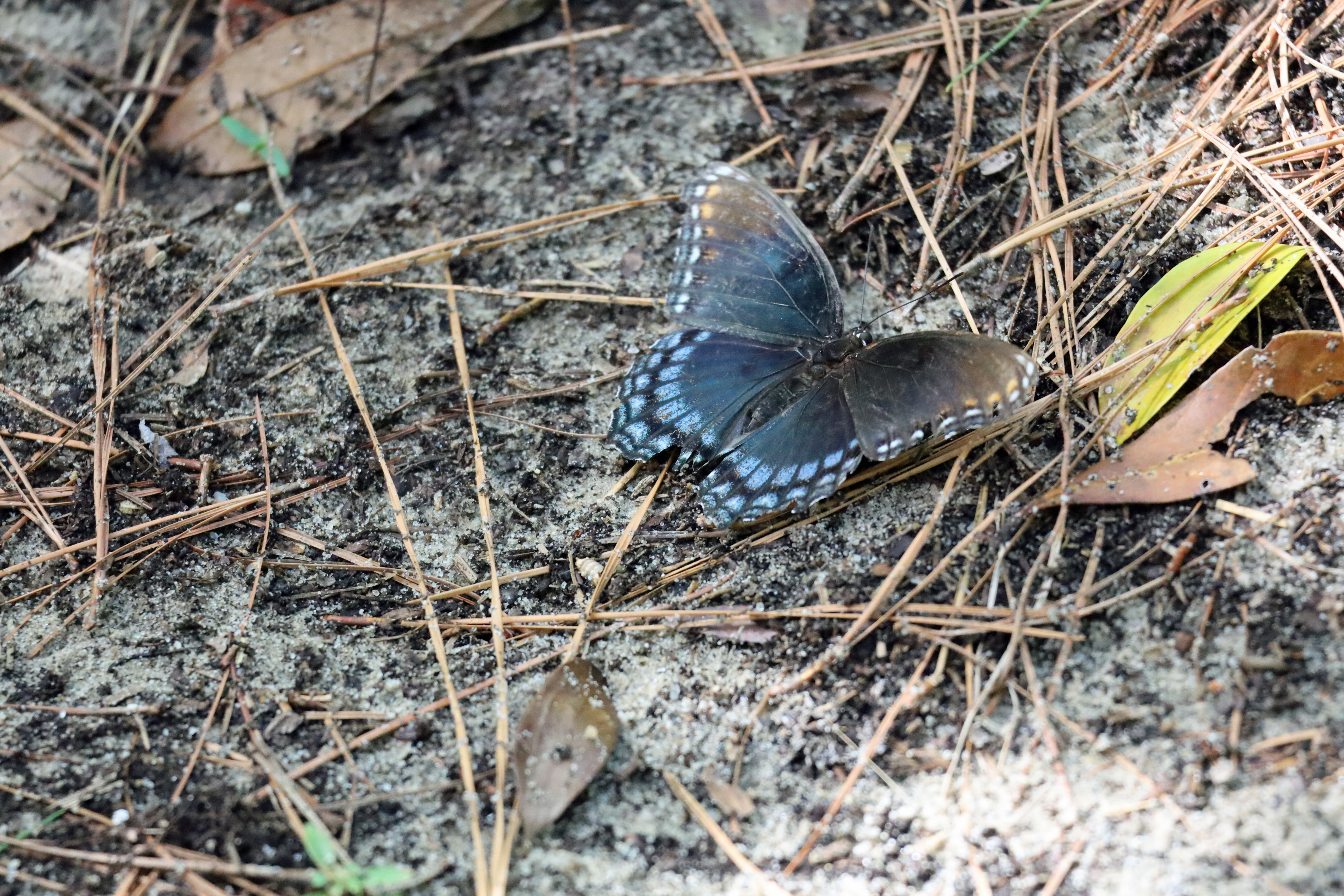
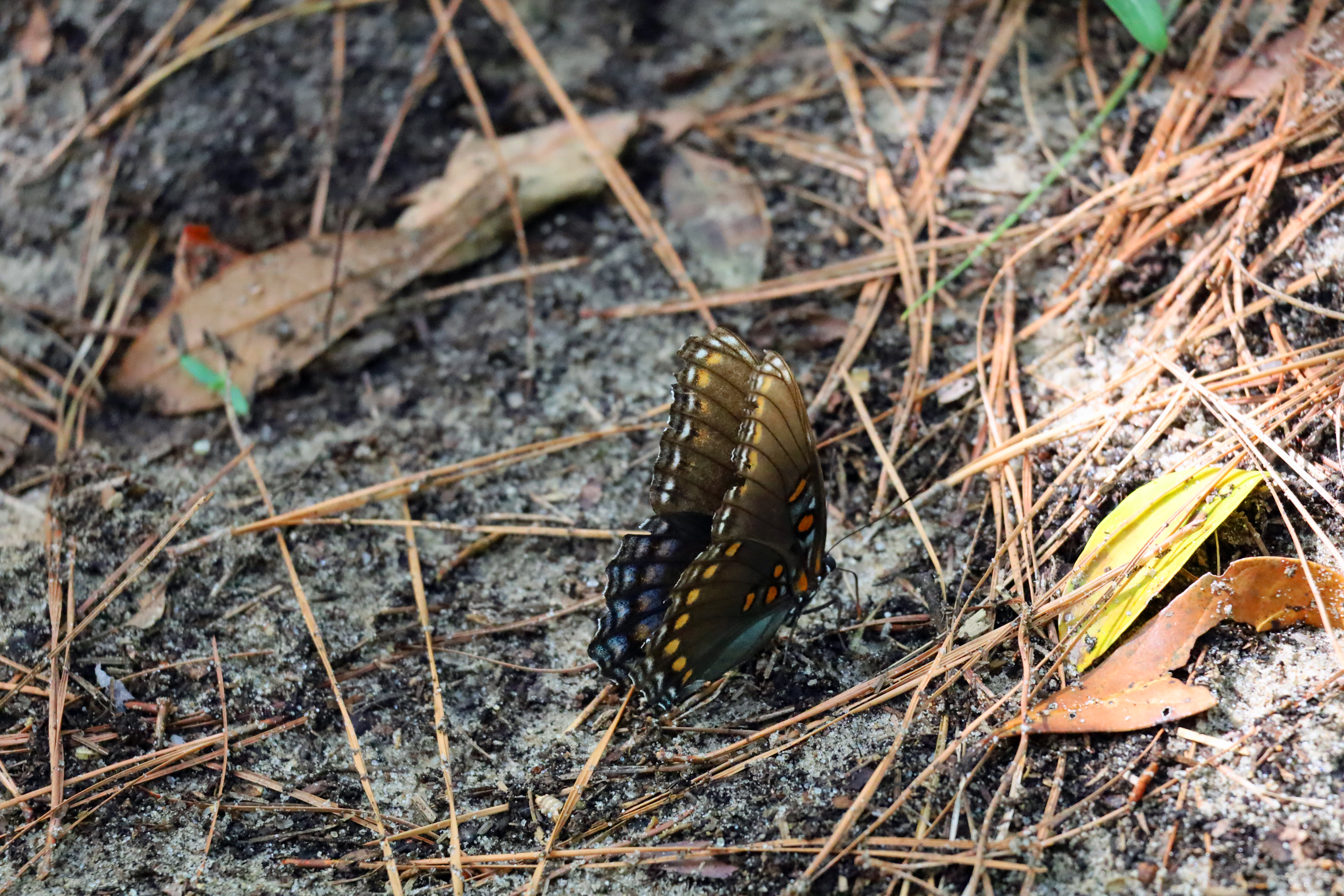
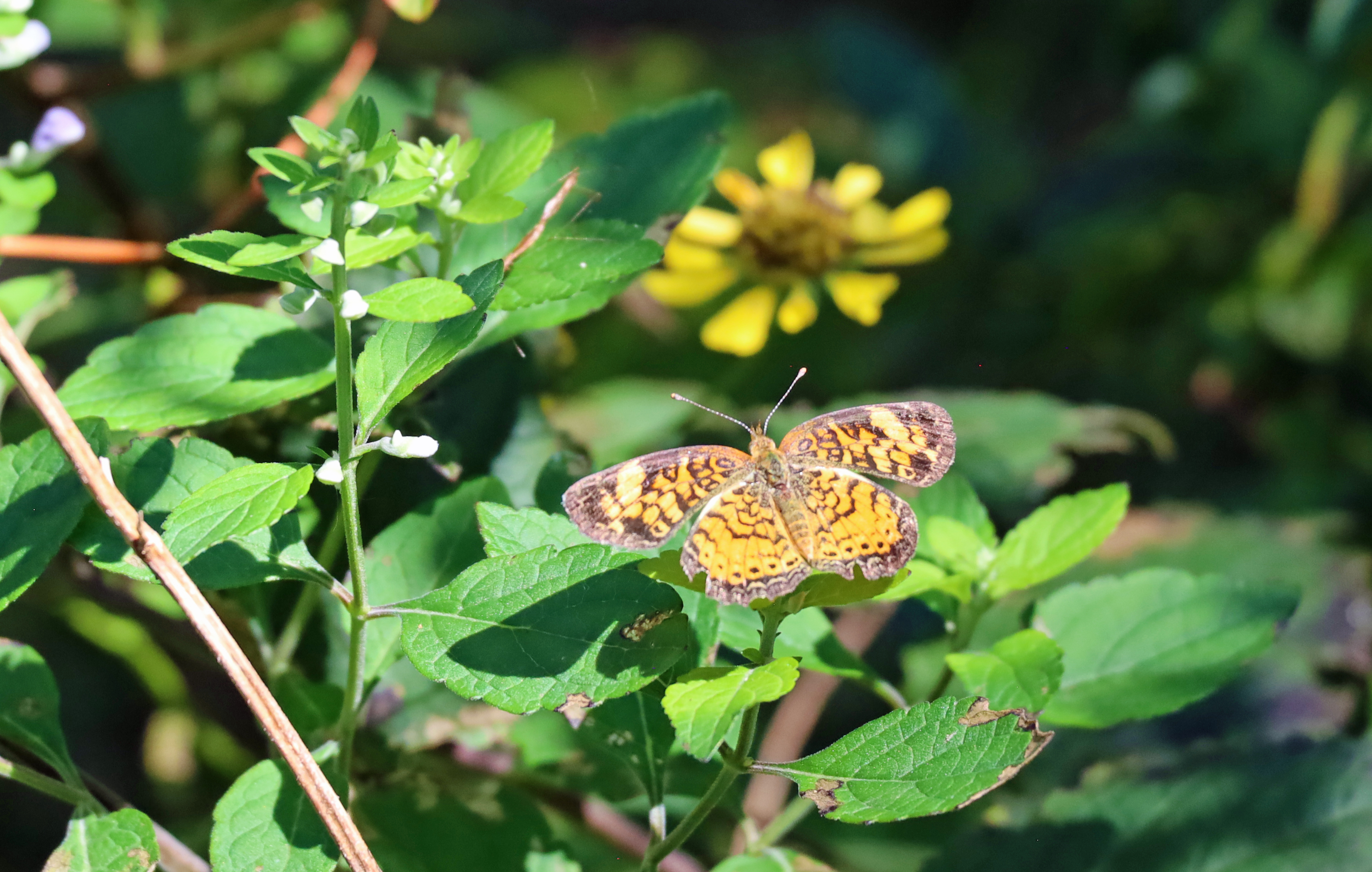
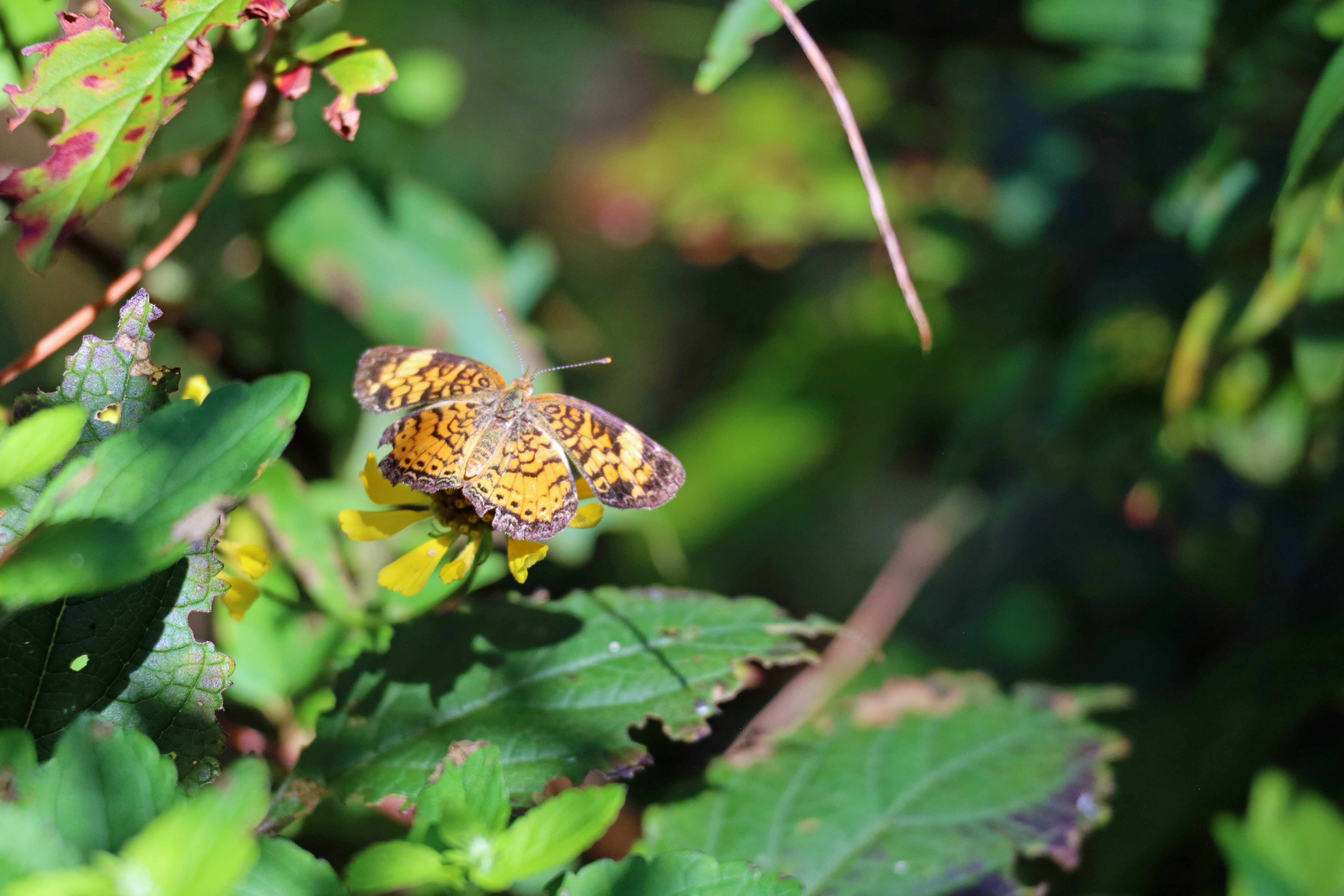
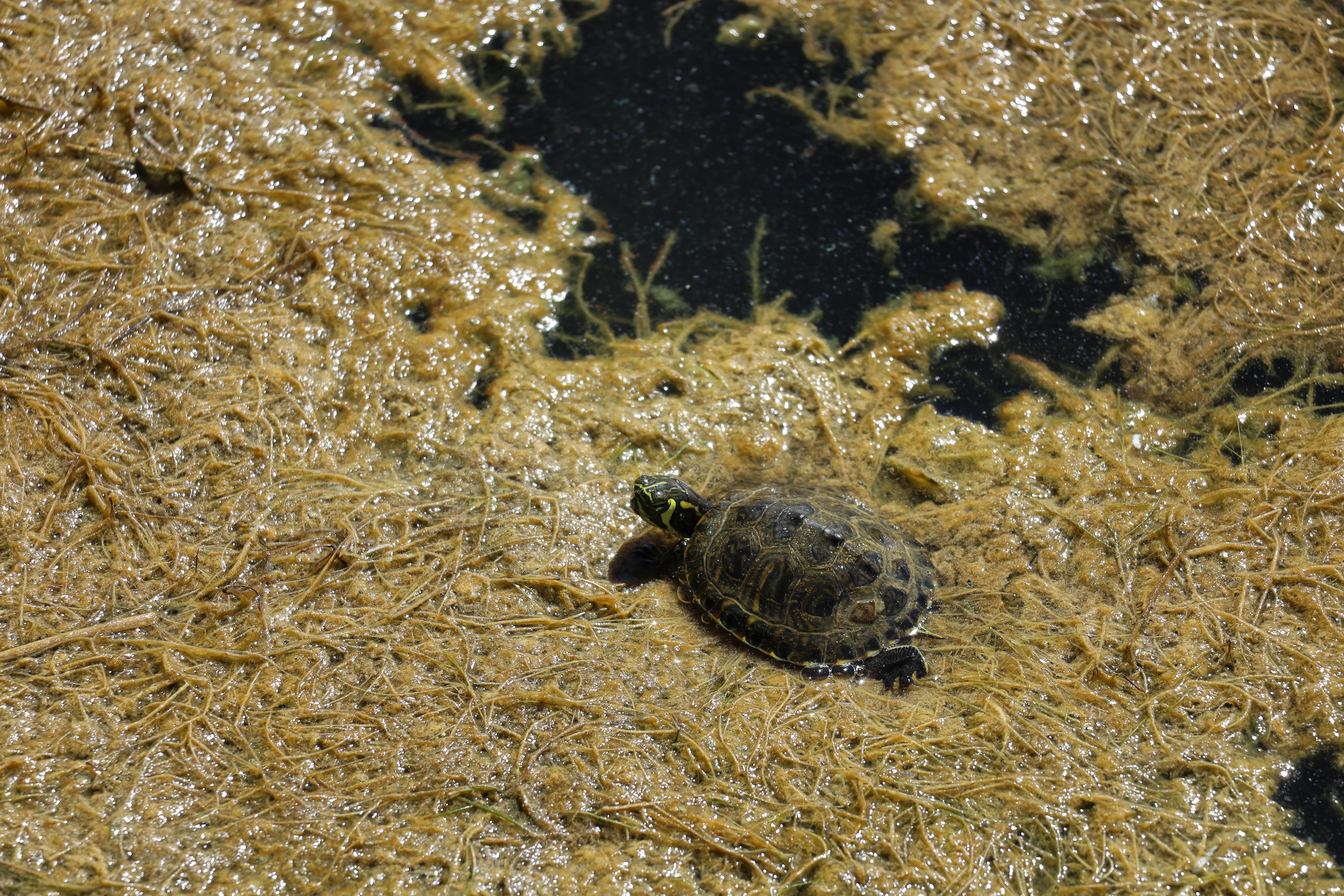
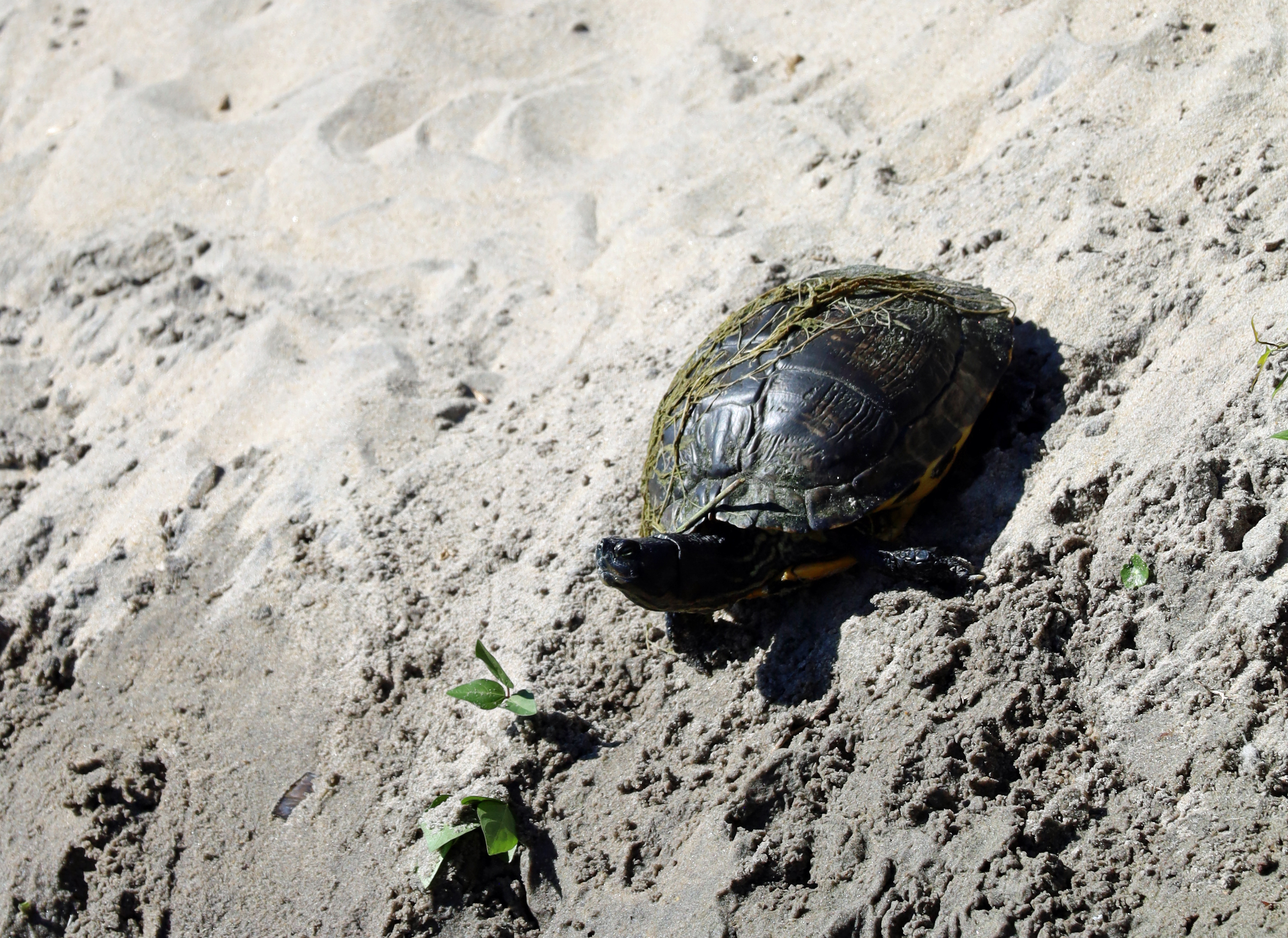
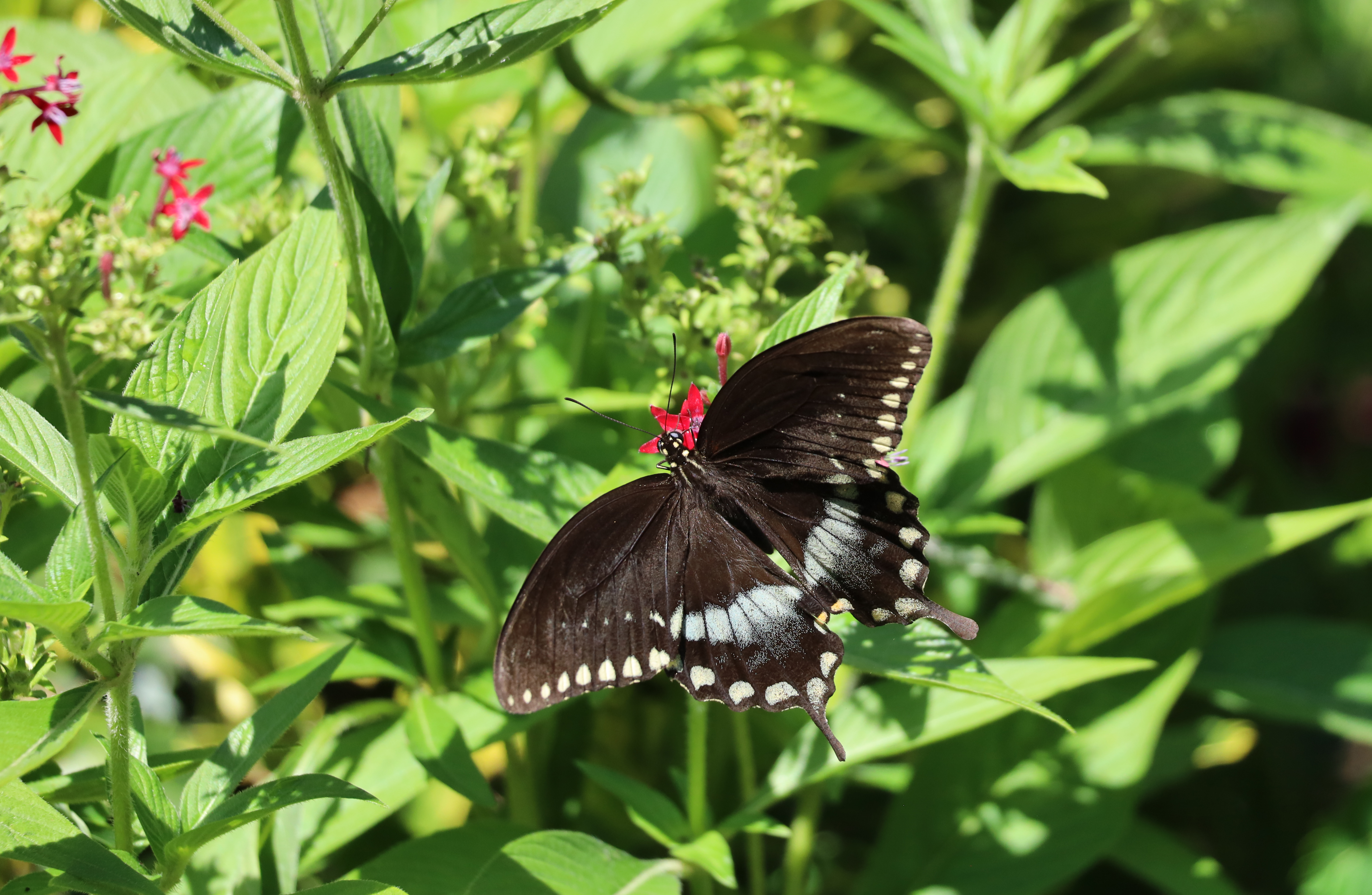
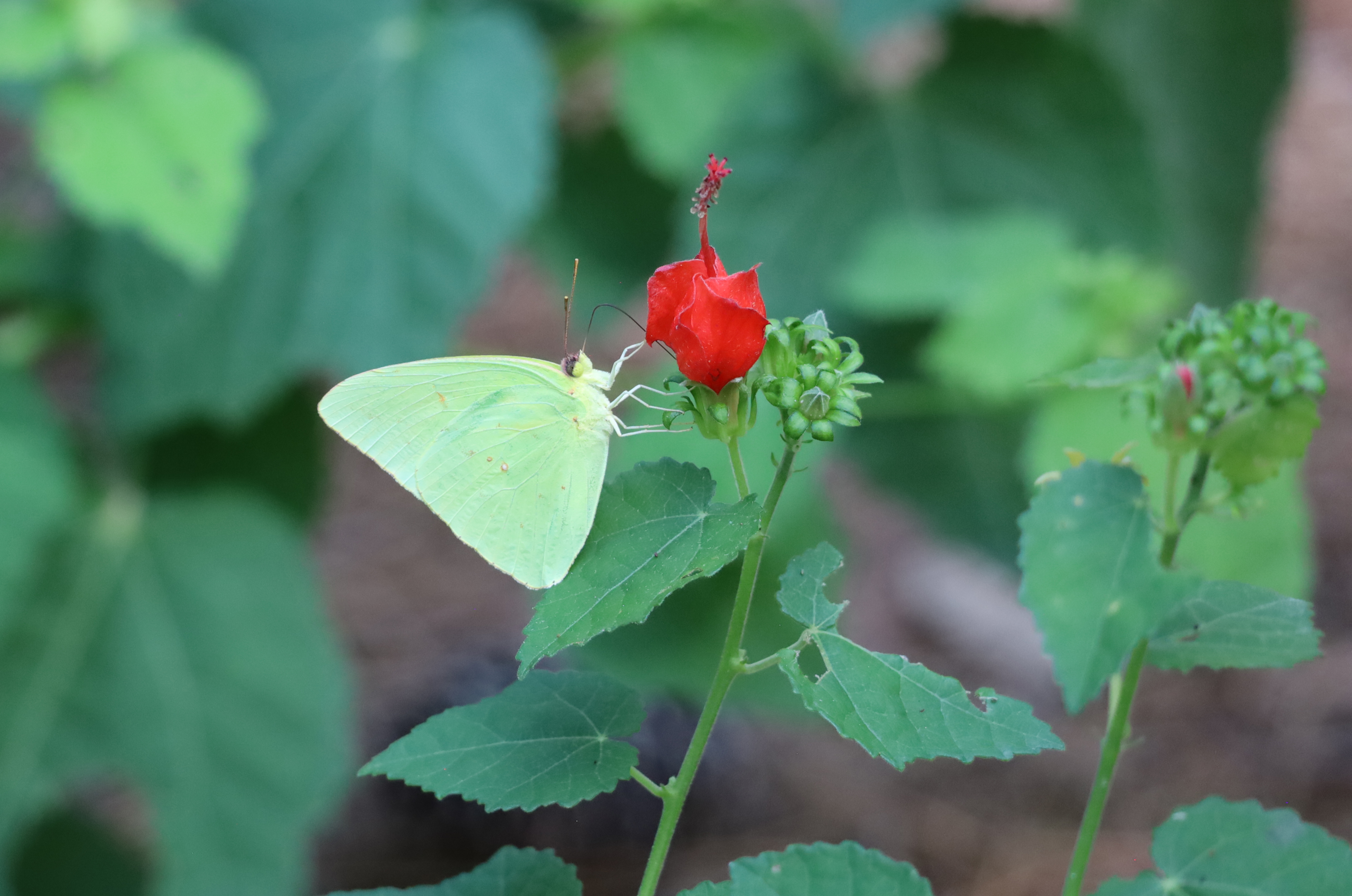
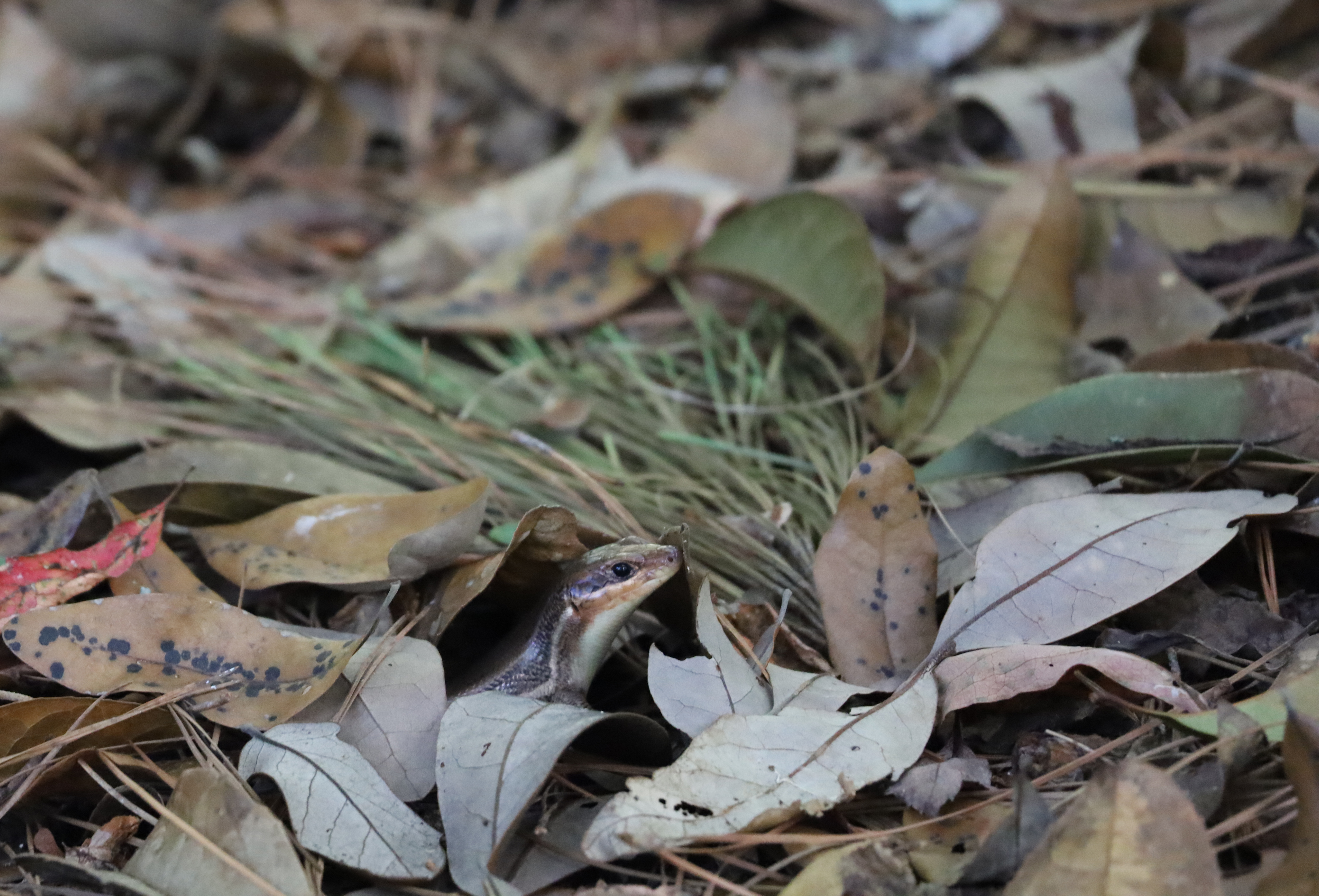
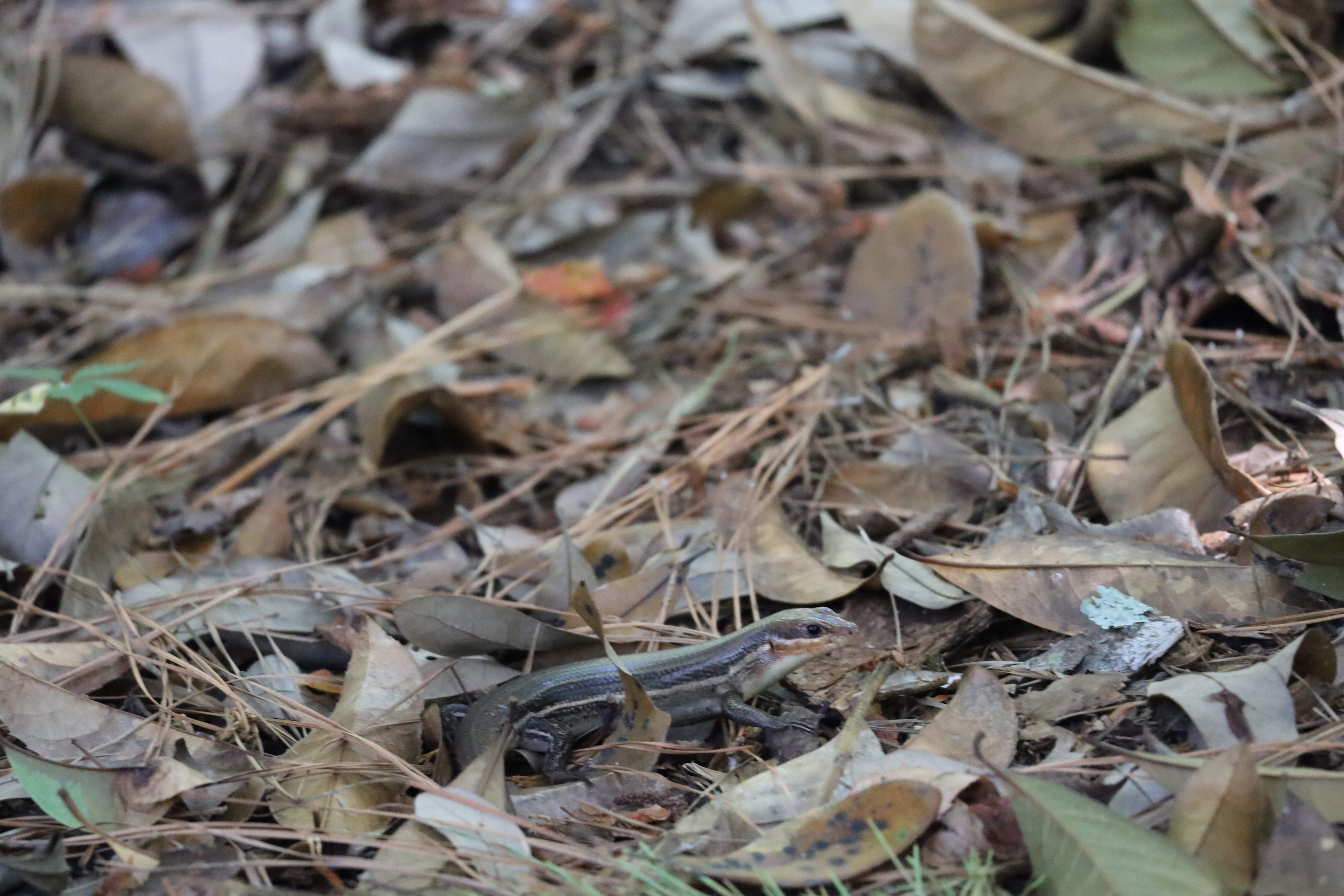
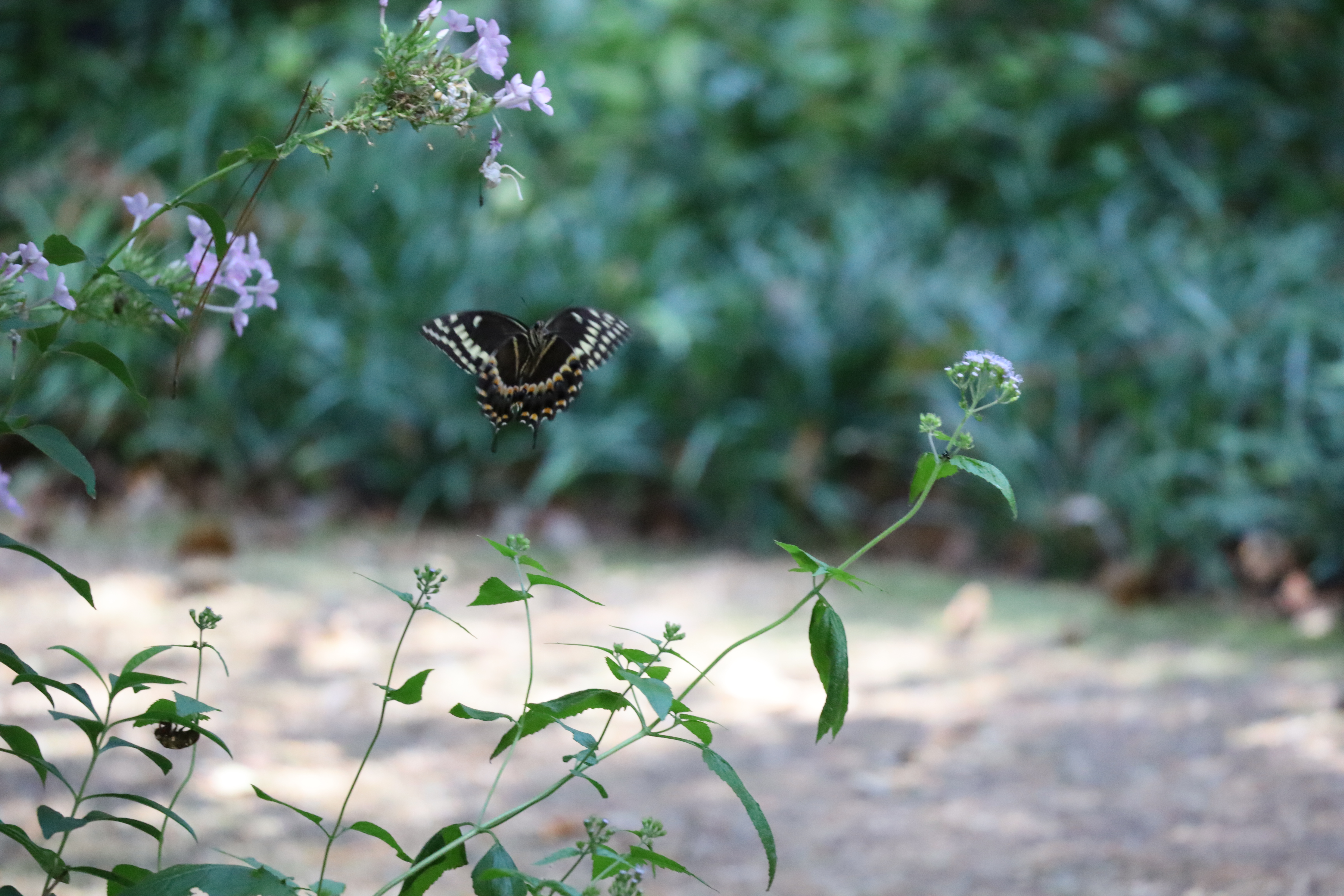
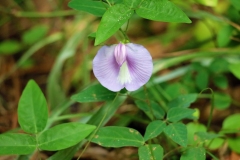
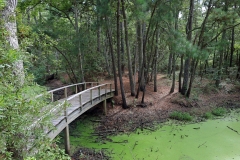
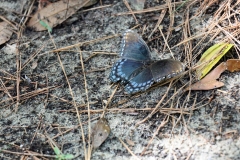
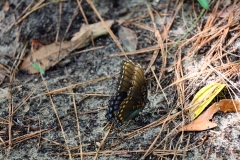
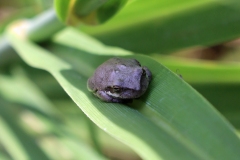
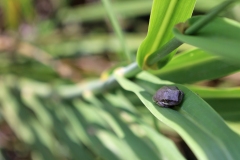
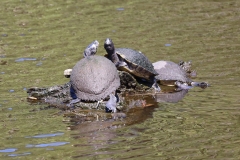
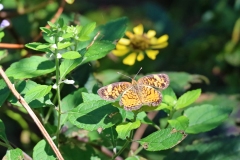
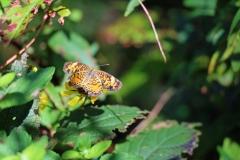
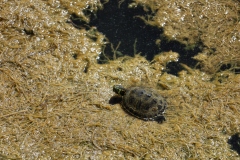
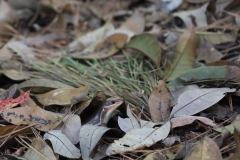
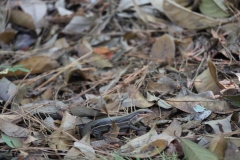
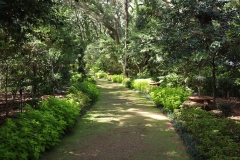
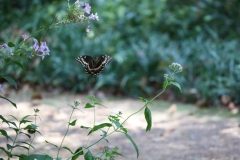
The butterflies were active; I never got a shot of either a yellow or grand swallowtail, though they were fluttering everywhere. The ones I did photograph seemed a bit faded, though still lovely. Lizards, turtles, frogs and flowers were a feast for the eyes.
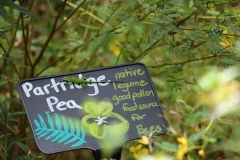
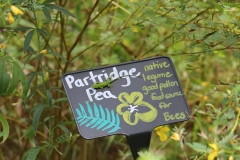
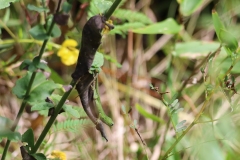
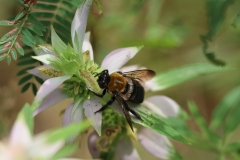
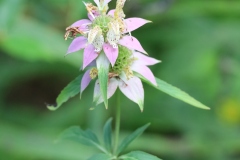
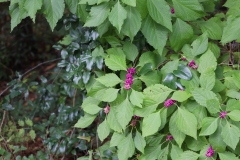
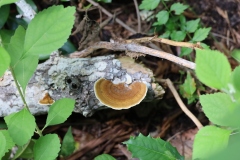
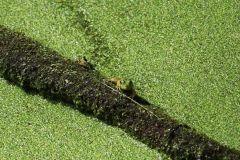
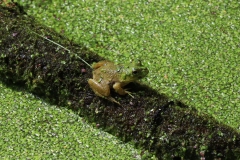
Pea Island National Wildlife Refuge
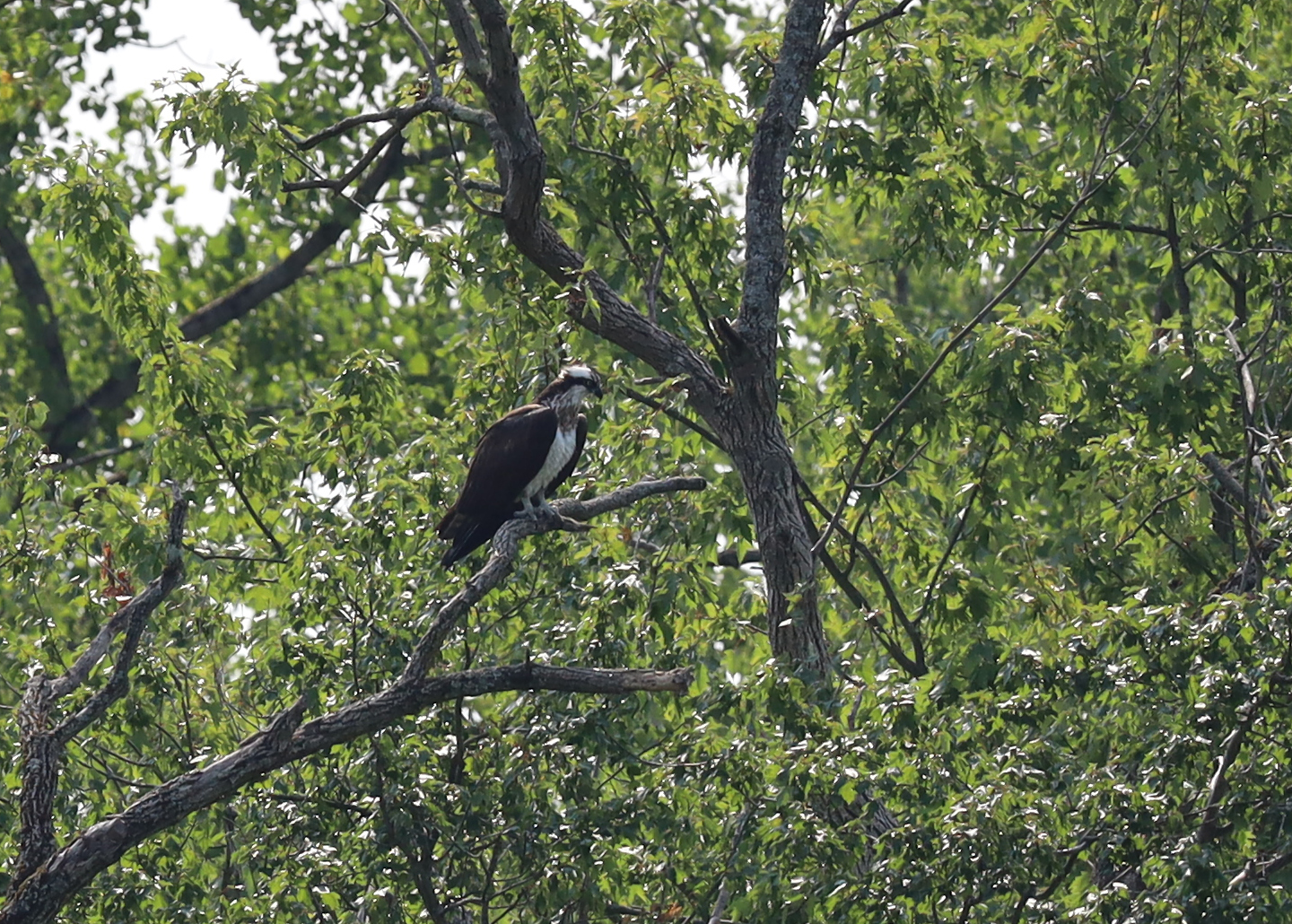
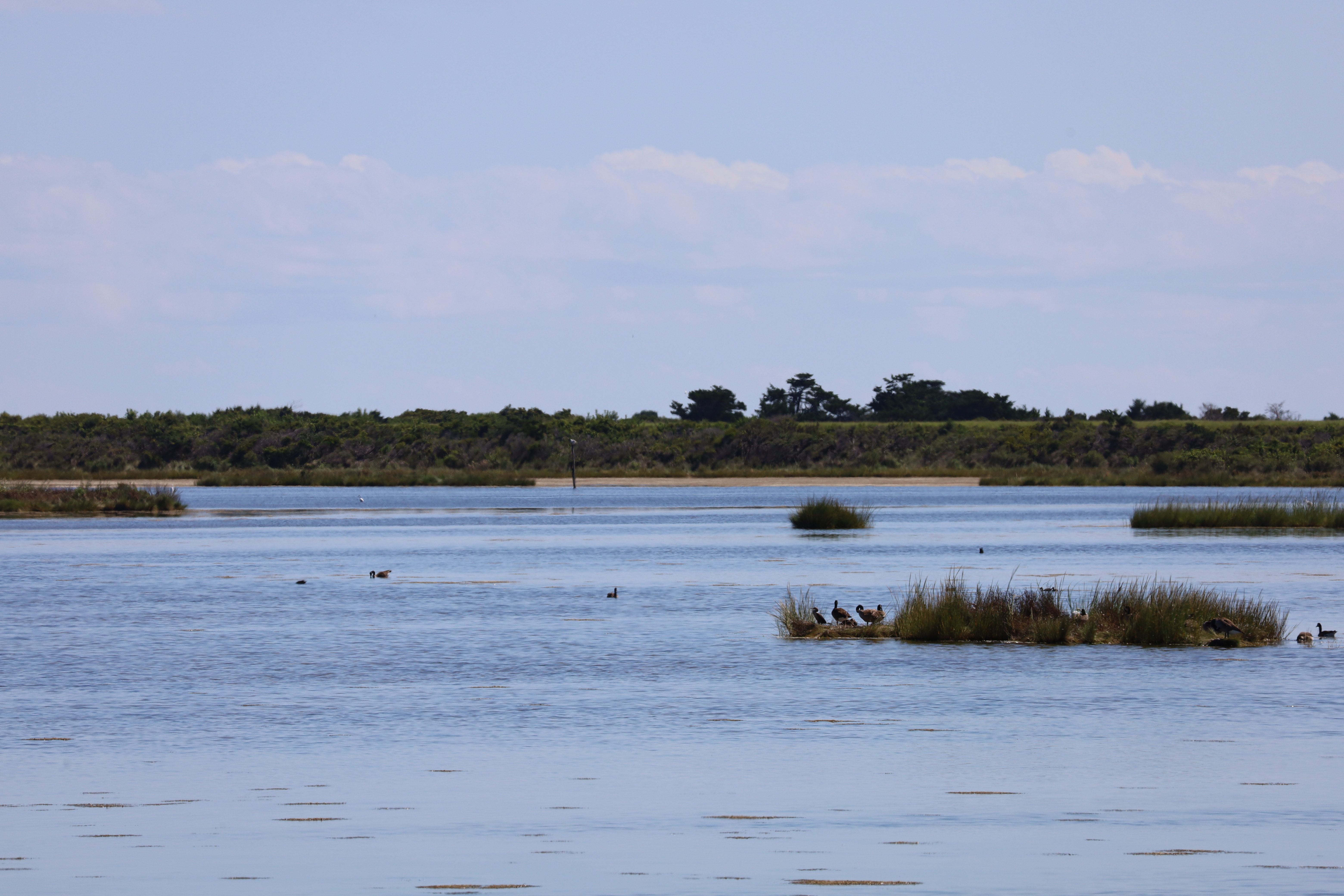
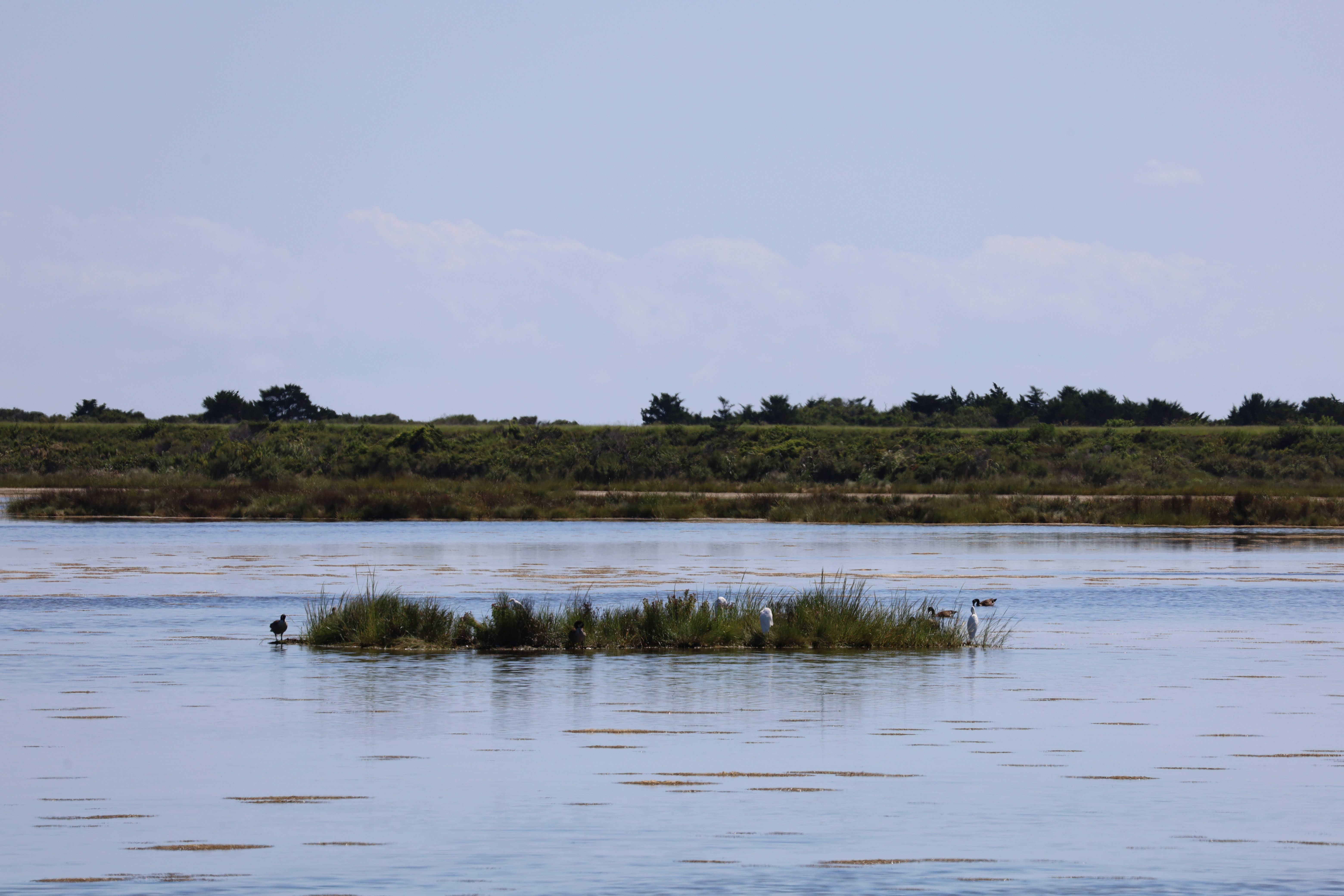
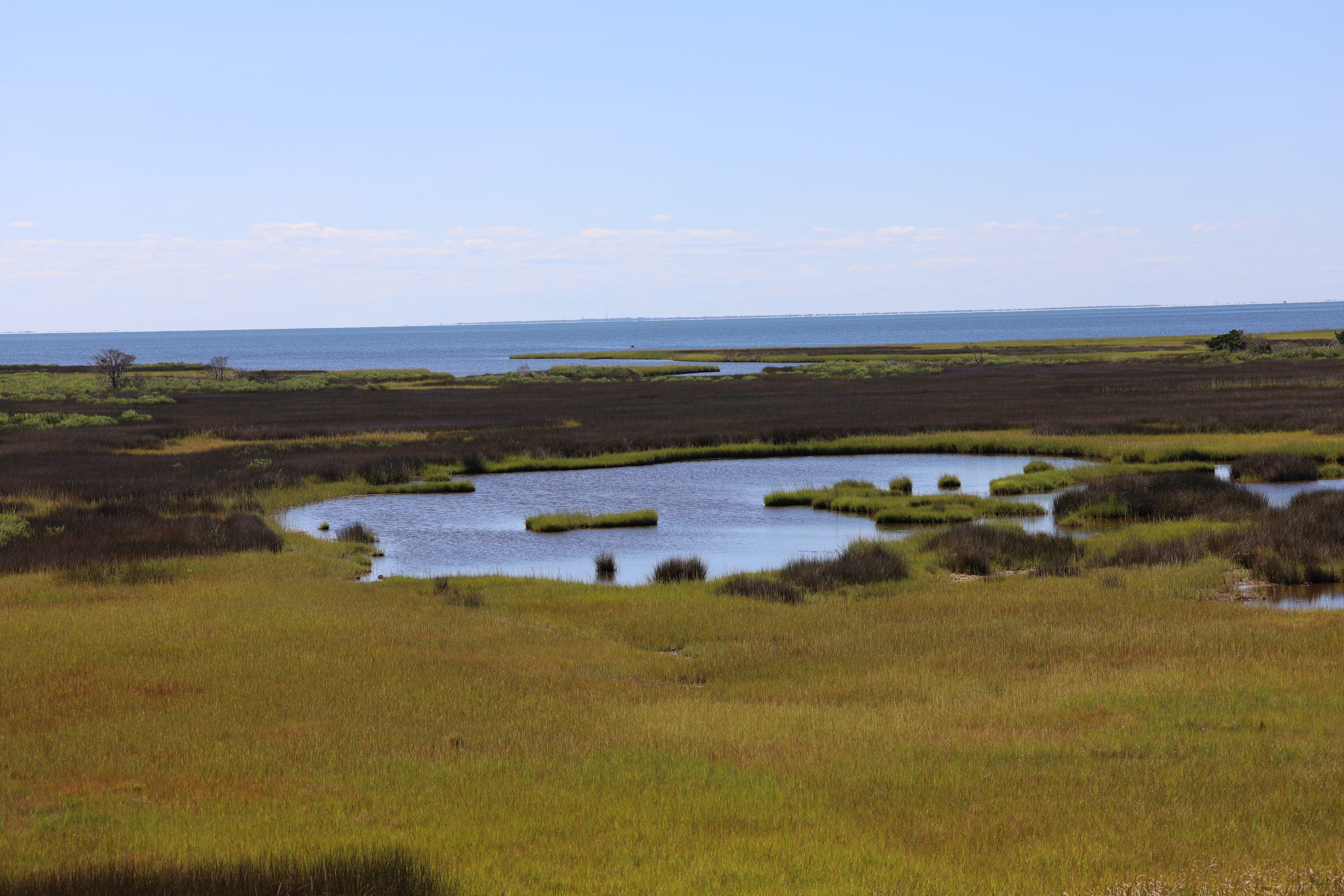
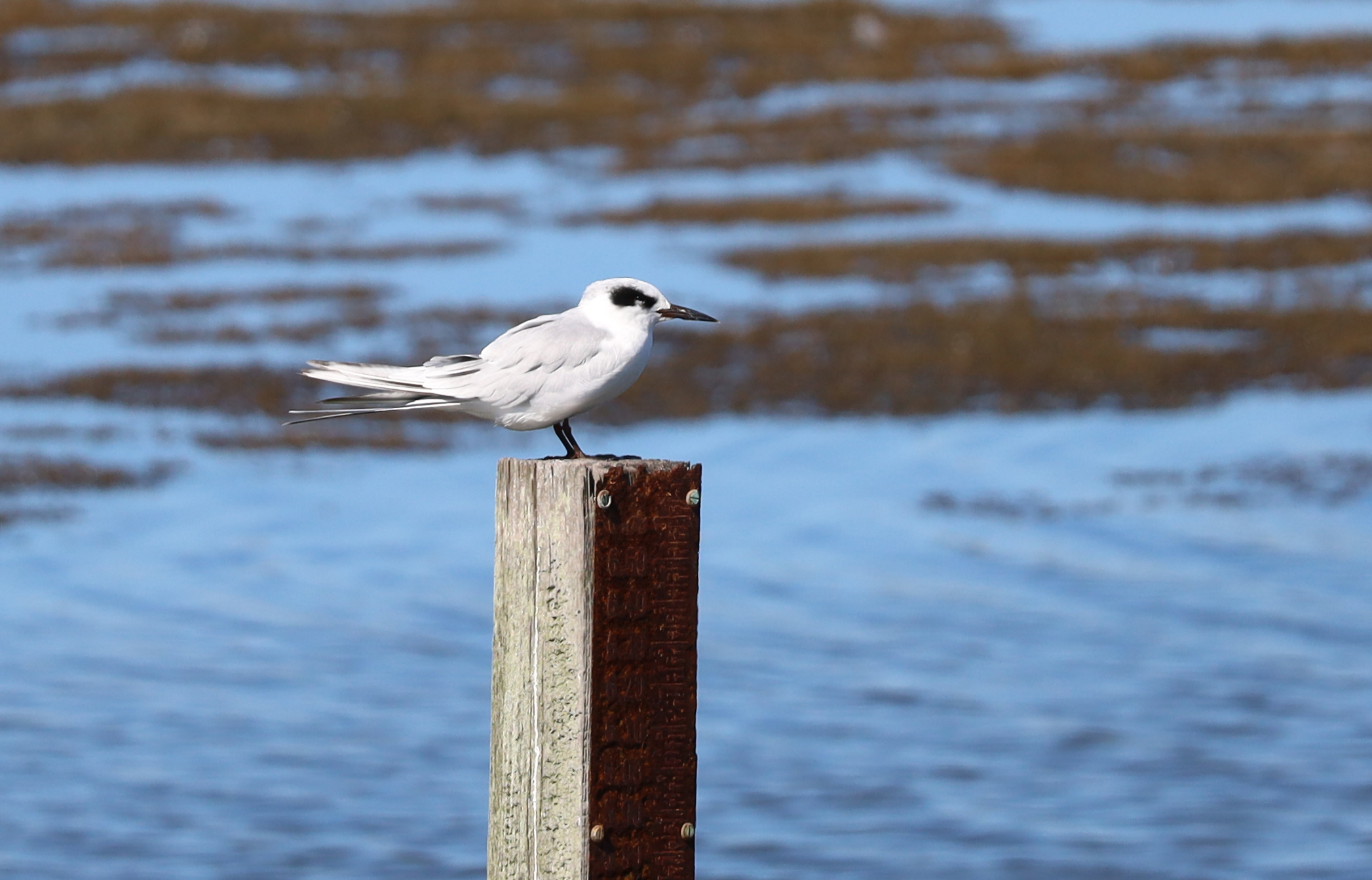
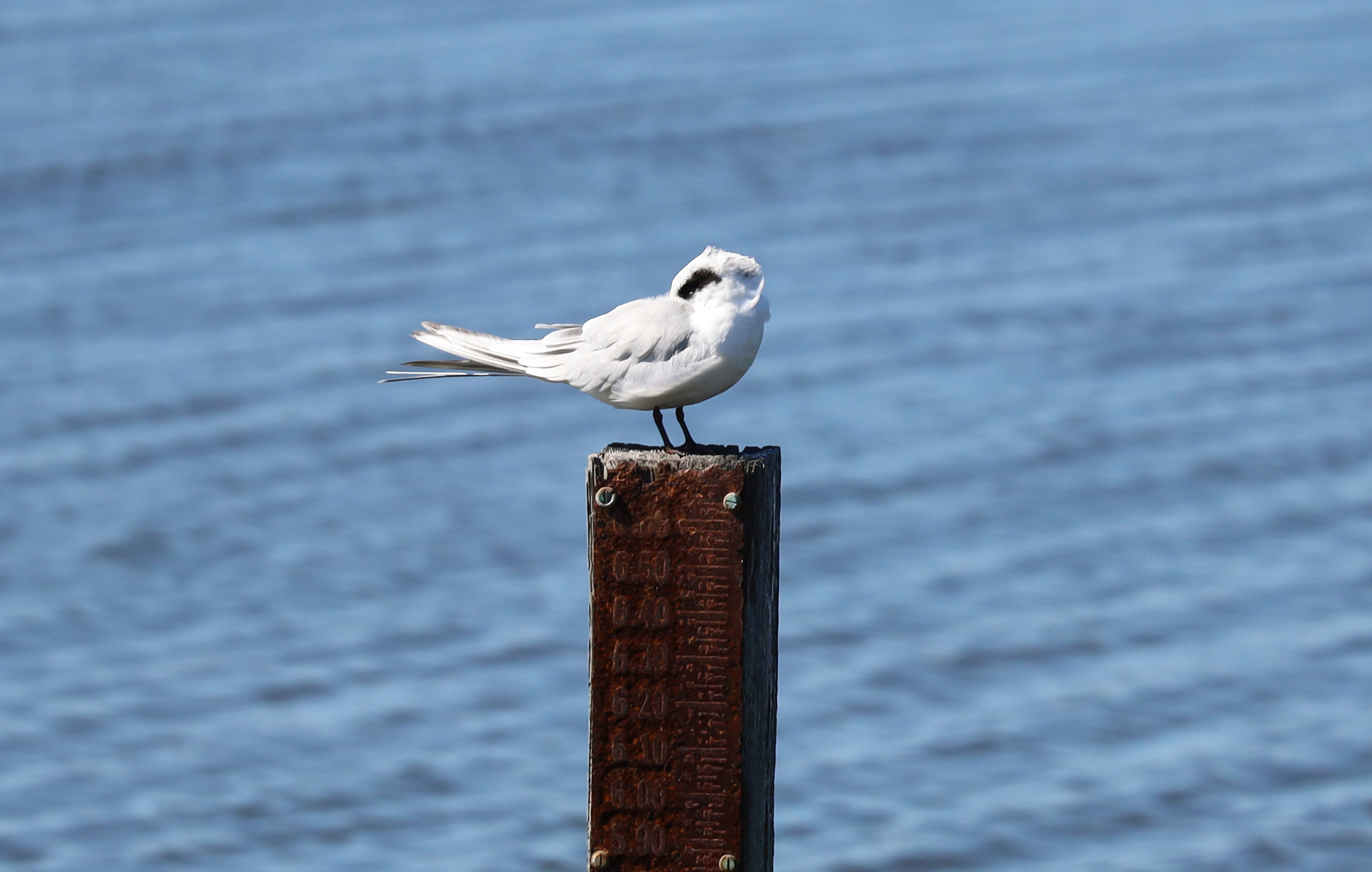
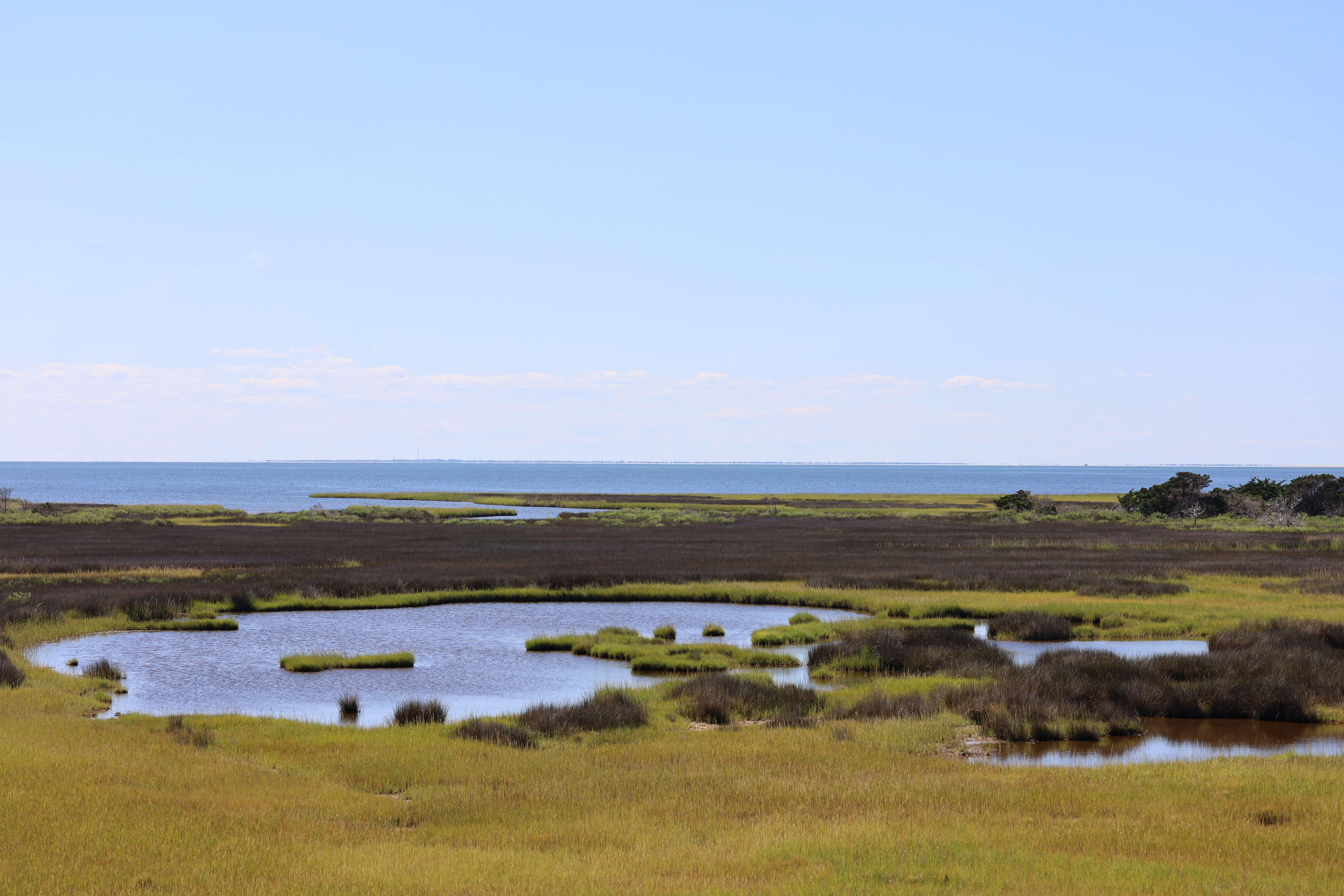
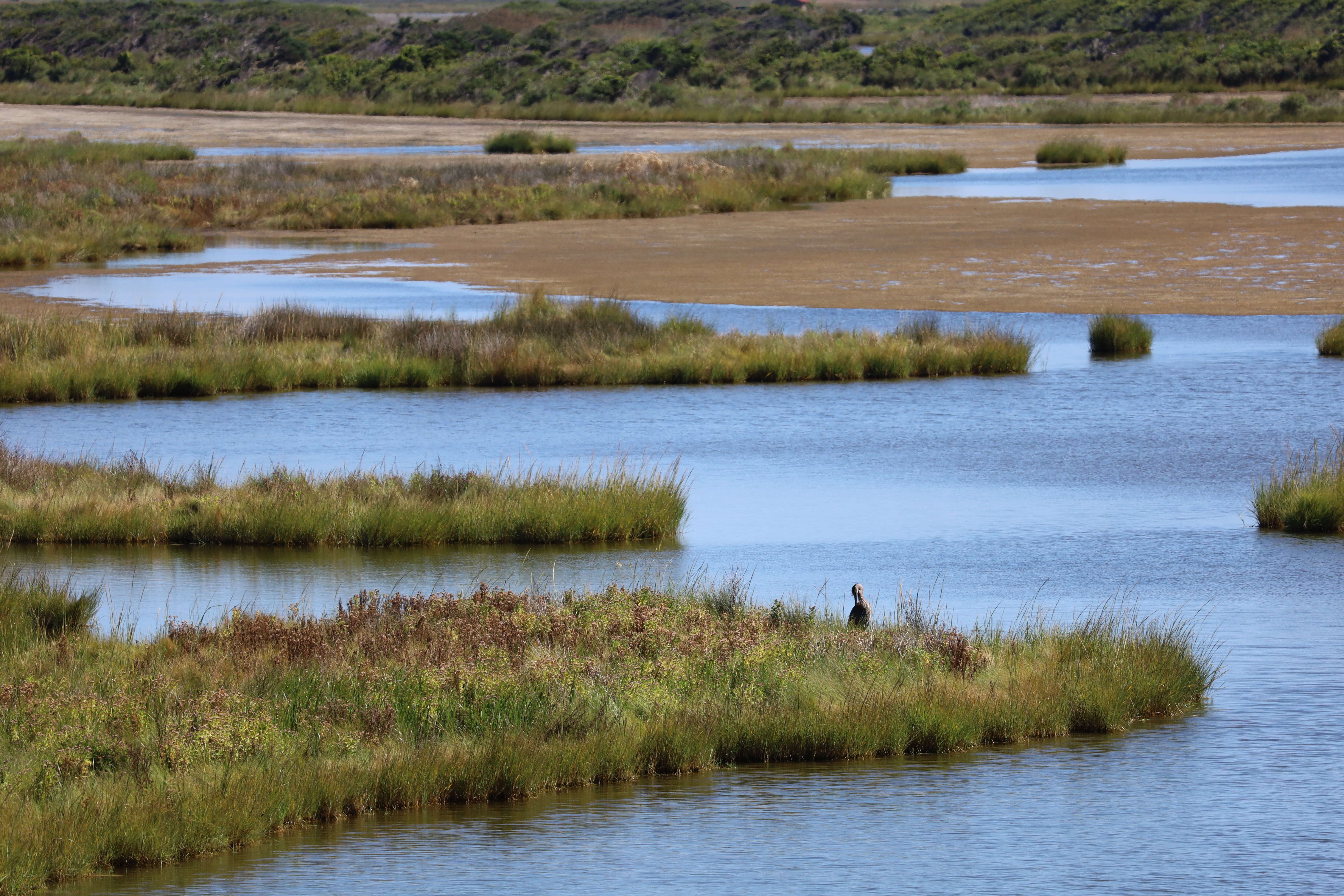
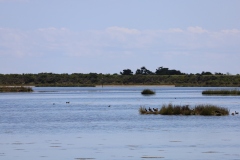
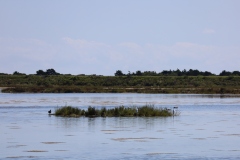
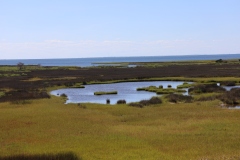
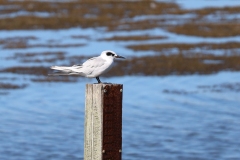
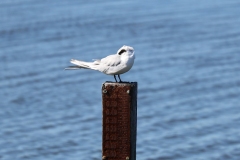
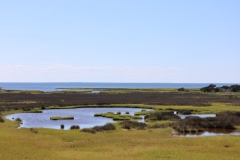
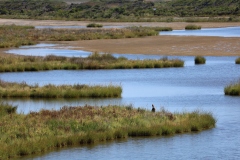
In our second walk, I hoped to see some migratory birds. Some of our regular customers here in the Northeast have already departed, after all, and those further north have been moving southward for even longer. But we soon discovered they either hadn’t reached Hatteras yet, or had taken a different route. The seaside wetlands adjacent to the ocean were populated by egrets, geese, ospreys, terns, gulls and other waterbirds, but no warblers or songbirds that we could see.
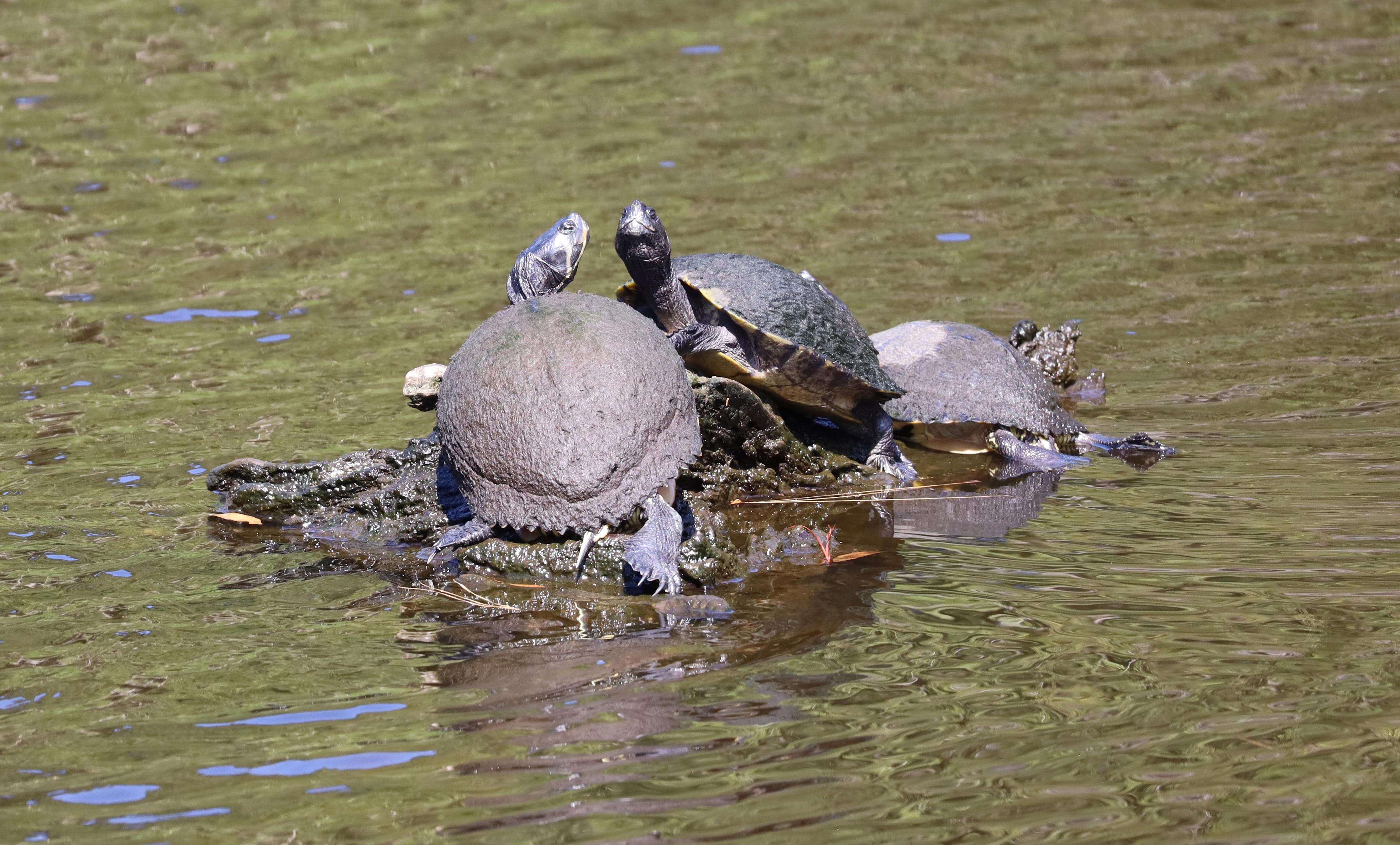
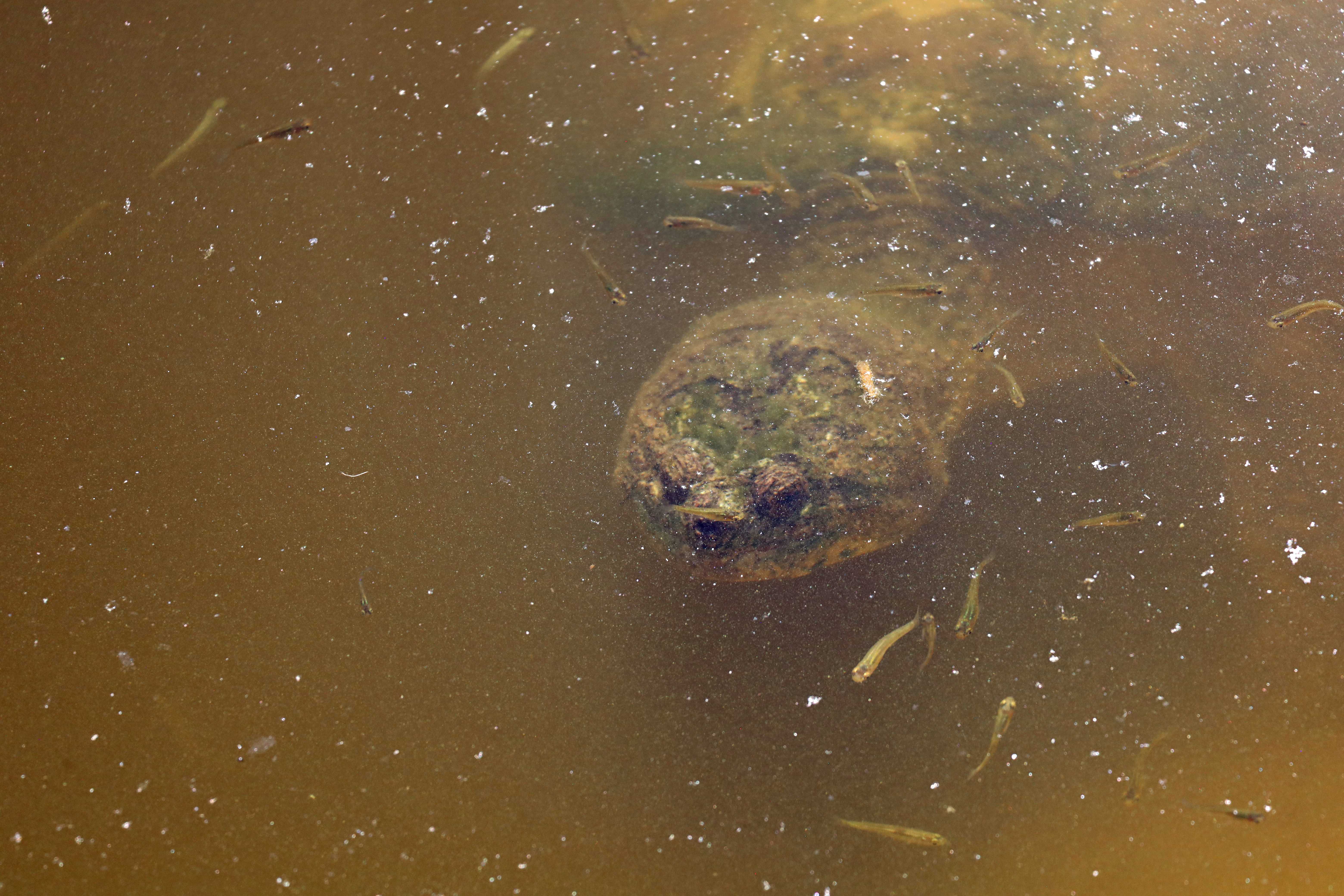
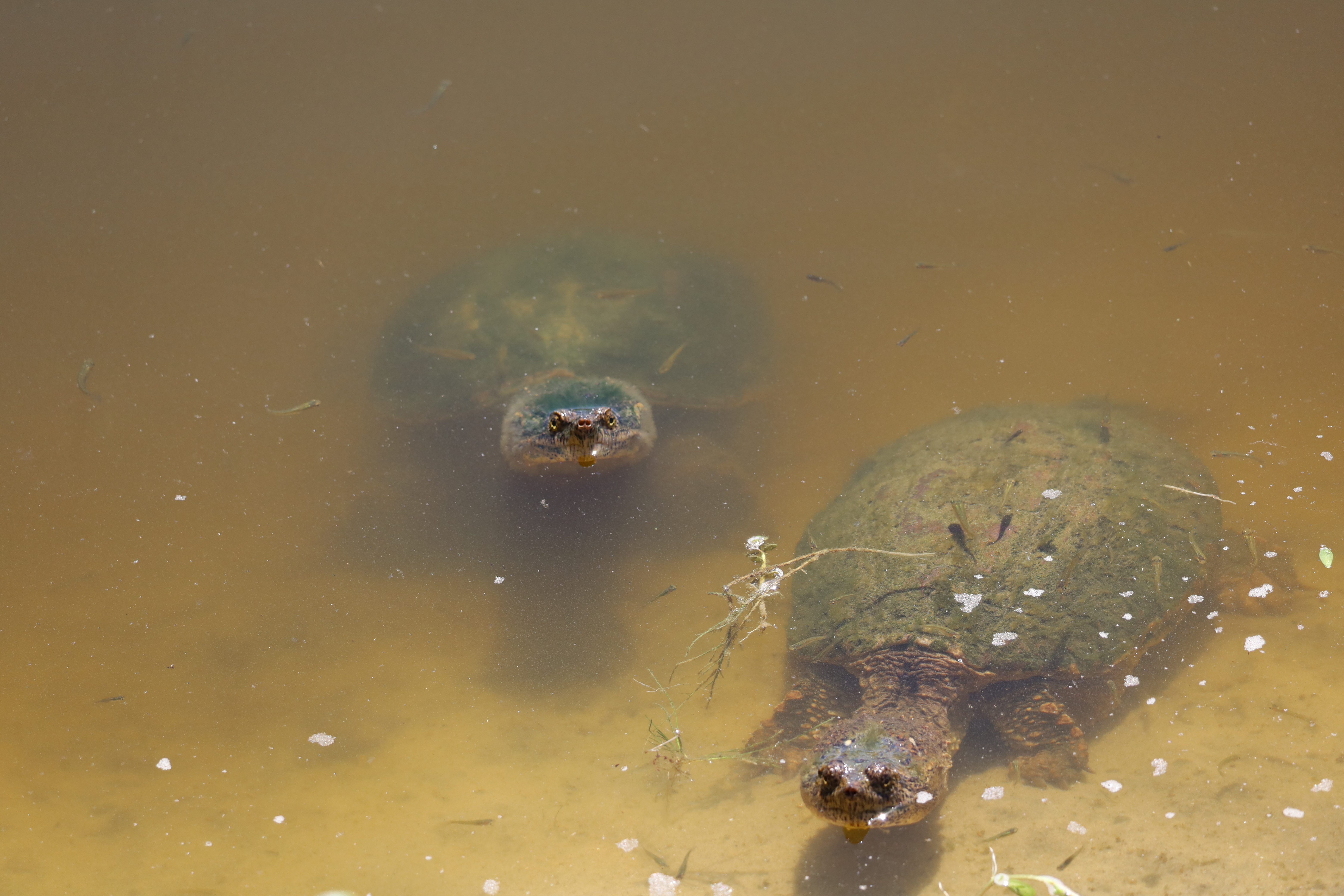
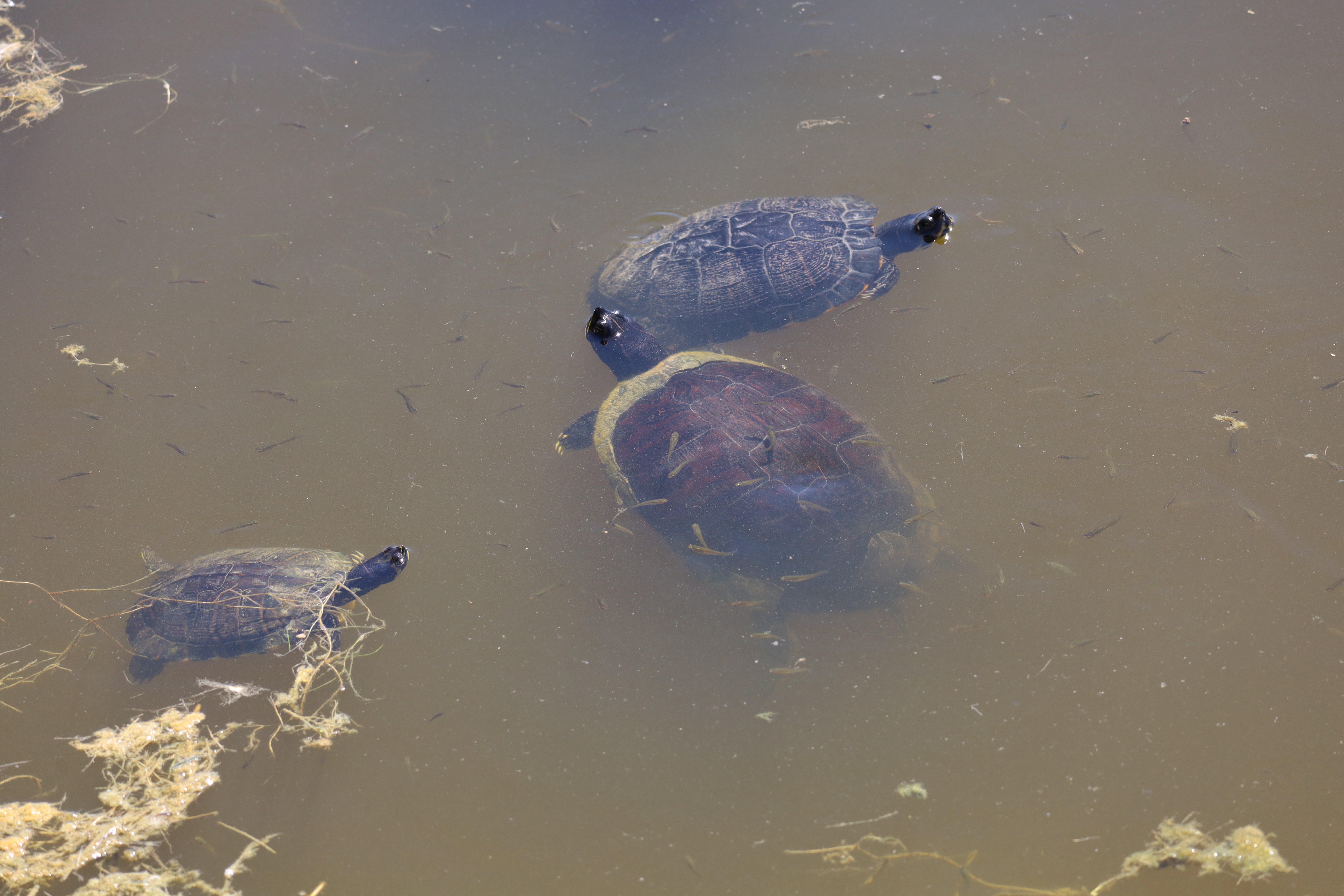
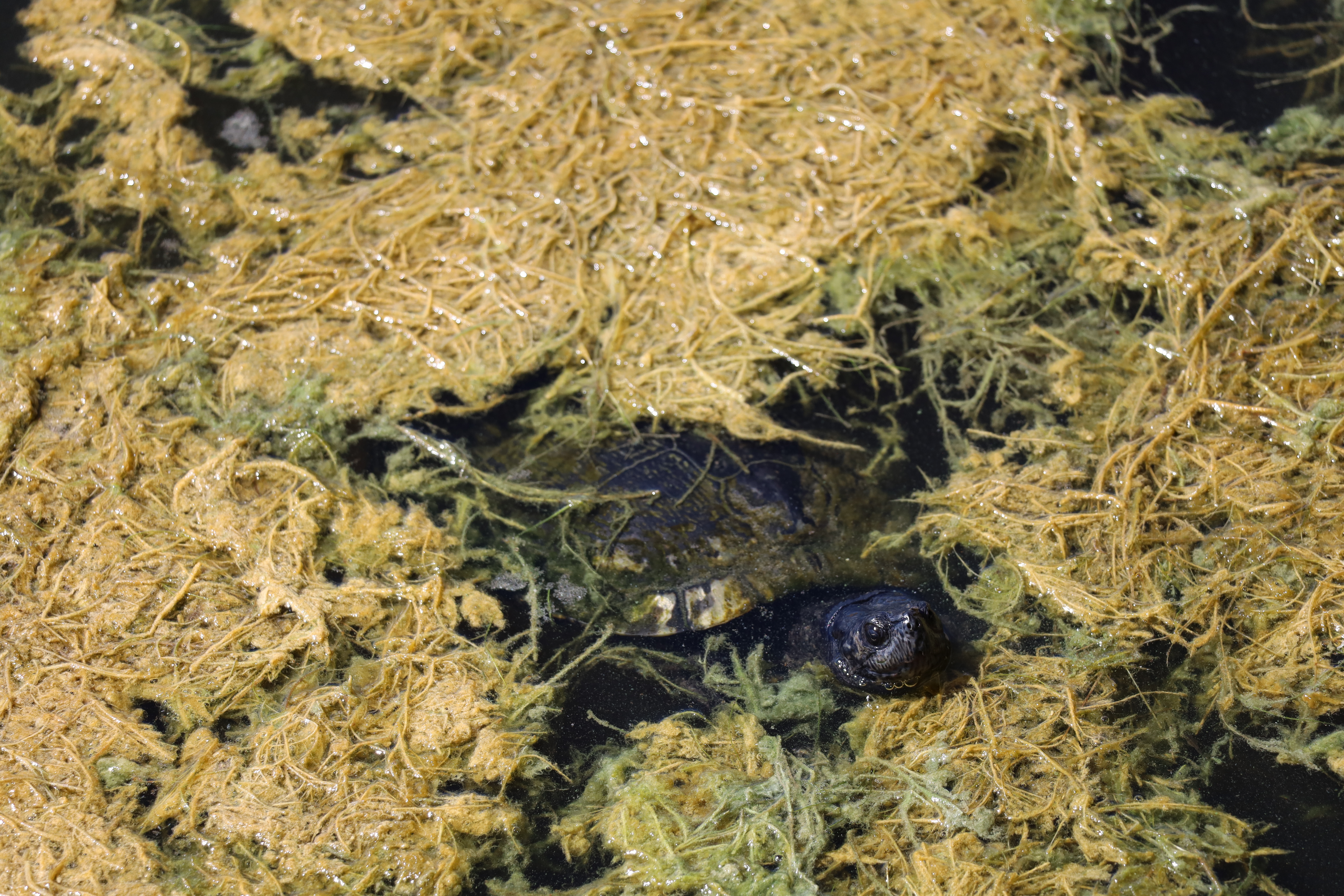
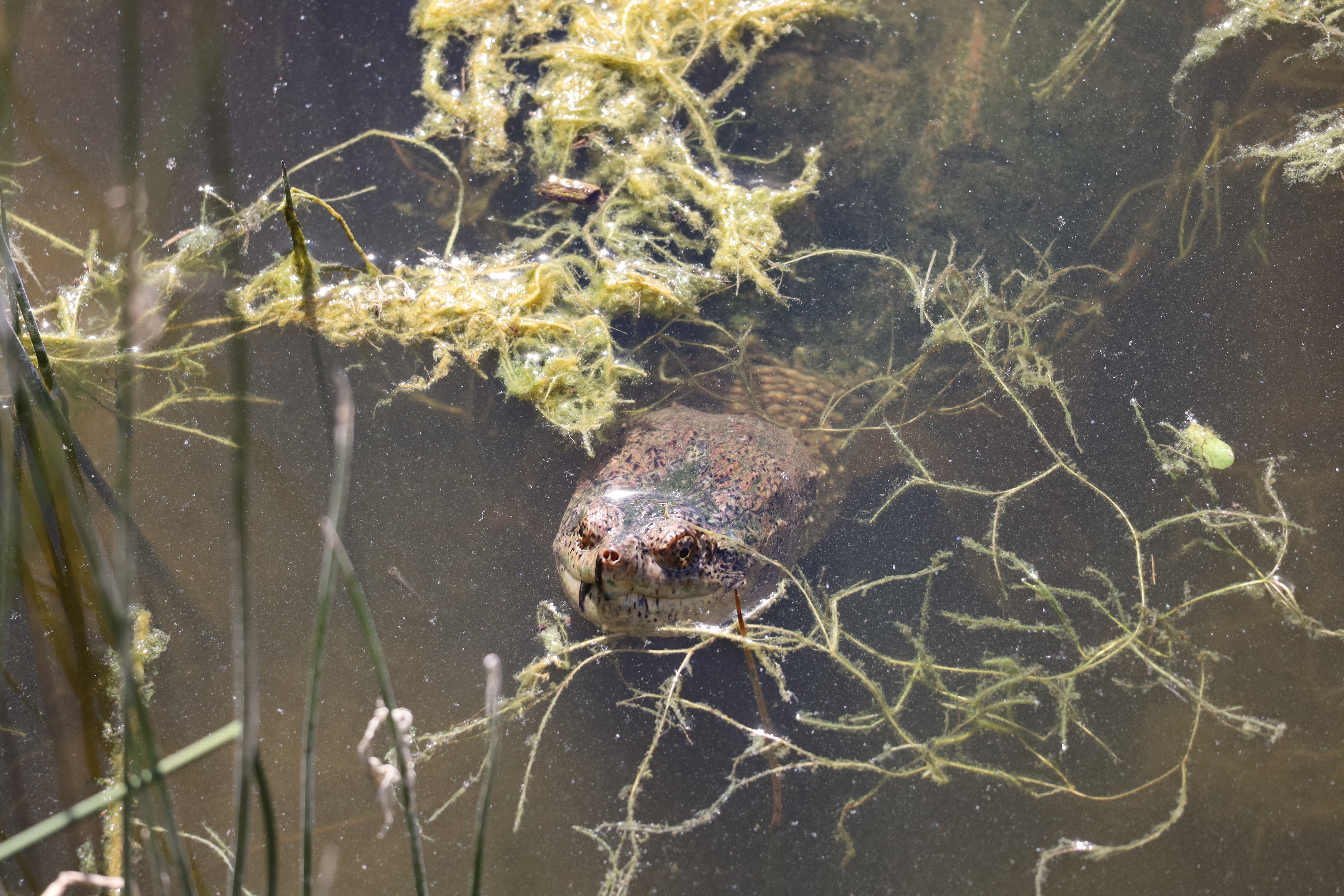
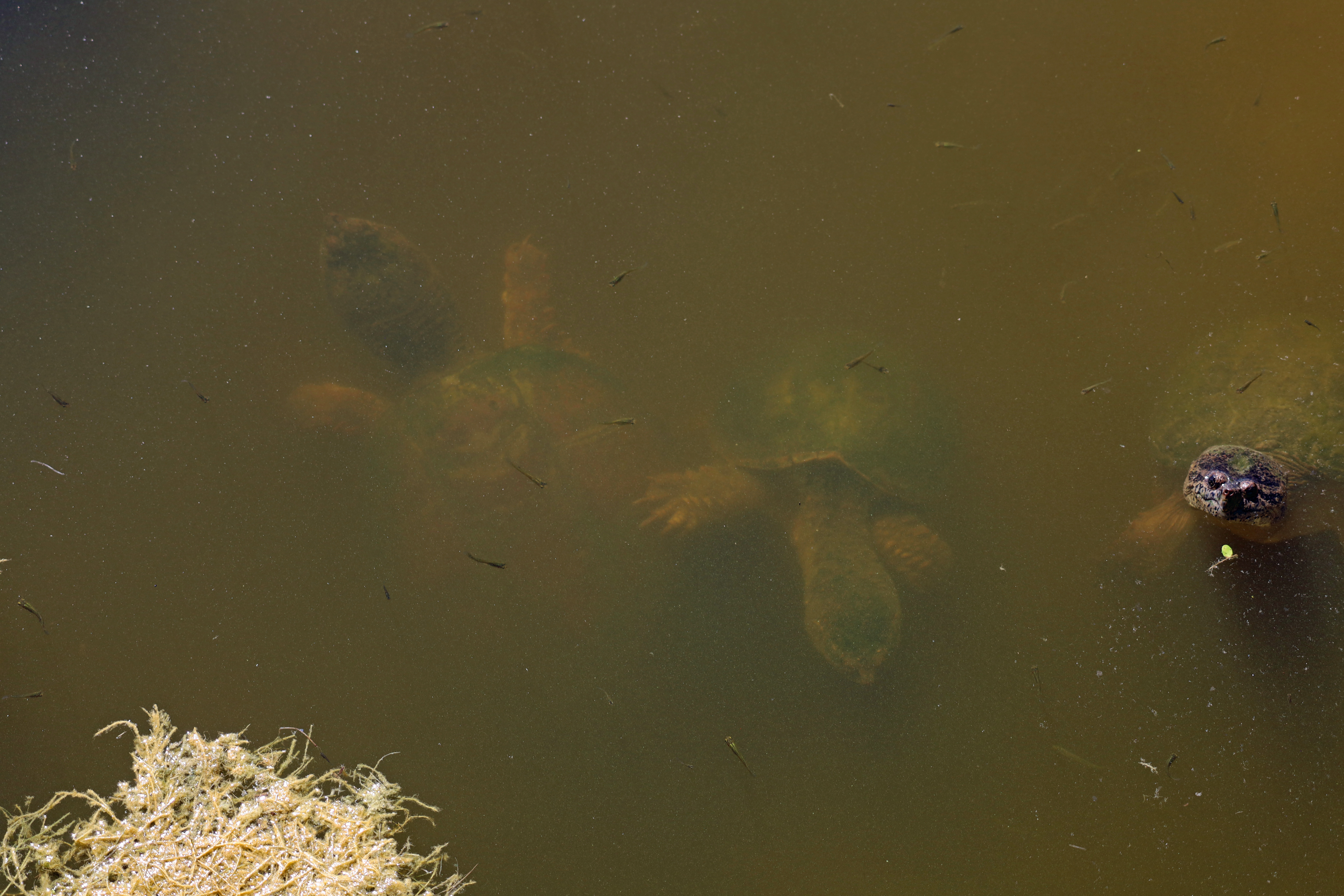
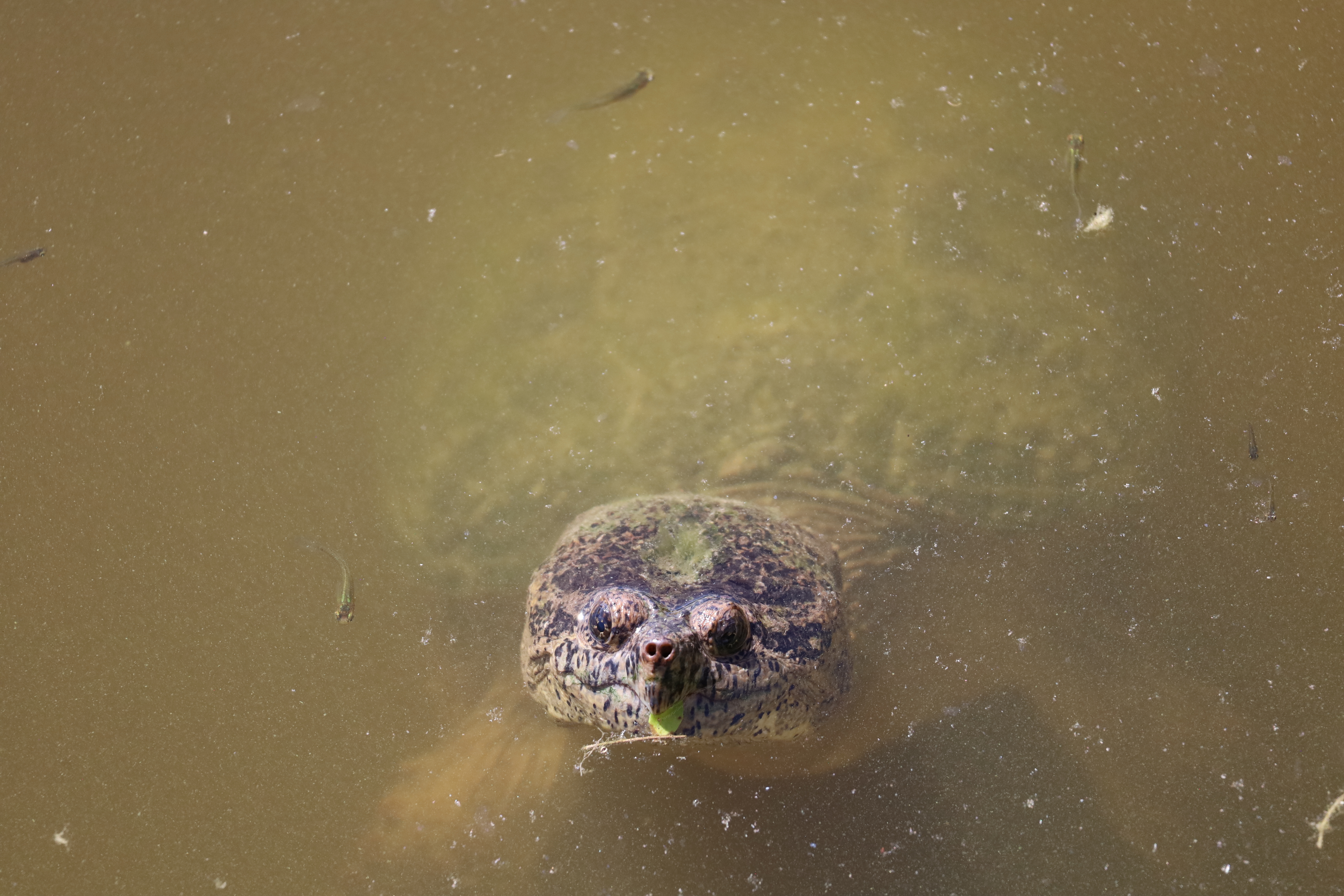
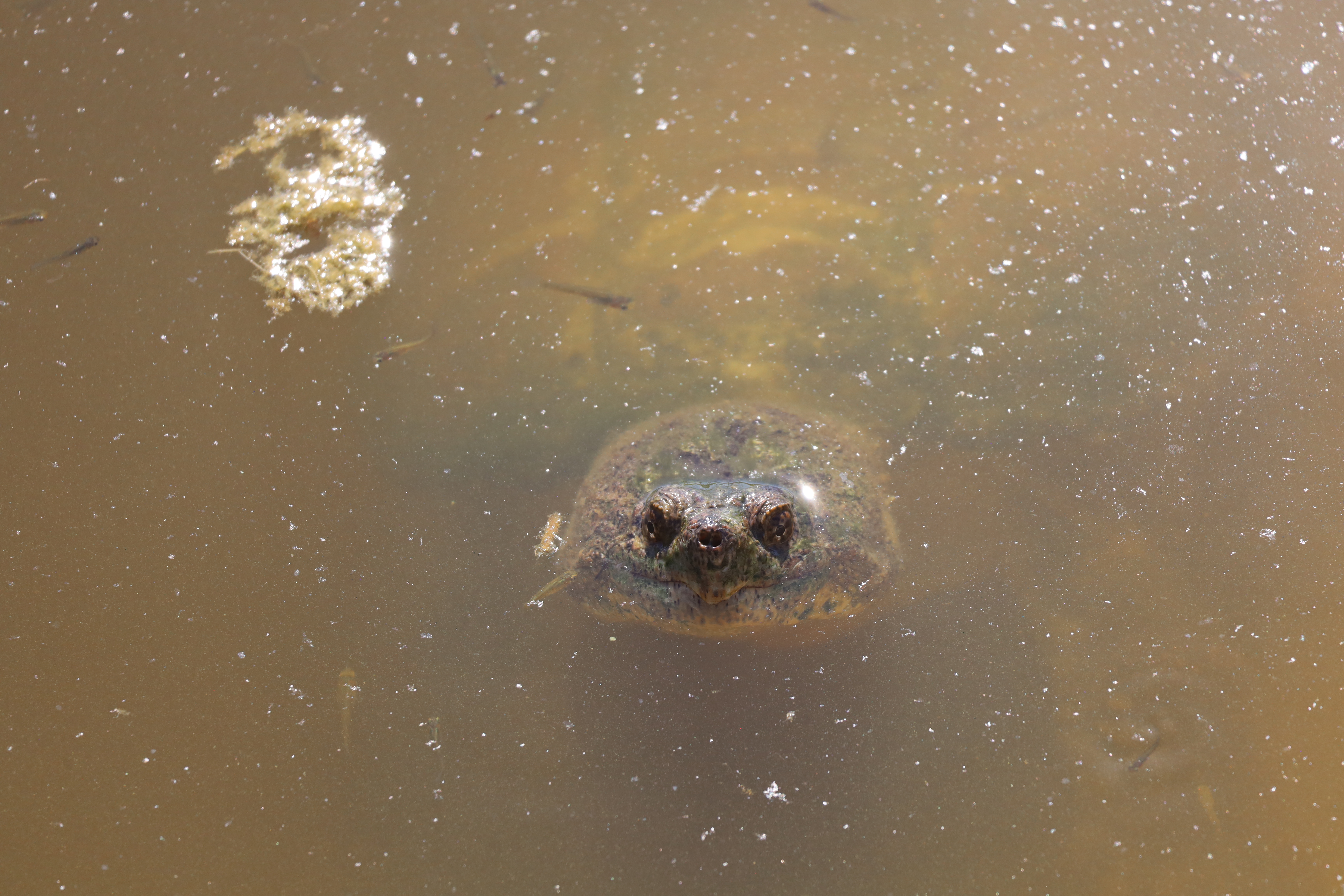
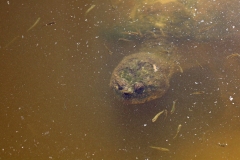
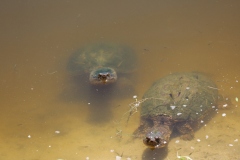
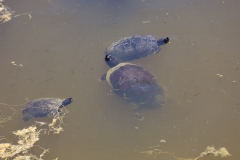
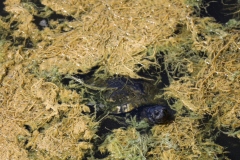
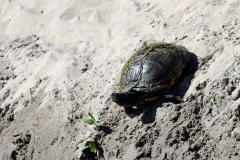
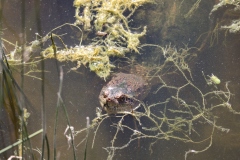
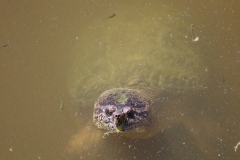
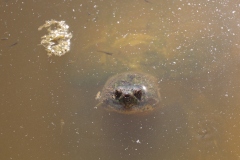
Once again, the turtles in a little pond at the start of the trail stole the show. It’s fascinating how interested the snappers were in looking us in the eye, and how different their faces were.
Elizabethan Gardens
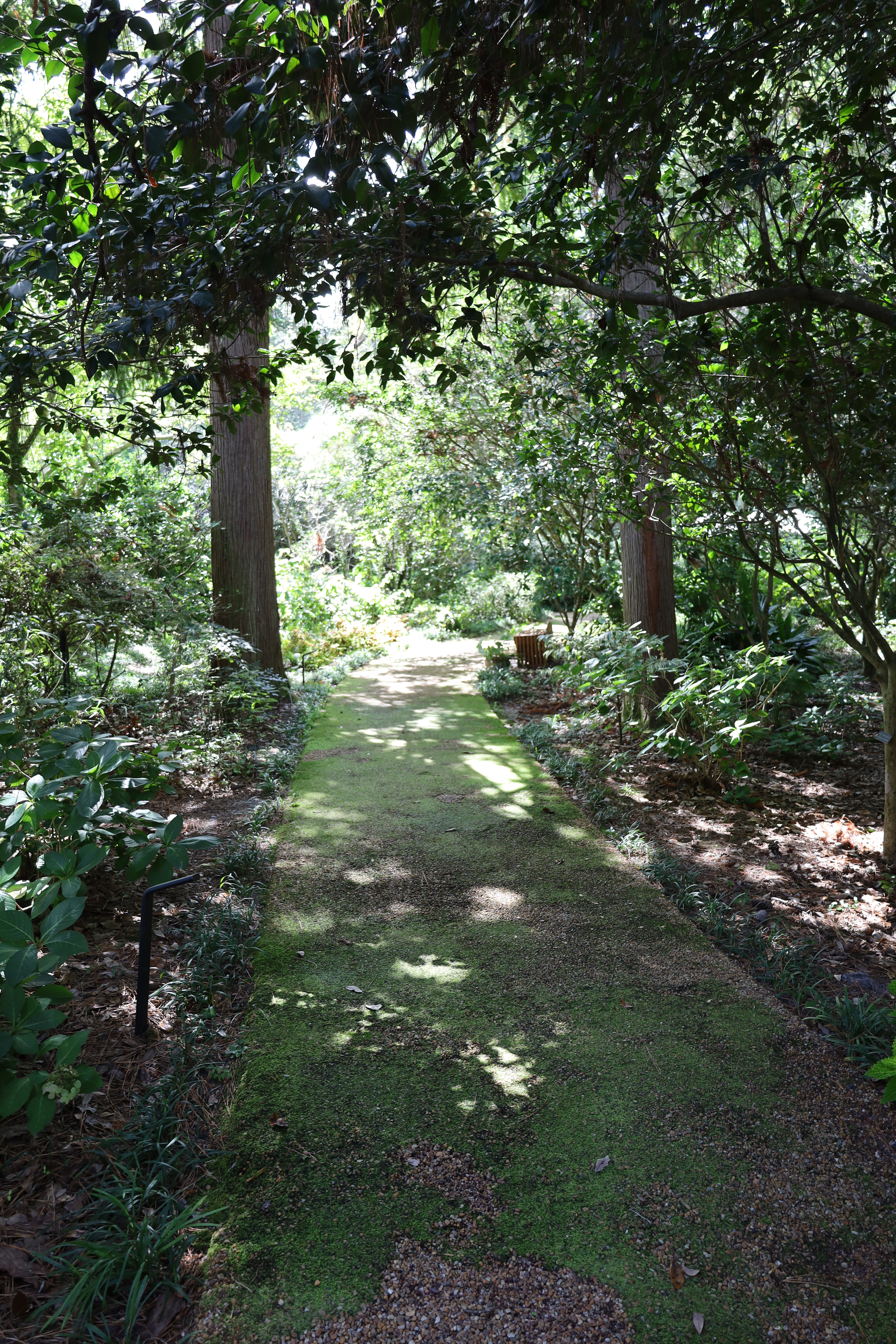
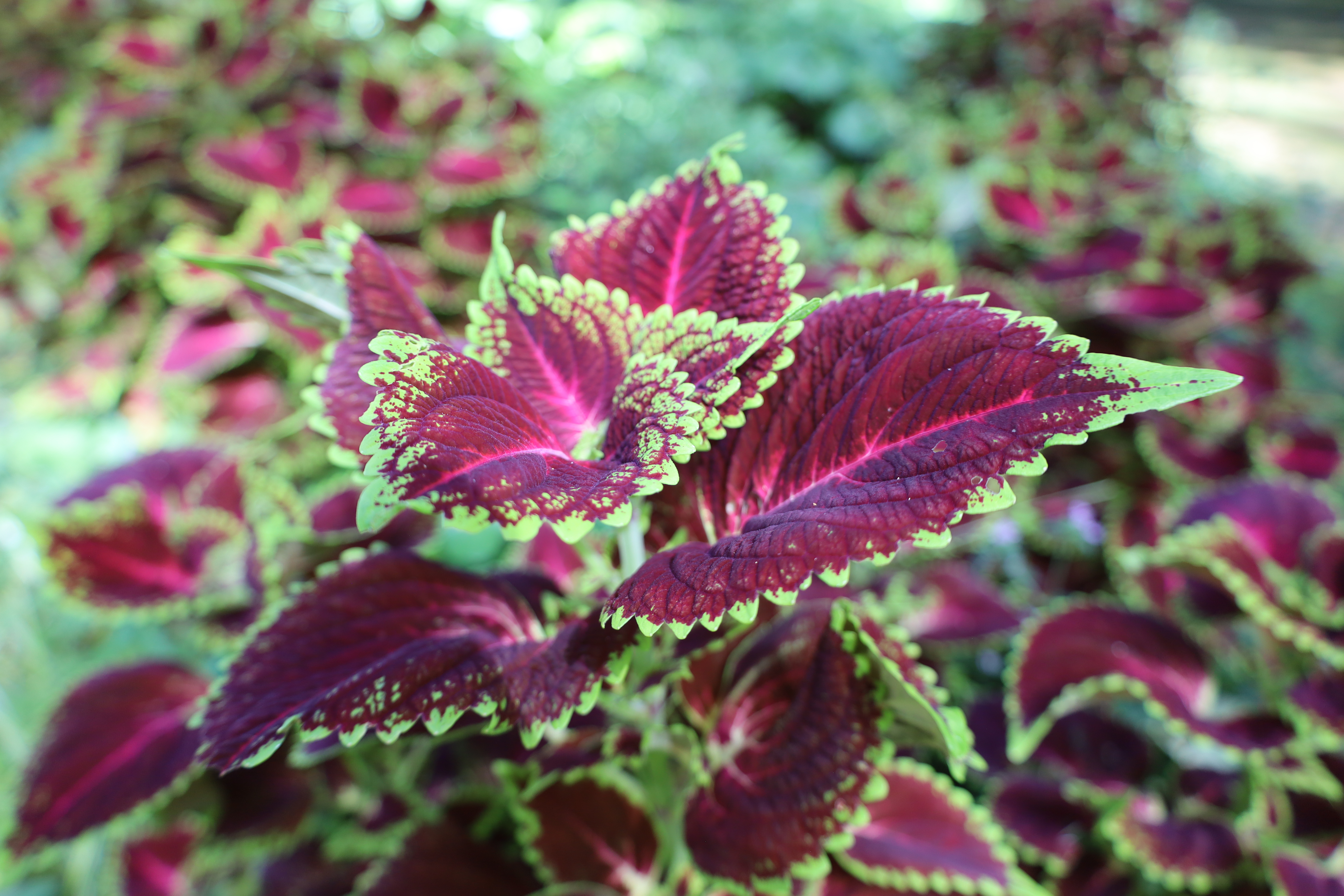
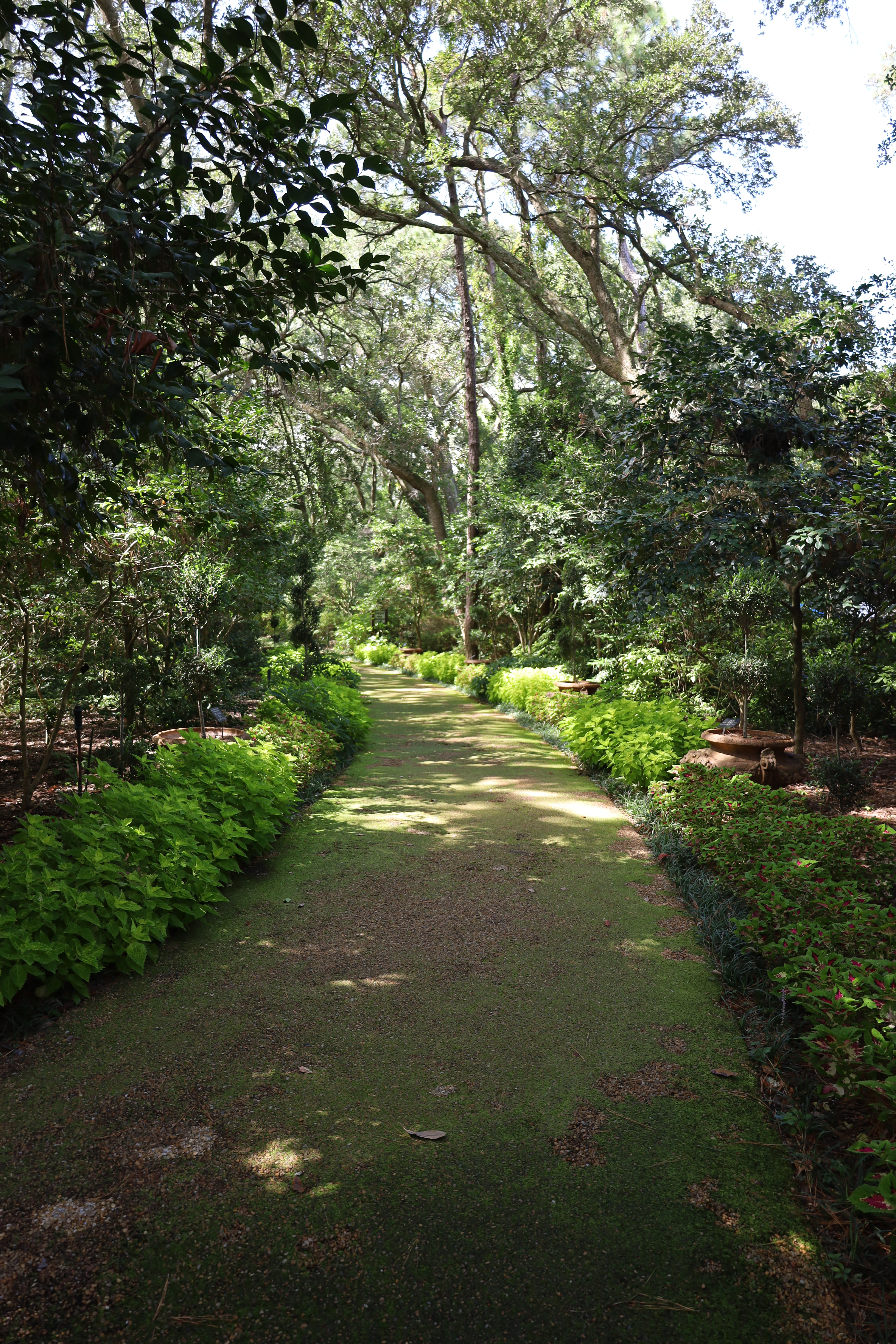
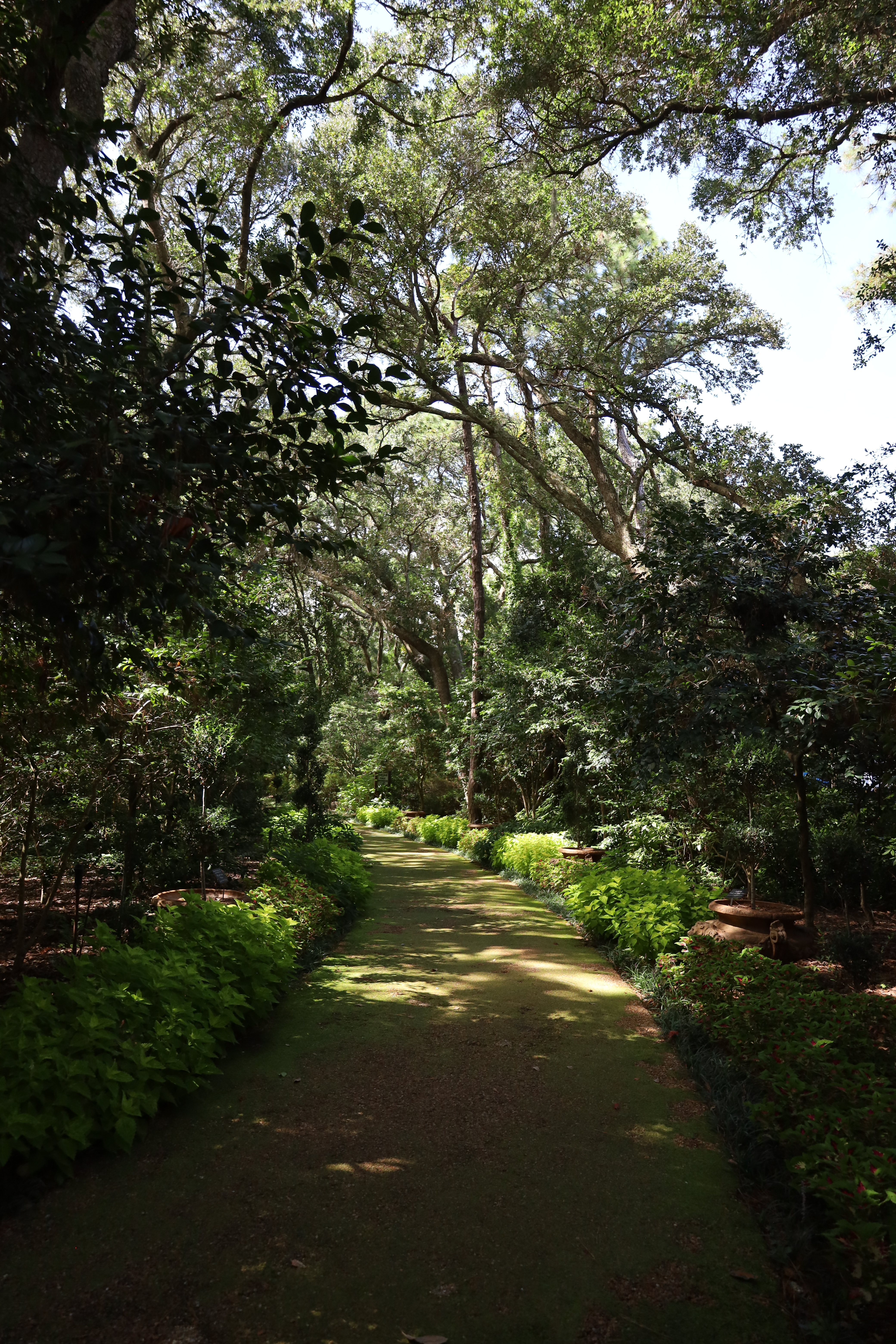
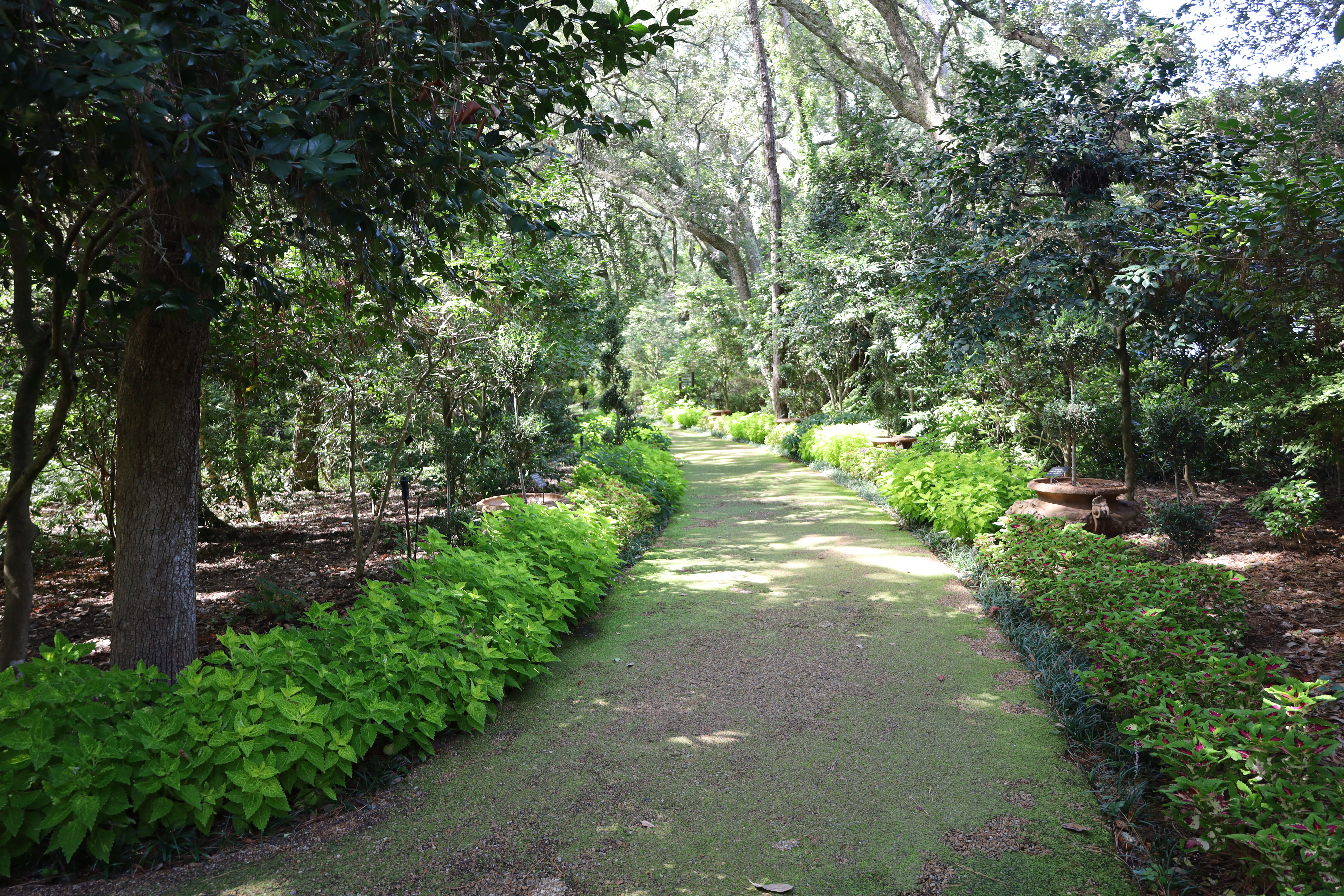
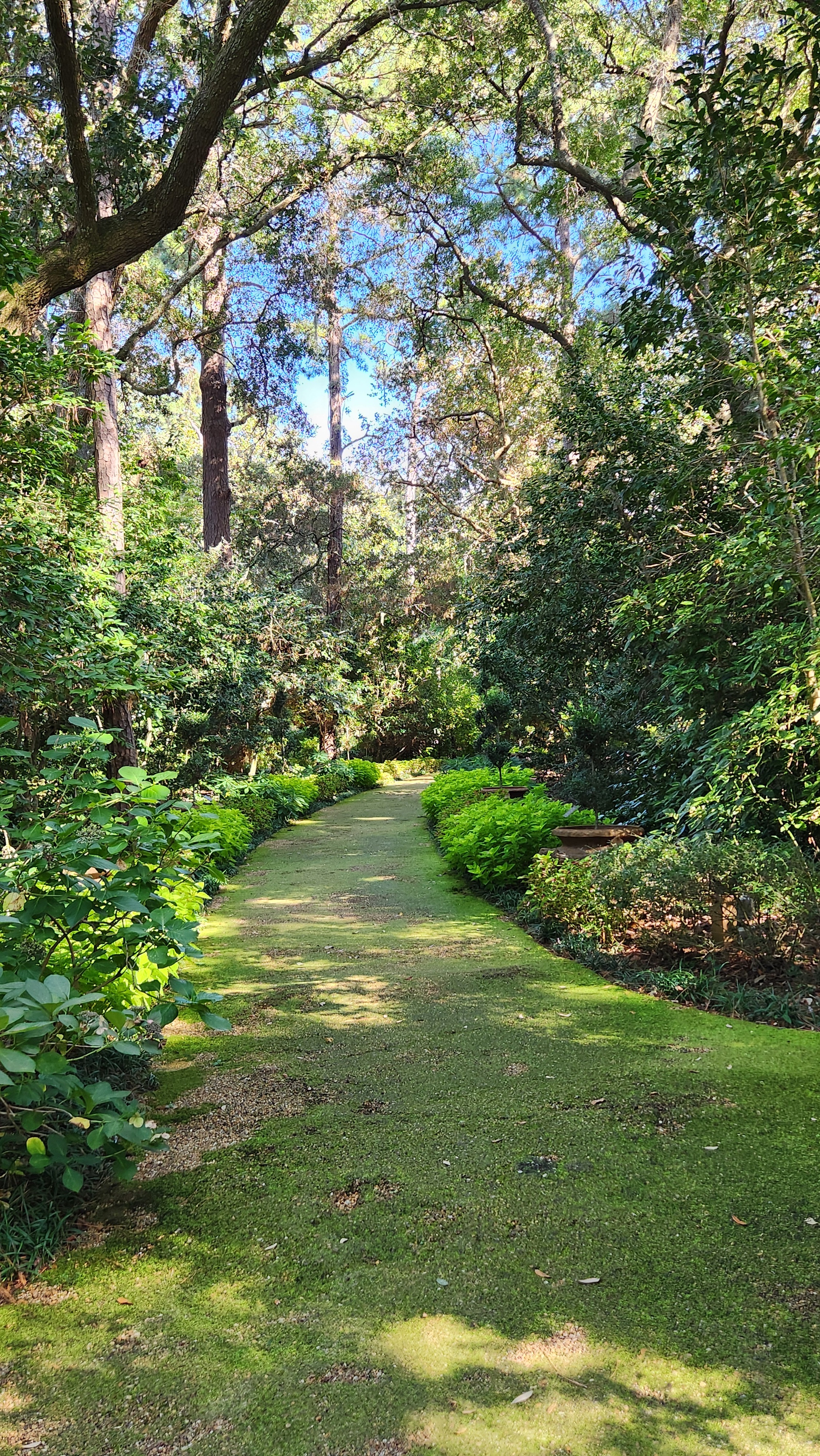
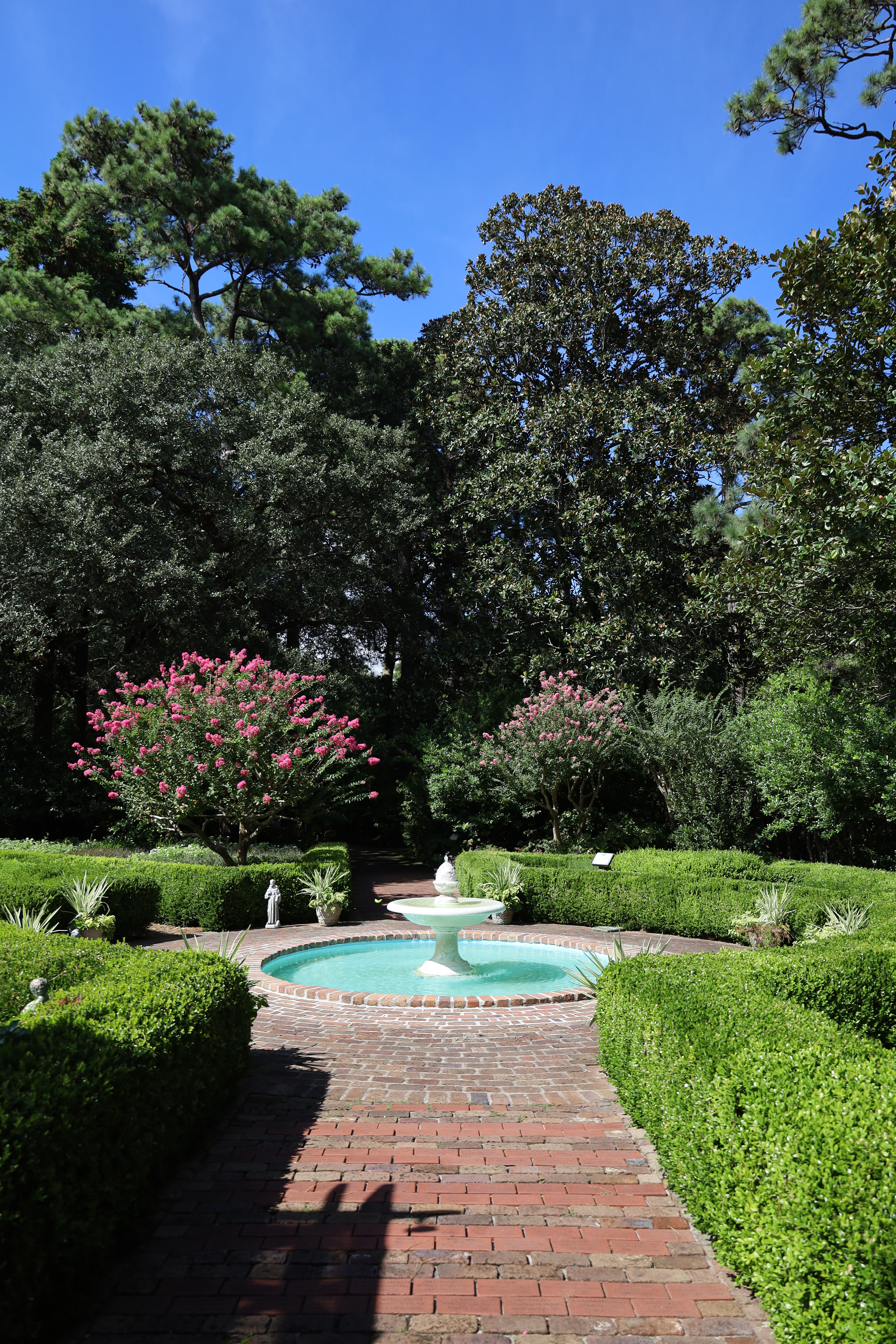
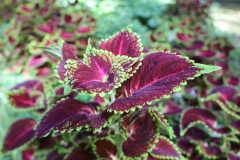
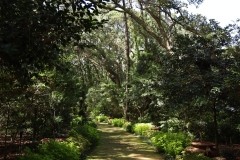
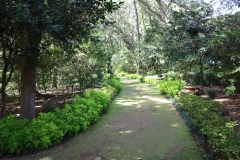
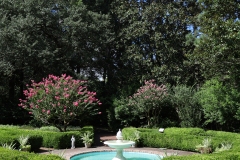
This was, I think, our third visit to the Elizabethan Gardens in Manteo. Its ordered, geometric, flourishing glory makes me abandon all attempt at photographic discipline. Every vista seems to leave me open-mouthed, drinking in the beauty. I snap pictures indiscriminately, knowing I’ll return to them for visual nourishment when winter comes.
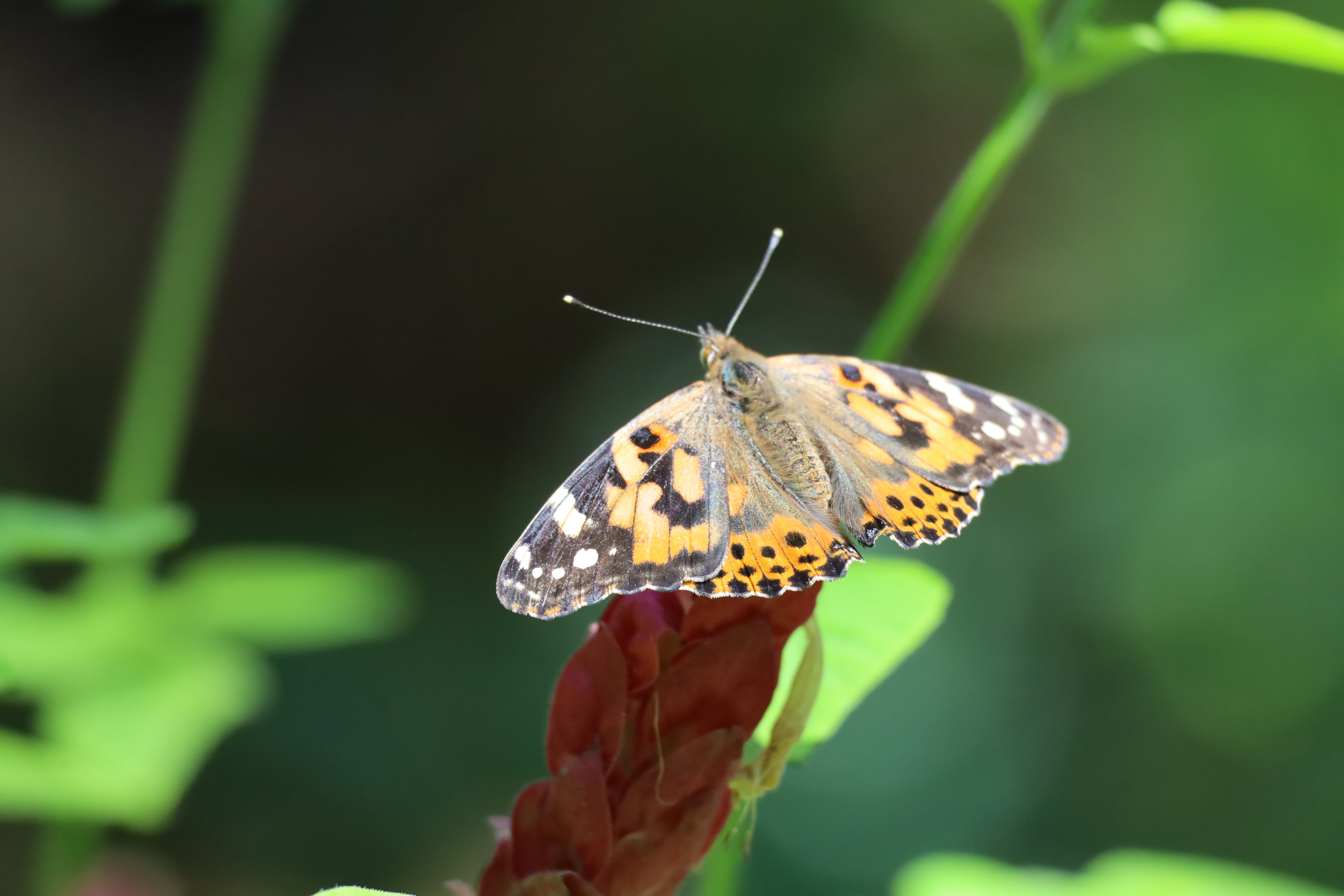
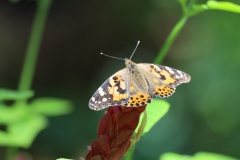
We arrived just as they were concluding a butterfly release of painted ladies that had been shipped from Michigan. Many of them were sitting groggily on leaves, adjusting to their new paradise.
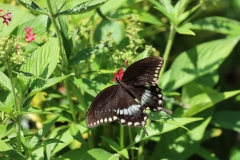
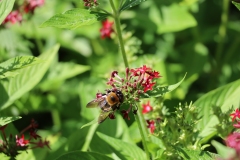
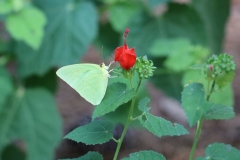
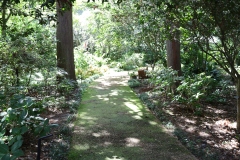
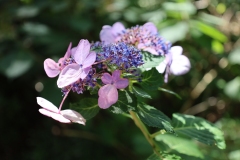
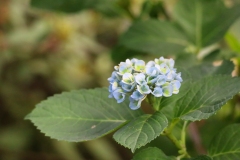
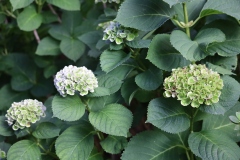
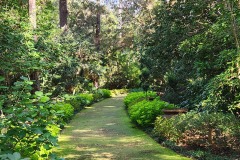
-
Brick Pond in the Evening
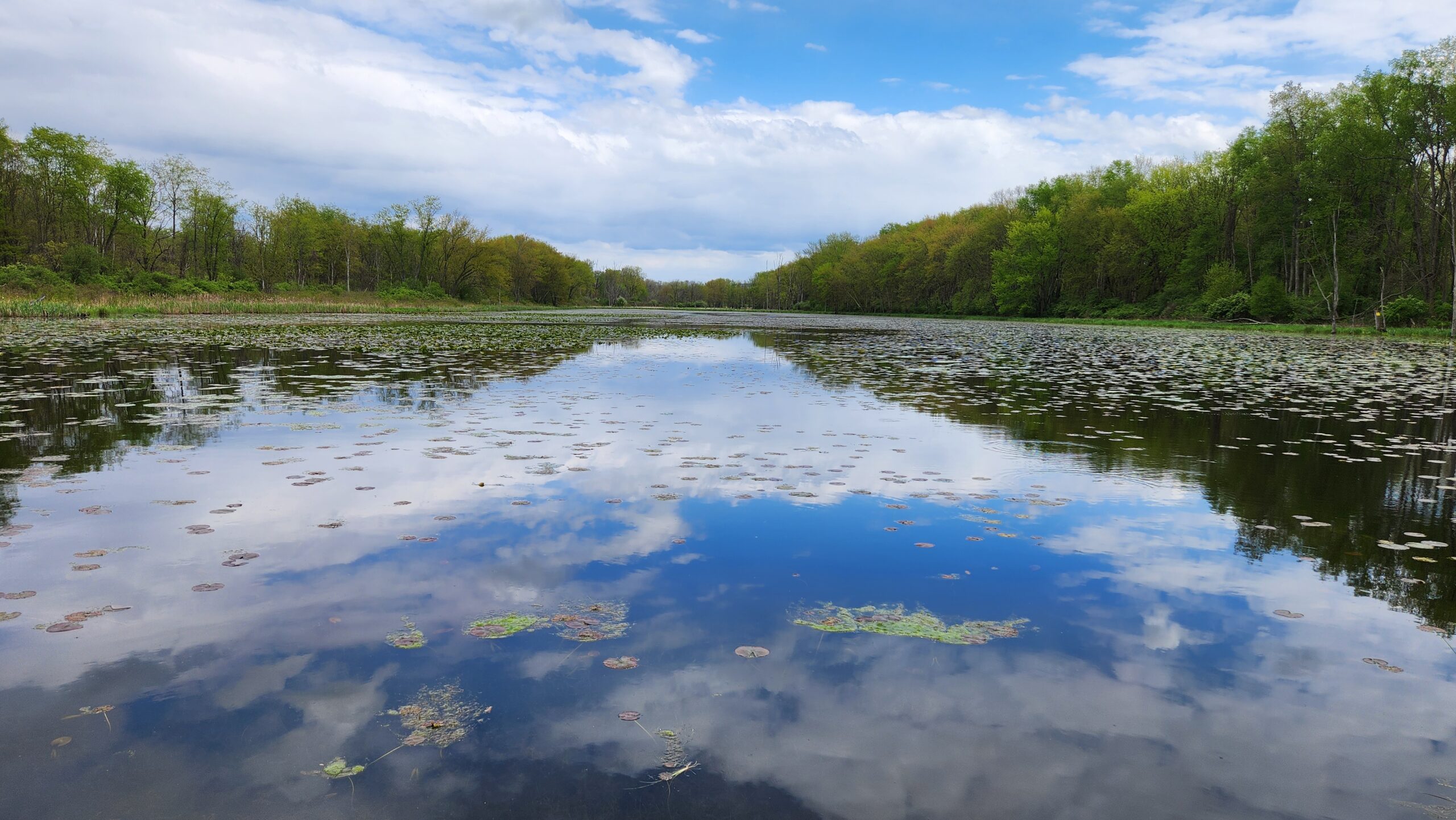
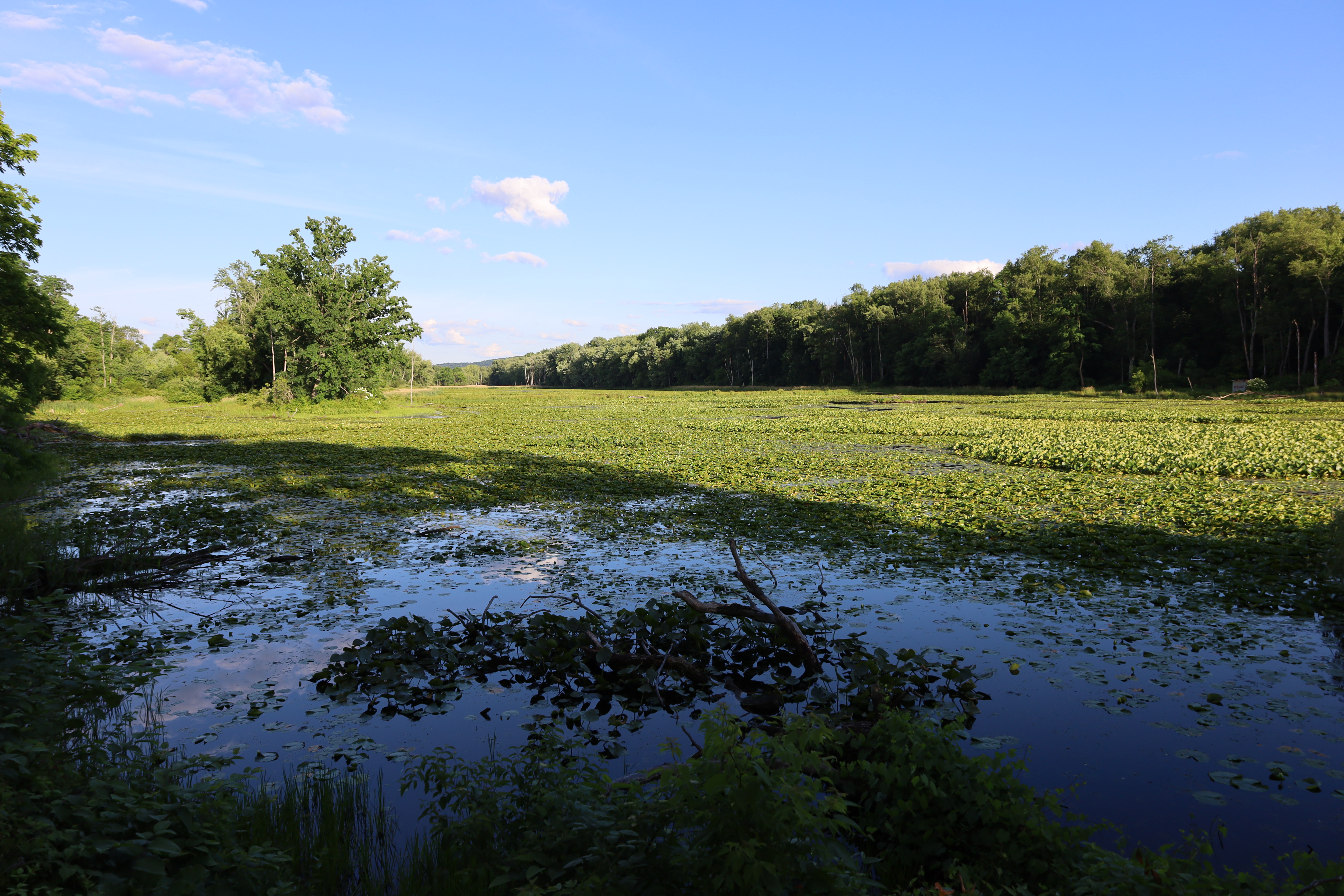
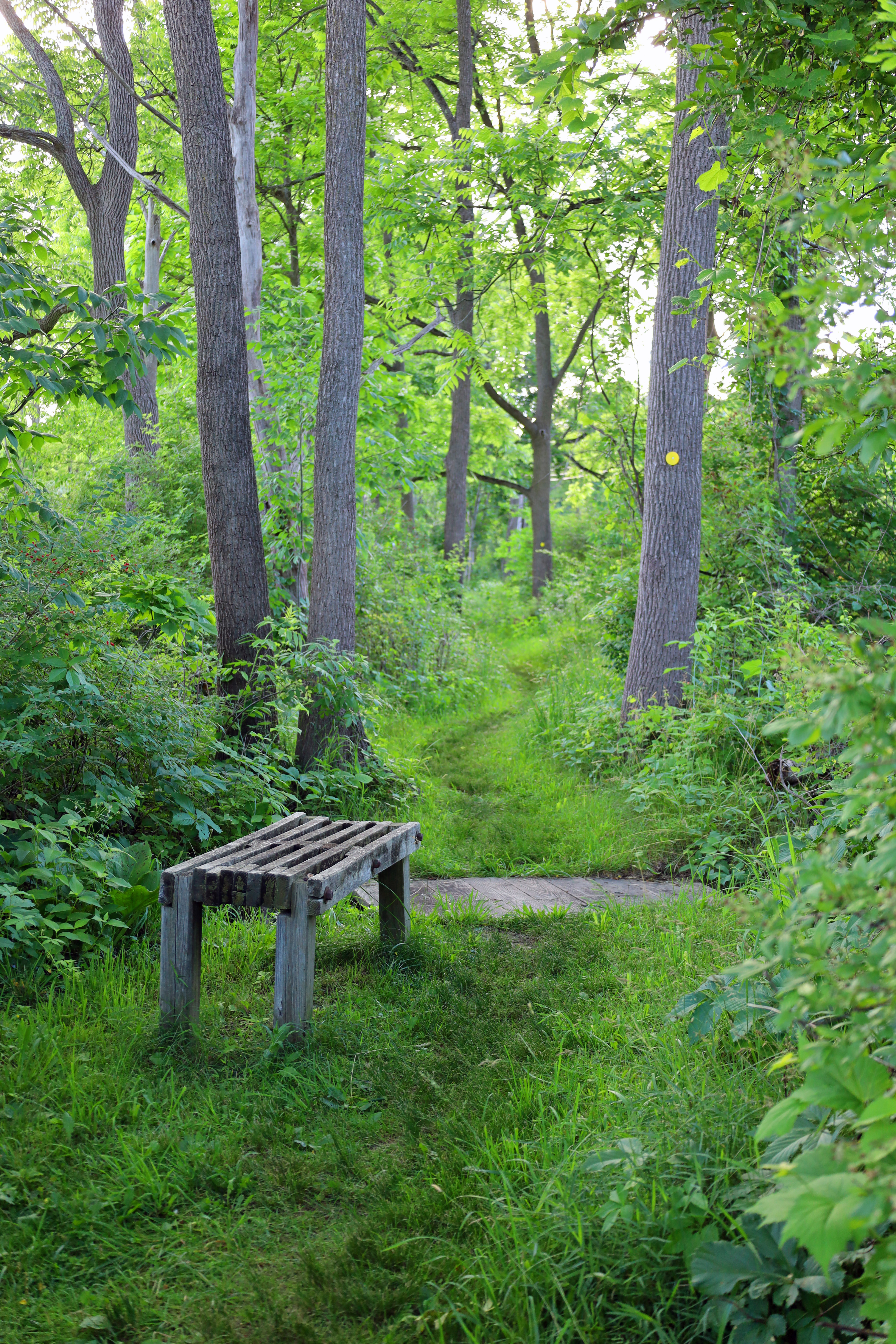
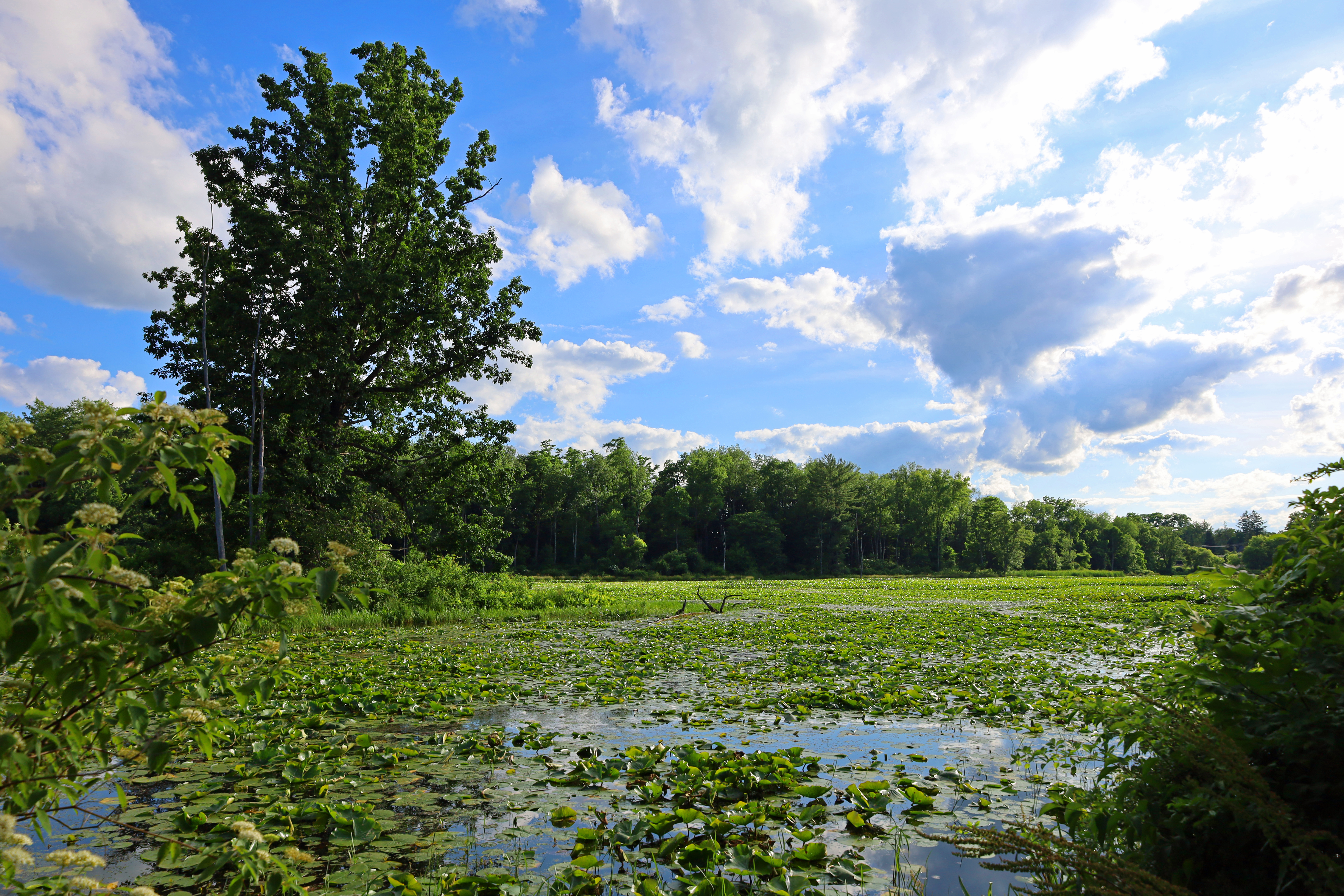
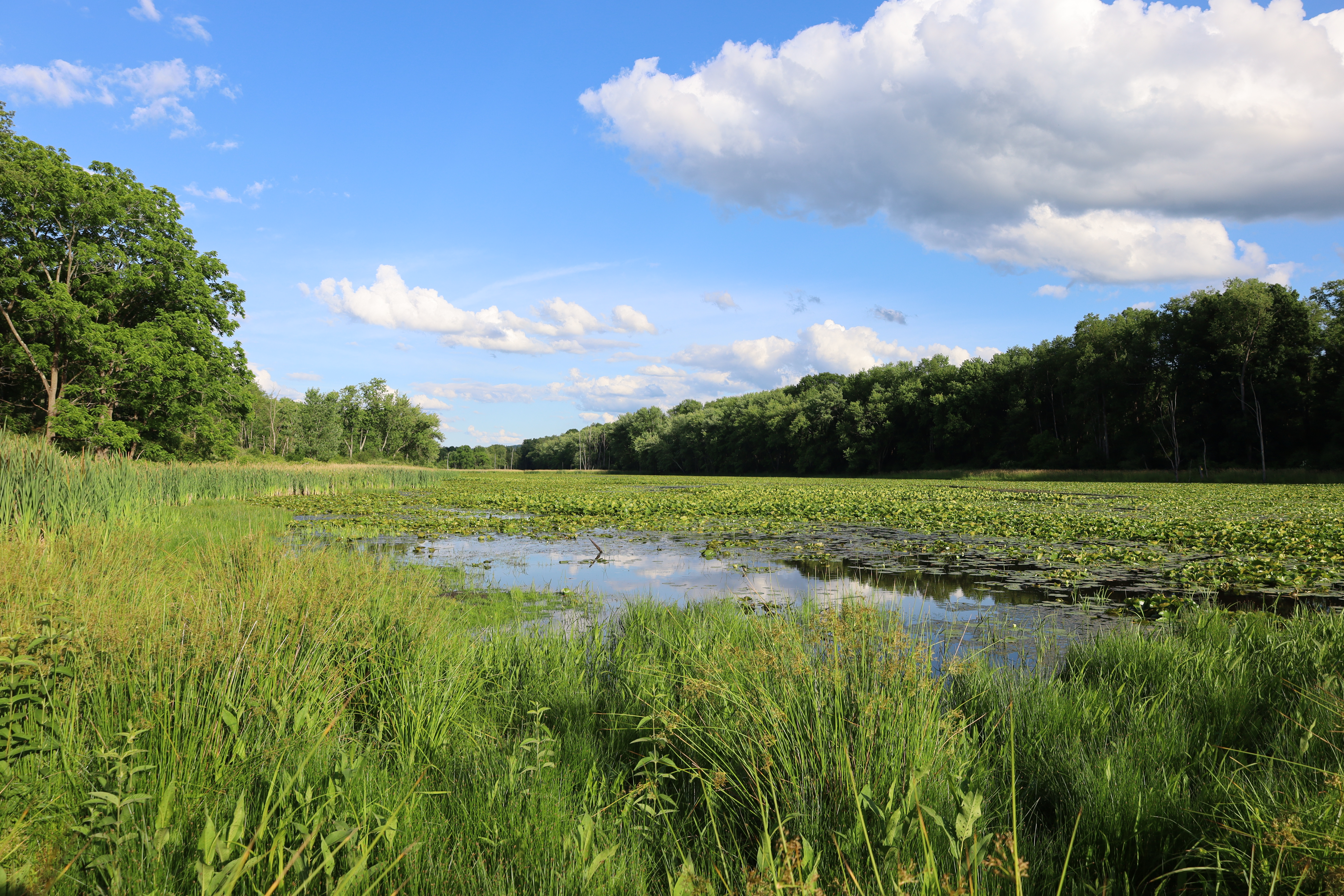
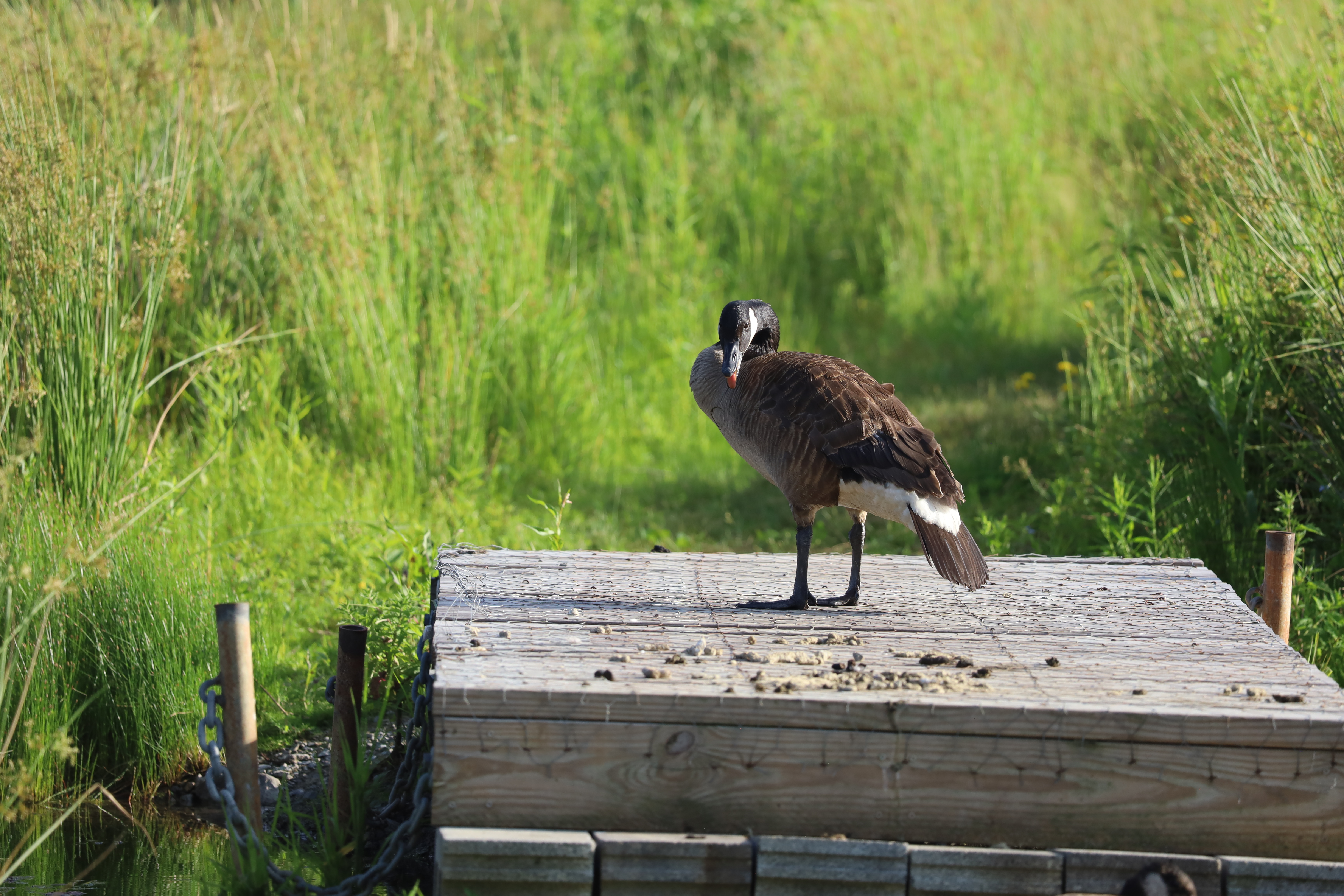
Last night, my daughter suggested we take a walk after supper. It was a nice change from our usual routine, and we enjoyed the beauty and activity of a local preserve a little later in the day than usual.
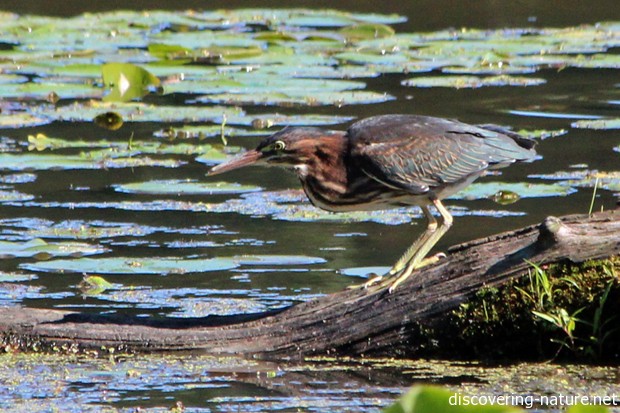
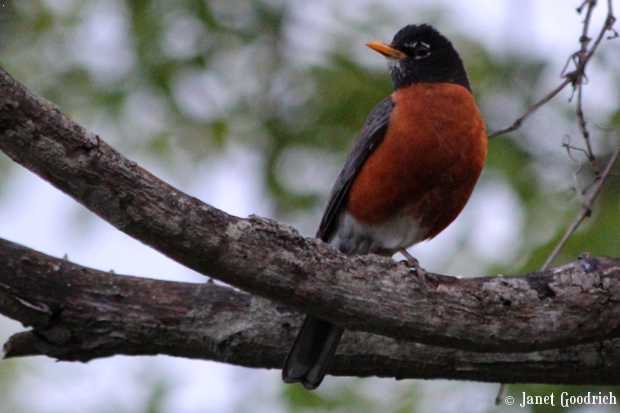
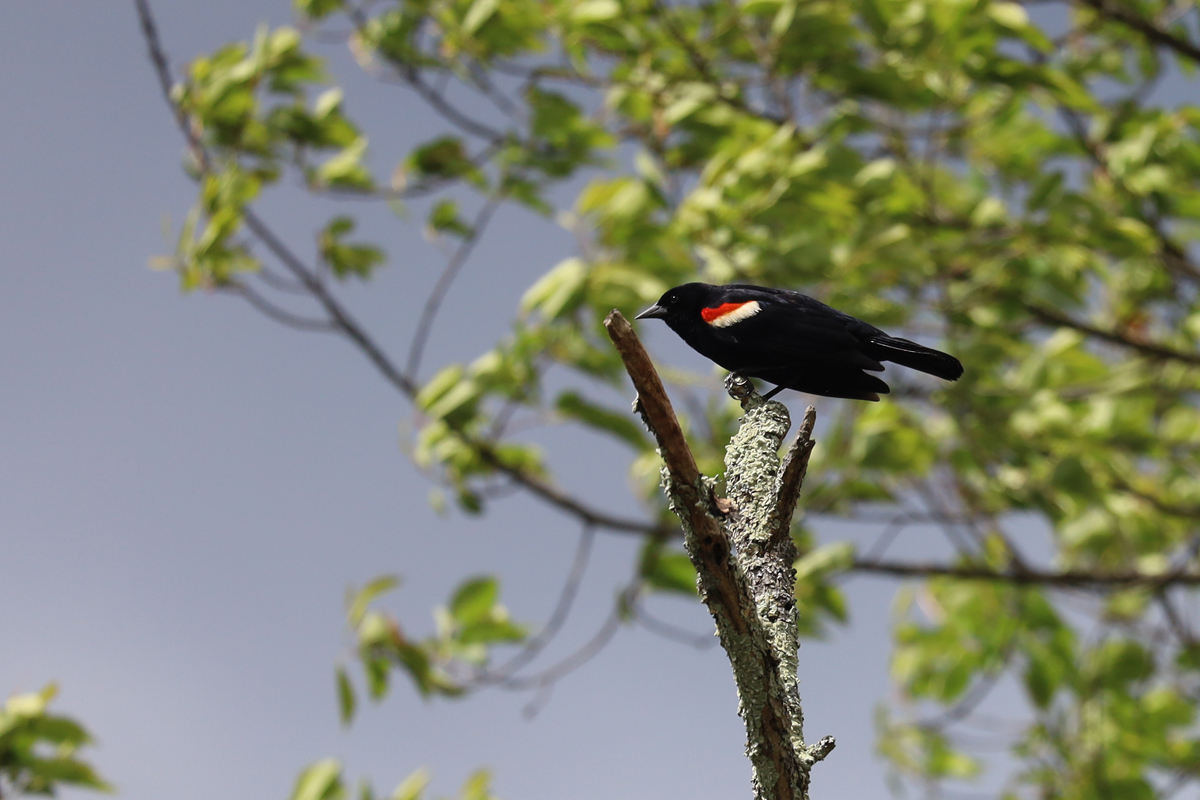
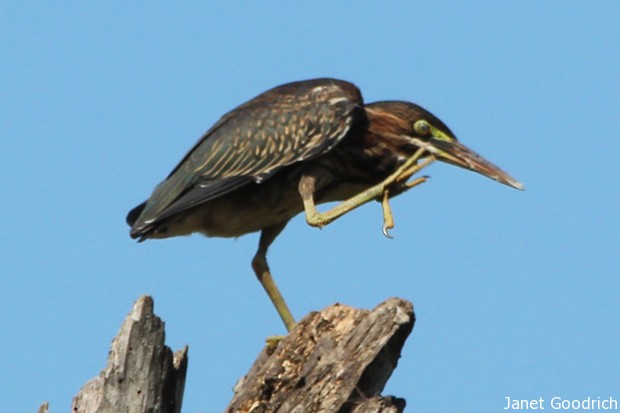
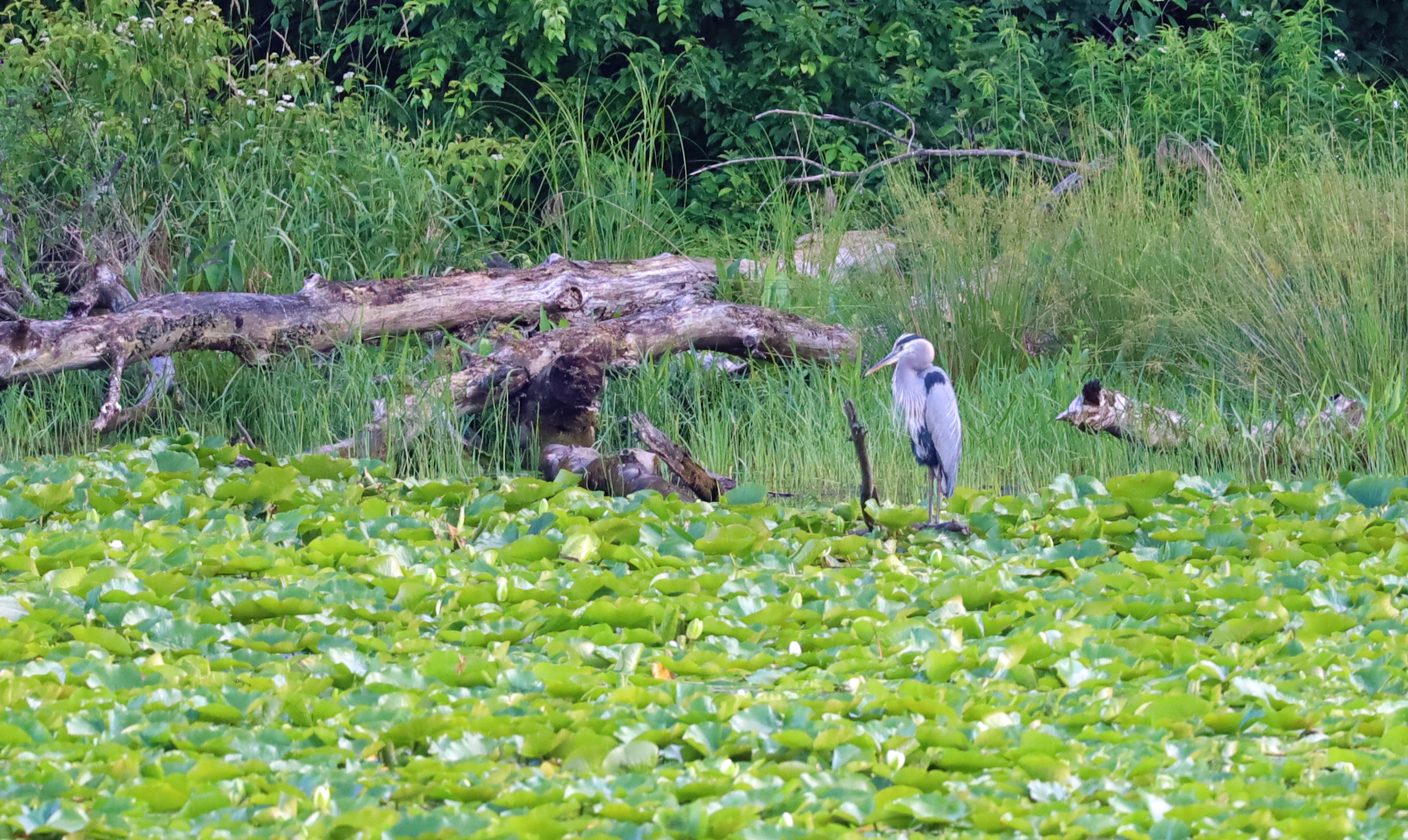
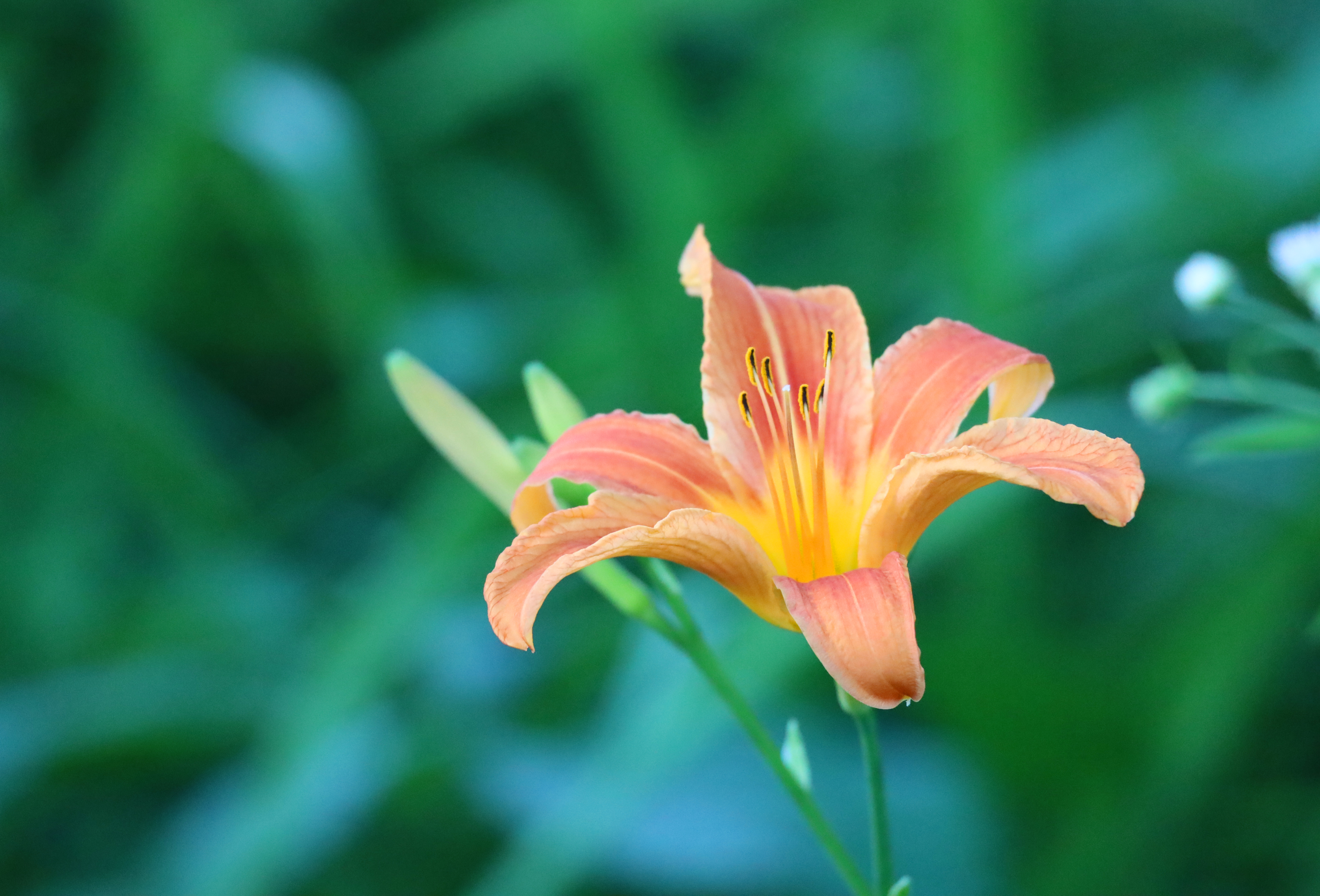
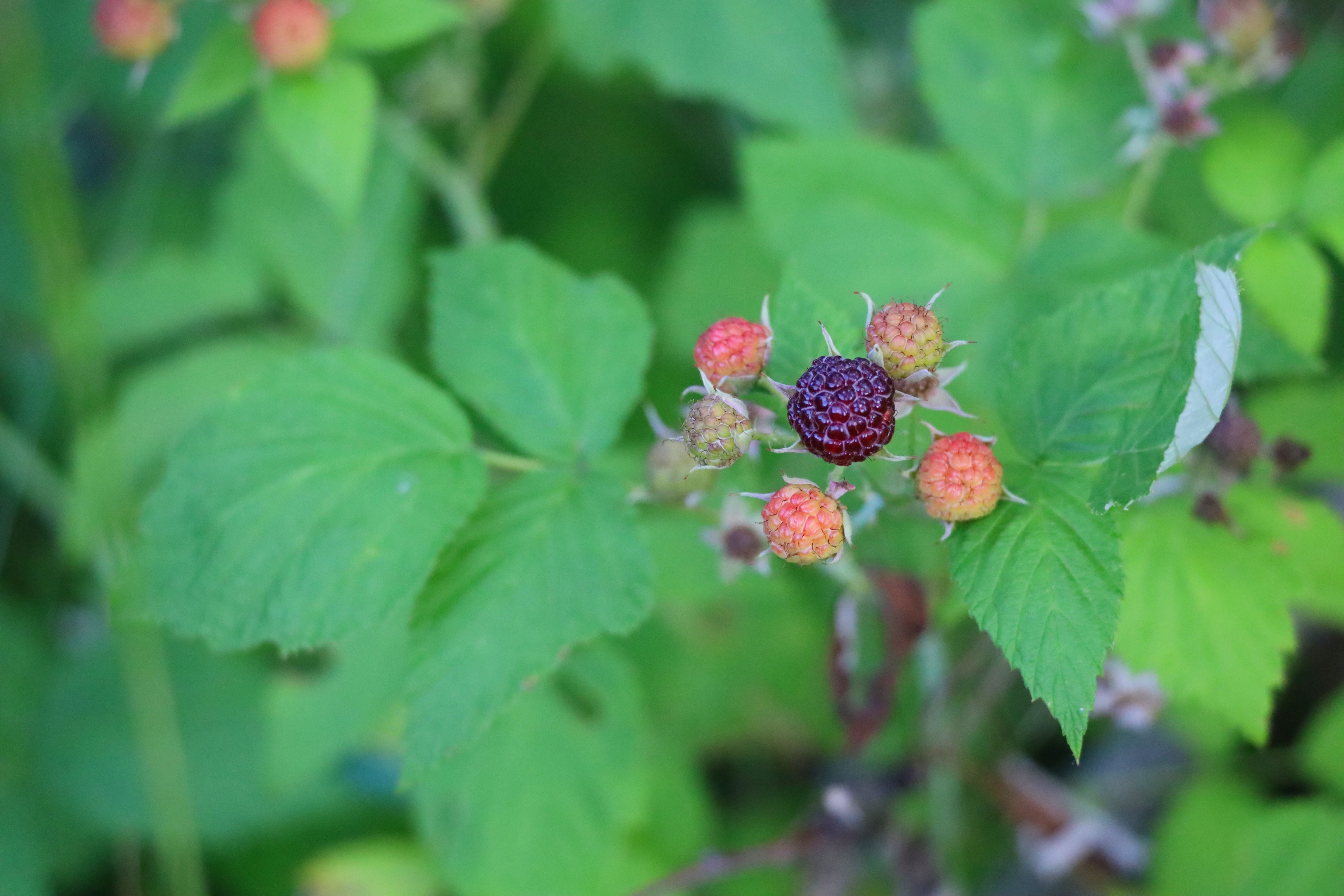
In addition to the sights in the slides below, we saw a kingfisher, some green herons, and a few turtles. We were serenaded by an orchestra of bullfrogs, and a few tree frogs. Robins, red-winged blackbirds, yellow warblers, catbirds and an Eastern kingbird went about their business.
When we paused to take one last look at the pond, we were delighted to see what we thought was a beaver pushing a gigantic lily pad along before him as he swam toward the bank under cover of the fallen willow I mentioned in this post. Walking along the edge of the pond for a few minutes afterward, we noticed a muskrat swimming alongside us on its way — well, home I guess! After further discussion later, we realized the muskrat is probably the only swimming rodent we saw, rather than a beaver.
Still, it was an interesting and peaceful walk. We’ll hope for a beaver sighting another time.
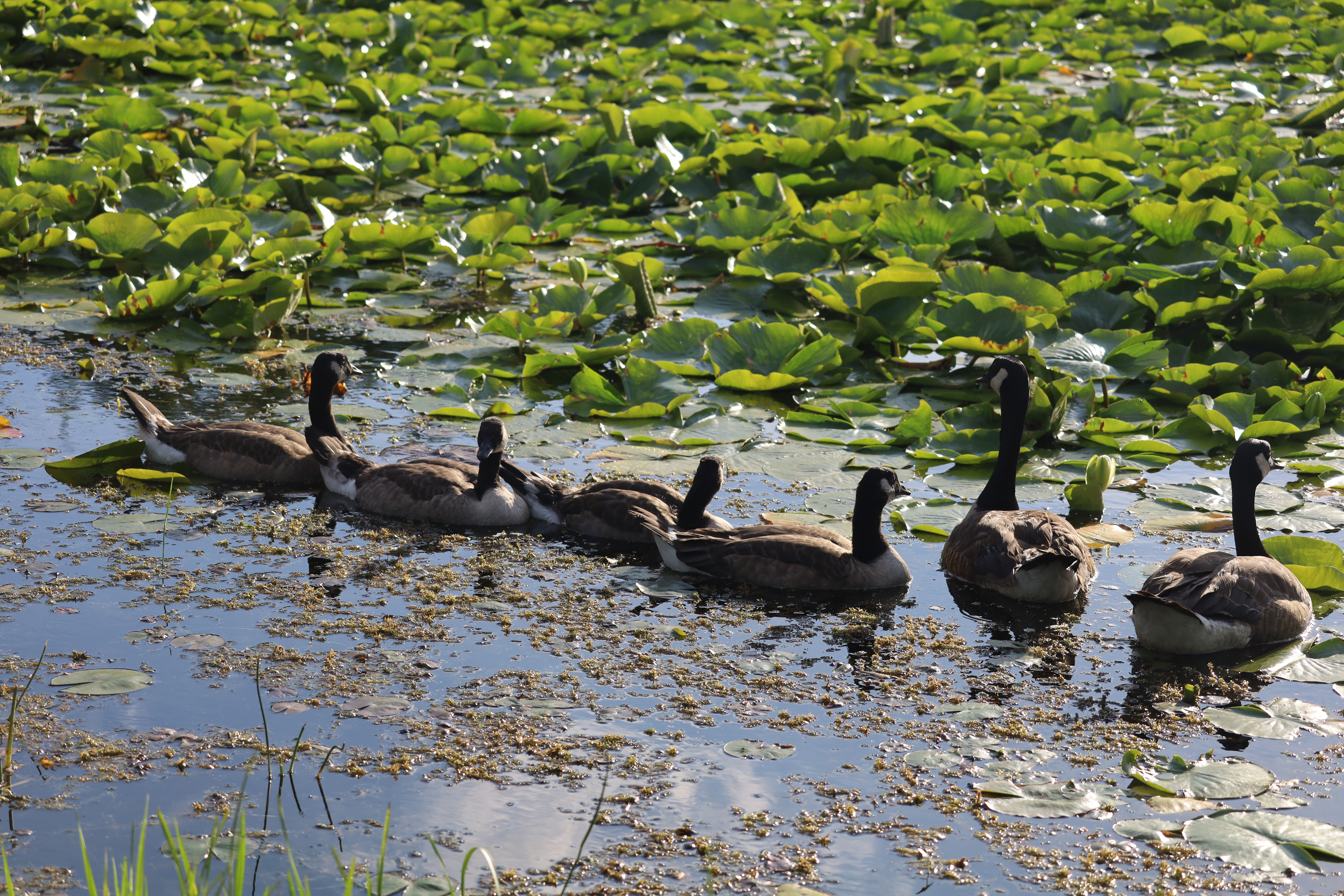
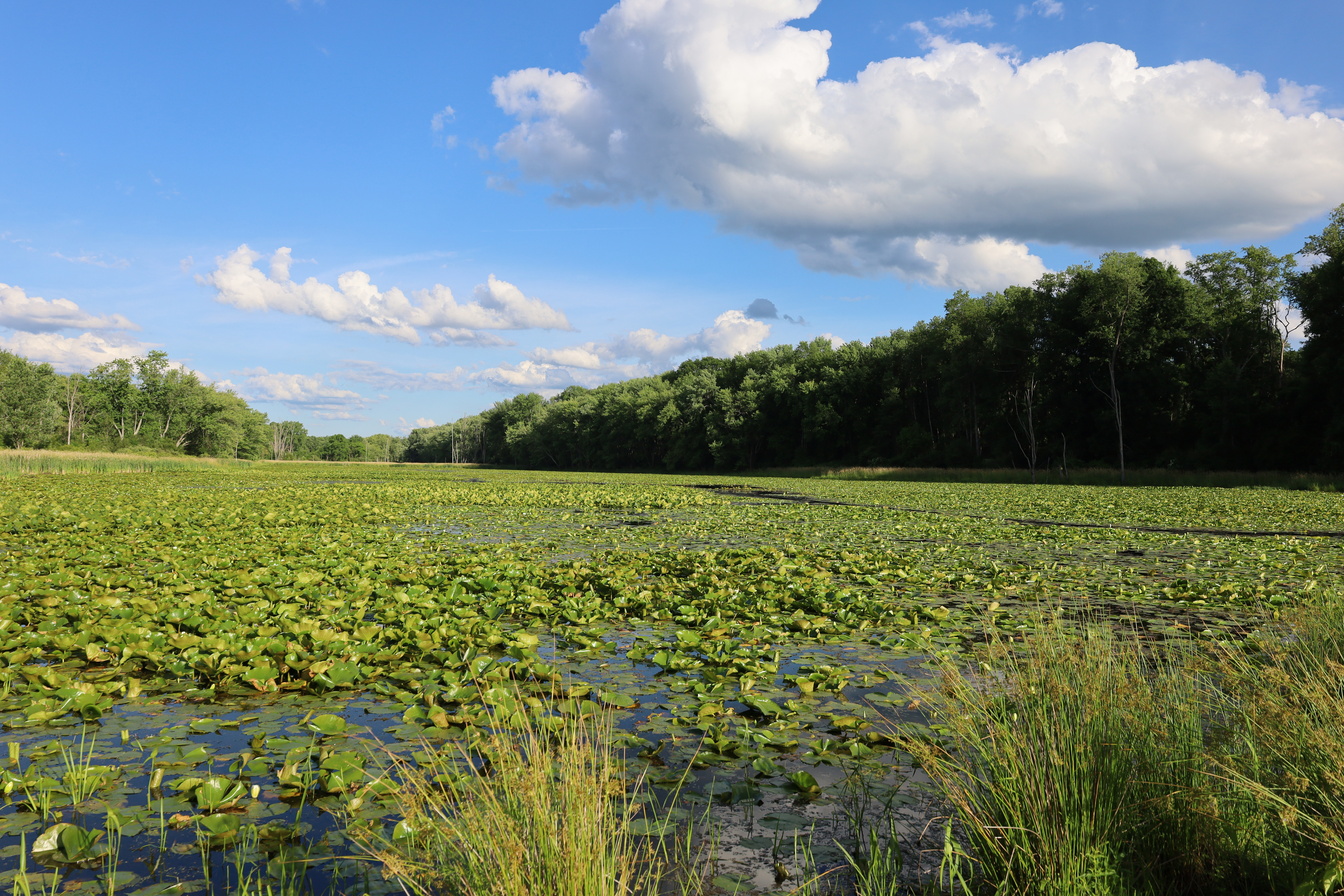
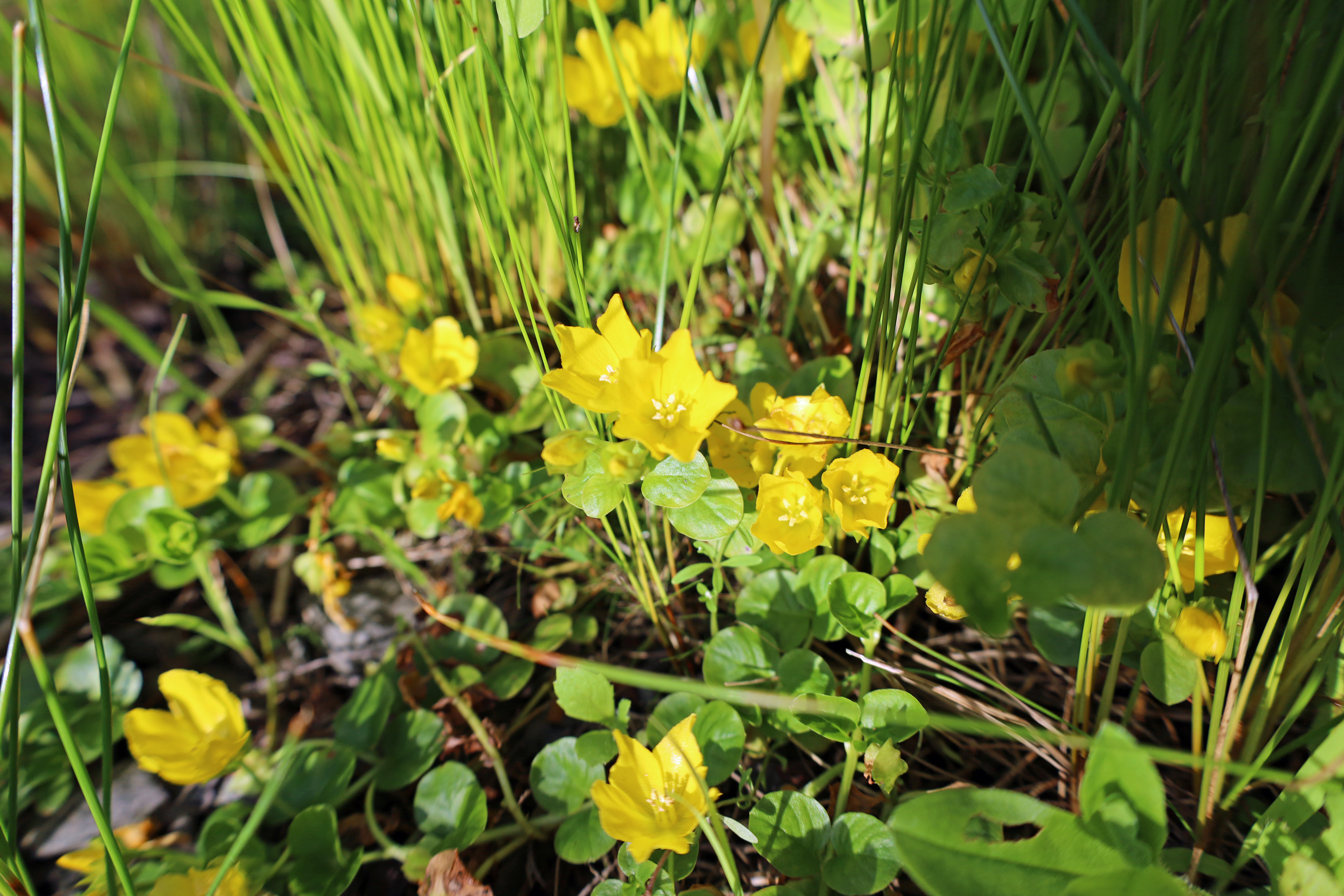
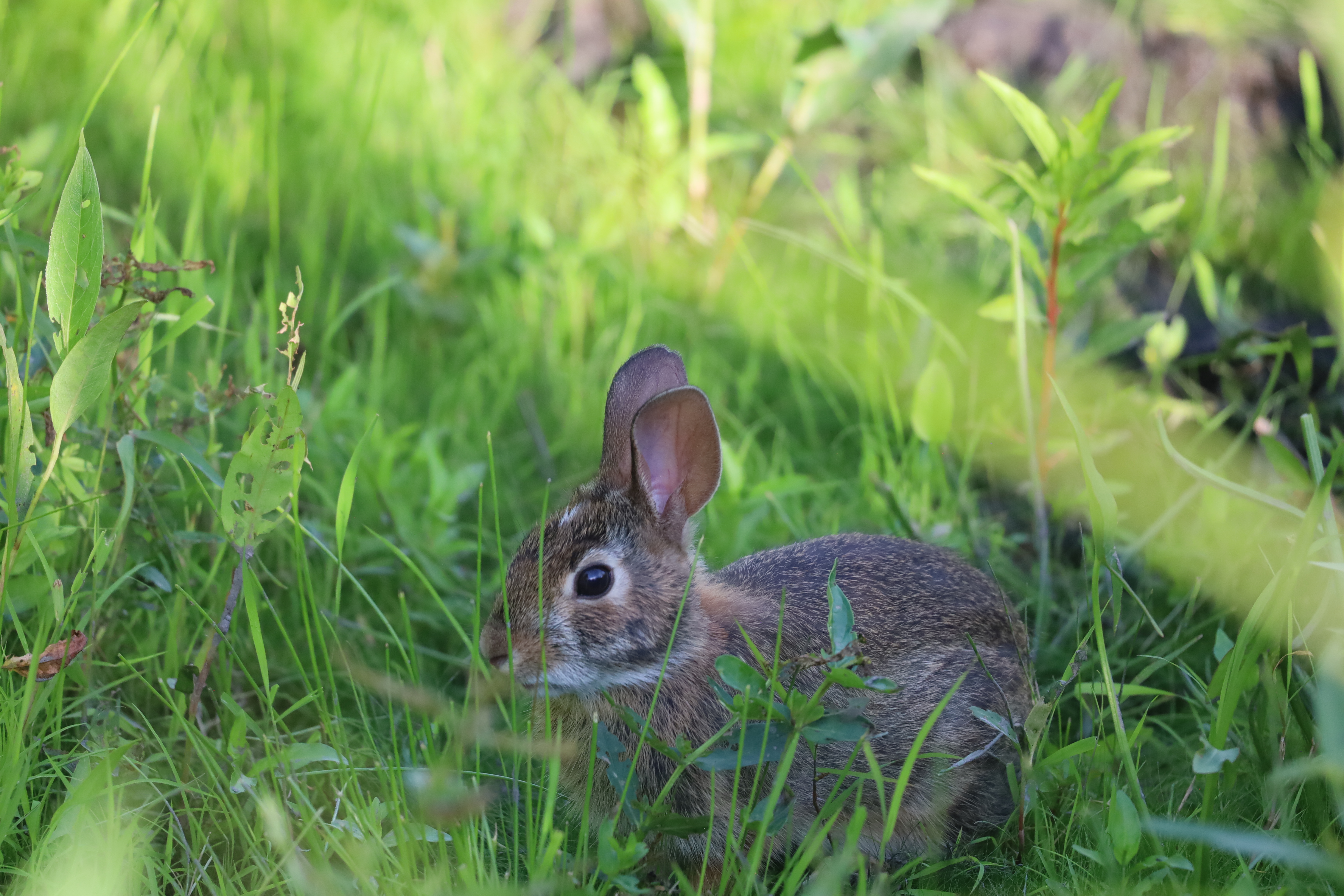
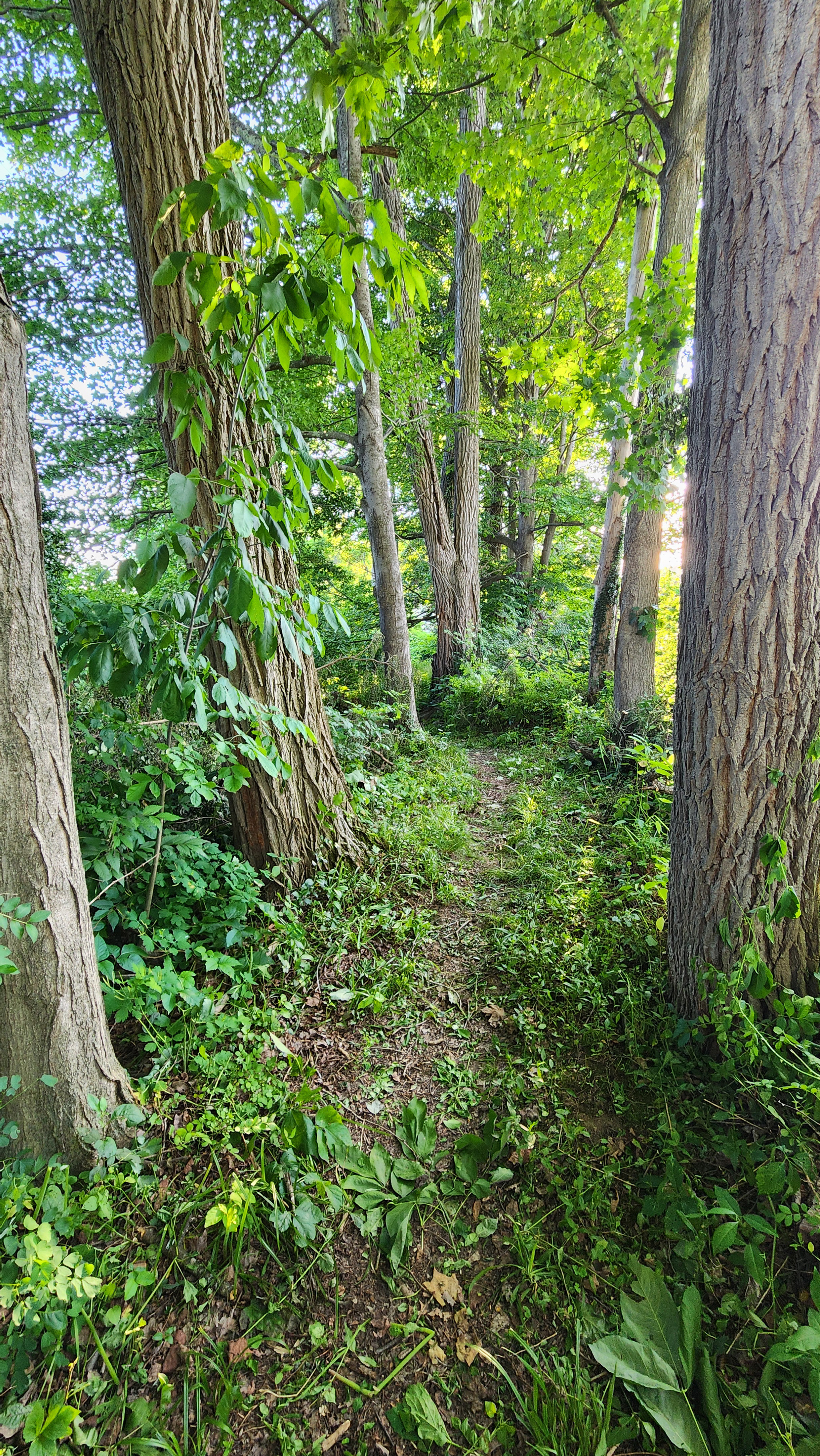
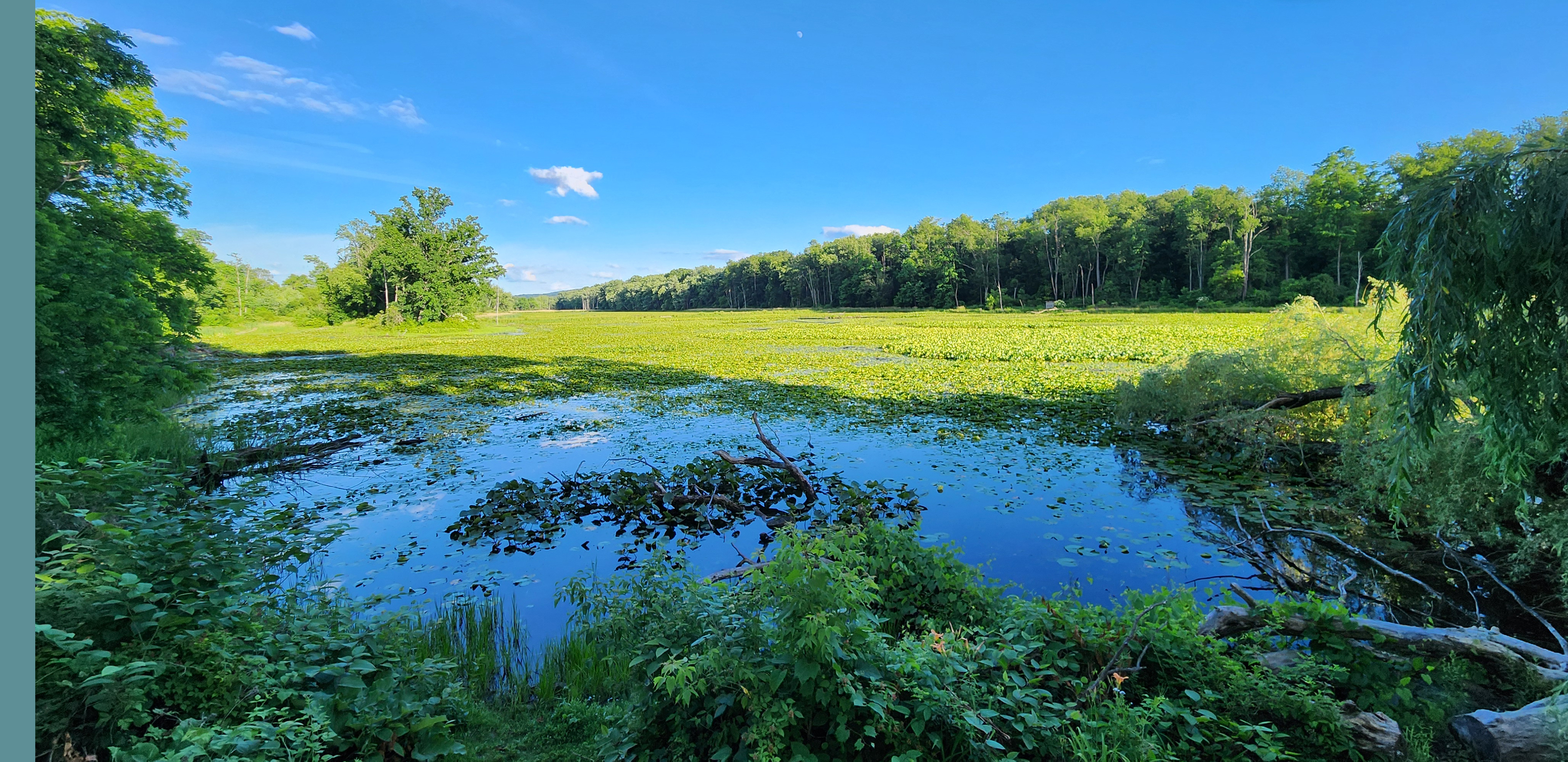
-
Visiting the Glen
Only thoughts reached by walking have value. (Nietzsche, Twilight of the Idols)
The Glen is one of several gorges we can explore in the Finger Lakes region. Its advantage is that it’s close; its disadvantage is that it’s isolated, and I feel uneasy venturing forth alone. At different times in the past, I’ve heard screams, seen disturbing graffiti scrawled on rocks, and felt generally vulnerable.
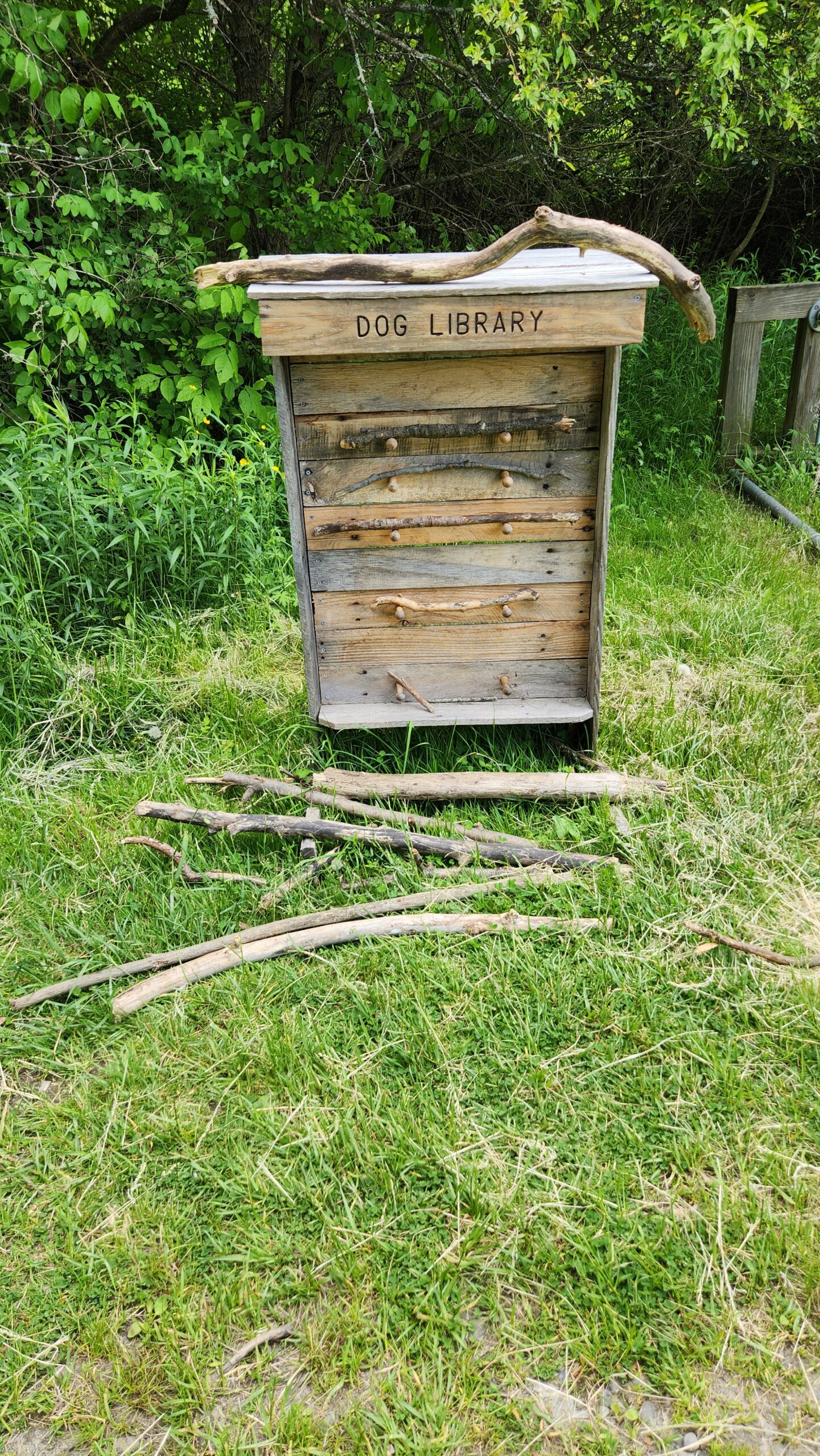
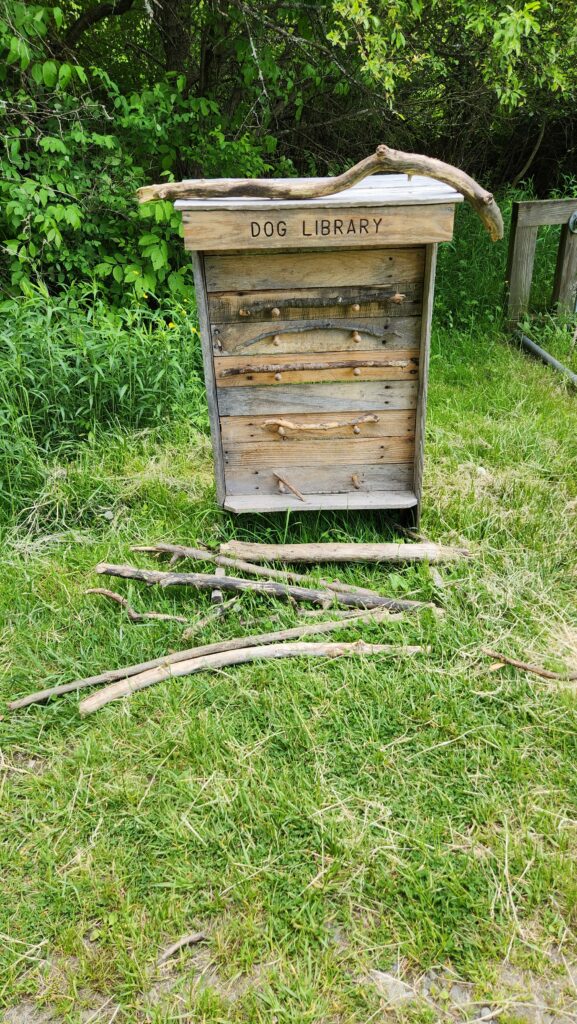
But on this occasion I had a walking companion and a dutiful though nearly deaf dog close at hand, so it all had a friendly feel. This library of sticks for dogs was added since our last visit, and it lent a hospitable vibe to the trailhead.
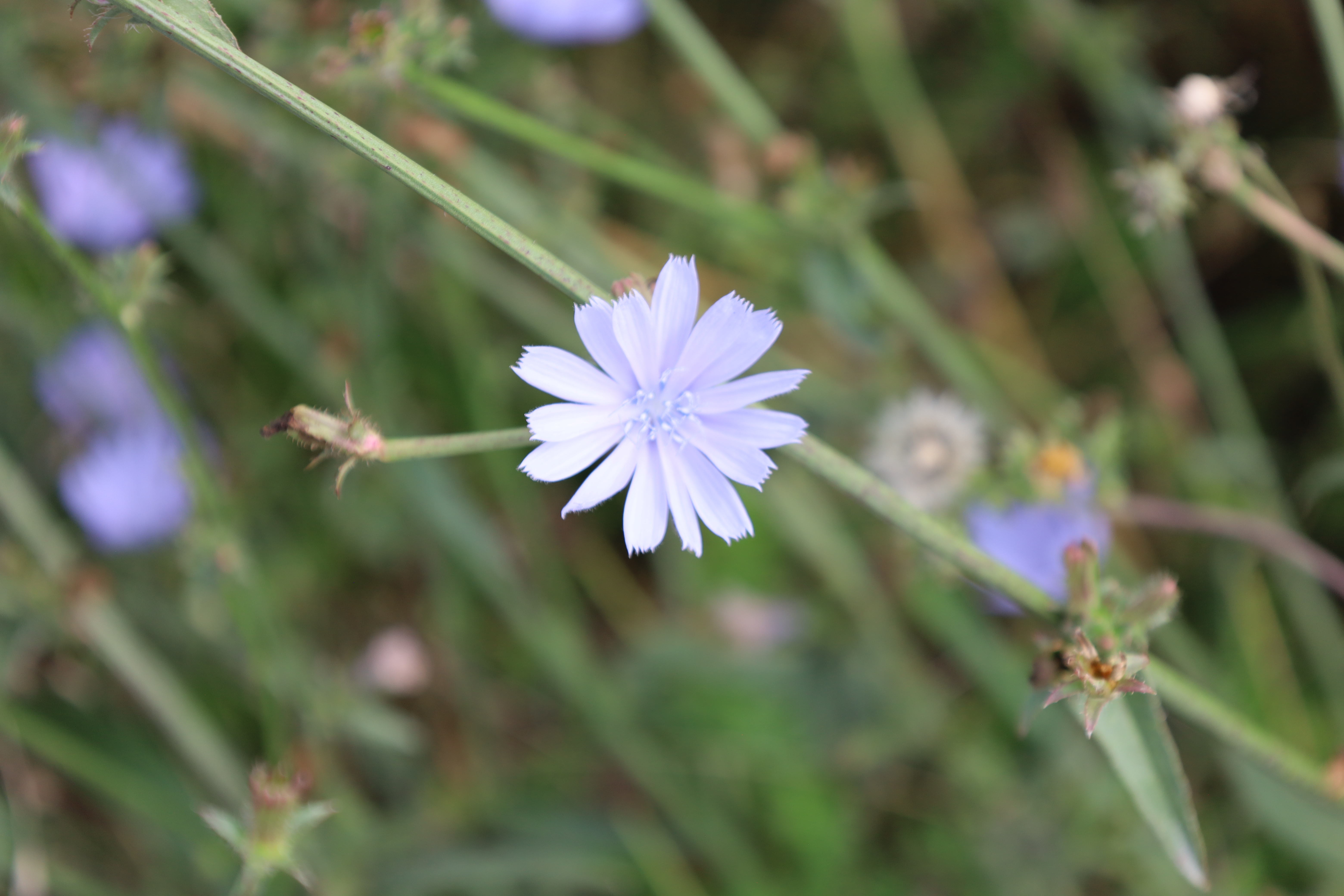
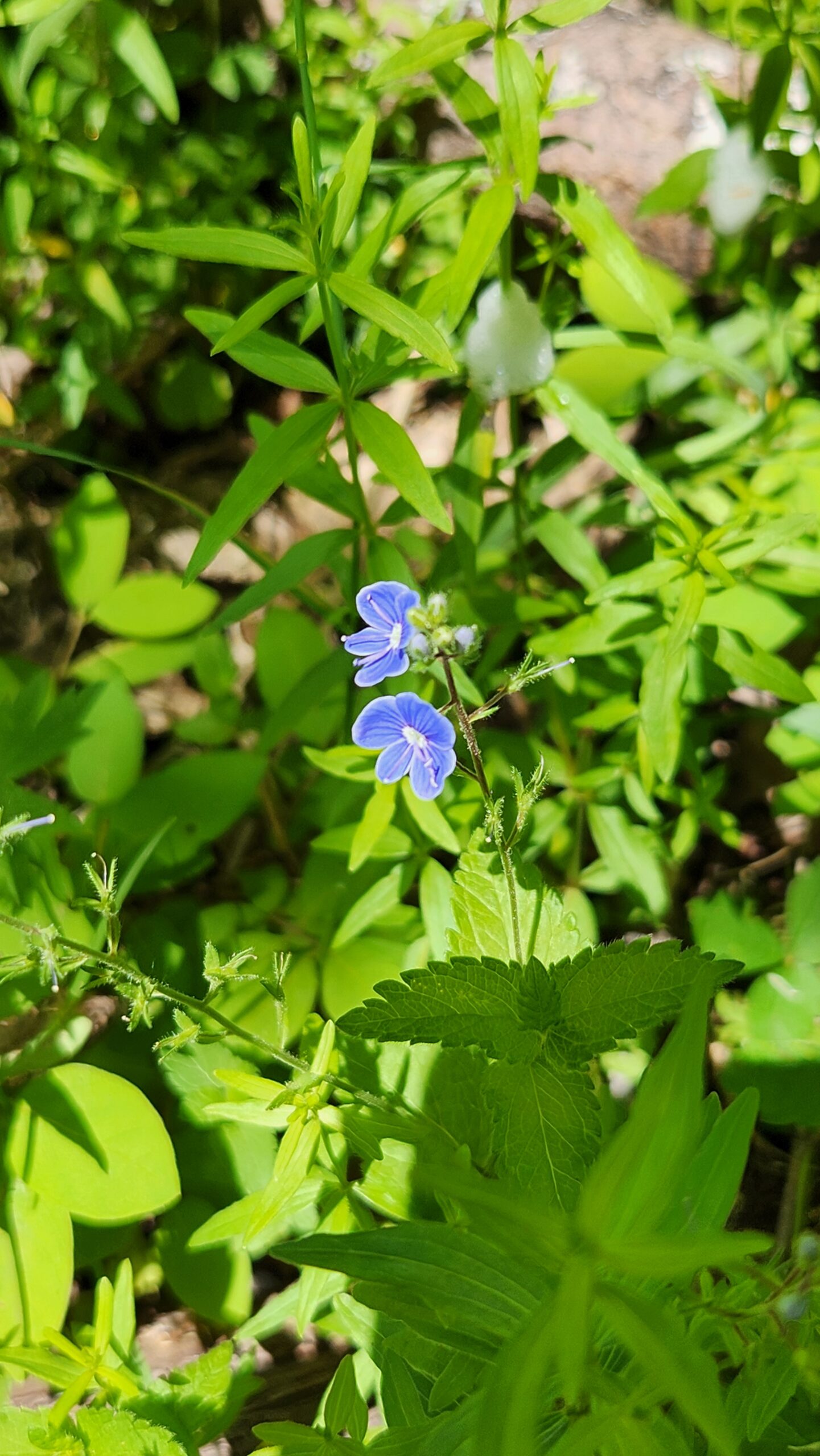
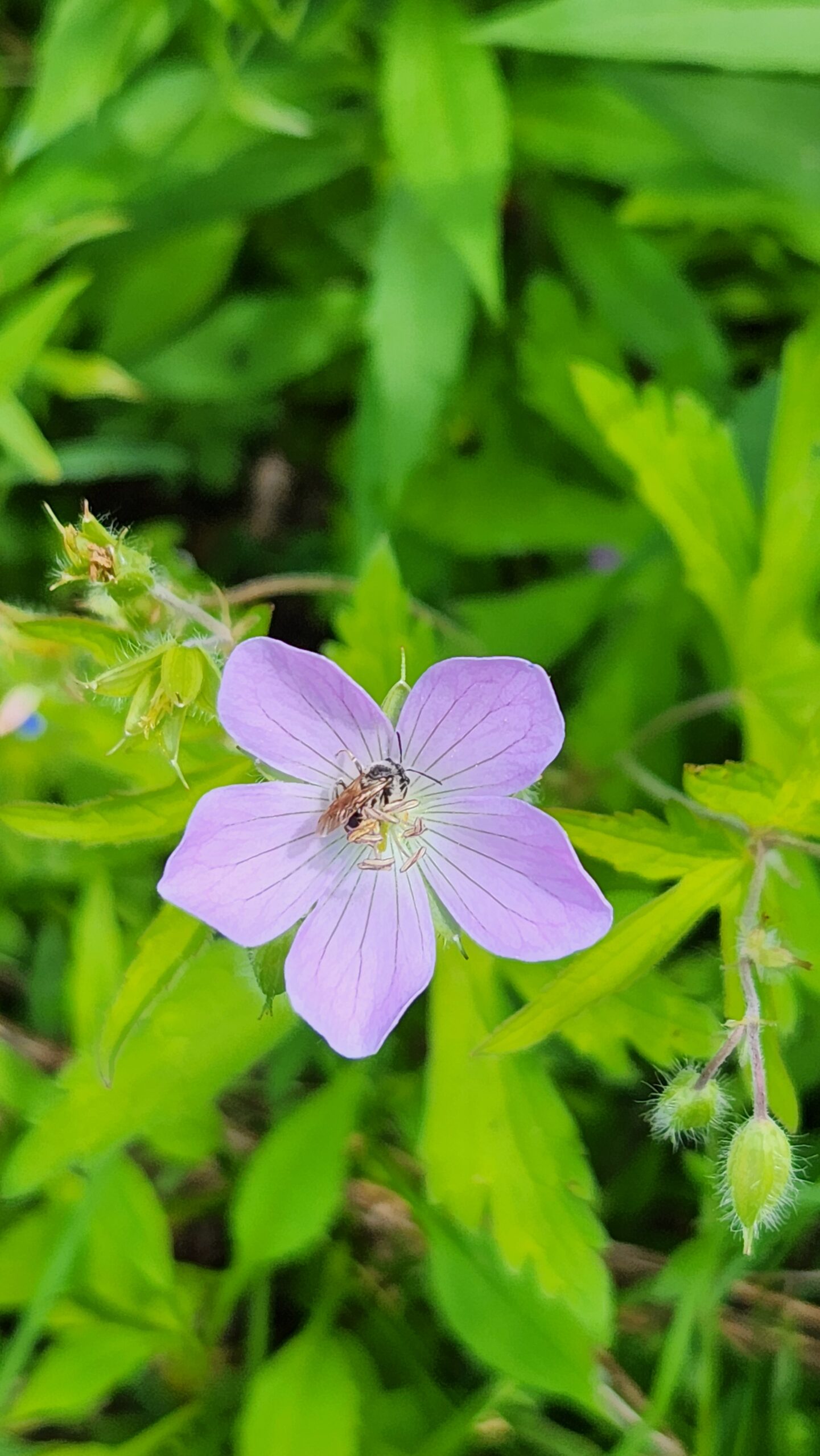
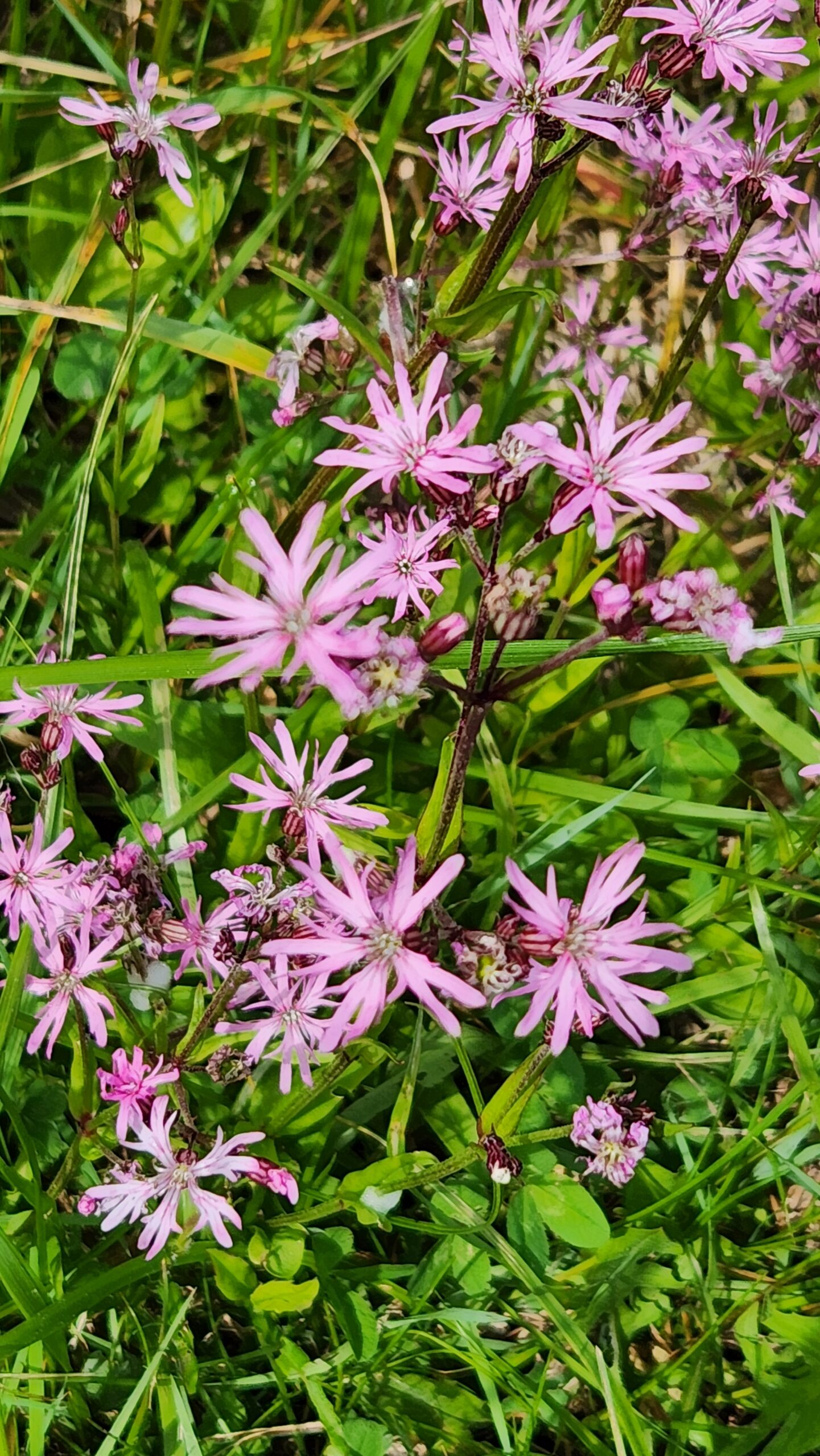
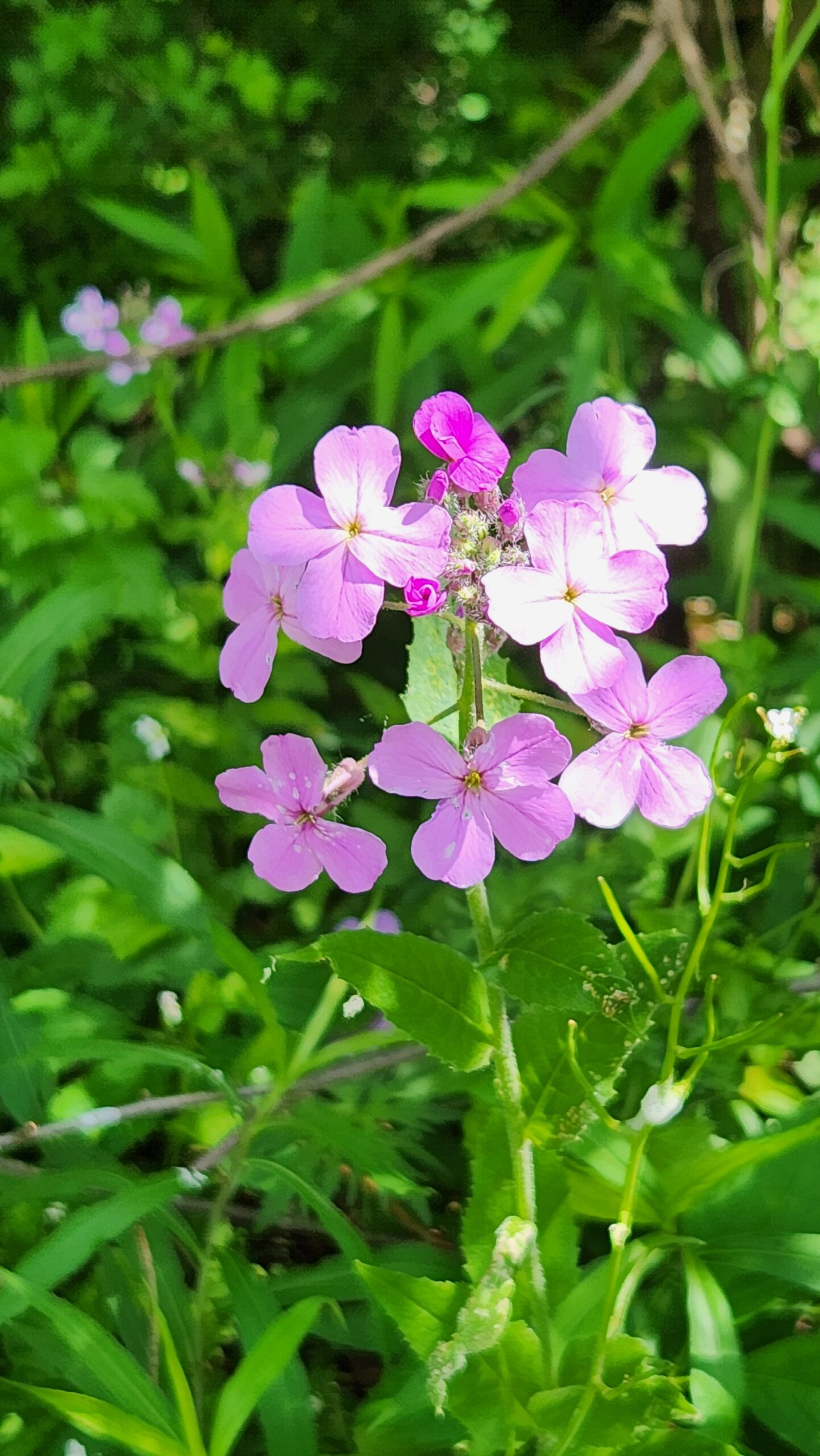
There’s always a collection of wildflowers growing this time of year. Though I’d chosen to leave my big camera at home, I tried to capture some pics.
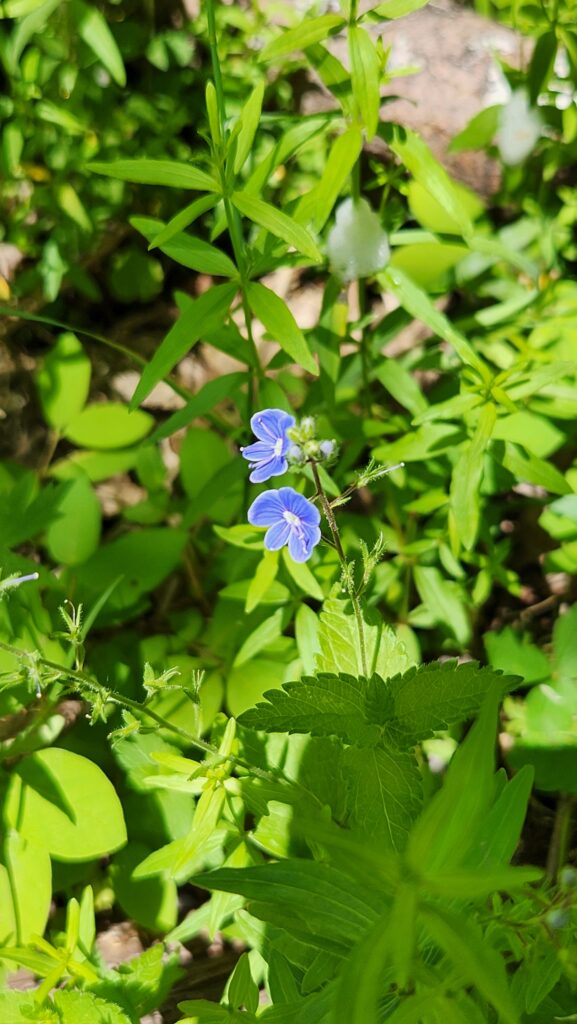
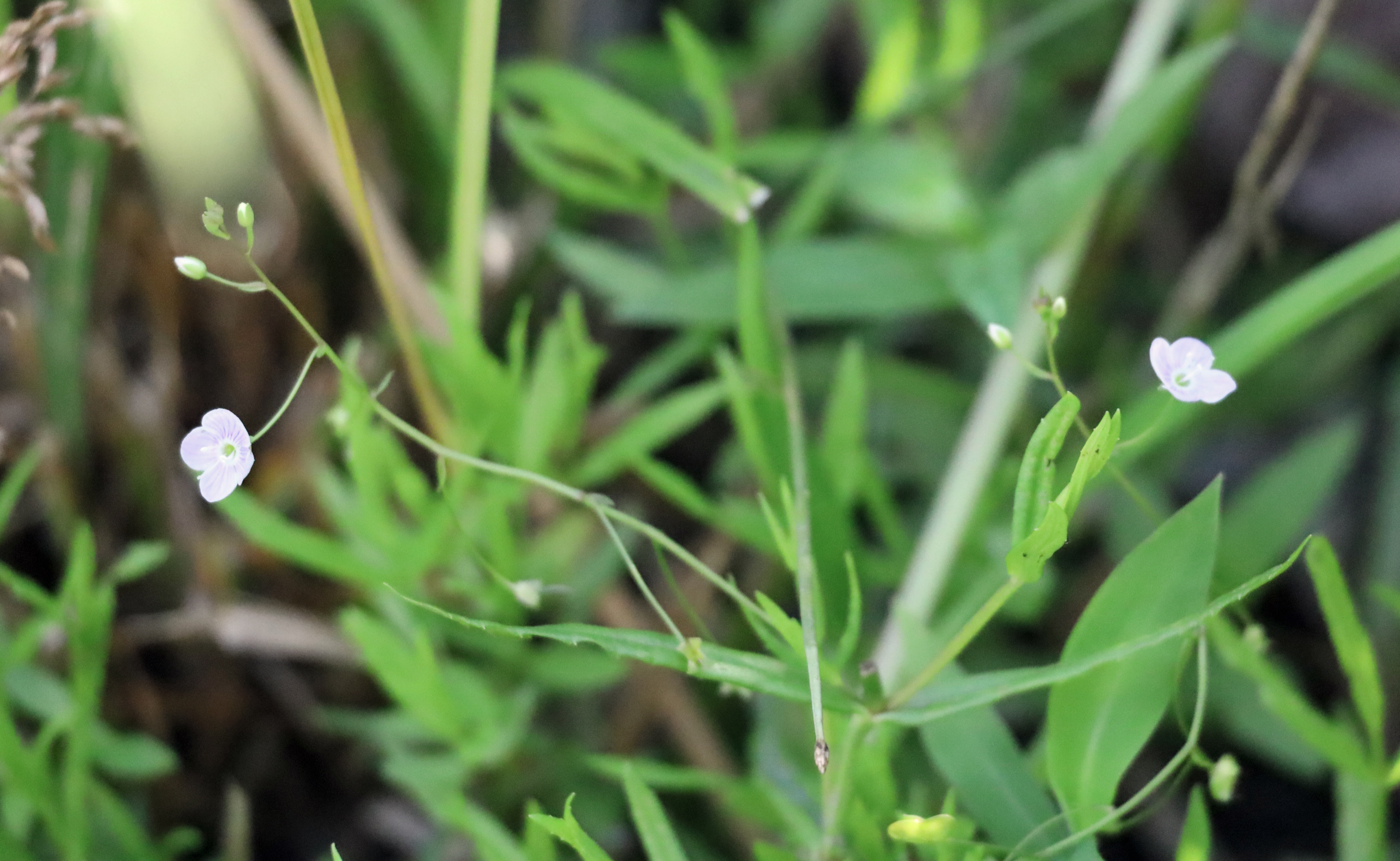
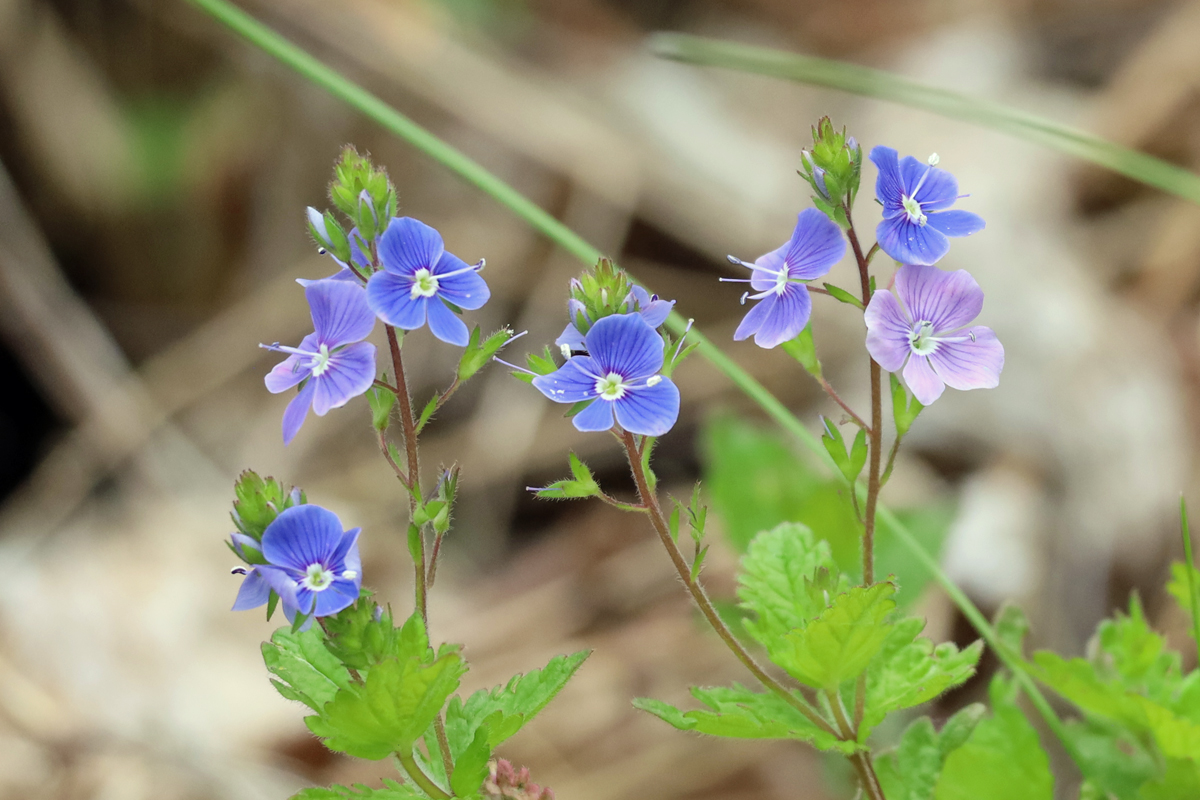
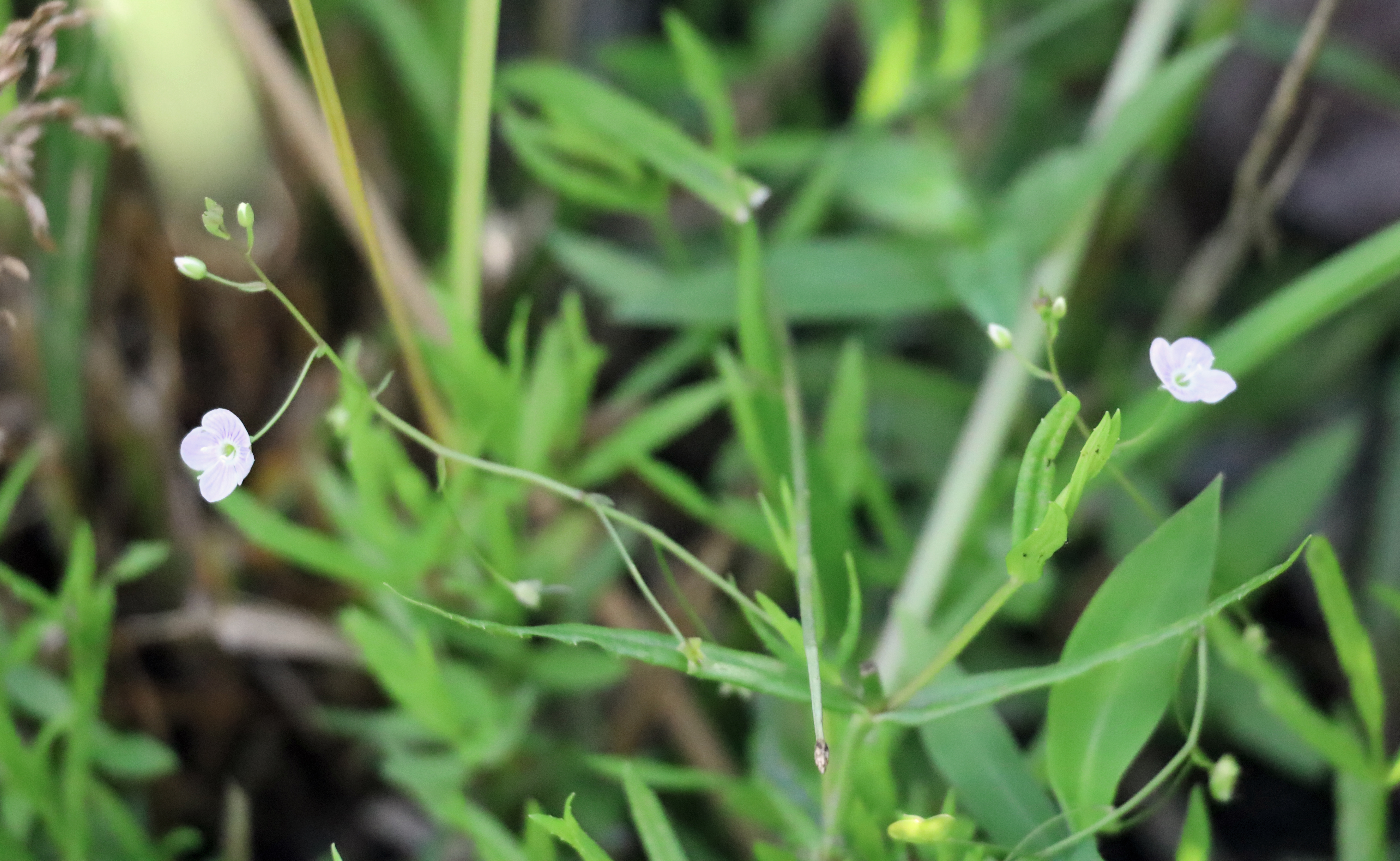
Bird’s eye speedwell 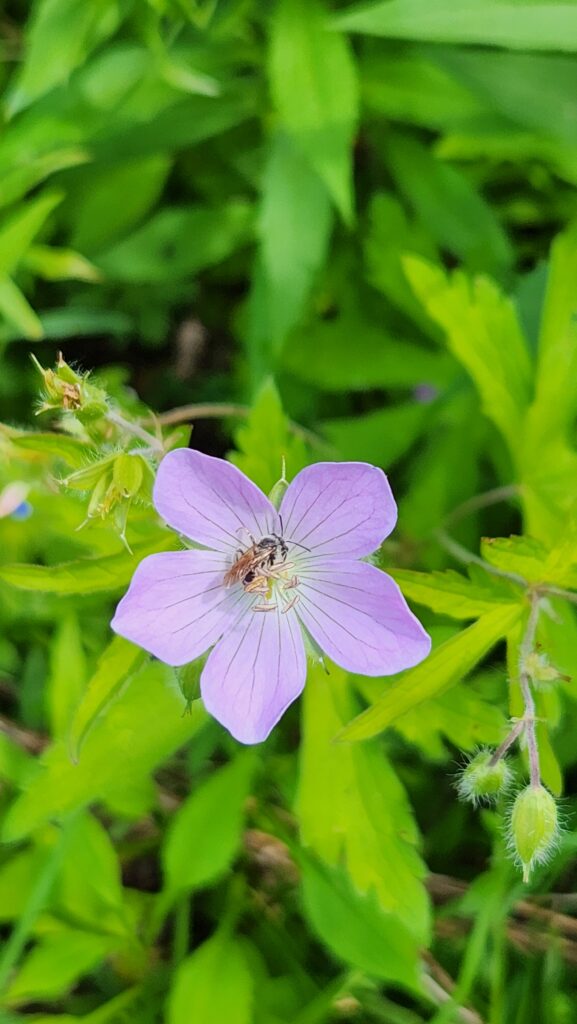
Wild Geranium 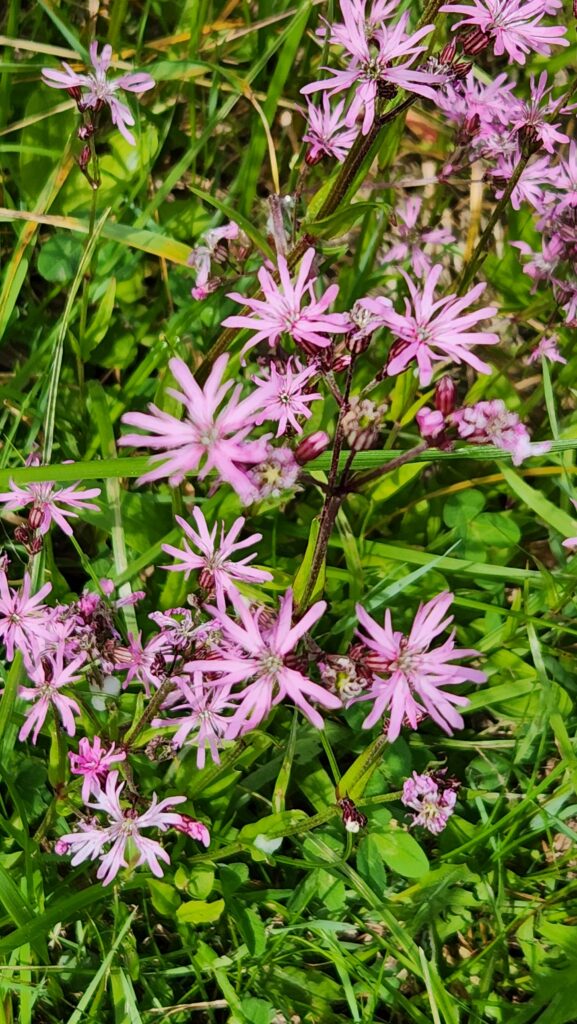
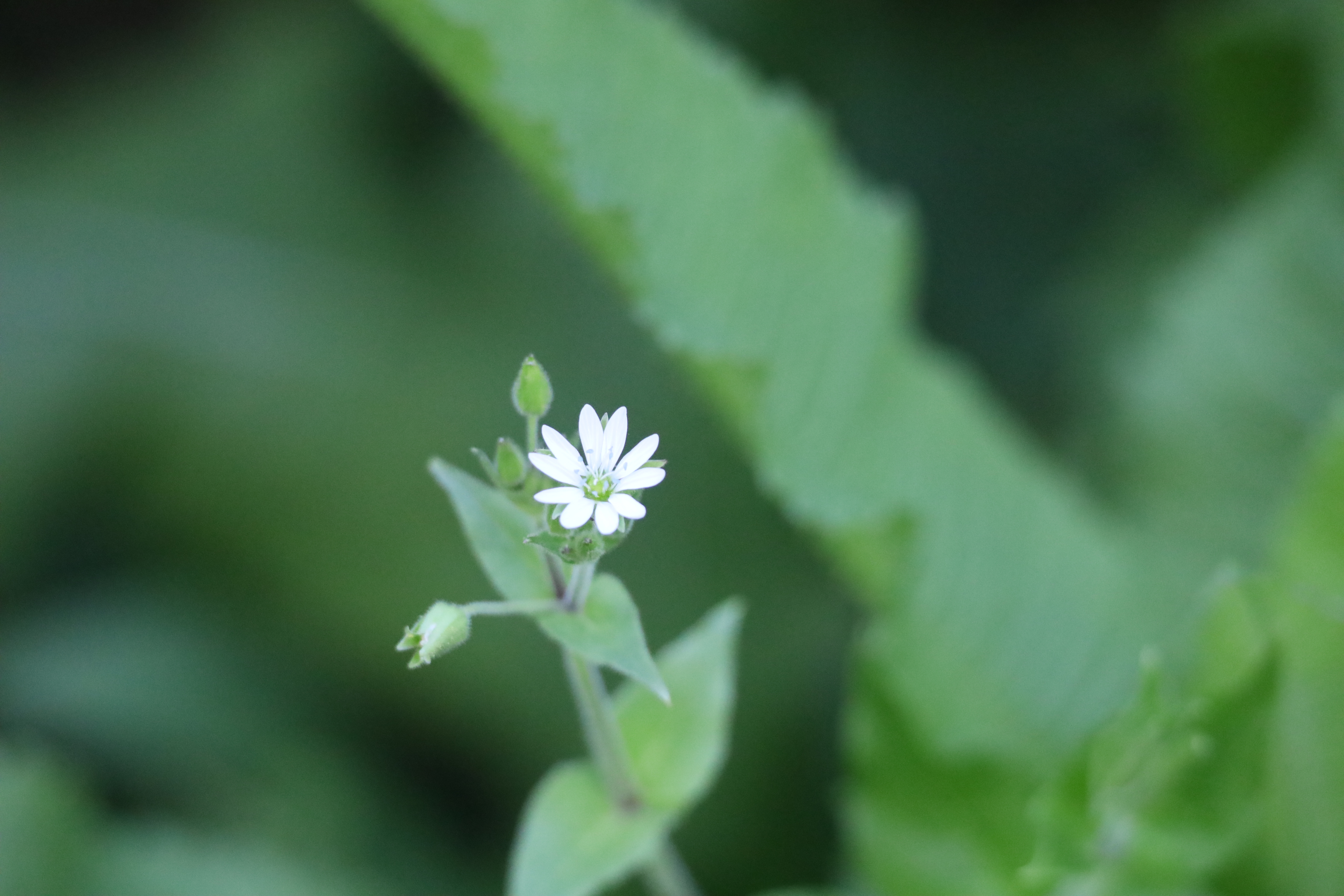
Mystery flowers 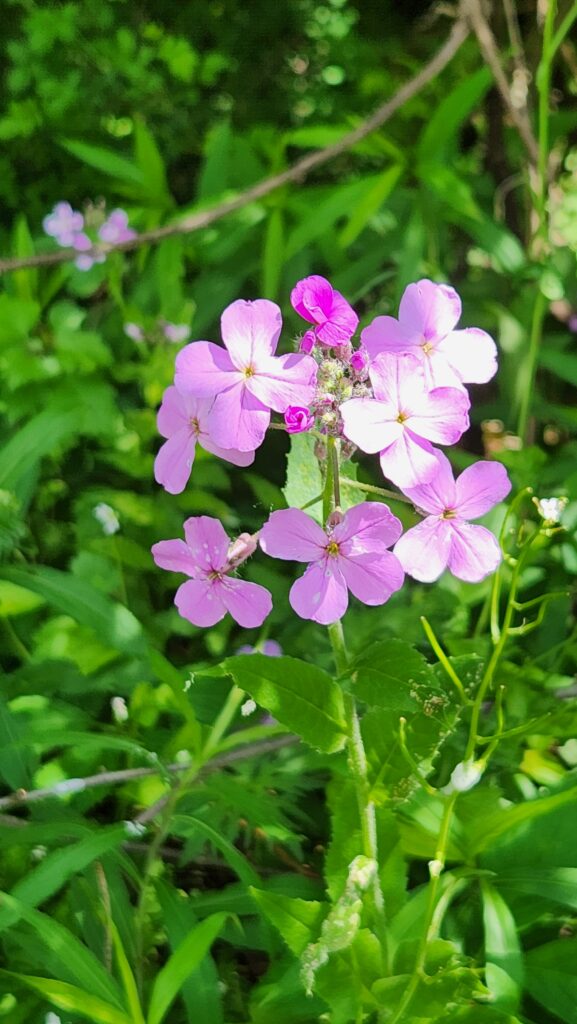
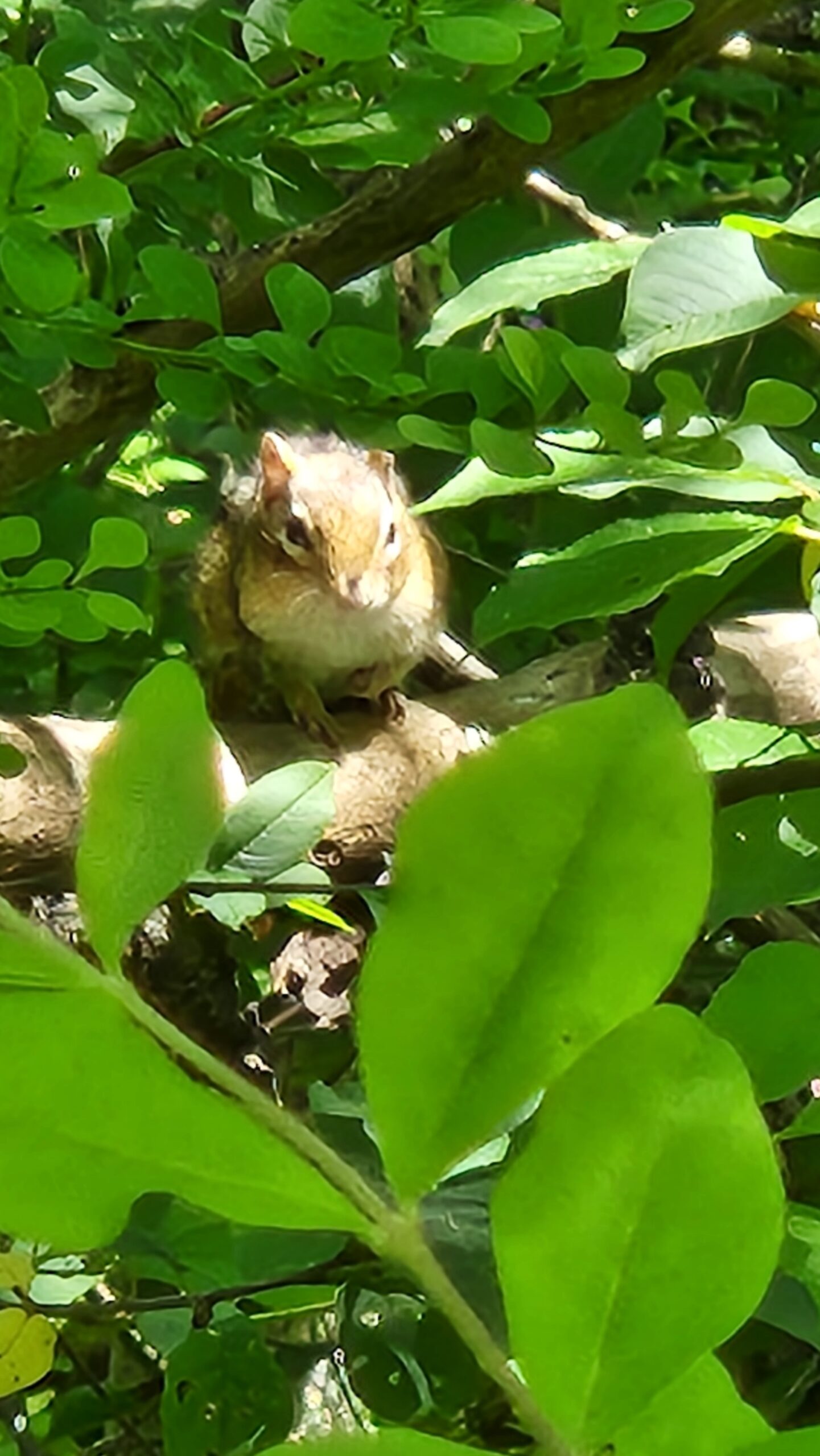
Dame’s Rocket There’s always a chipmunk somewhere. This one watched us start down the trail.
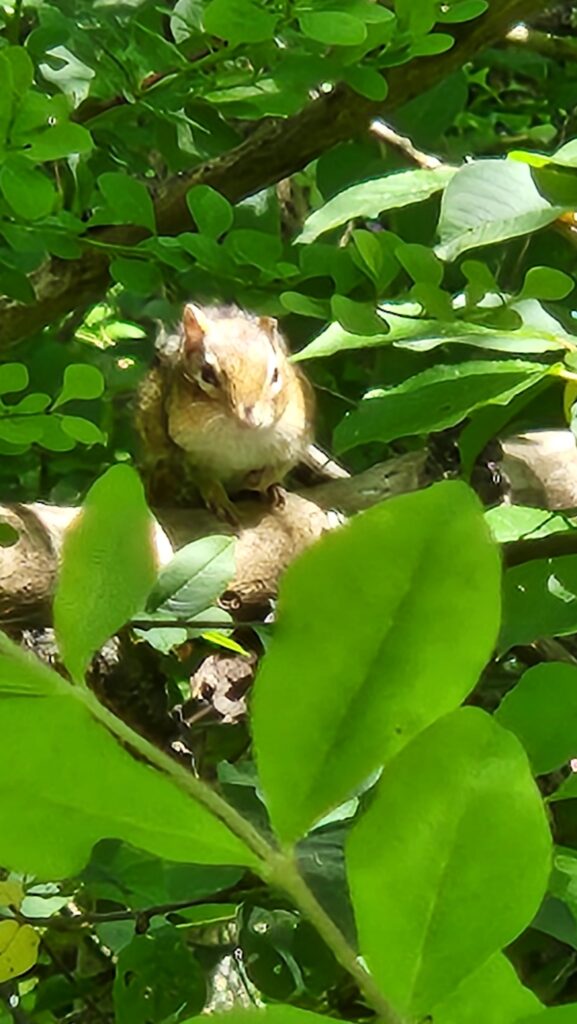
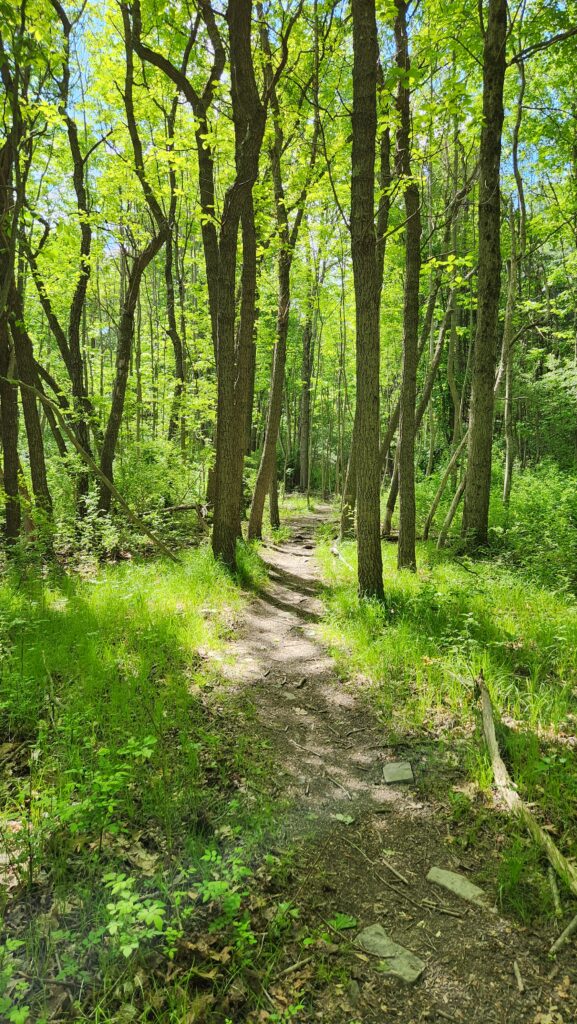
Though we didn’t walk down the stream bed, its beauty and cool dampness refreshed us as we crossed. Once, years ago, we heard a winter wren singing along this stretch, and lured it closer by playing the All About Birds recording of its song.
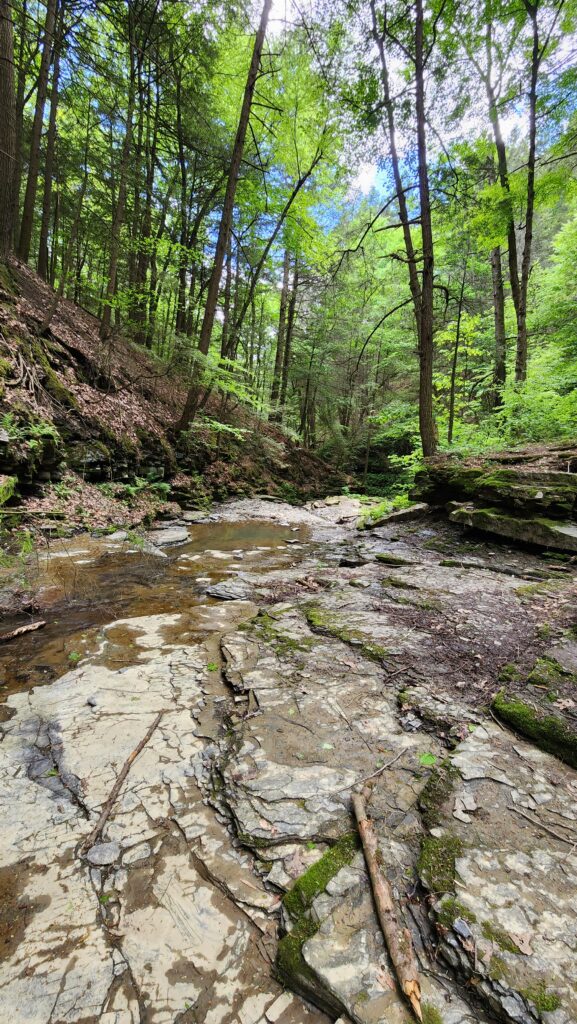
We walked a trail along the bank.
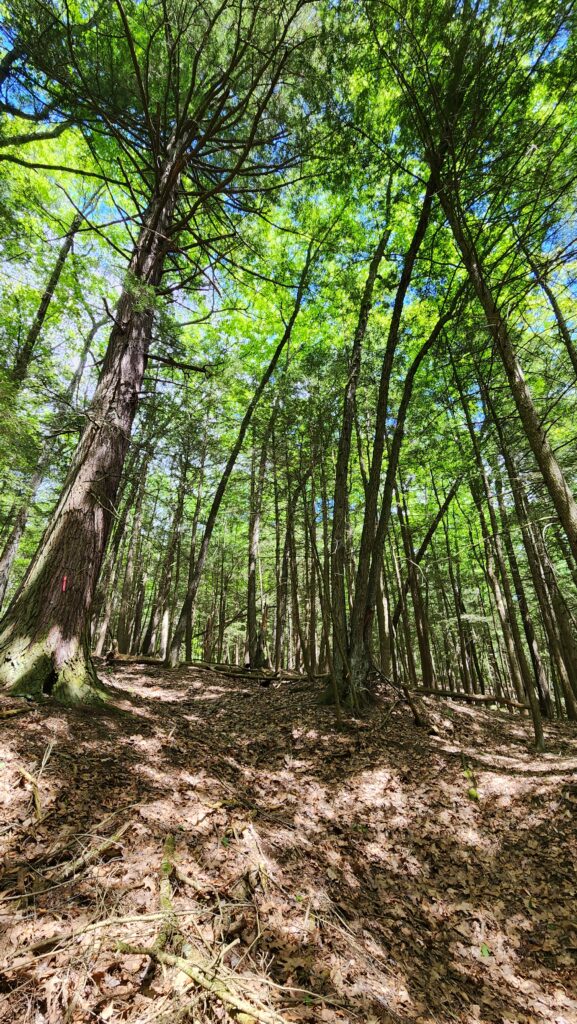
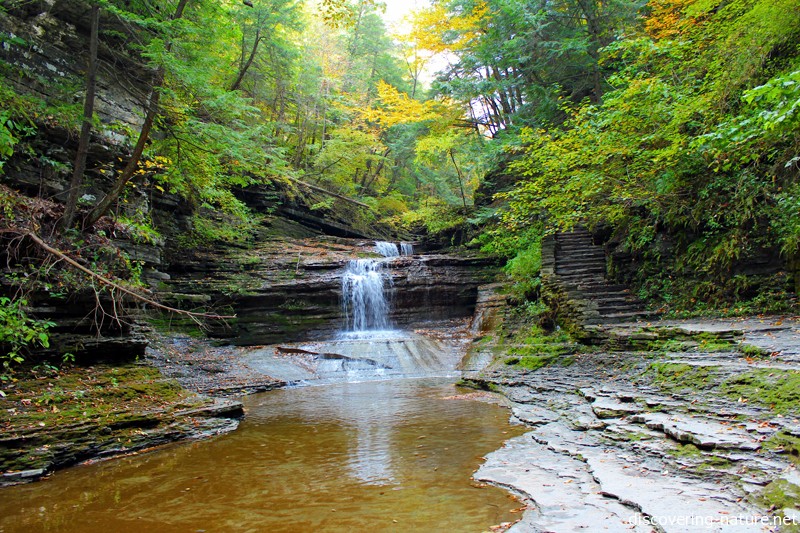
Near the stone bridge at the lower end of the stream was a small waterfall, pretty though low on water. I was more aware of all the fallen trees that I’ve been before. It seems strange to call nature disheveled, but that side of it — sometimes violent winds, processes of decay, and a failure to cater to our desire for the neat, the tidy, the picturesque — struck me.
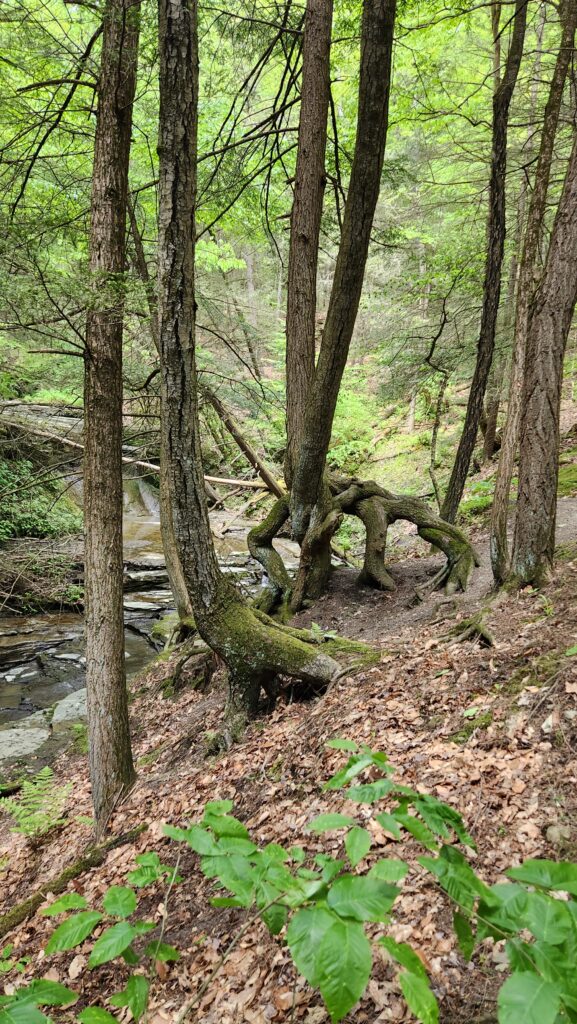
For years, this tree’s roots have made it look like it’s tip-toeing up the bank, but it remains rooted to its spot. Once we took a family picture against it. This time, it reminded me a little of the barrow wight’s hand dancing toward the entrapped hobbits in the Old Forest of The Hobbit.
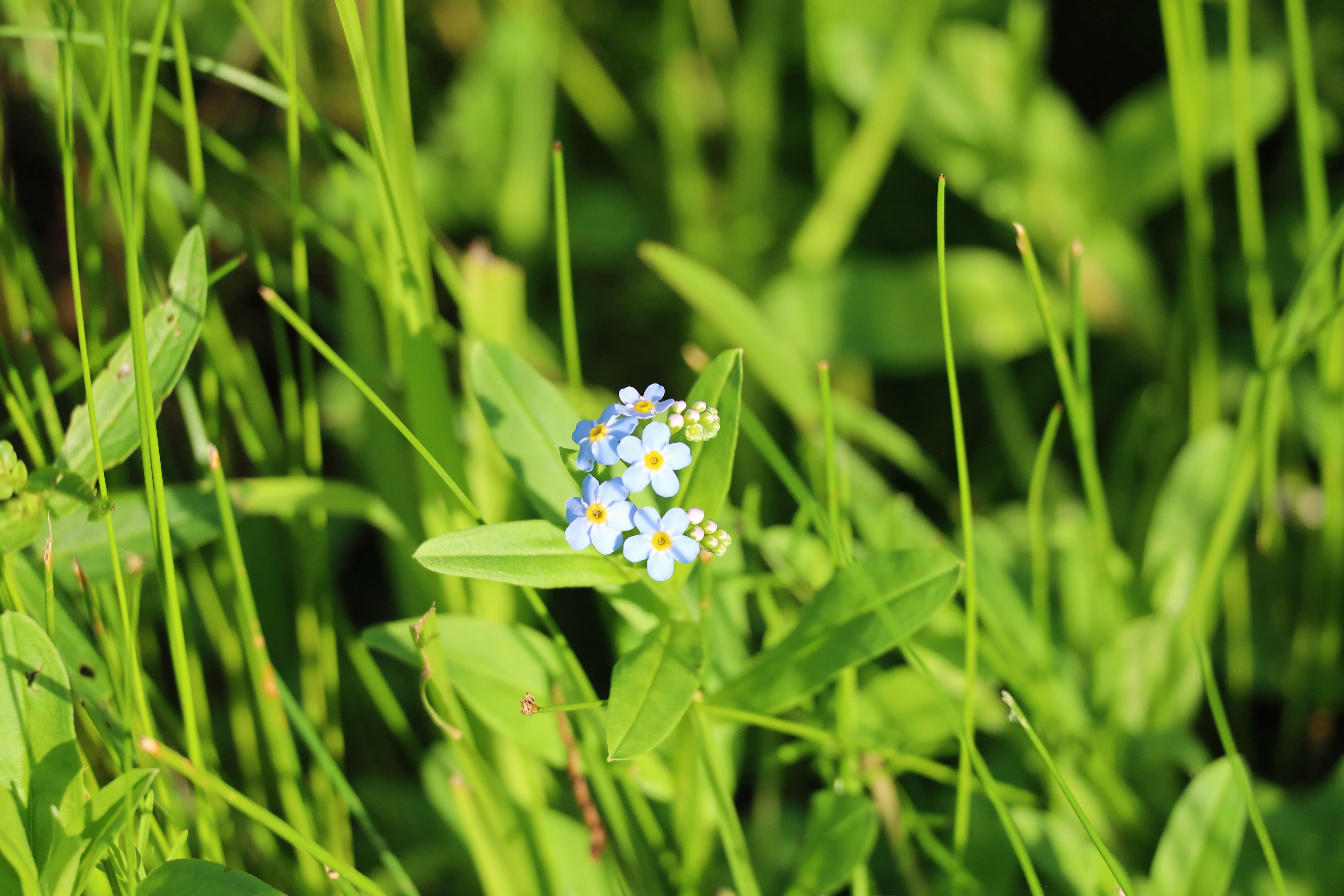
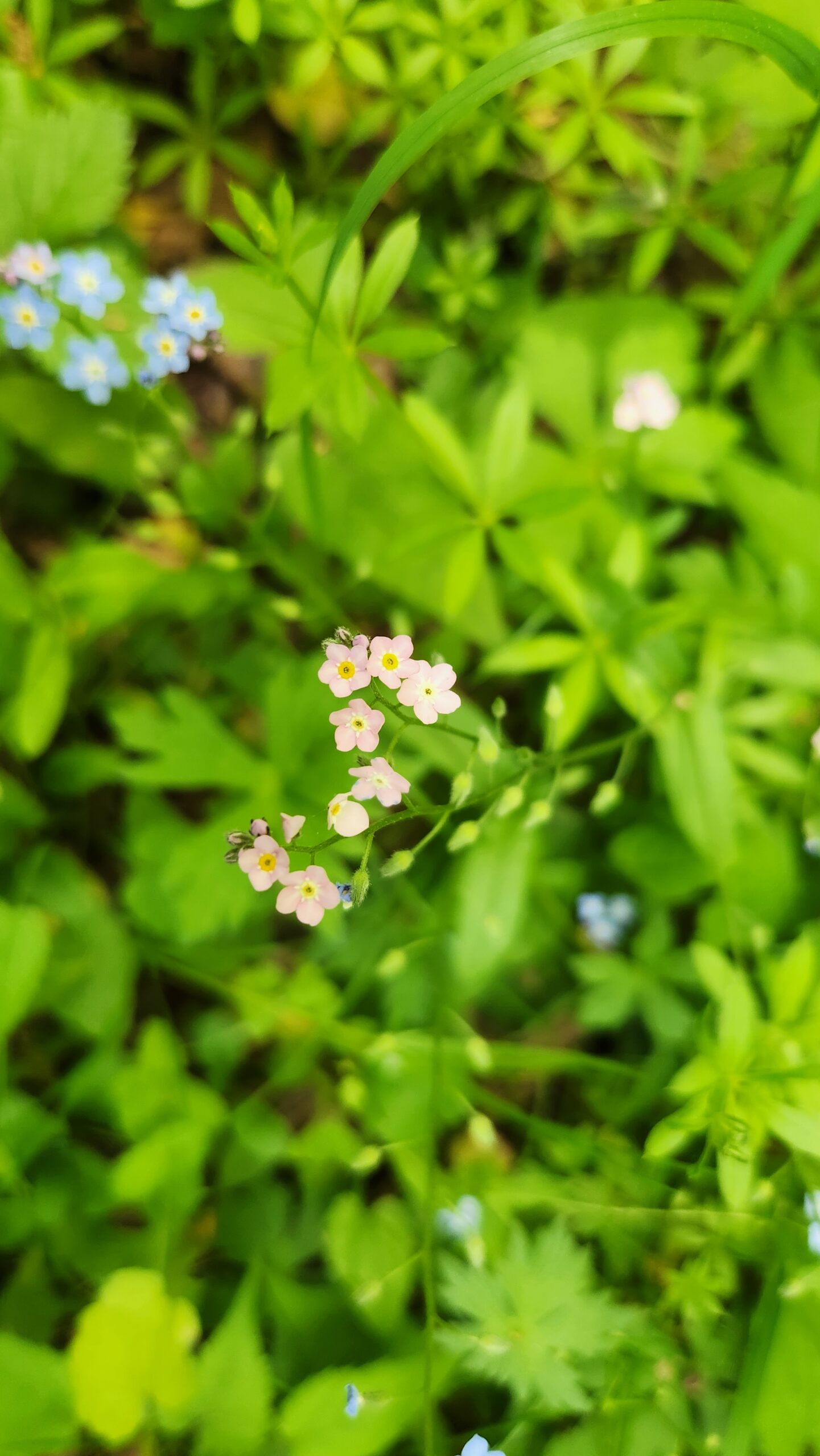
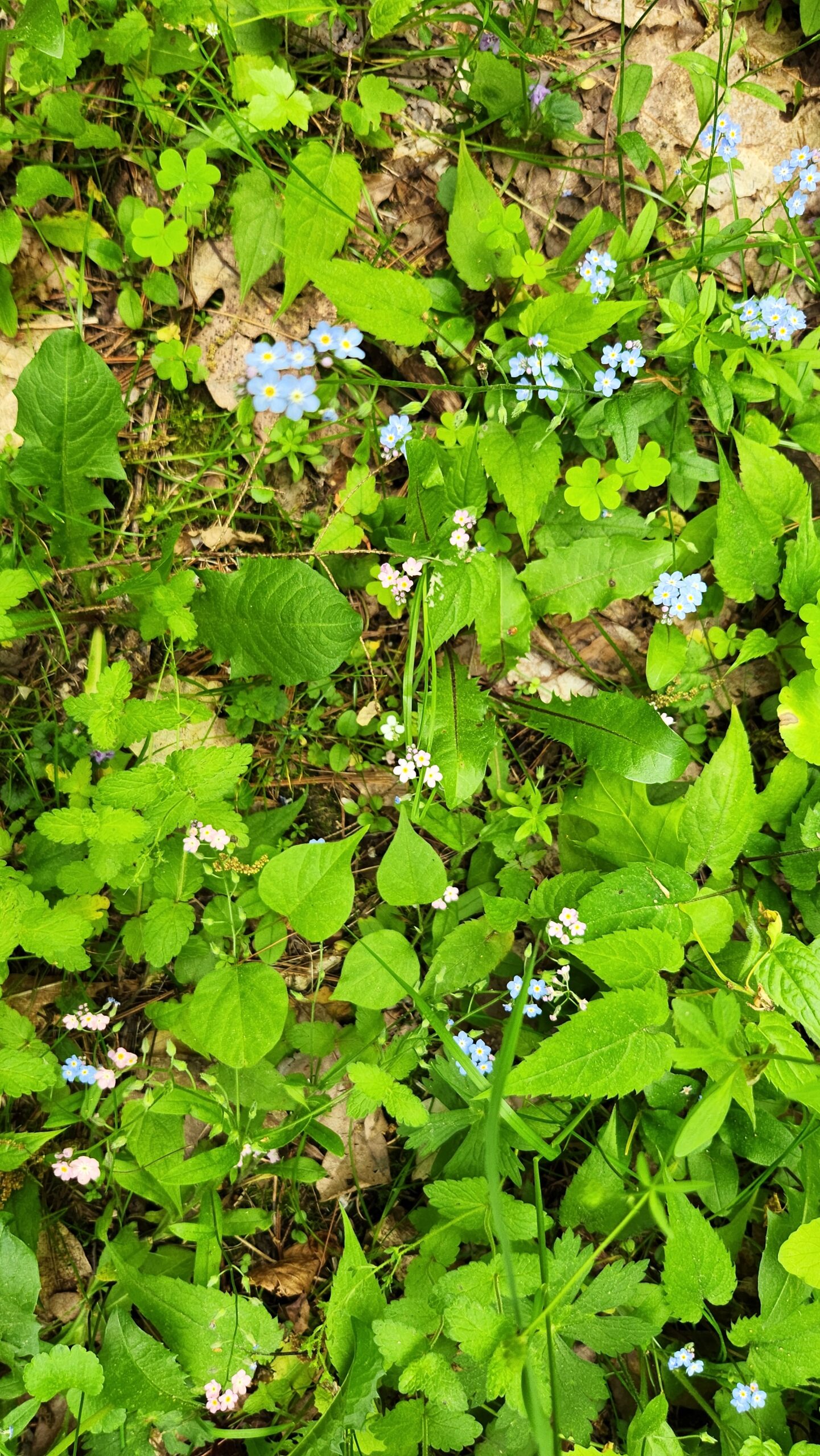
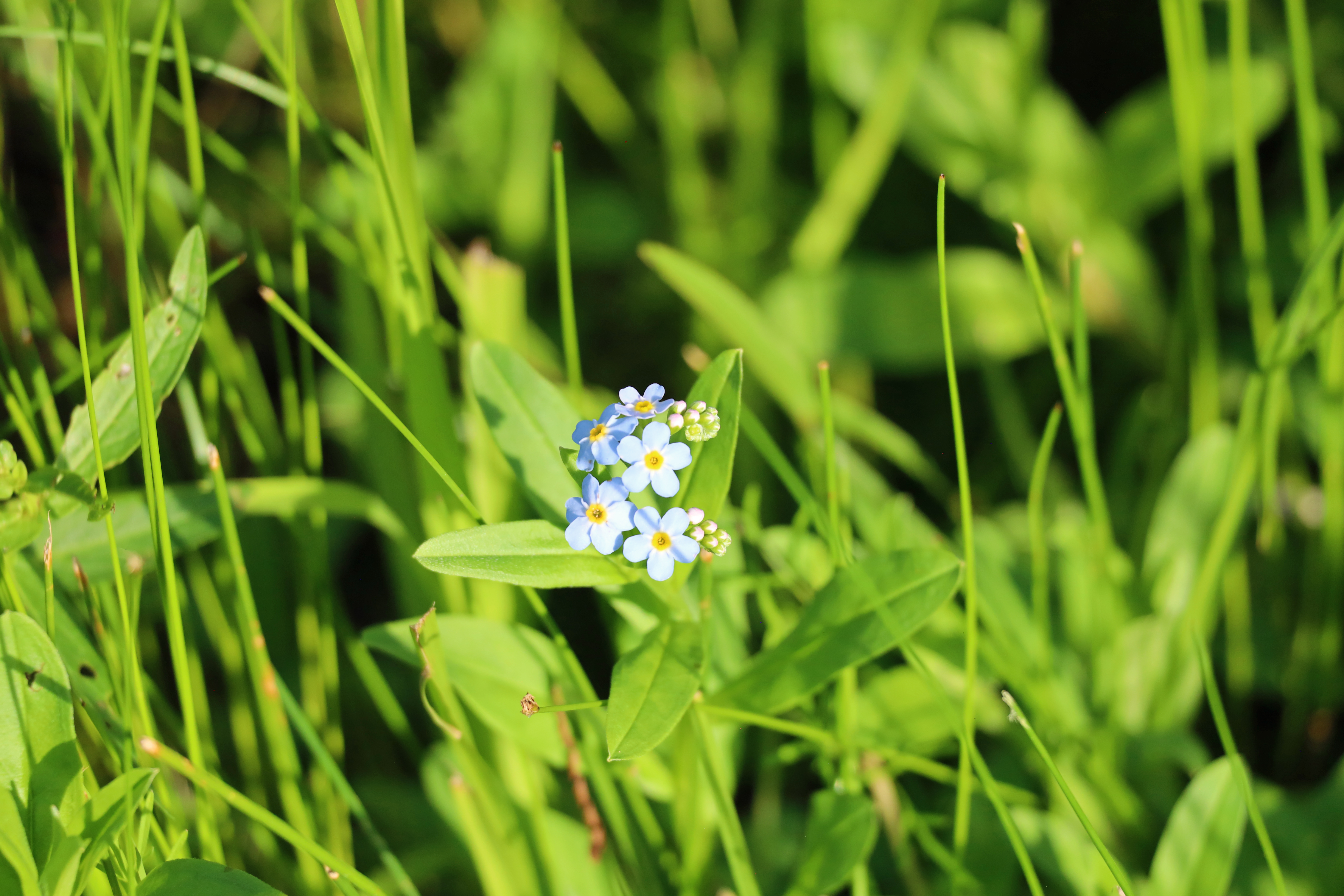
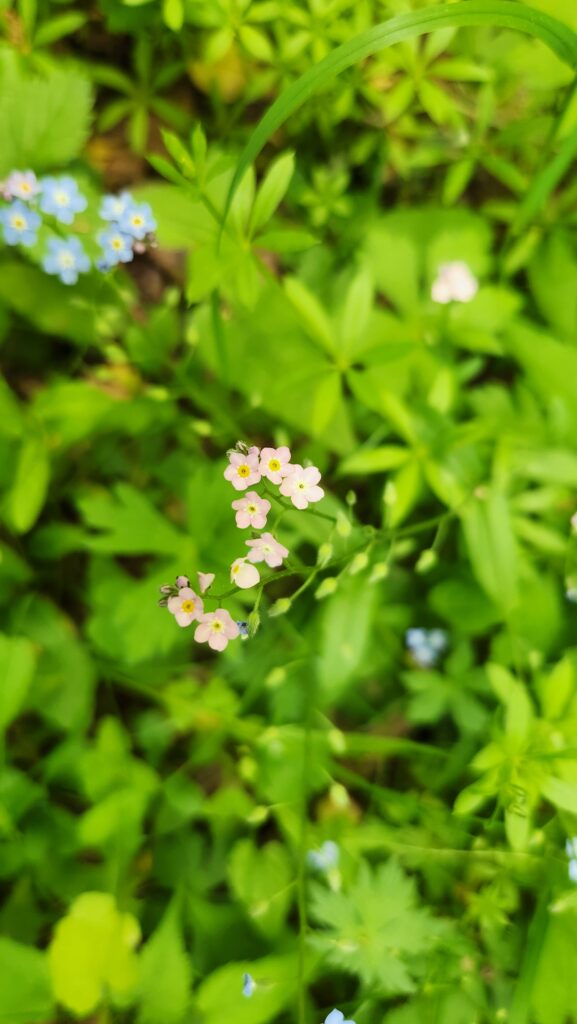
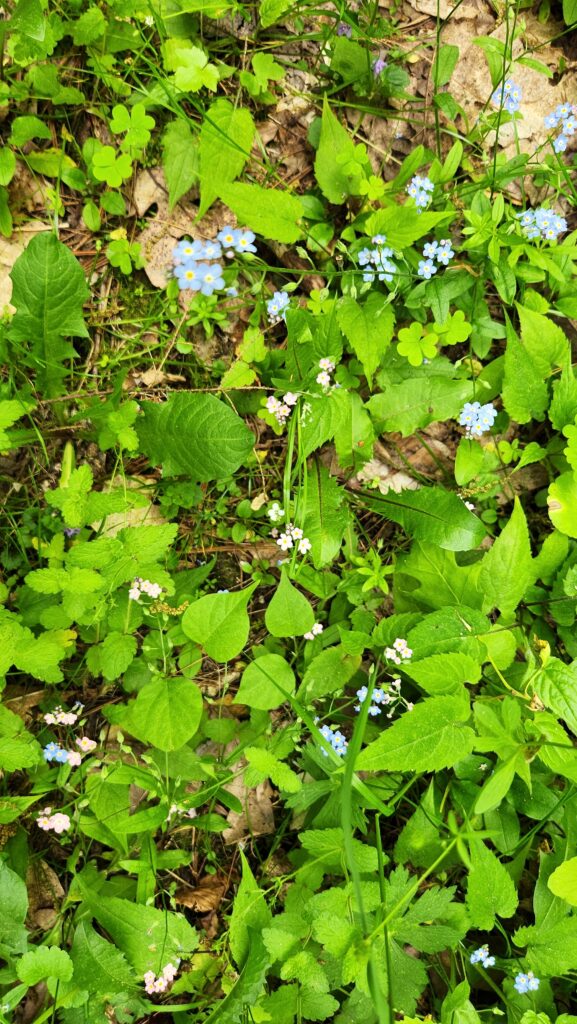
On the way out, we passed a batch of blue and, more unusually, pink forget-me-nots that always attract me. Clearly, I obey. I don’t forget them.
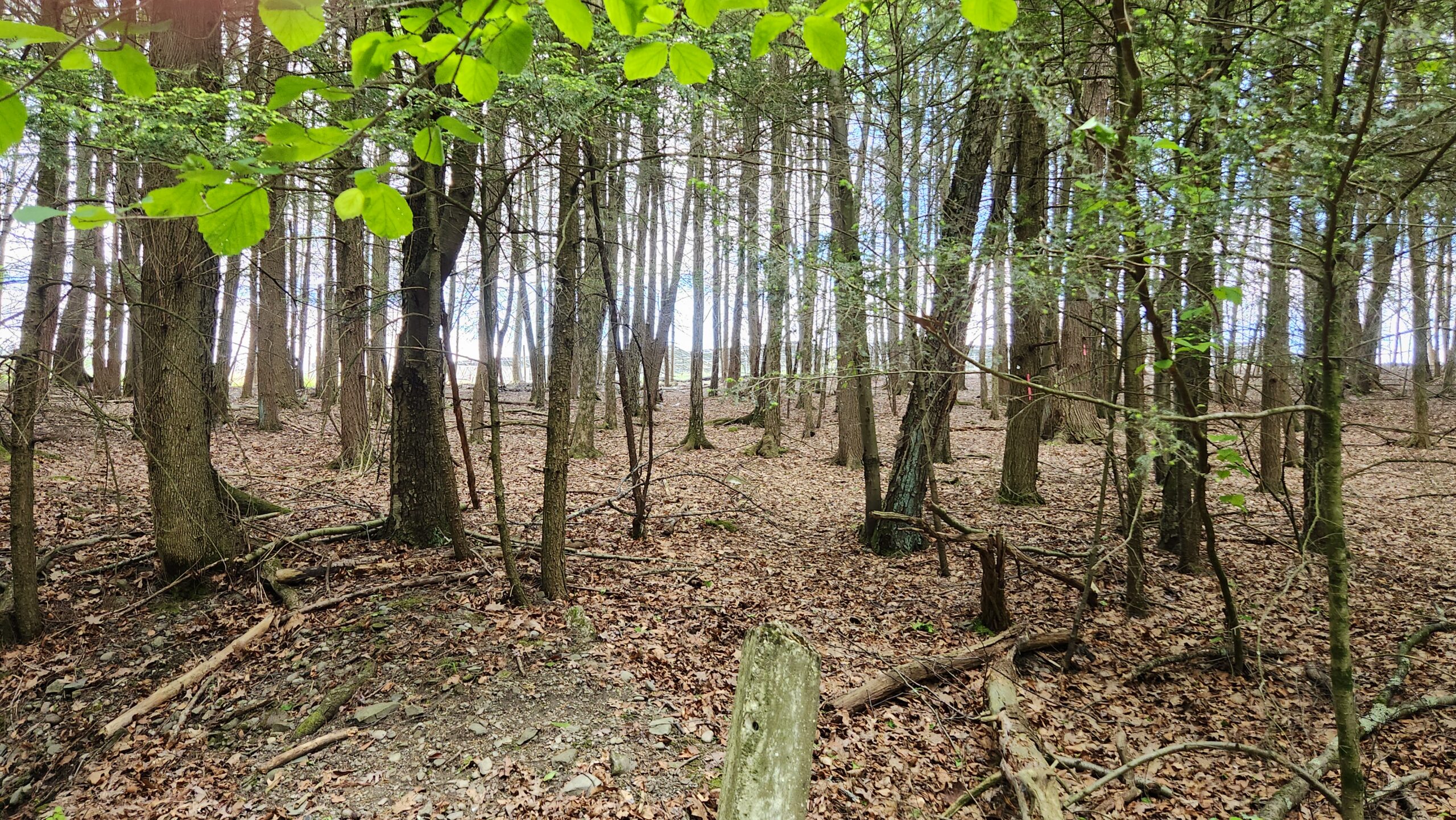
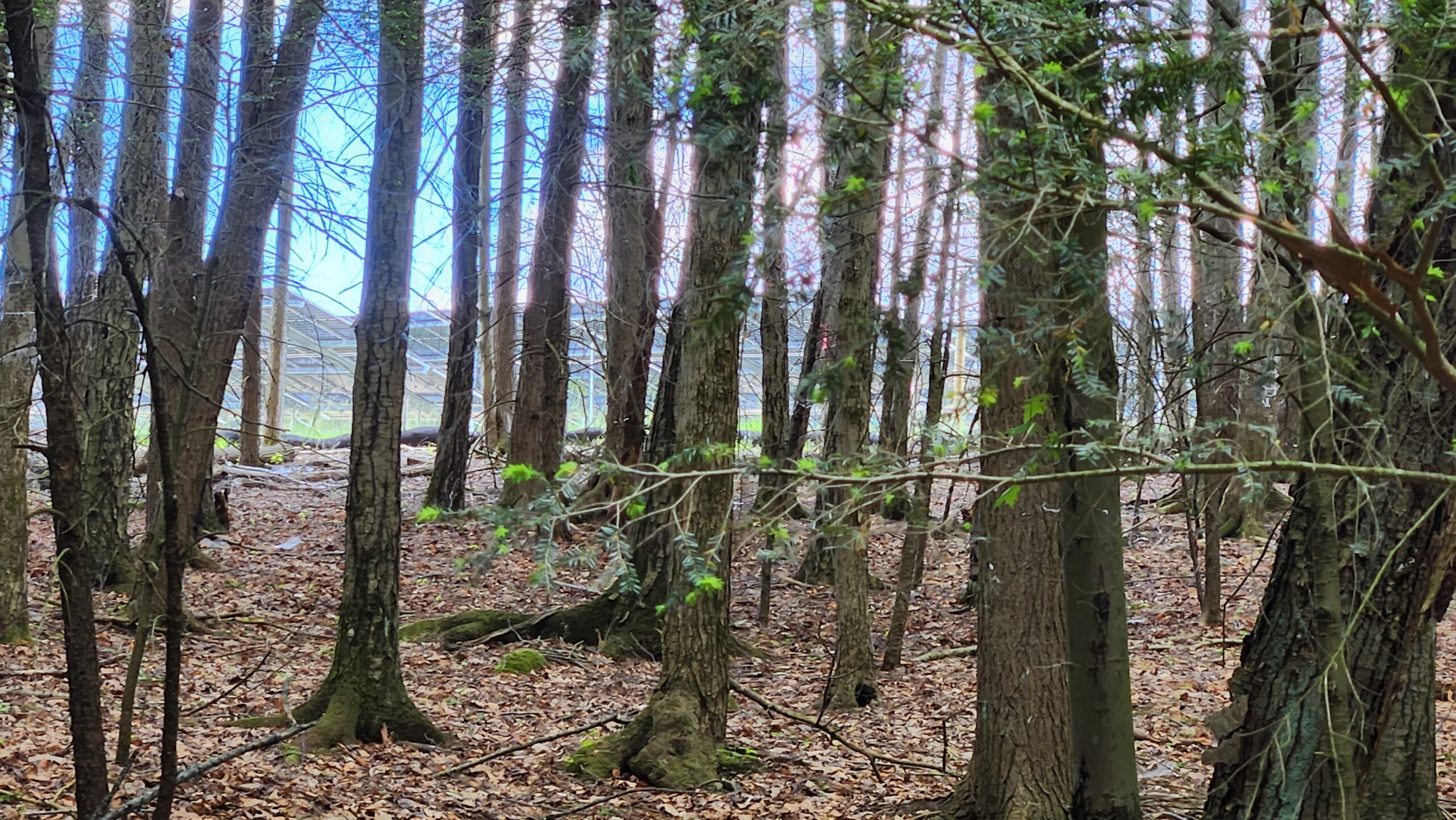
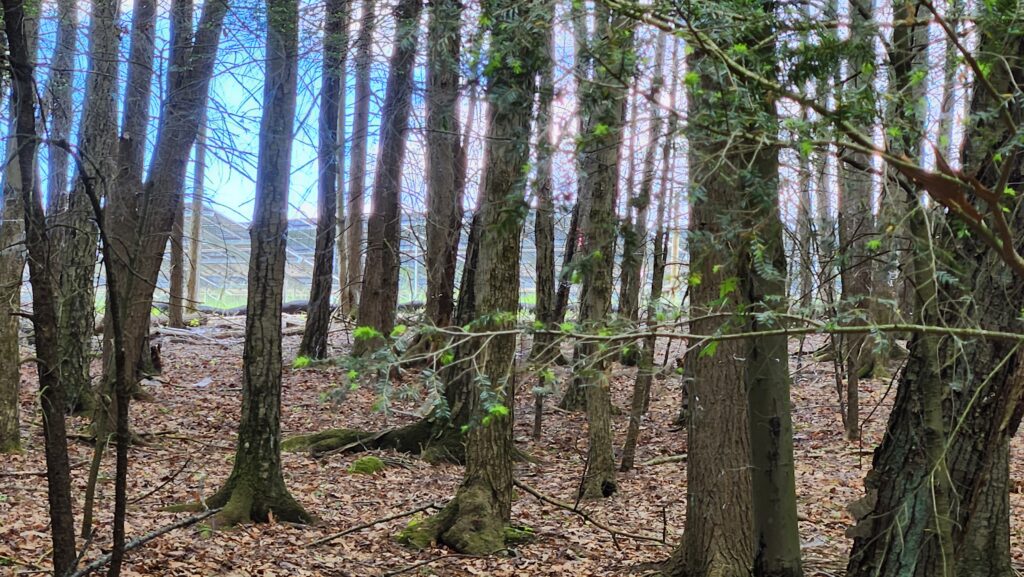
In general, the band of trees along the trail seemed thinner. We didn’t remember seeing through them before to anything on the other side, but there seemed to be cleared land, and perhaps rooftops.
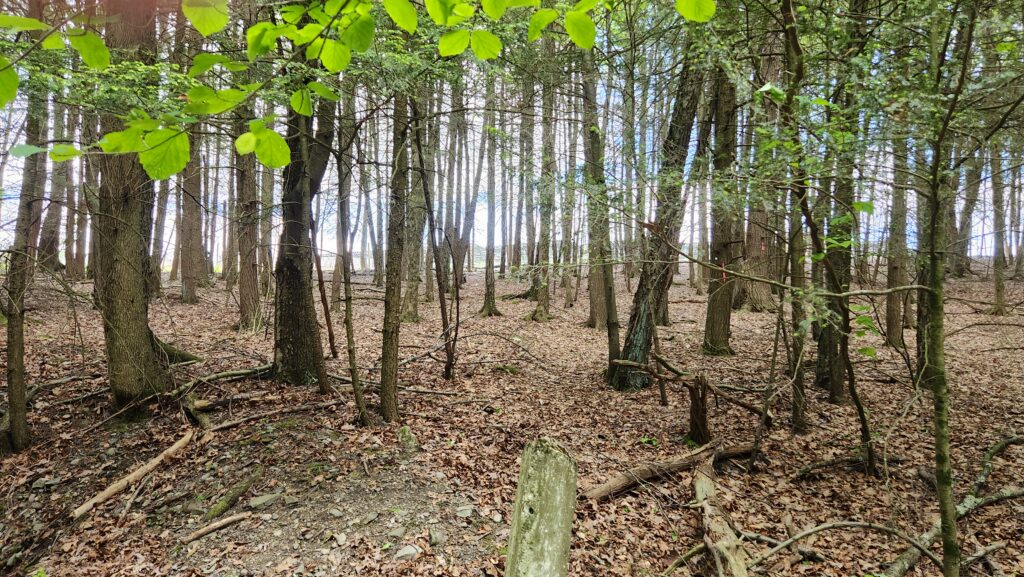
Turns out they were solar panels. A huge project was going on, installing solar panels over a large area at the border of the nature preserve.
The walk out always feels long, hot, and relentlessly uphill. But this time, we saw a new trail that appeared to be a shortcut to the parking area. We took it… and came across a towhee putting his own spin on the familiar call.
What a treat to see this fellow tossing off such a full-throated variation on the usual “Drink your tea!” It was a lovely send-off as we headed out of the woods.
-
Brick Pond, Old Man Willow, and Godzilla
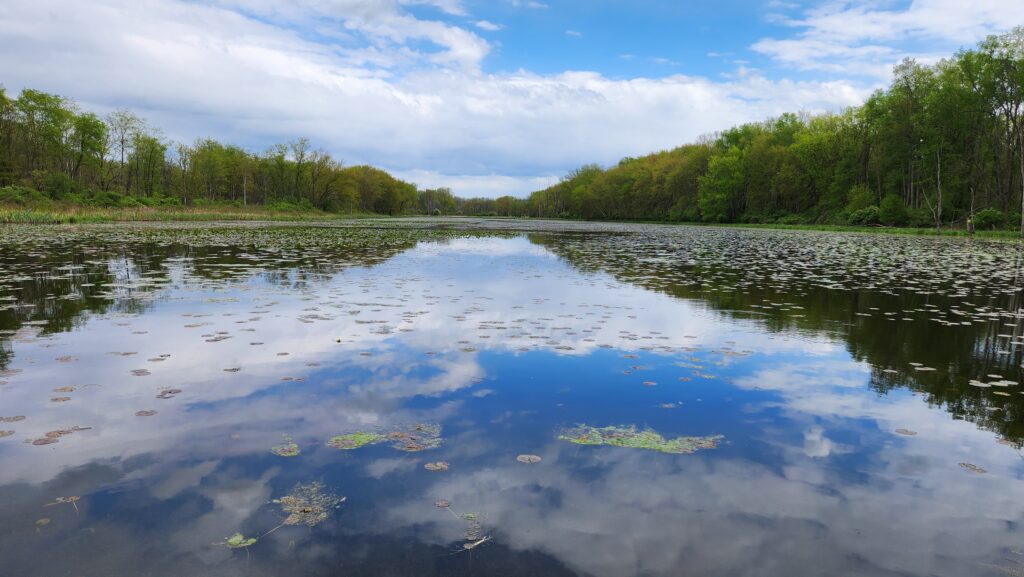
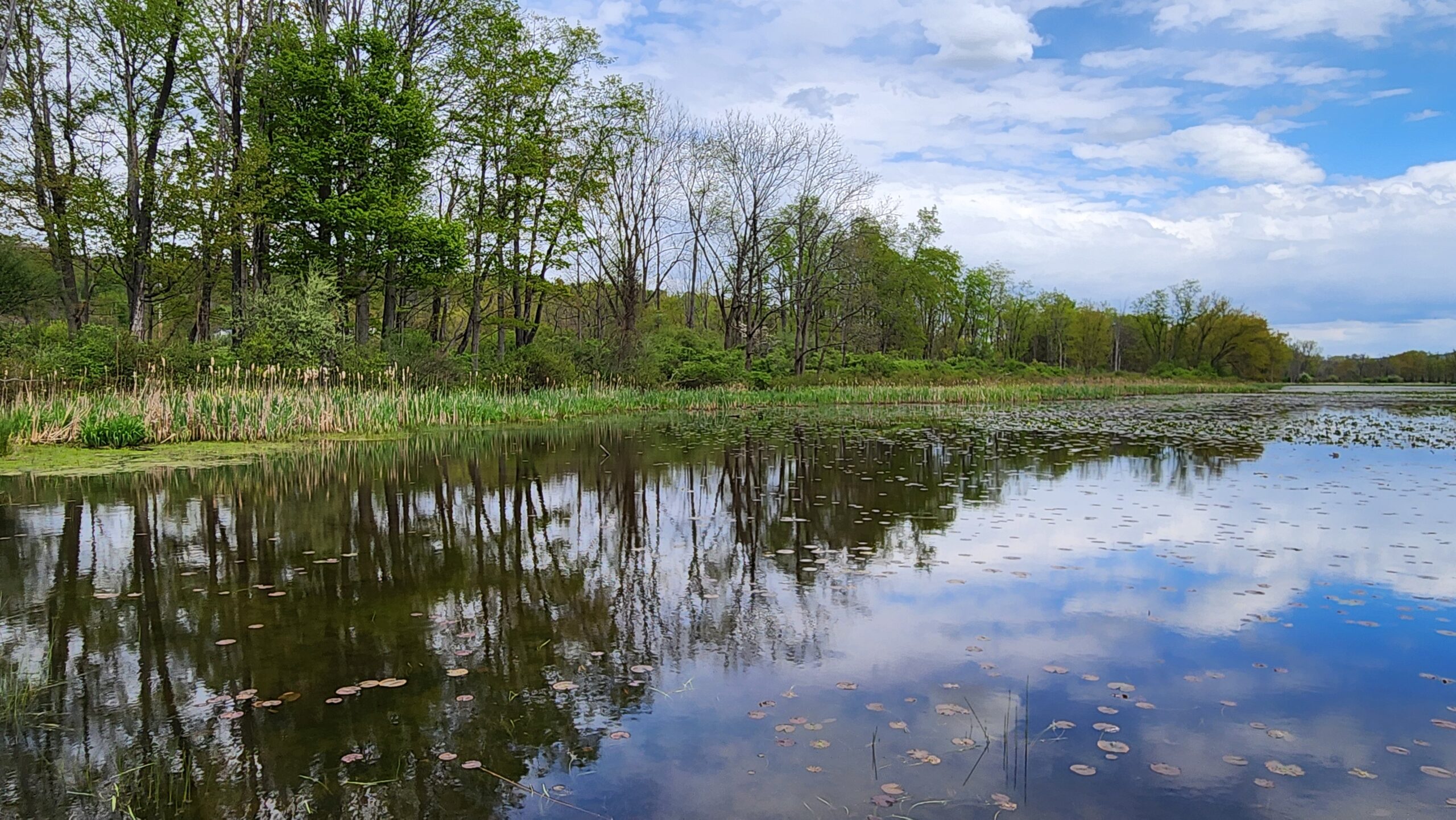
My daughter and I took a walk at the Brick Pond today. It was unsettled, alternating between clouds and sun, warmth and chill.
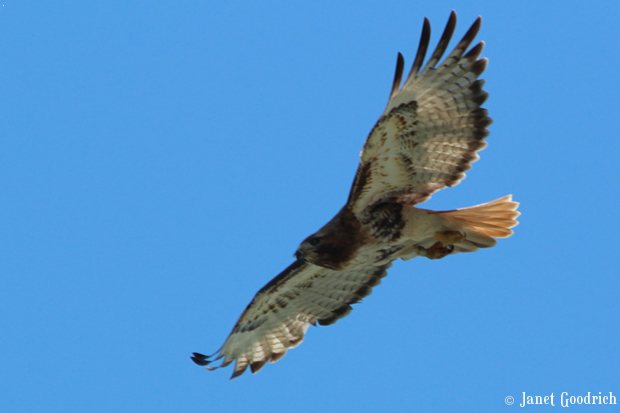
Next to the parking area at the entrance to the trail, an old willow tree has stood for years. We’ve seen oriole nests in it, warblers, and even, once, a red-tailed hawk eating a mouse.
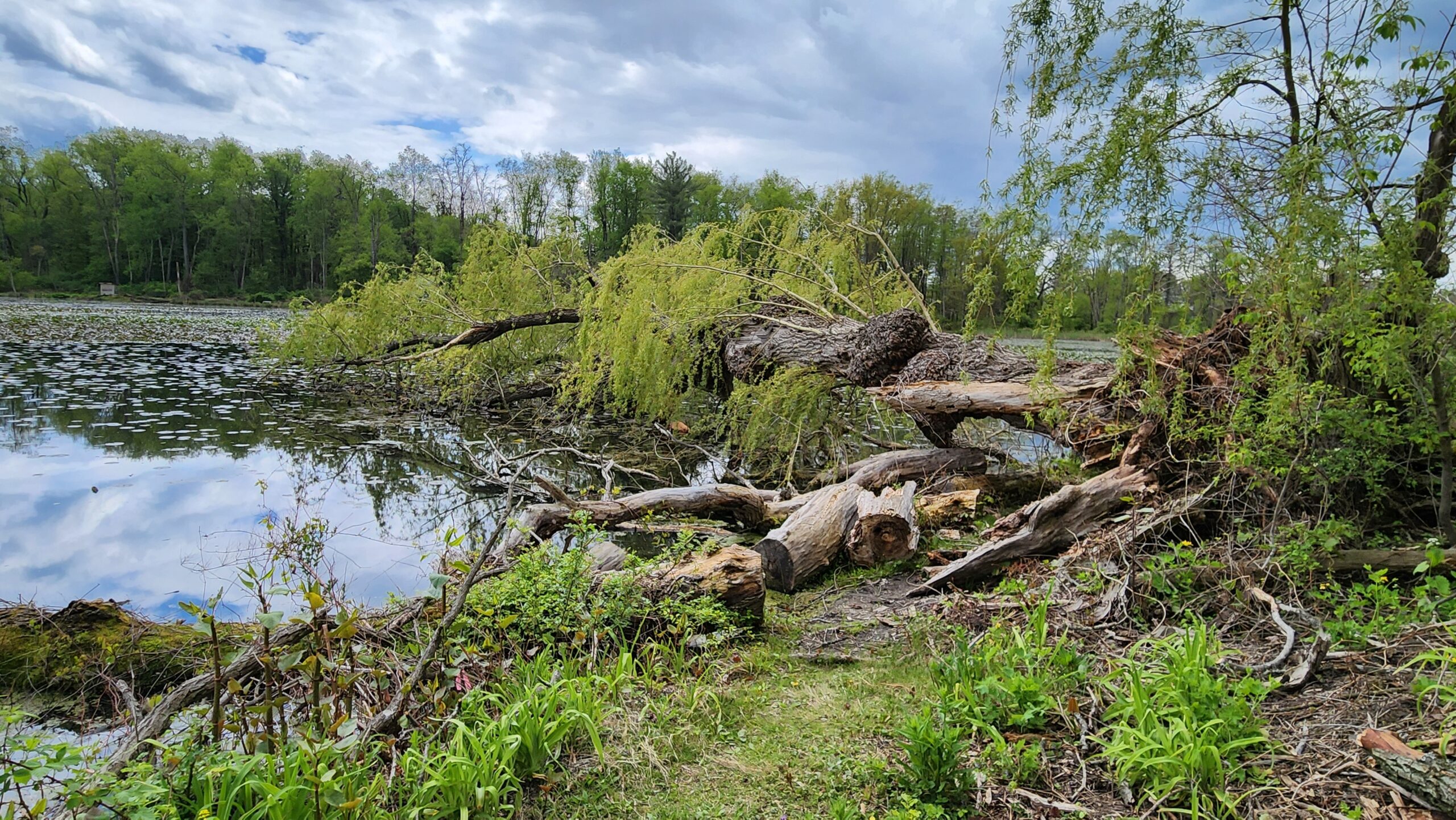
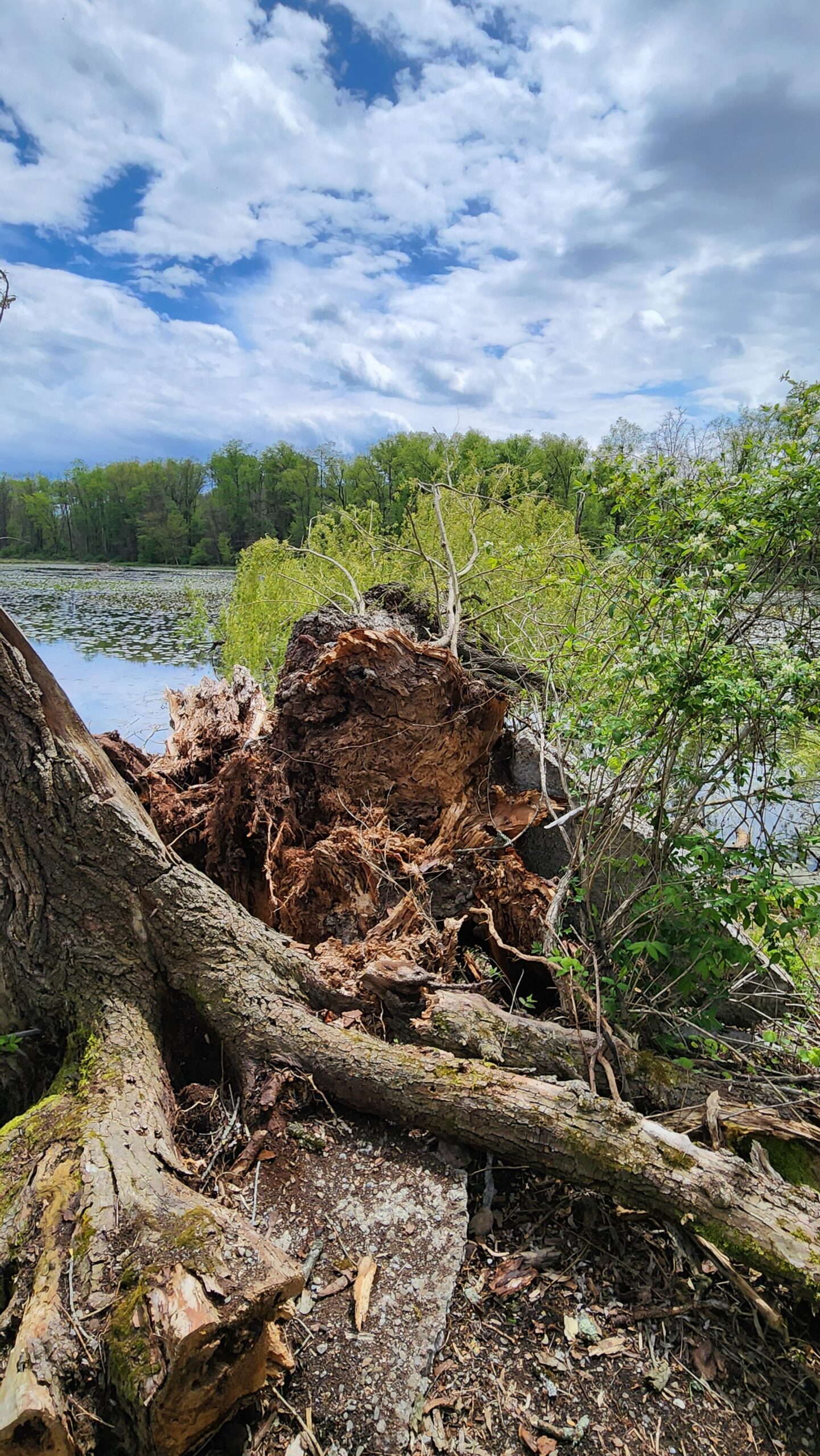
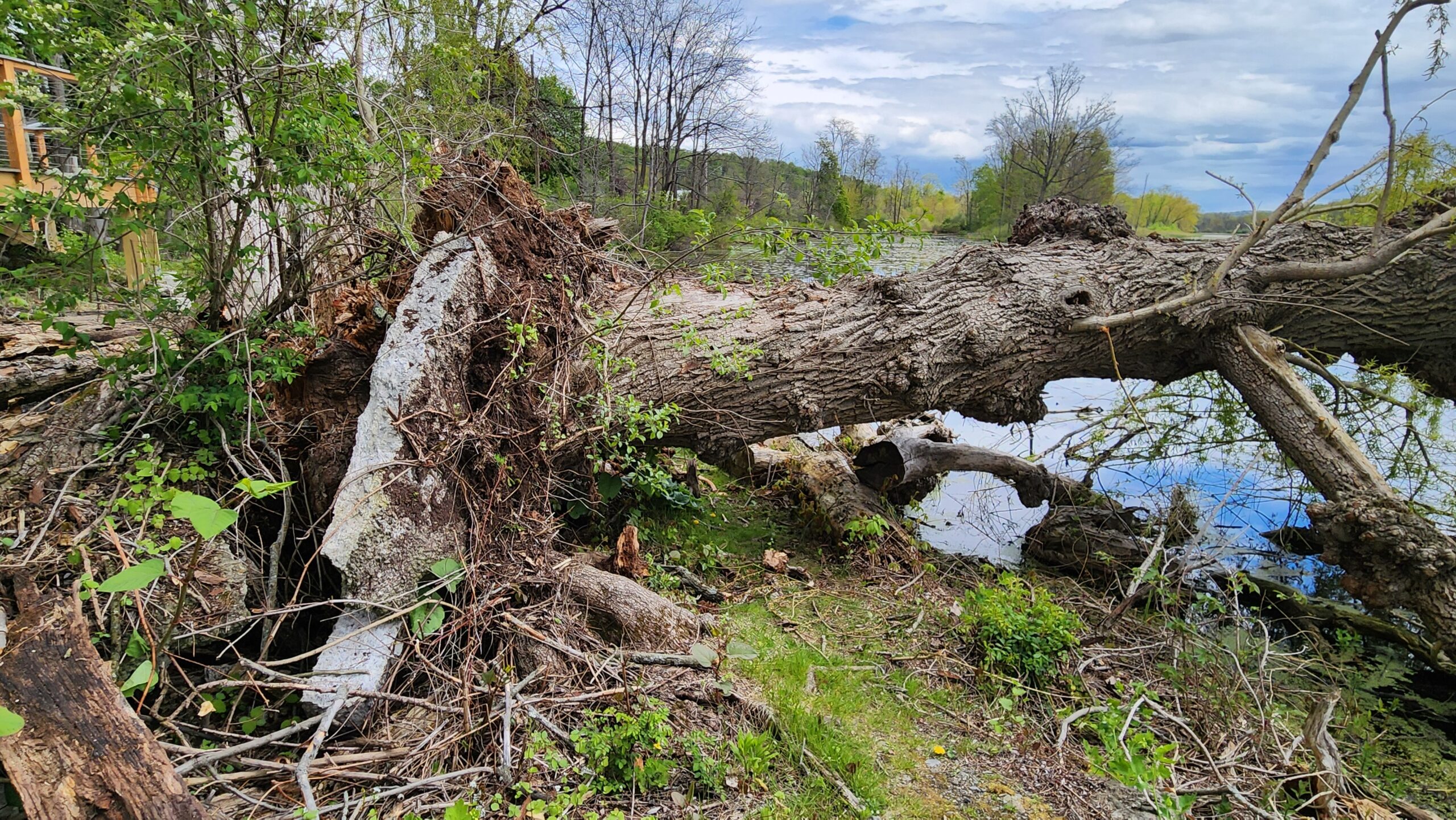
Today we discovered it had fallen.
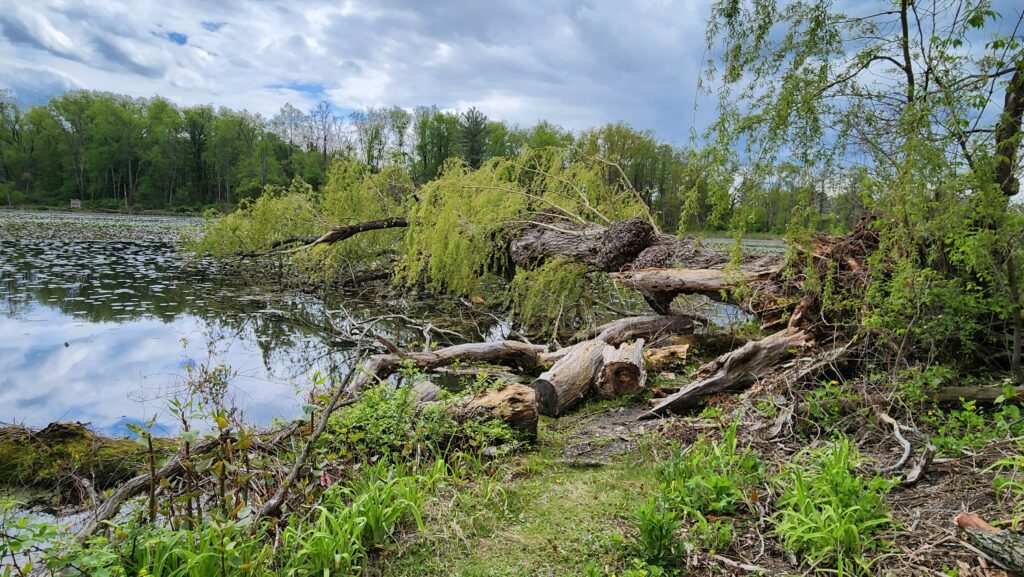
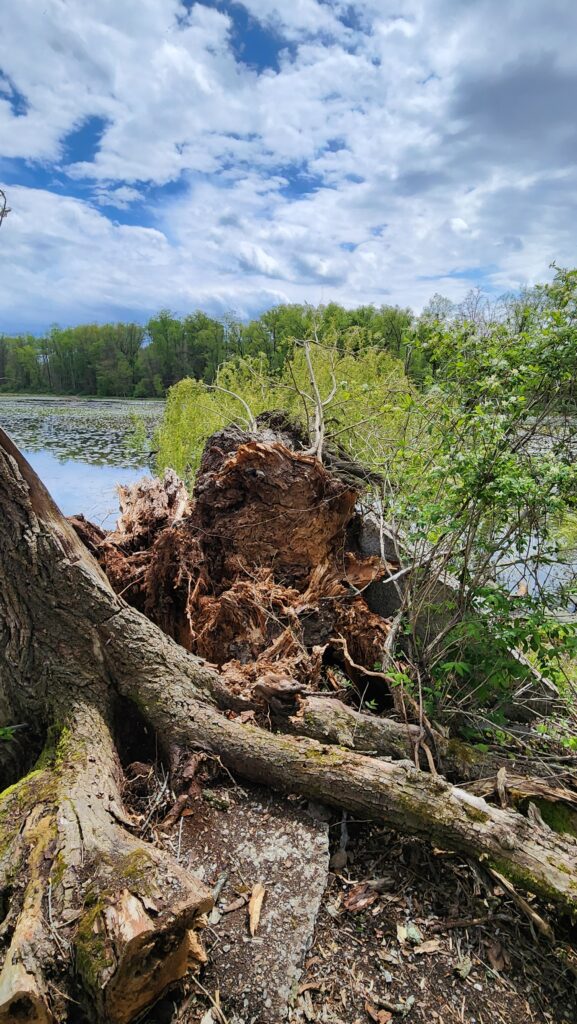
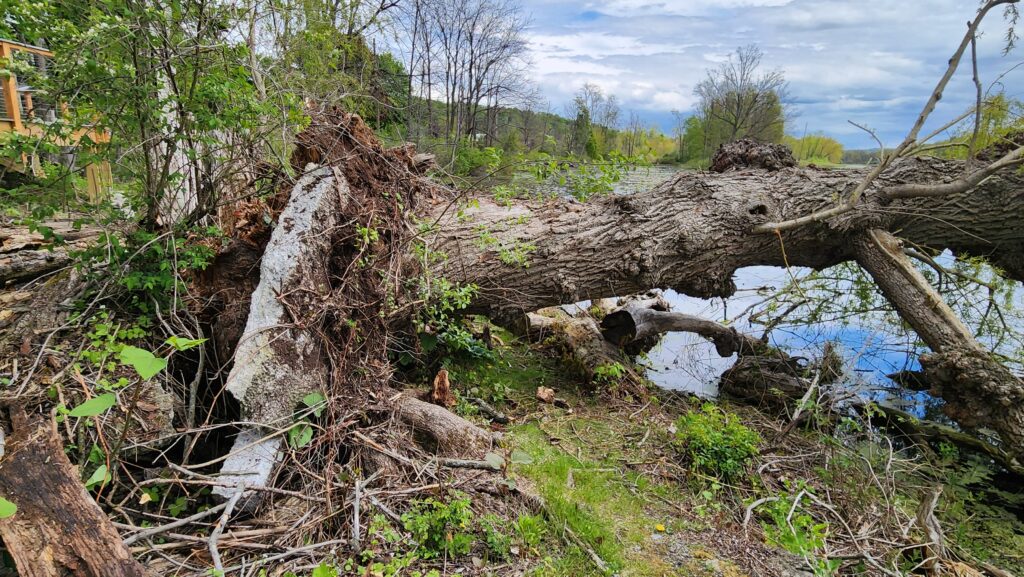
The tree has lived through a lot of history there, acting almost as a host ushering us into many walks, and framing every first glimpse of the pond. I’ll miss it. I hope another will be planted.
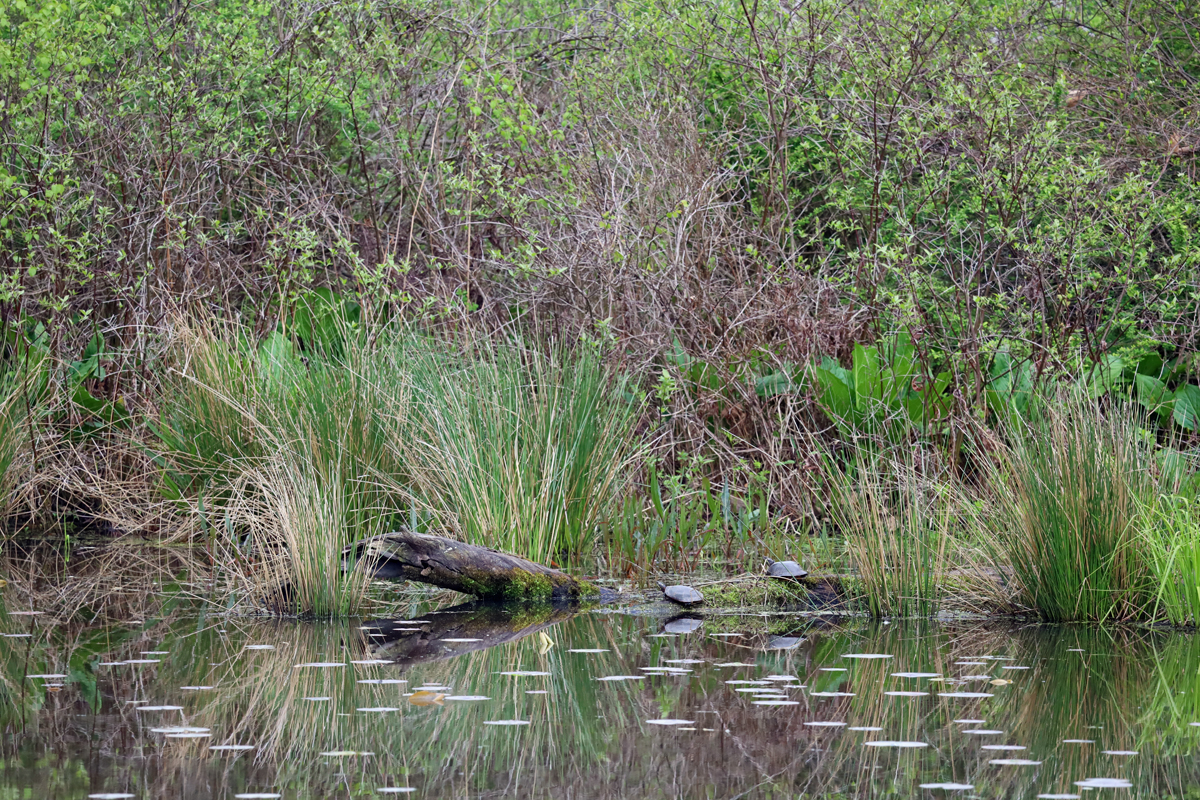
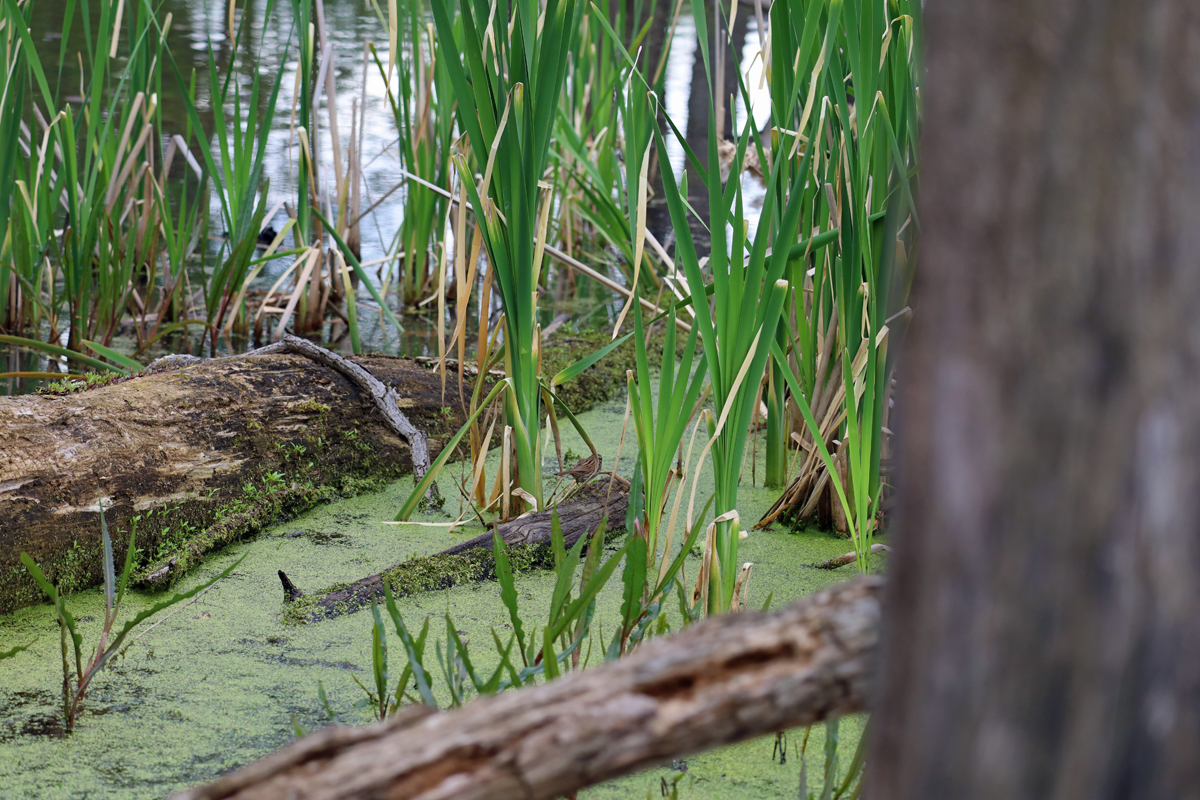
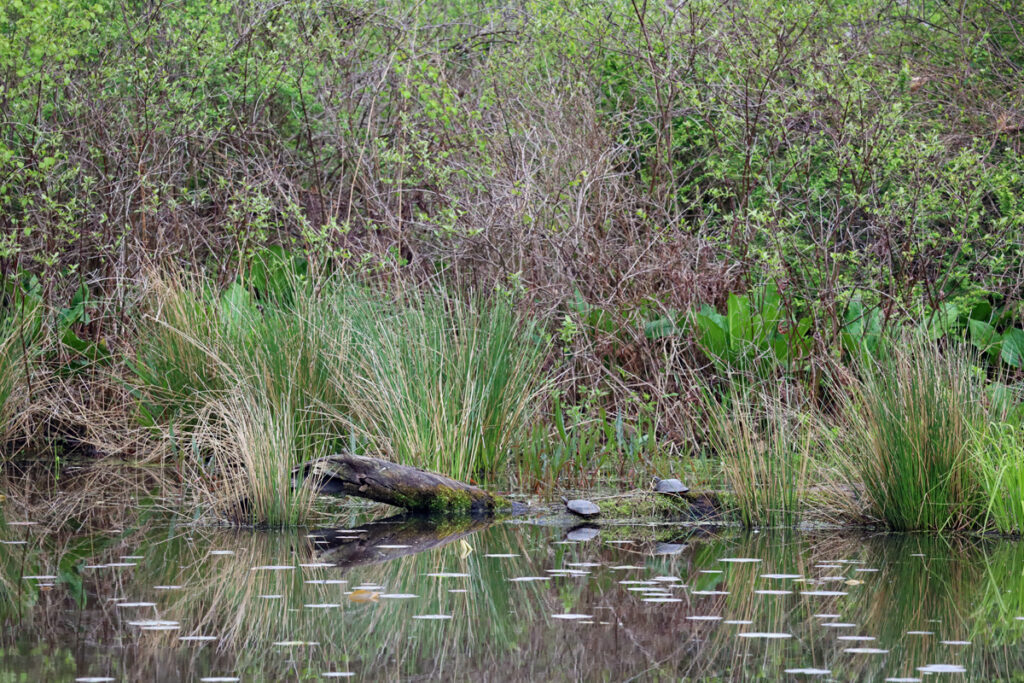
We ventured in, noting the lush vegetation and napping box turtles on logs.
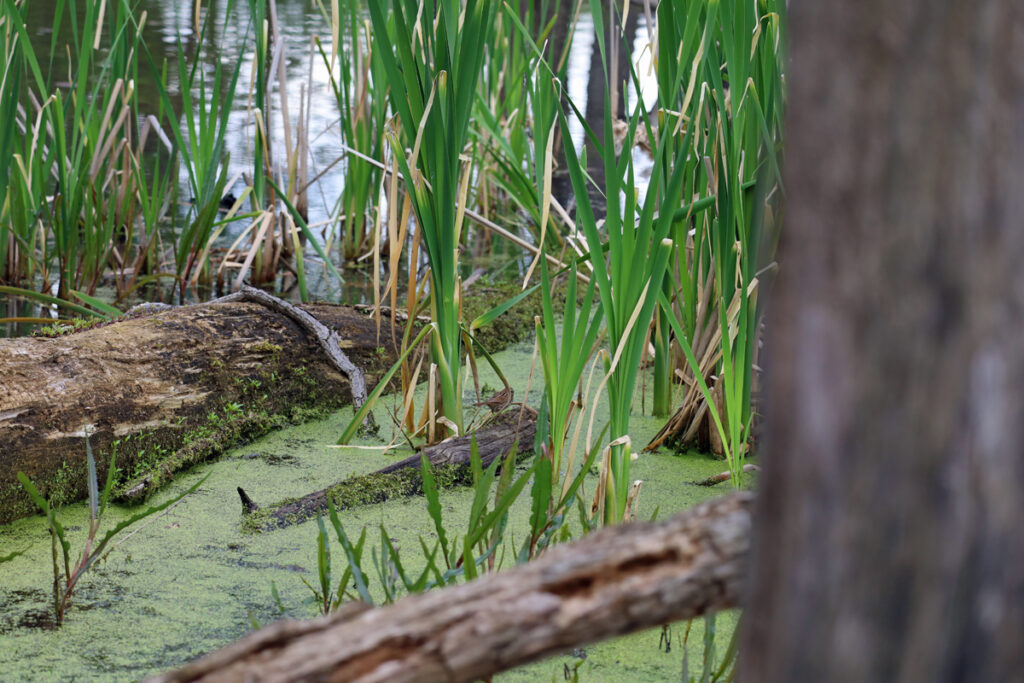
I wasn’t really expecting a song sparrow to be hopping down in among the grasses, logs and pond scum, but there it was, busy about some important business.
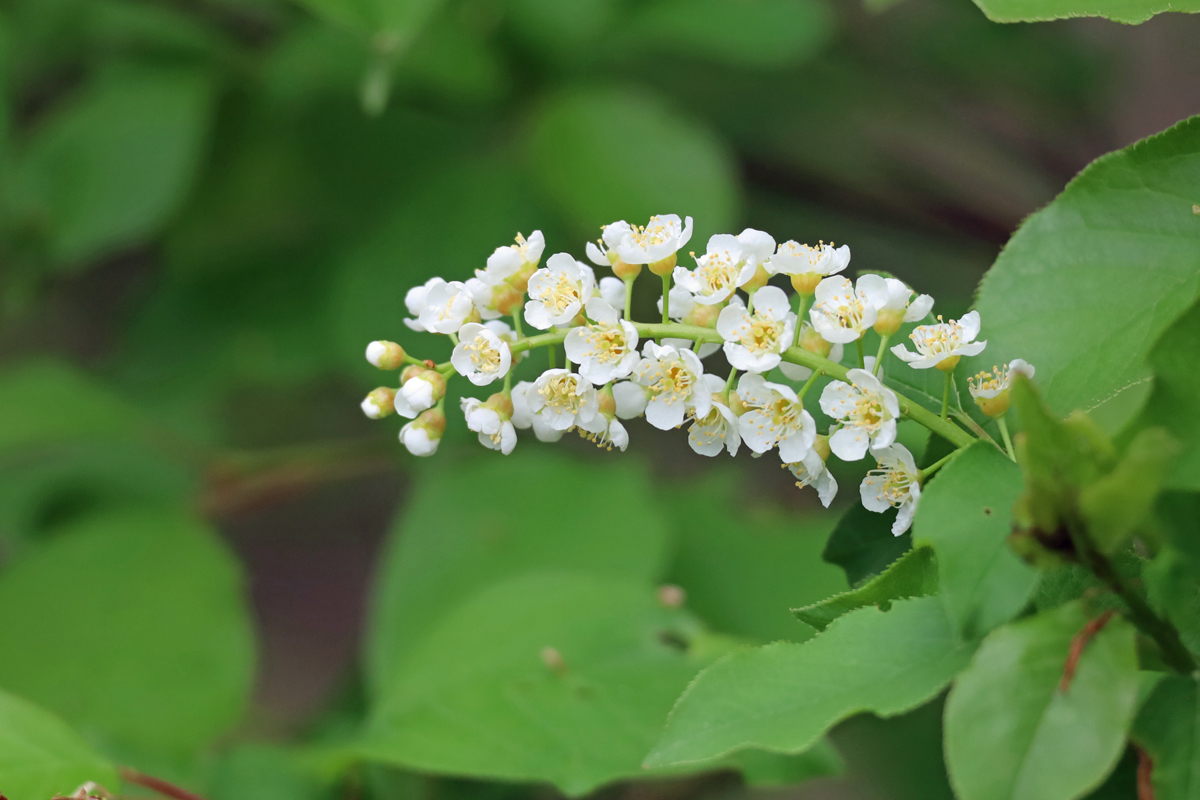
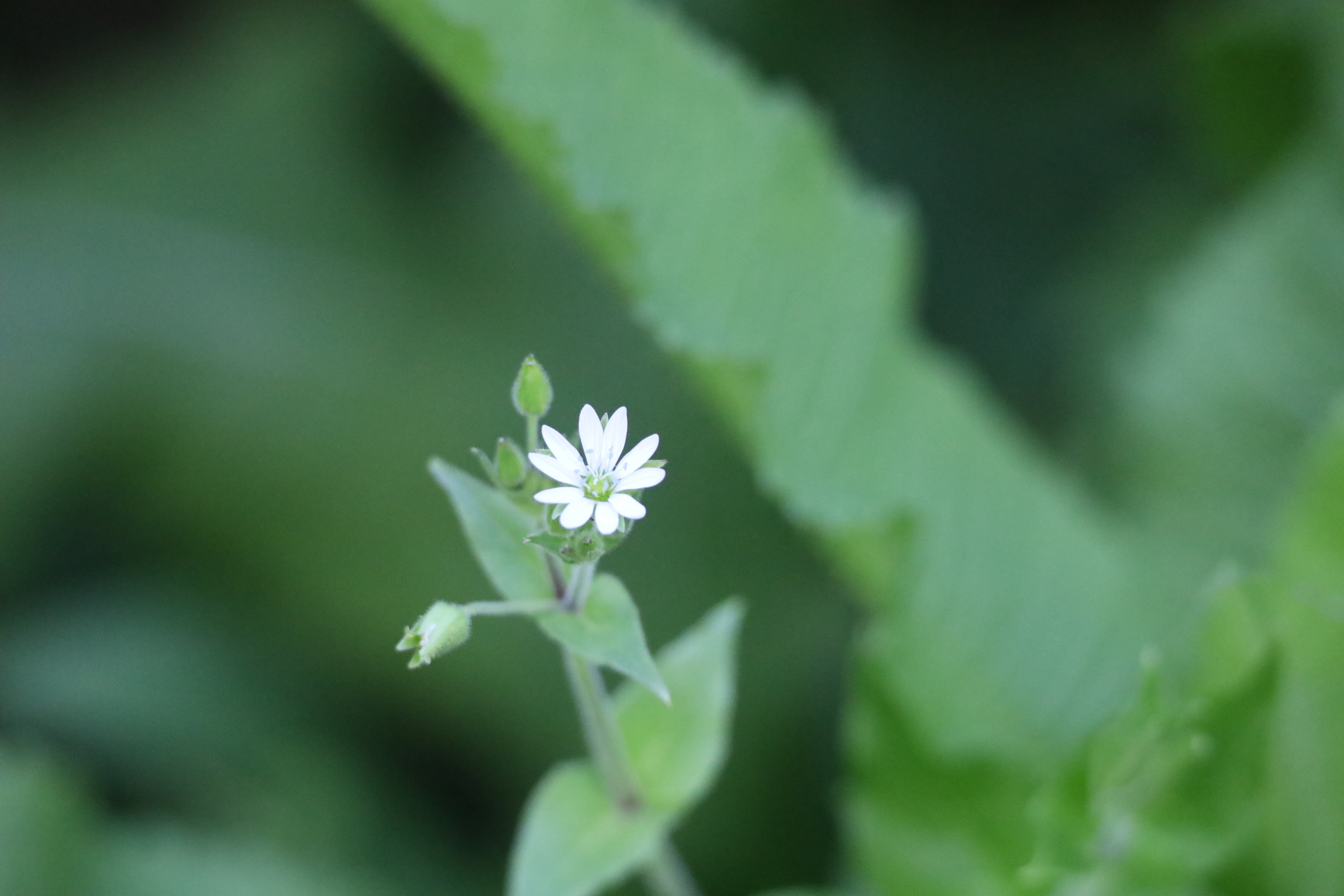
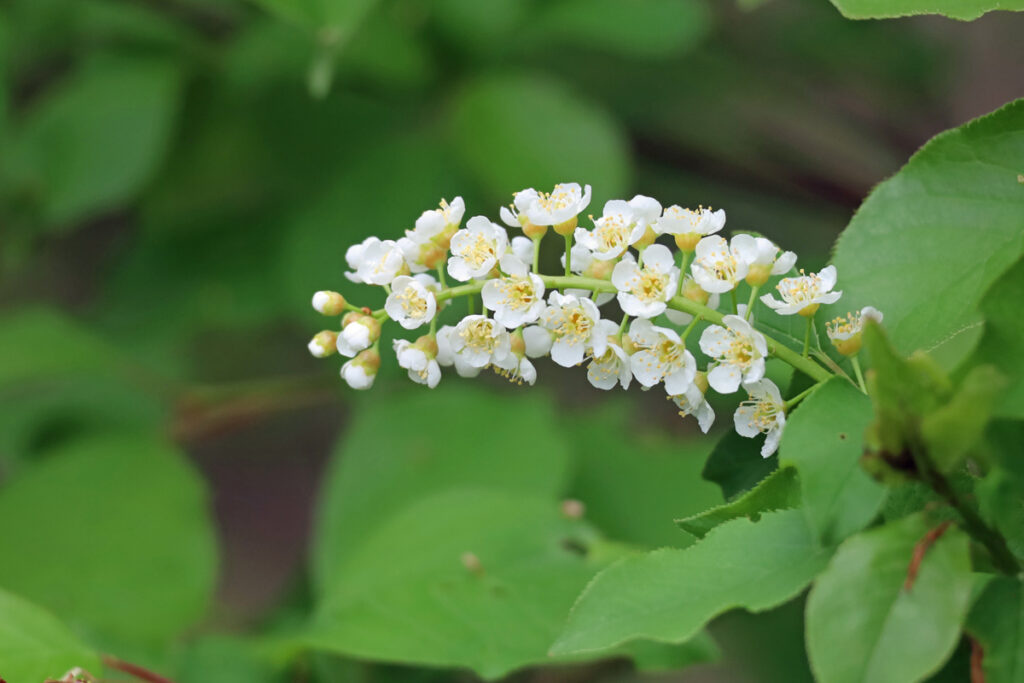
I’m not sure what this bloom is, and my wildflower guide gives no clue.
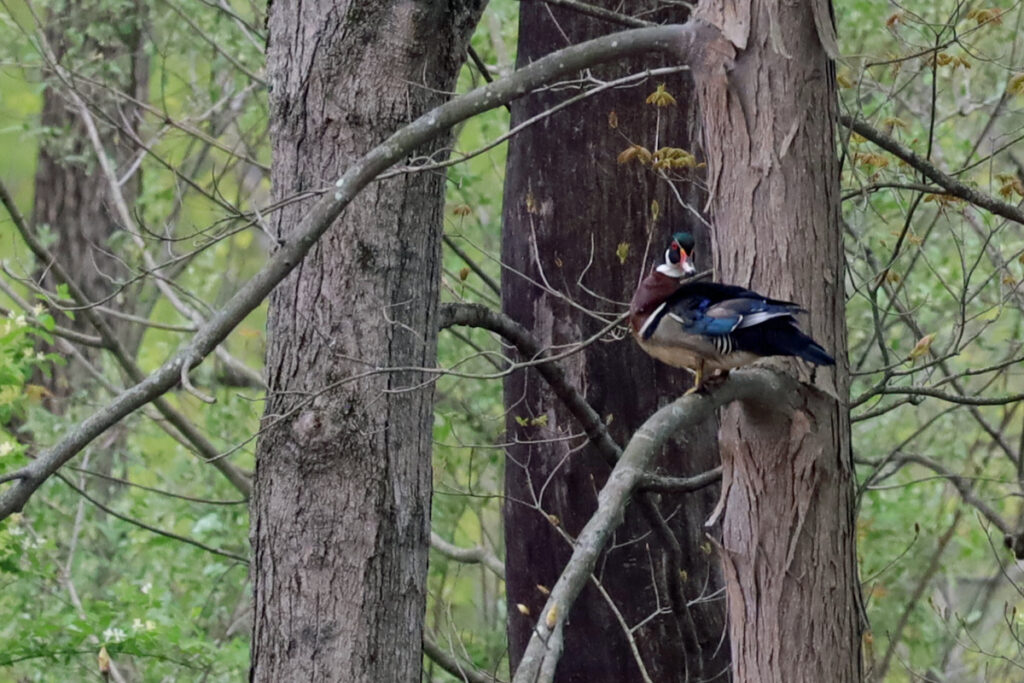
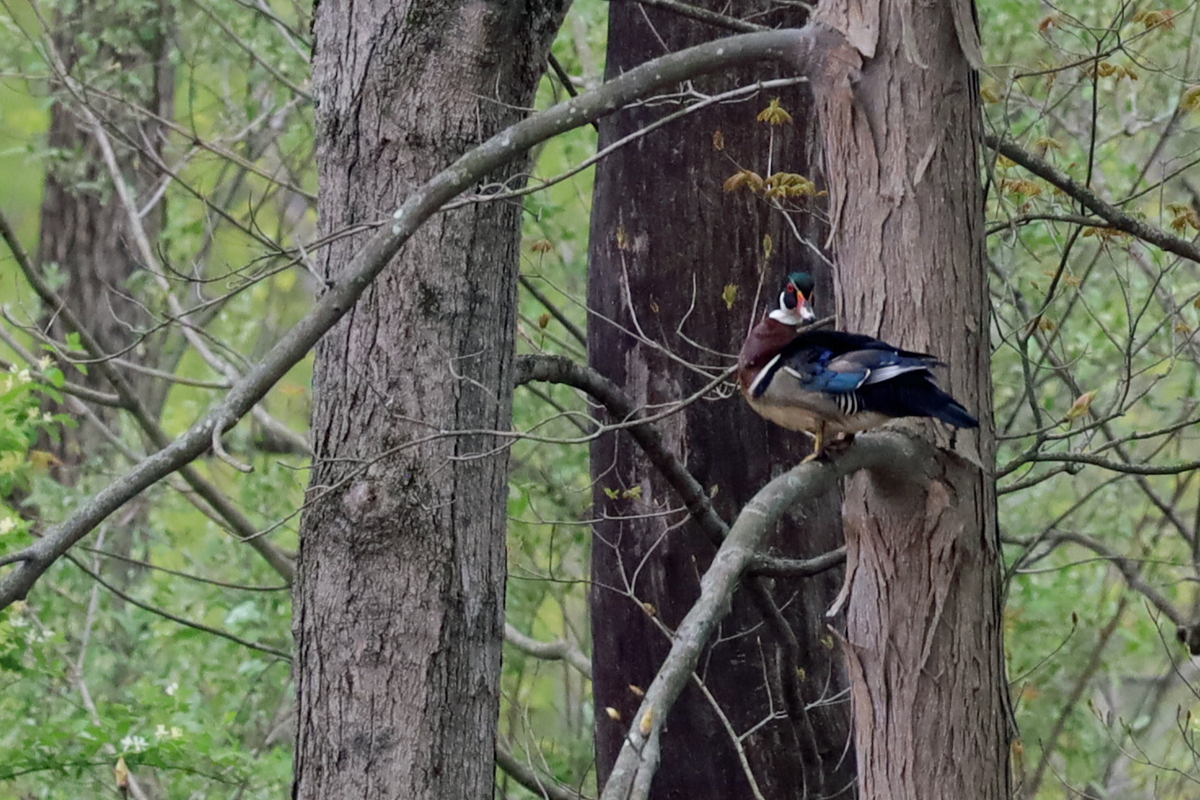
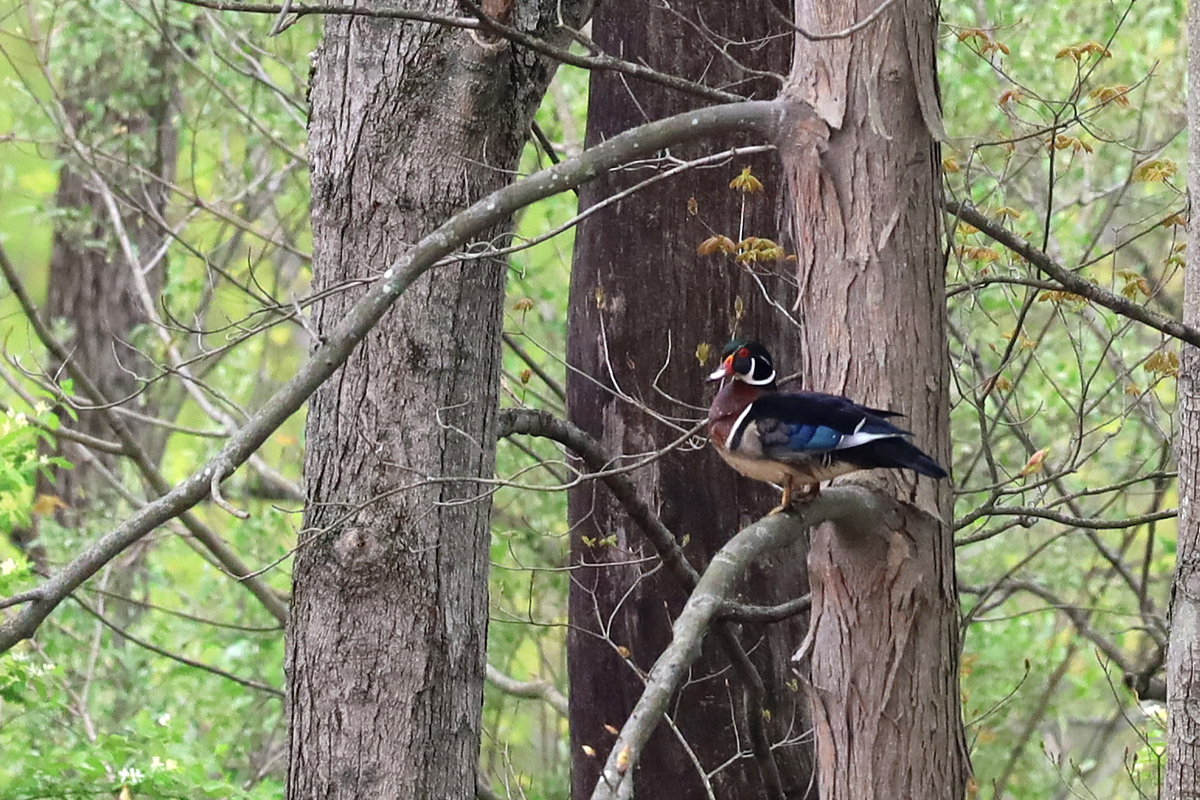
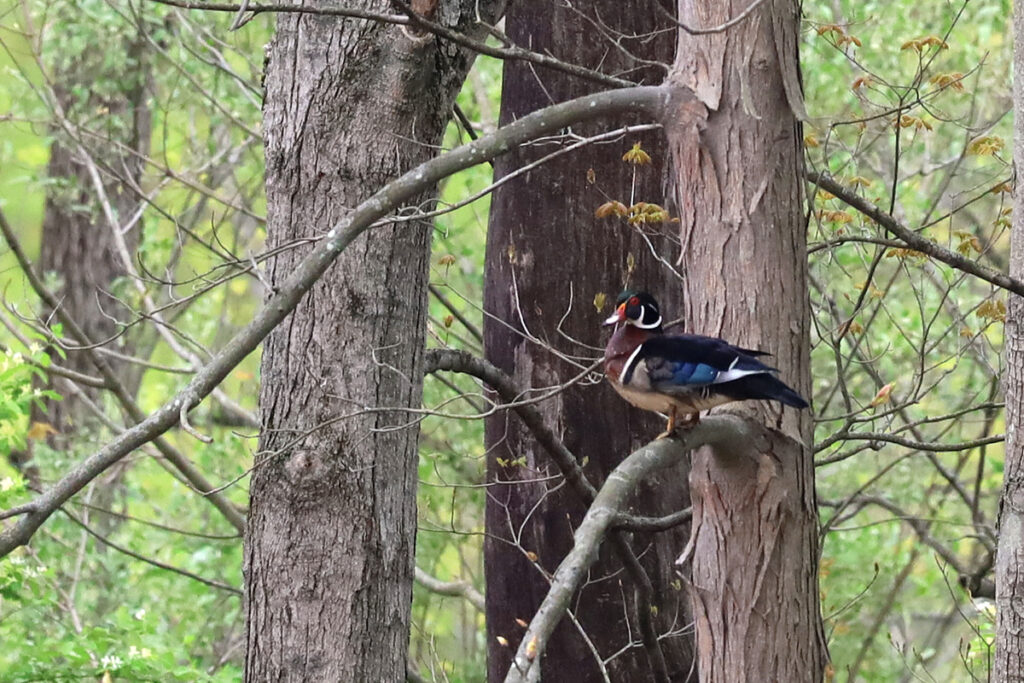
We startled two pairs of wood ducks as we came to the berm between the main pond and a little marsh. This male let me get some pics.
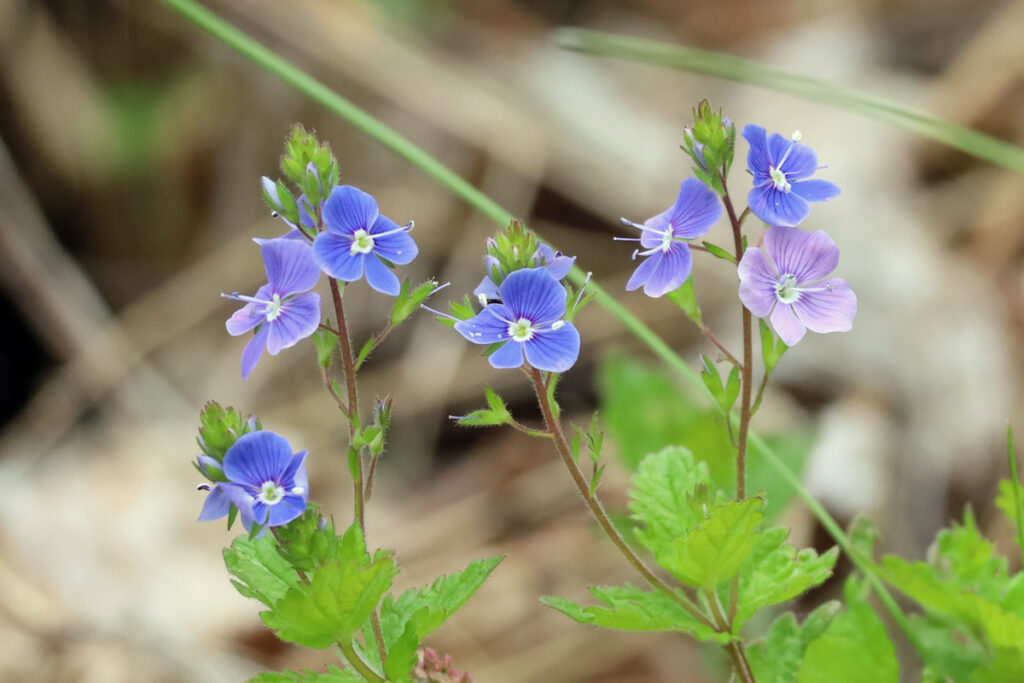
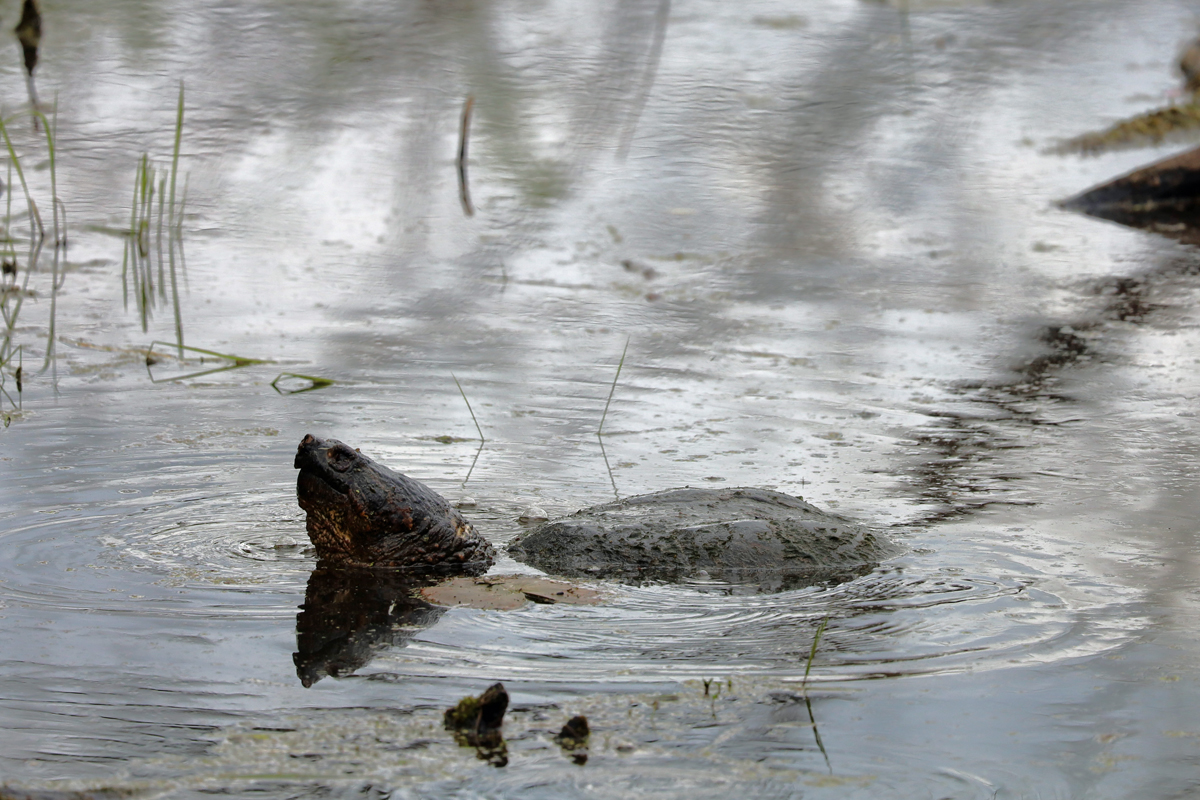
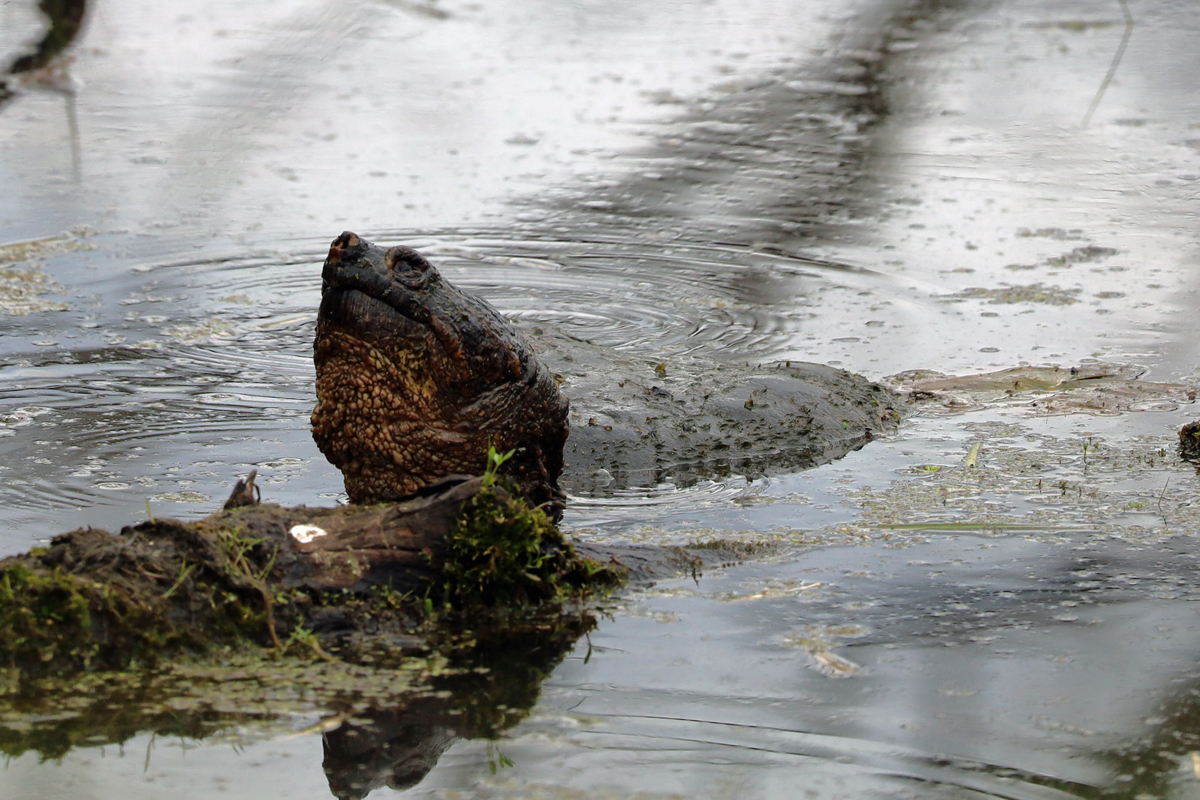
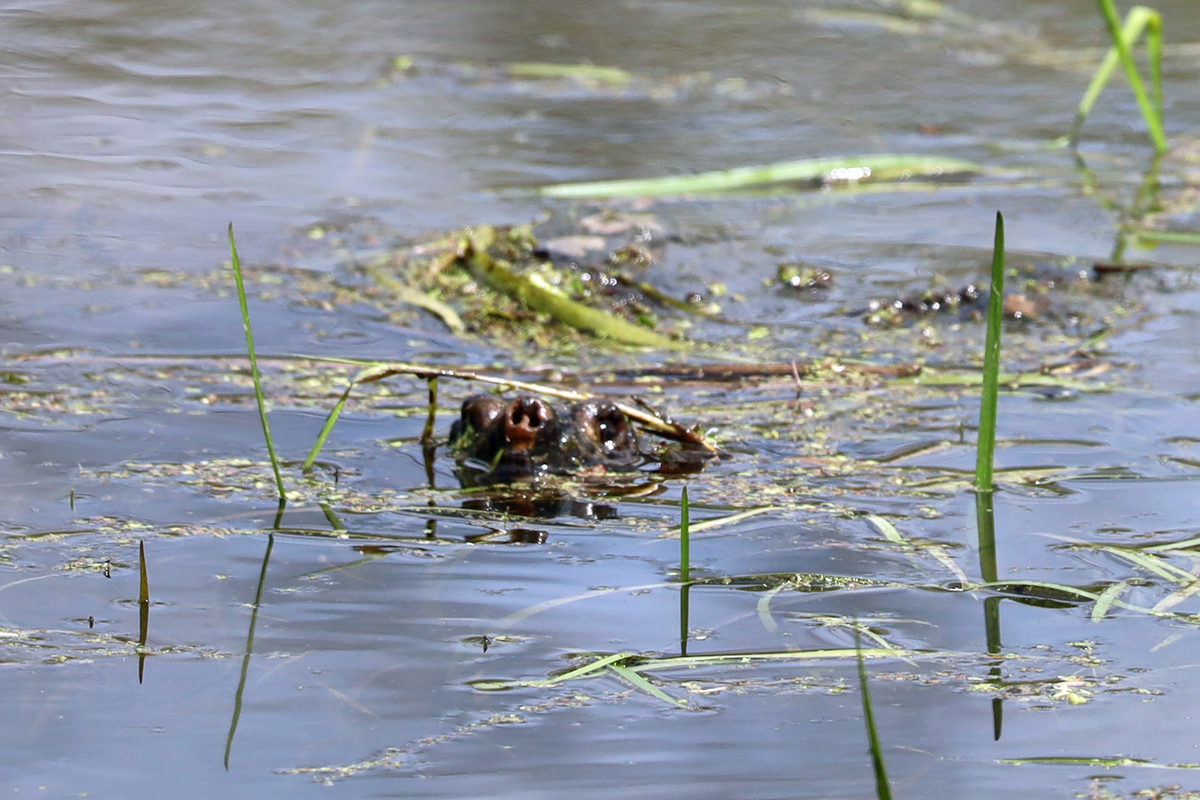
Bird’s-eye speedwell Things got interesting when we saw a large snapping turtle gliding stealthily our way.
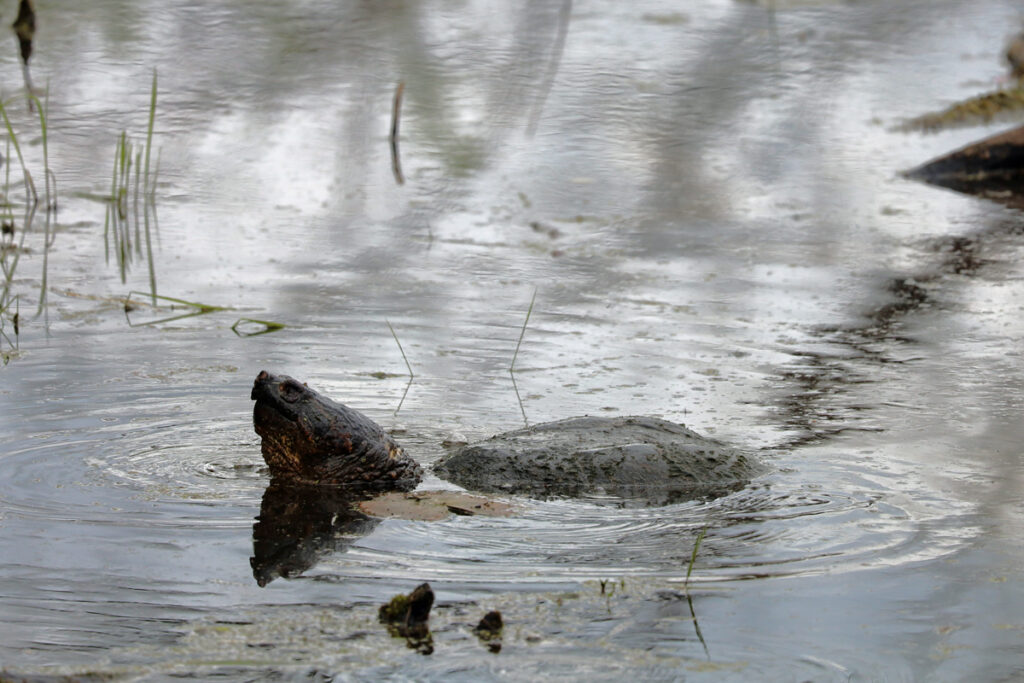
He wanted to swim through the drainage pipe under the berm, but he was watching us cautiously. Not till we walked a little way up the path and stood still behind some bushes did he make his move.
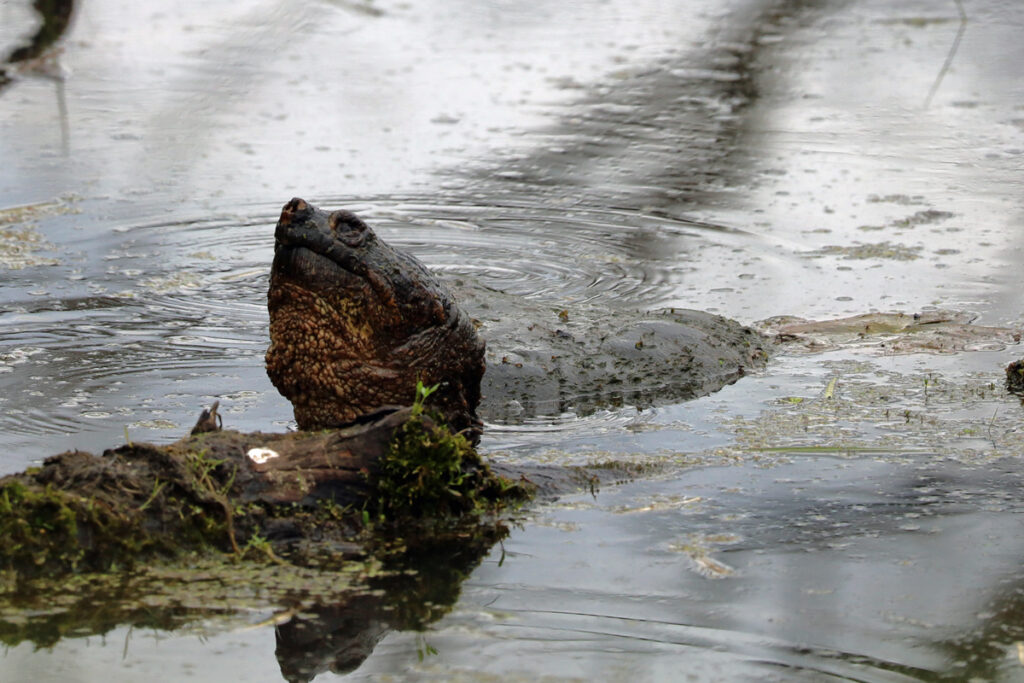
Resting his chin? Or trying to be inconspicuous behind the log? My daughter refers to this turtle as Godzilla, but as intimidating as it is, she moved to the walkway over the pipe to watch him swim through. We saw him come out the other side, fully submerged and moving a fair amount of water, as well as producing plenty of bubbles.
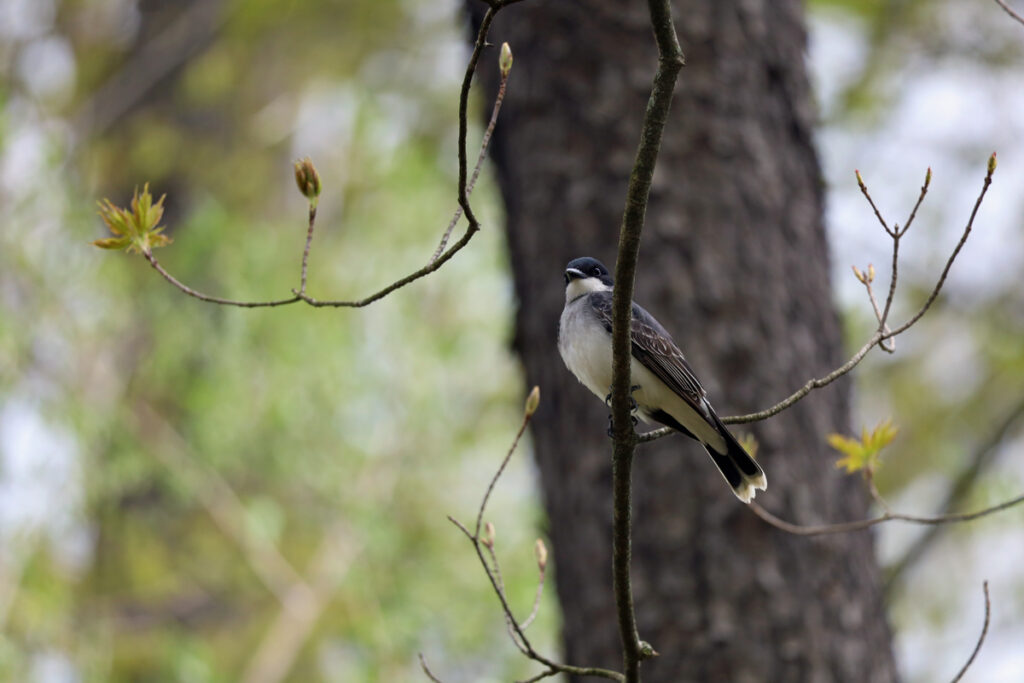
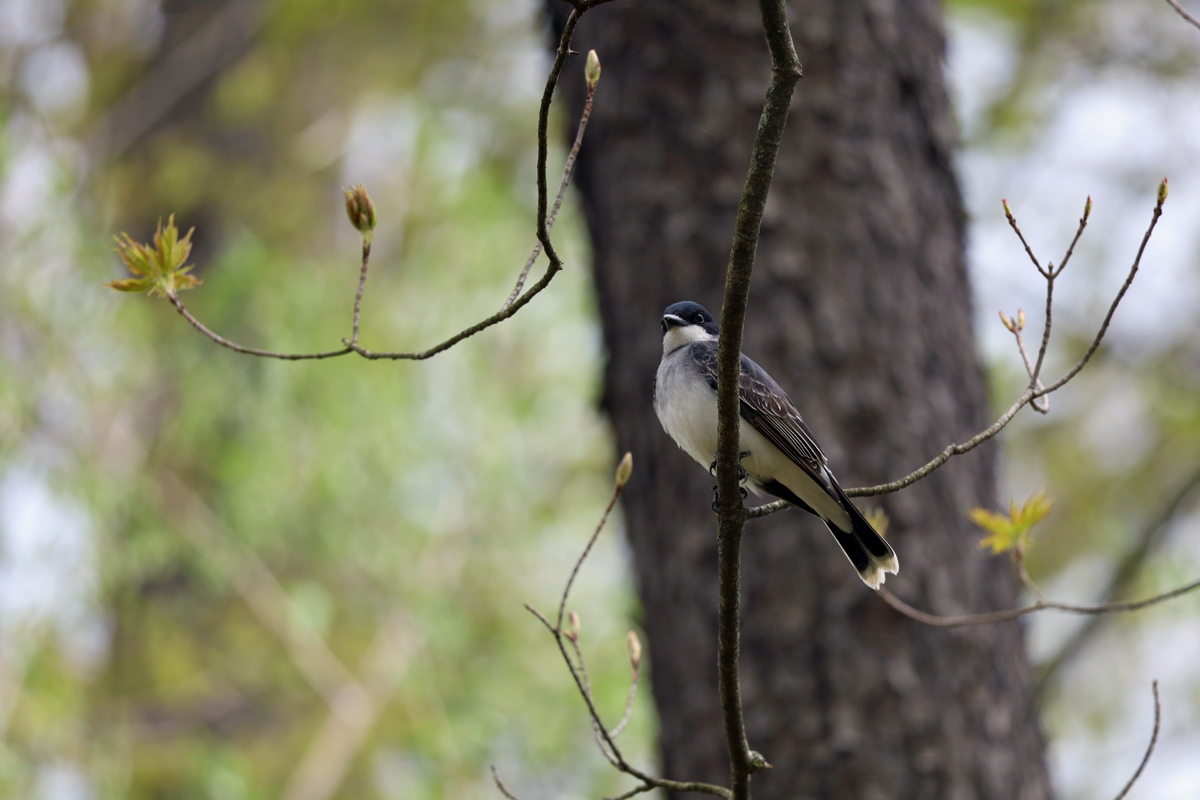
Eastern kingbird Once past him, we crossed a little wooded area and walked out on a second berm that spans the pond.
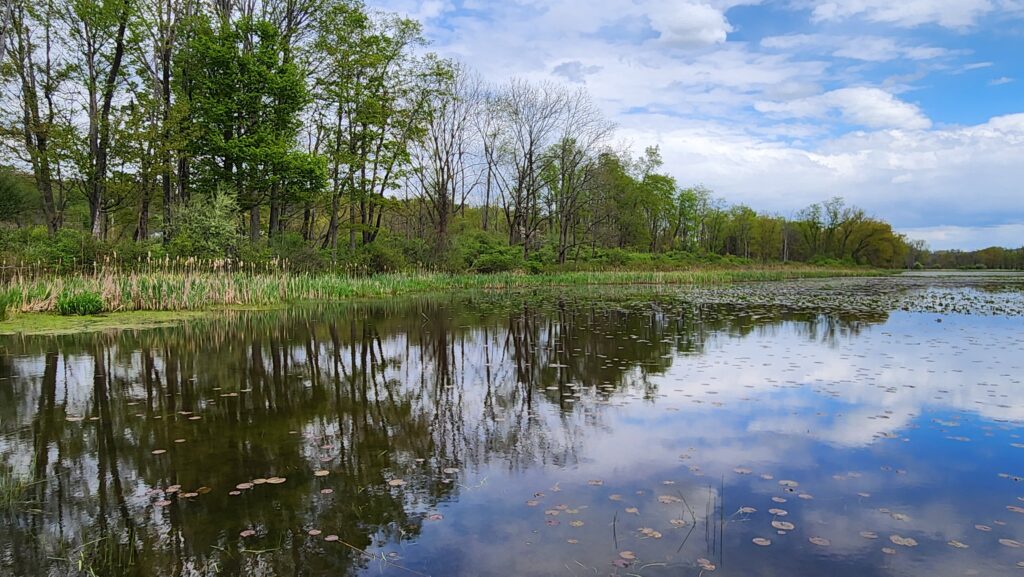
We saw a vole, an Eastern kingbird, yellow warblers, a Baltimore oriole, a kingfisher, a green heron, and some red-winged blackbirds. At that point, we turned back. Our friend the snapper was where we’d left it, lounging in the sunnier, marshier water.
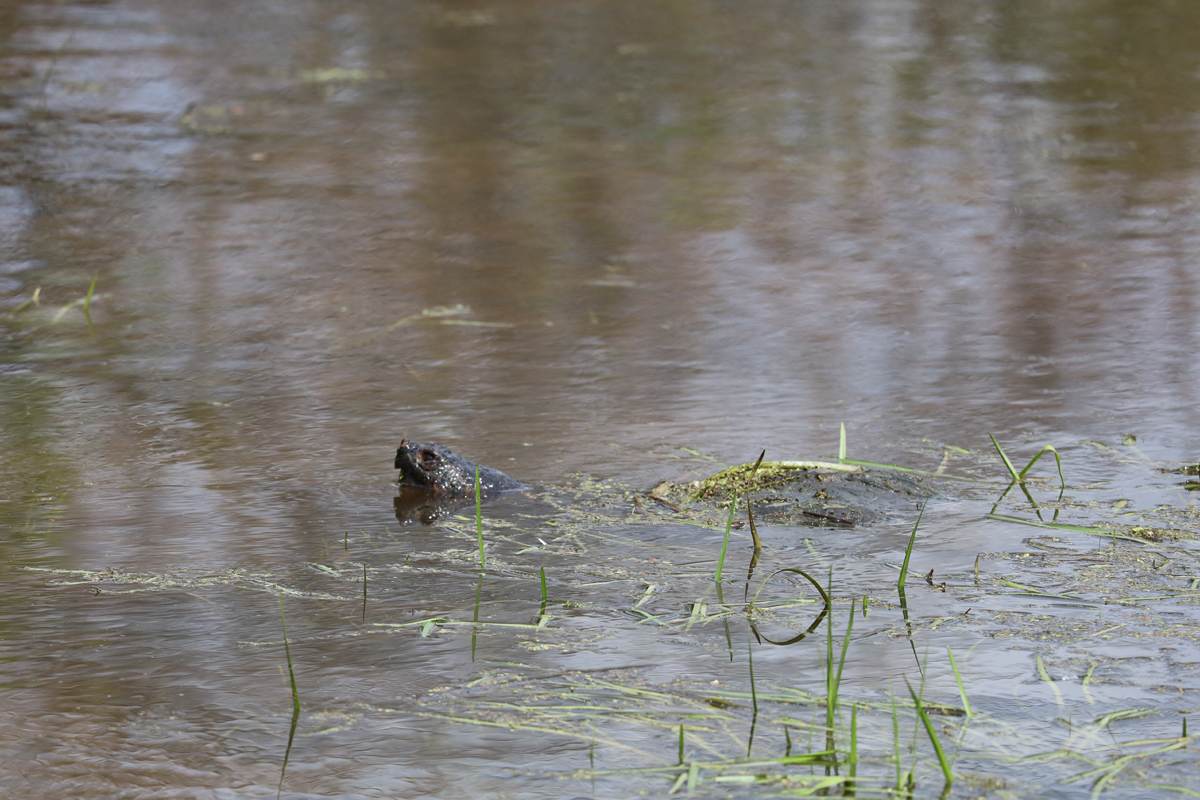
Still observant.
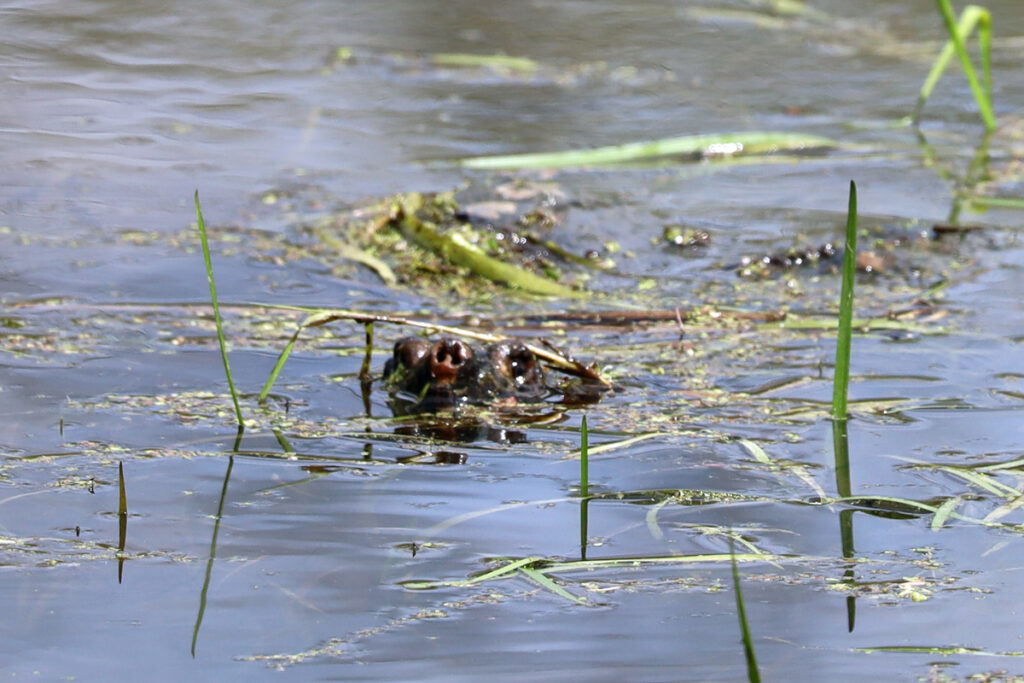
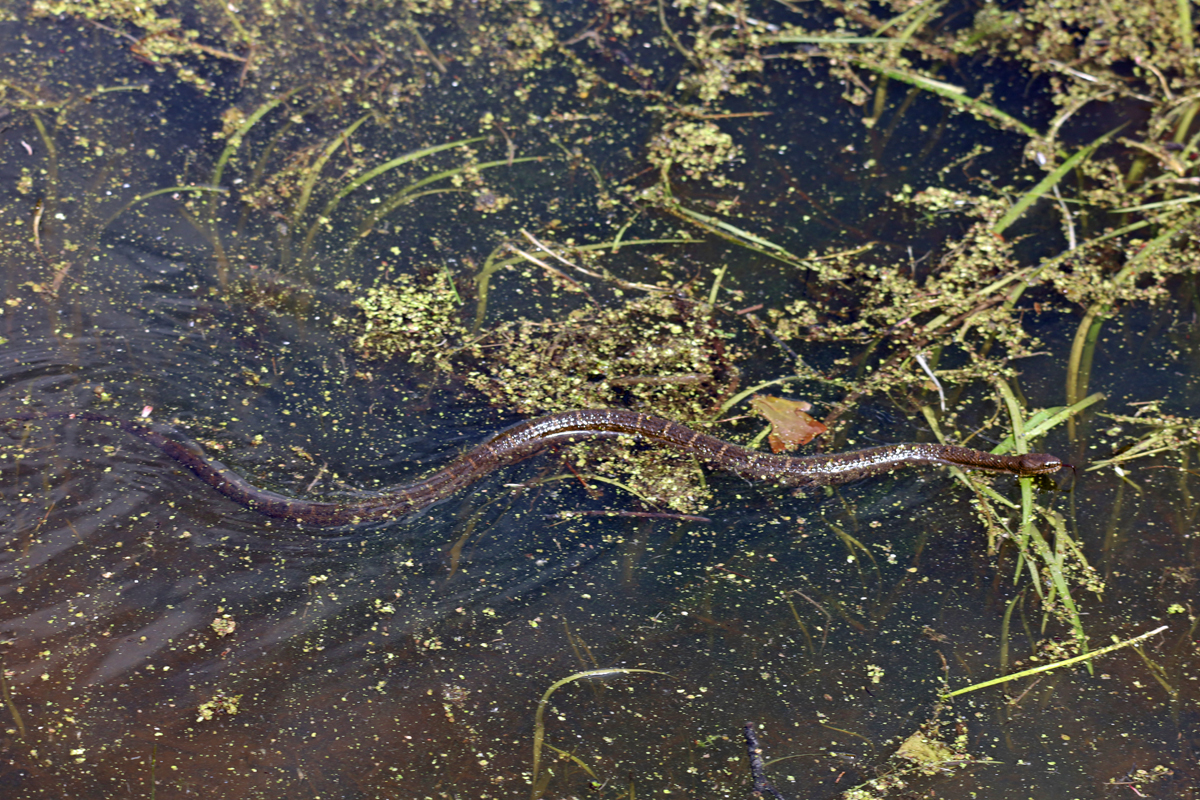
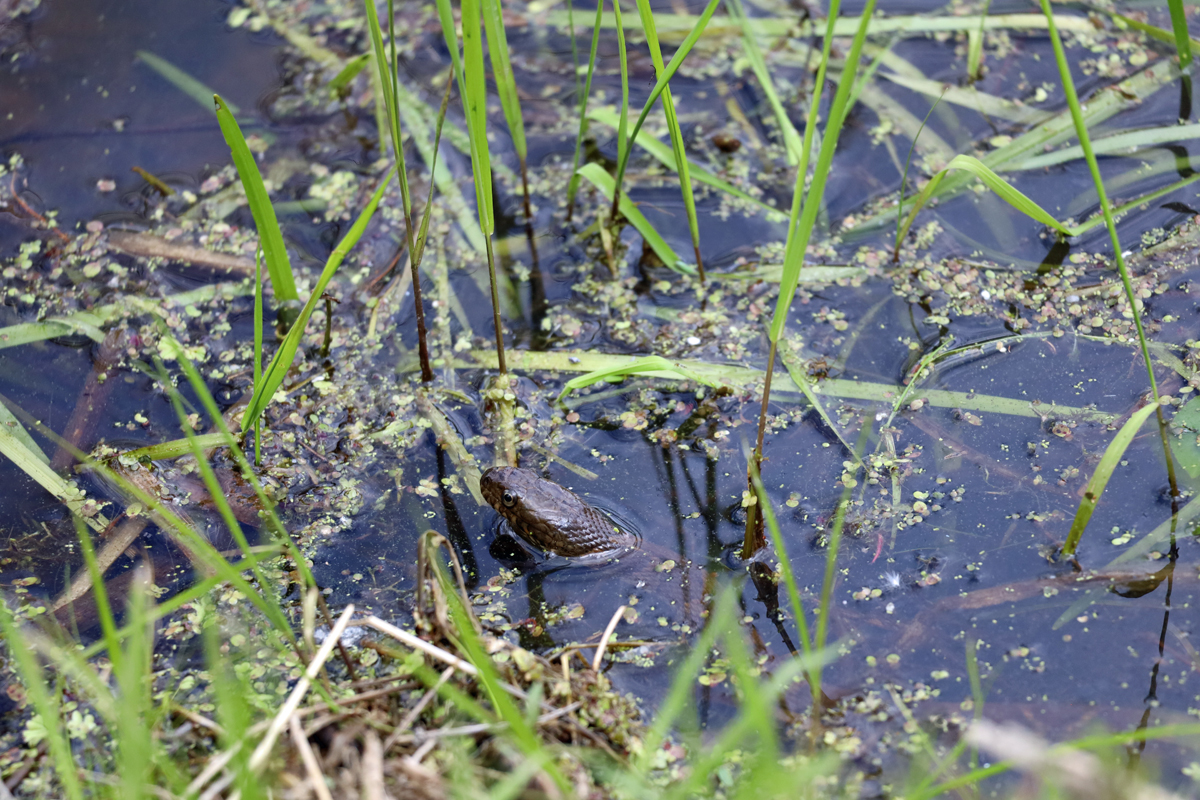
Some water snakes had appeared, racing around the edges of the water.
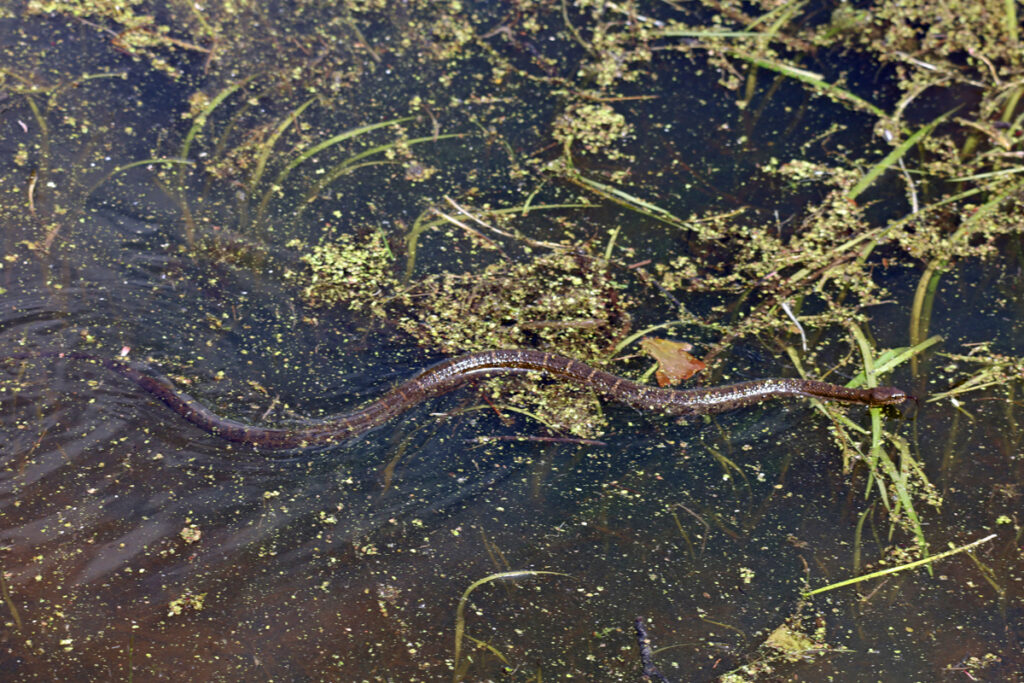
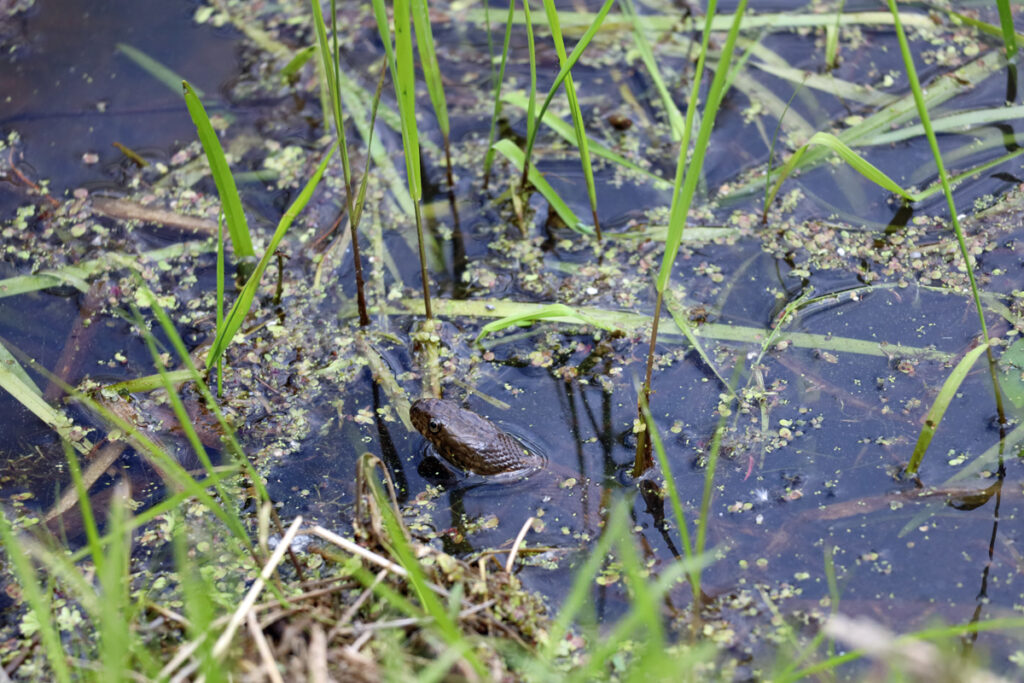
It was a lovely and interesting way to wile away more time than we intended. But it’s a renewing experience to be out there.
The more you look, the more you see.
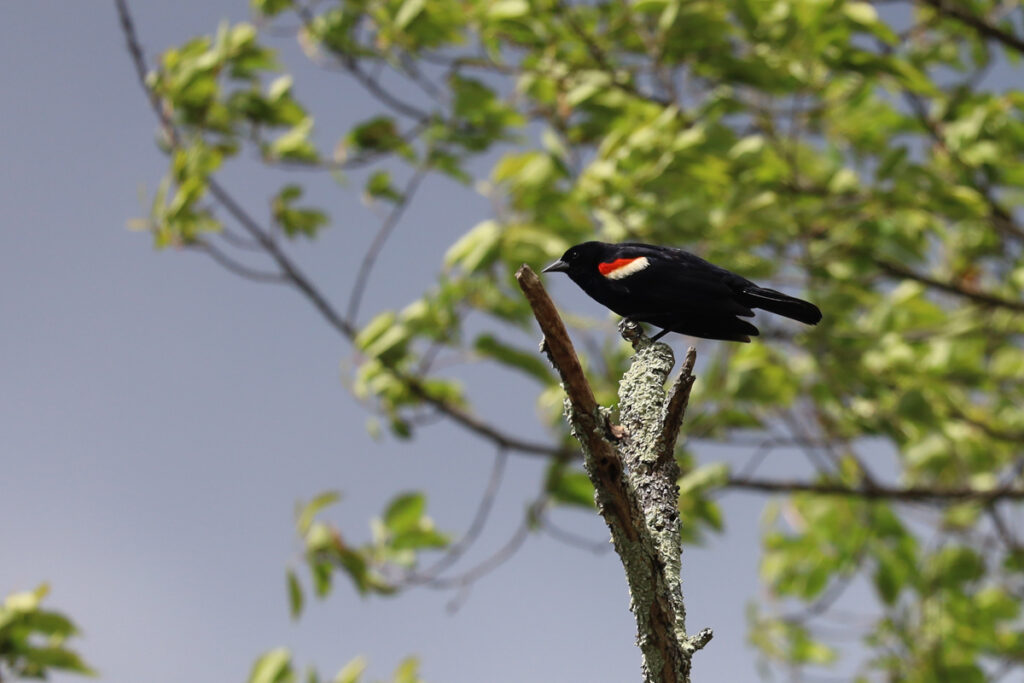
-
A Mystery
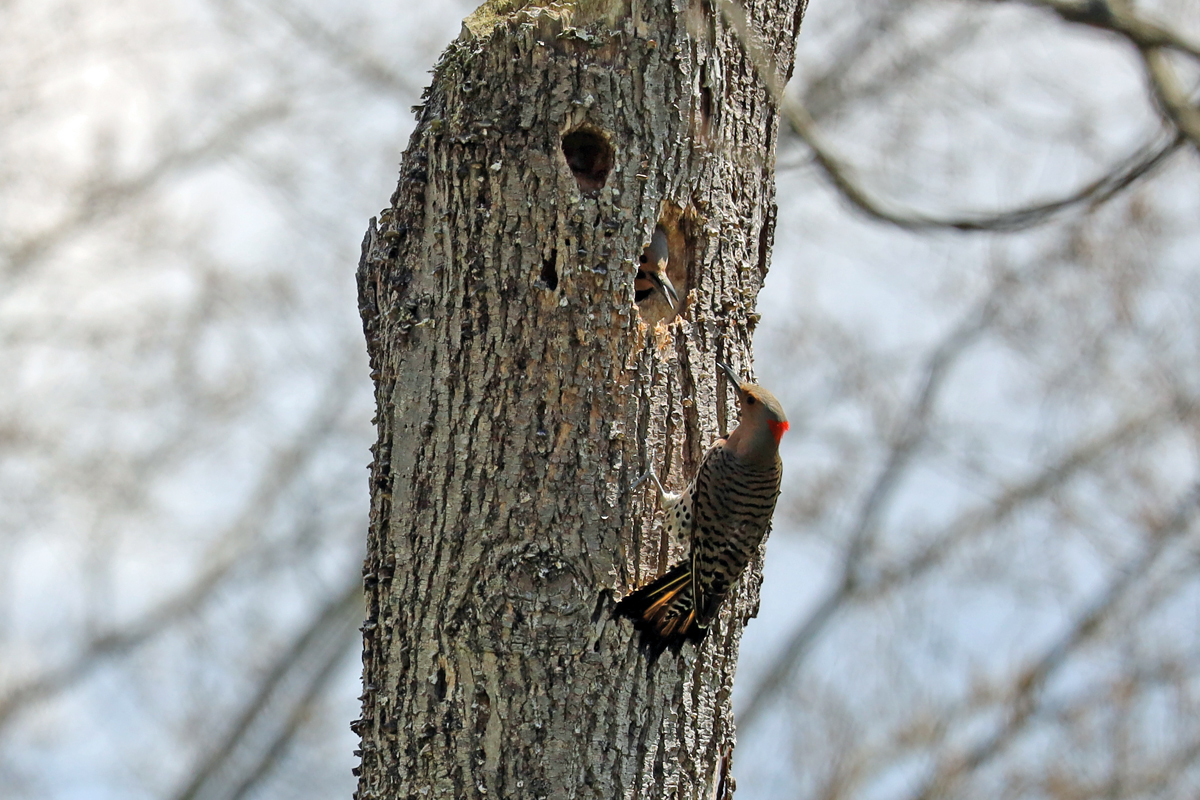
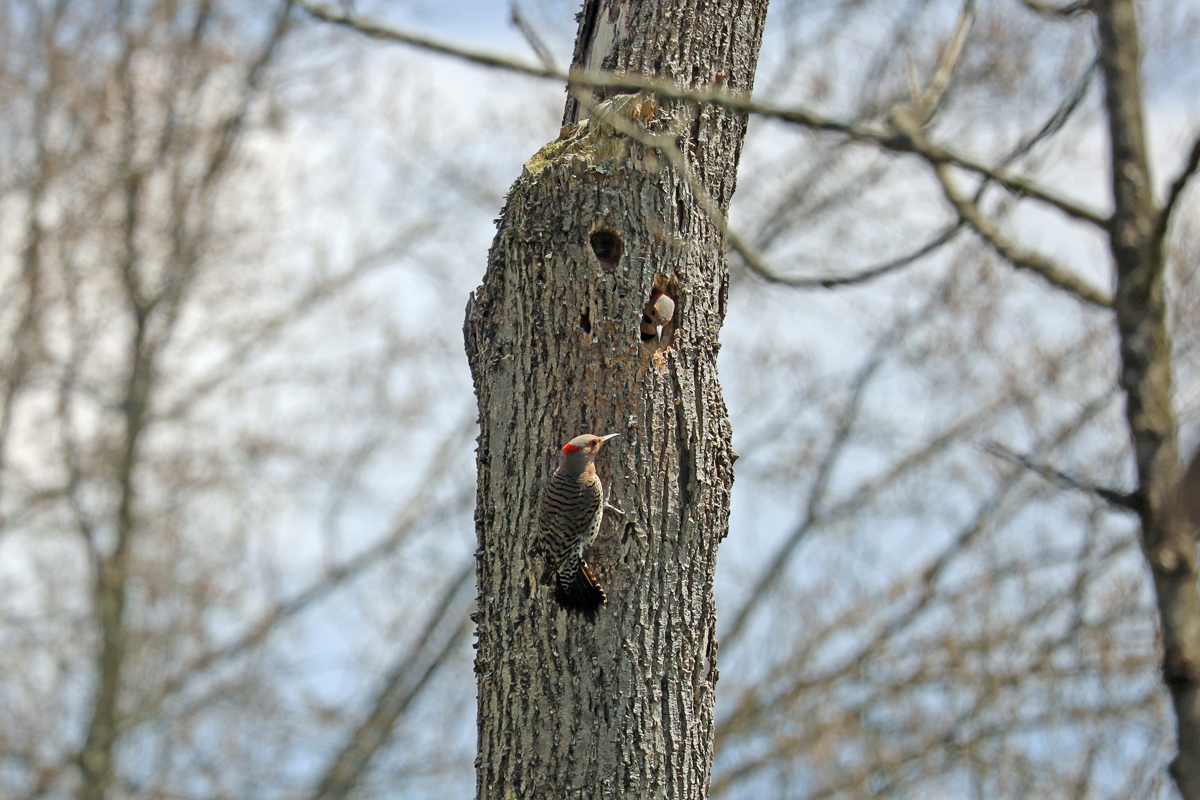
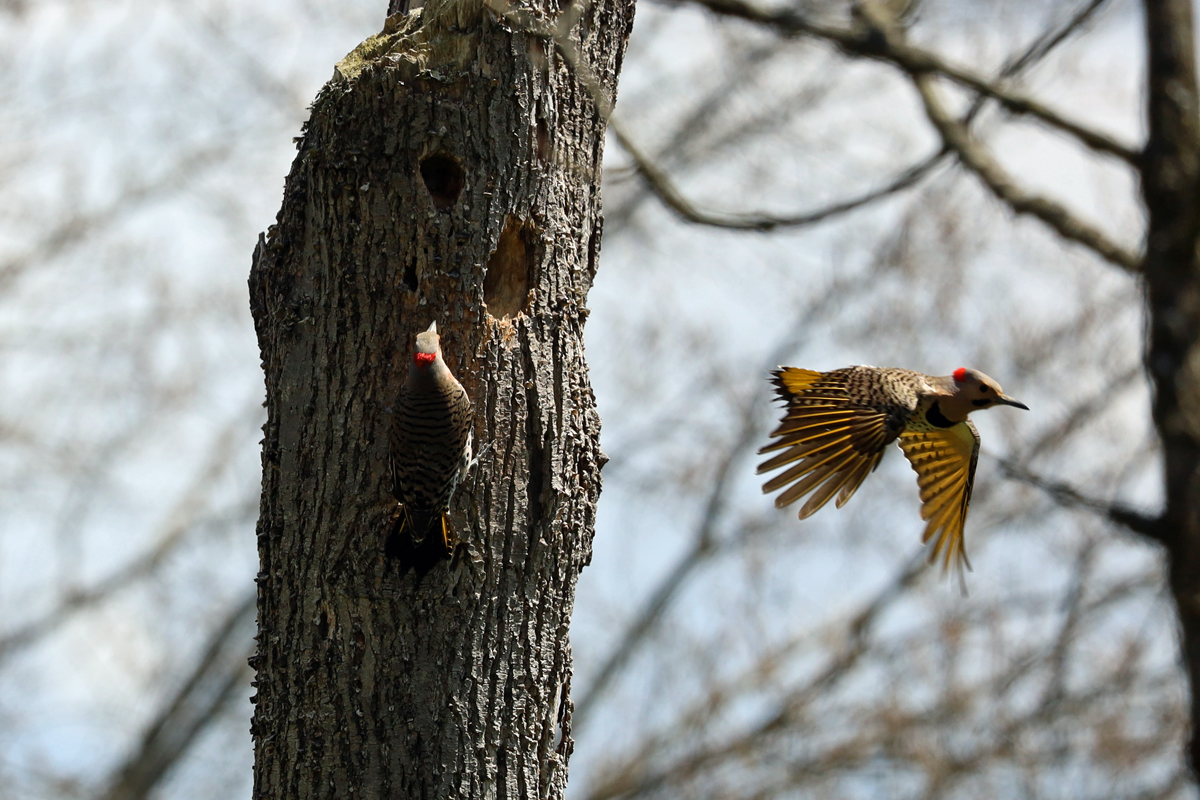
I’ll admit, I’m puzzled. The flickers that created a nest before my eyes about 3 weeks ago seem agitated today, and there are more of them — I’ve counted 4 adults.
Zooming in on the nest cavity, I saw this.
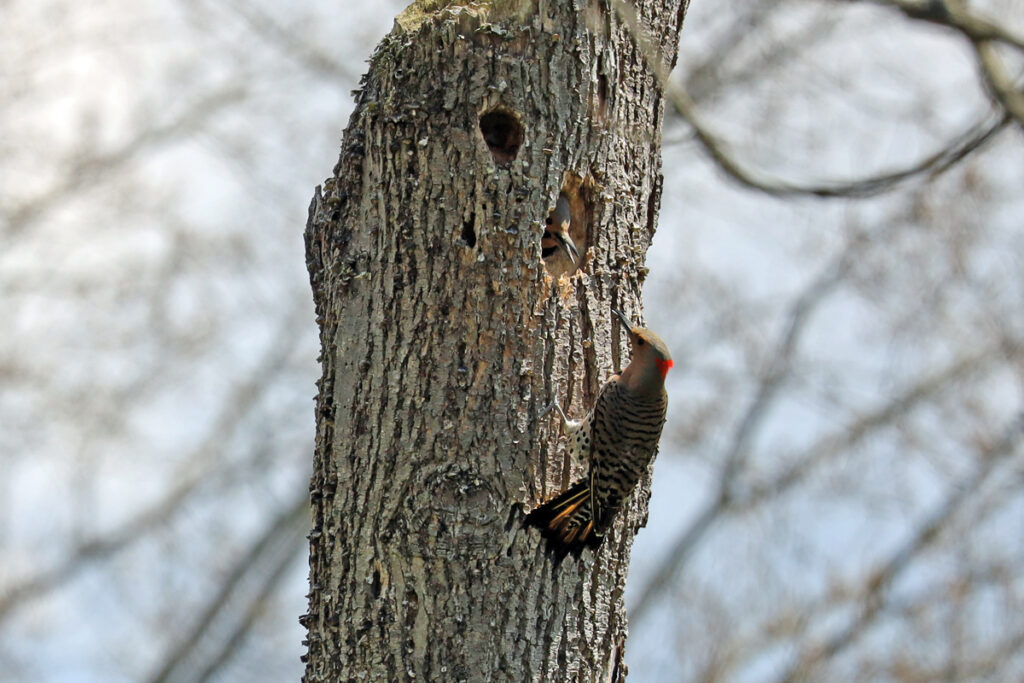
The face looking out suggests a young bird saying, “Feed me!” But the bird in the hole looks like an adult, and I I didn’t see any feeding take place.
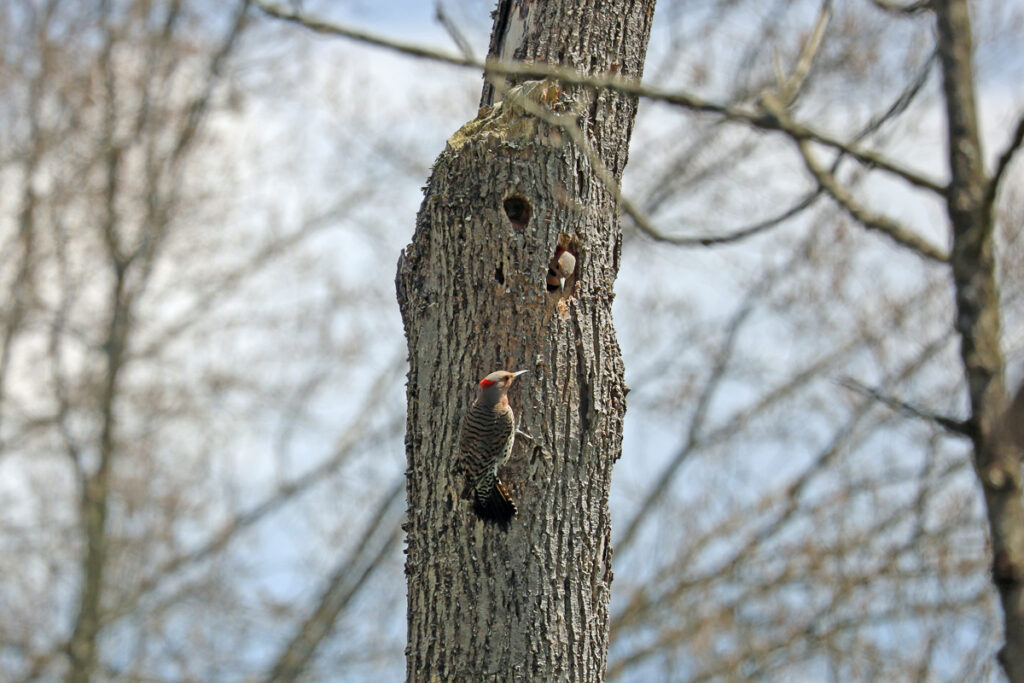
No one emerging from the hole looks like a fledgling, either. The one in flight in this picture is an adult male, based on his “mustache” — the black streaks under his eyes.
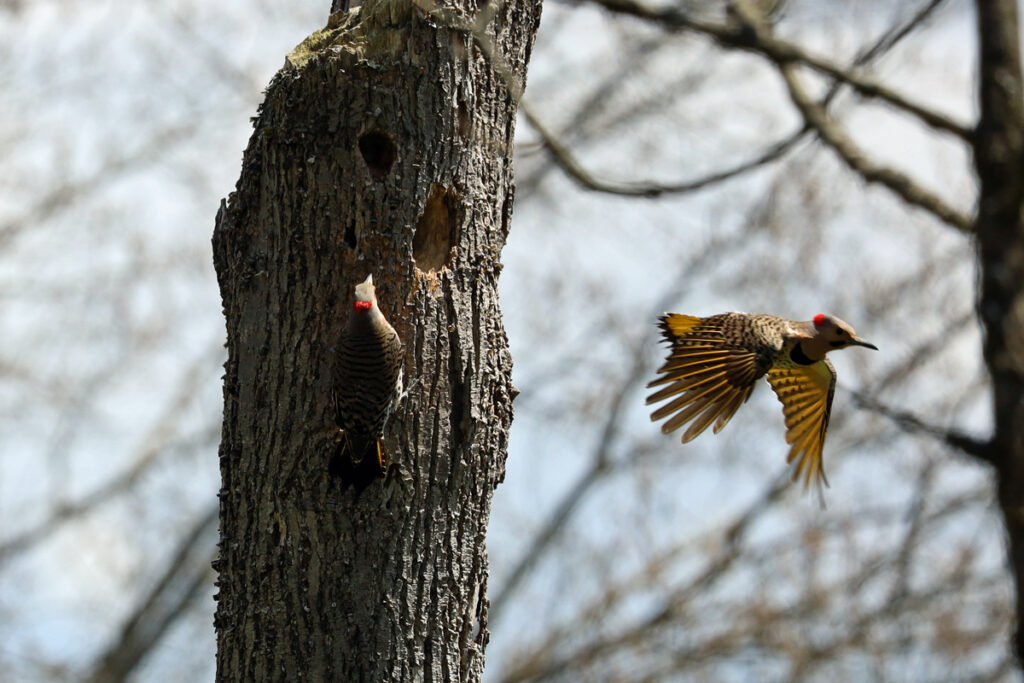
Between the Handbook of Nature Study and All About Birds, I learned that the incubation period for Northern flickers is 11-13 days, and the nestlings stay in the nest for another 3-4 weeks. There’s no way there are baby birds in there.
Fellow flickers wouldn’t be predators either. So, strange. Maybe the additional 2 flickers were passing through and investigating, and it panicked the local residents. Or maybe they’re last year’s hatchlings, back to the territory they know and figuring out where to settle. No sure answers. Hopefully the drama will pass and this year’s brood will succeed.
This post was written on May 8.
-
Grosbeak Season
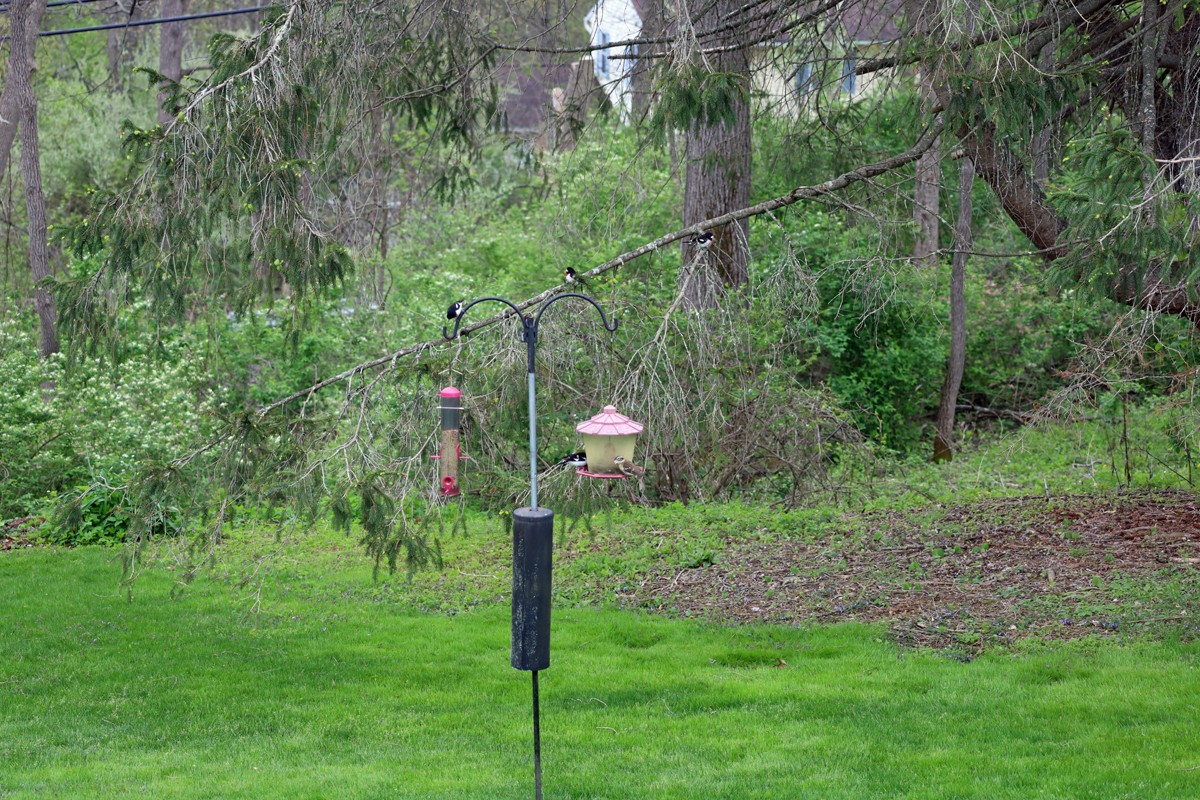
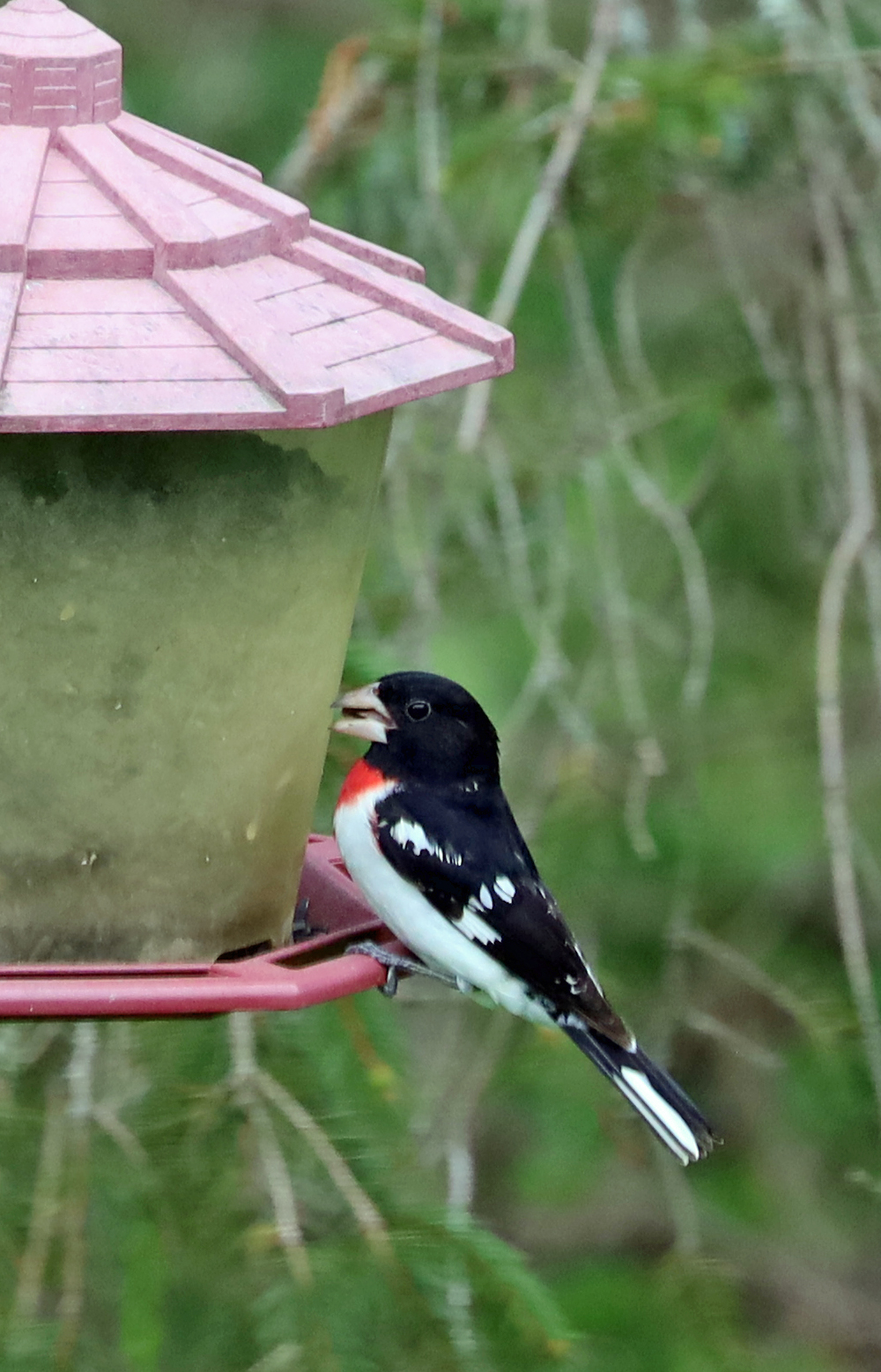
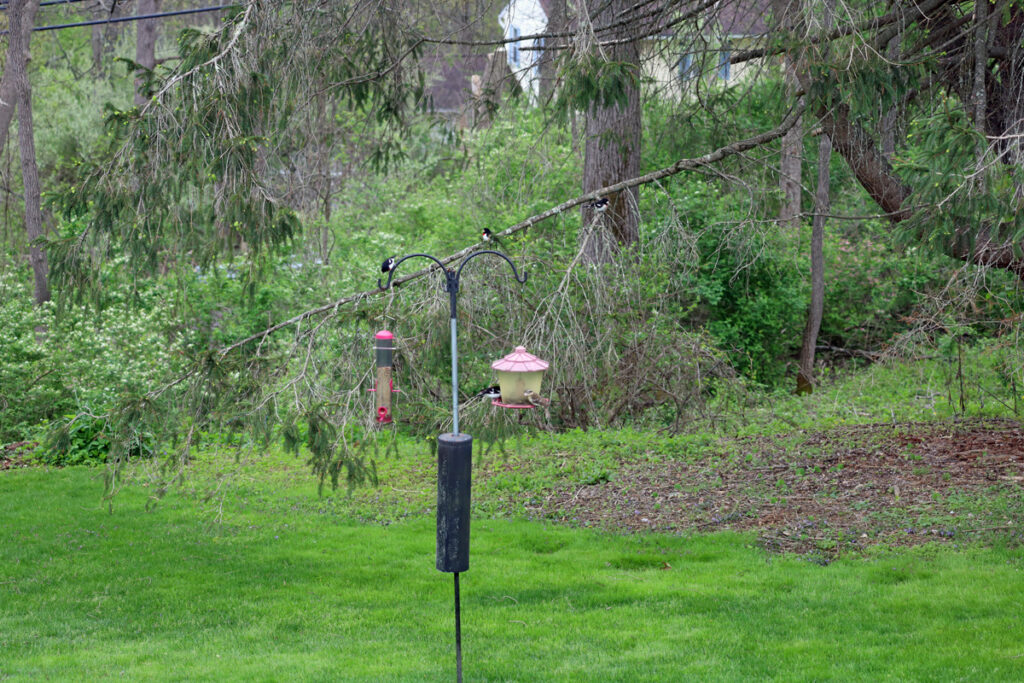
There are 4 male grosbeaks and one female in this photo. Hopefully more females will arrive!
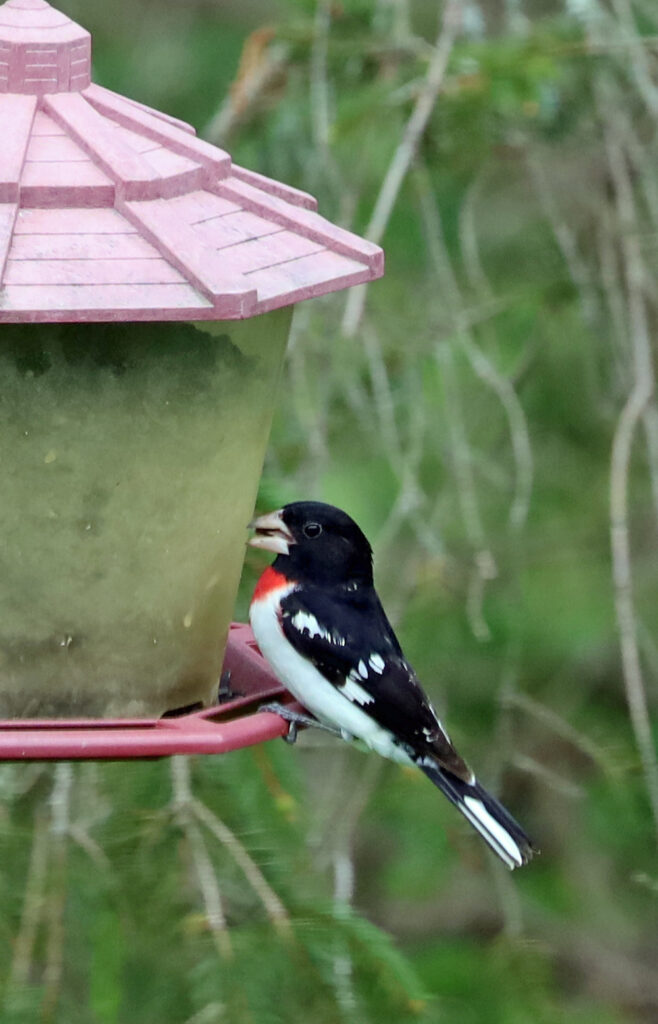
Our first customer arrived on May 5.
-
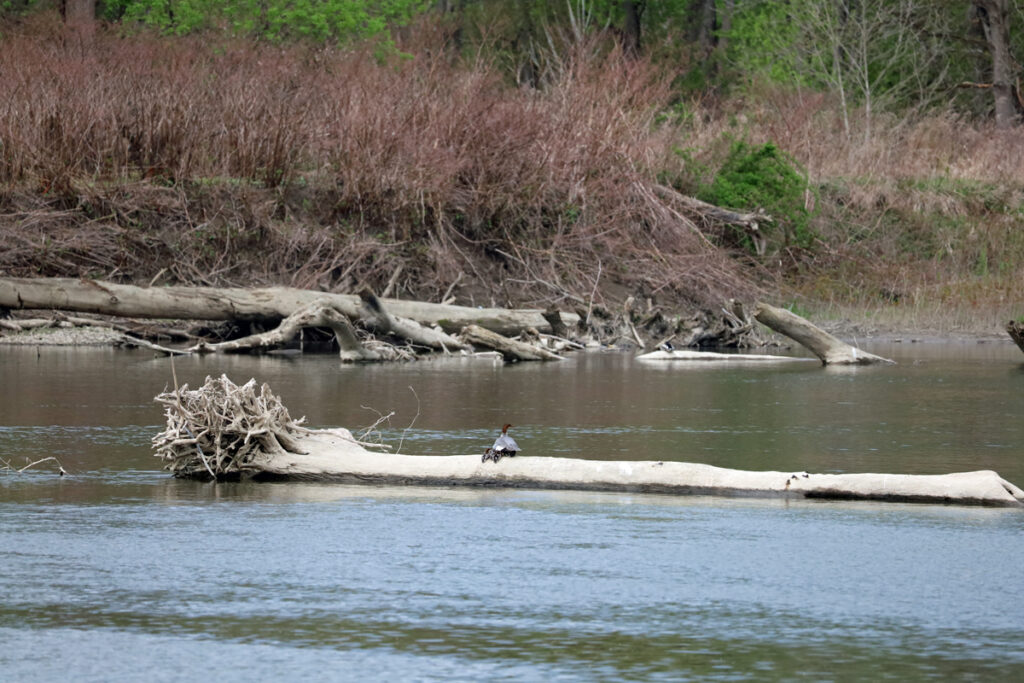
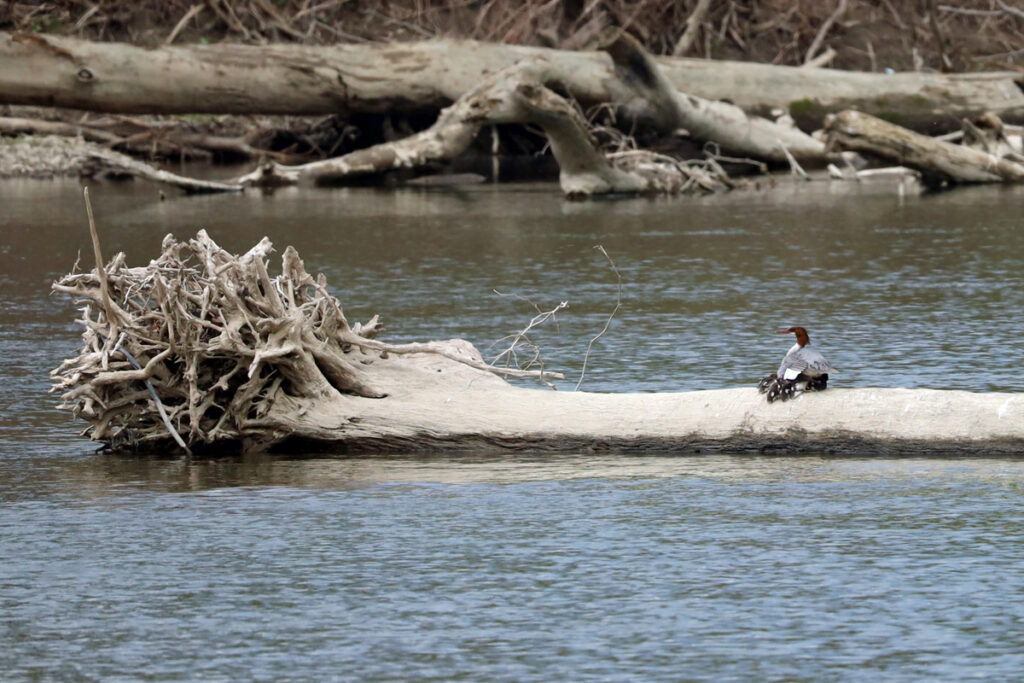
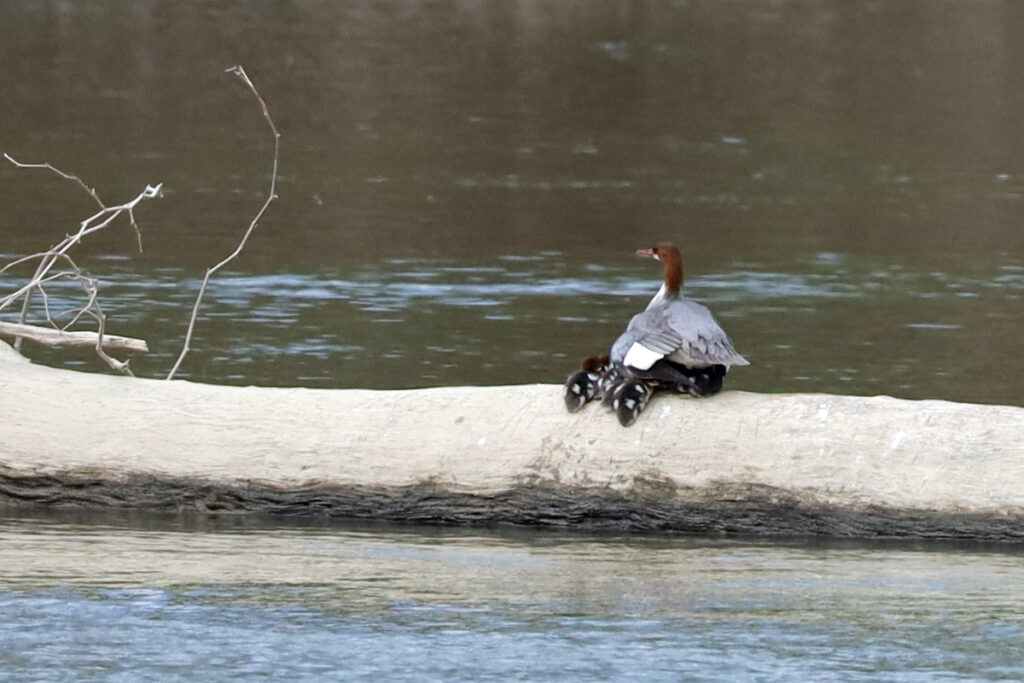
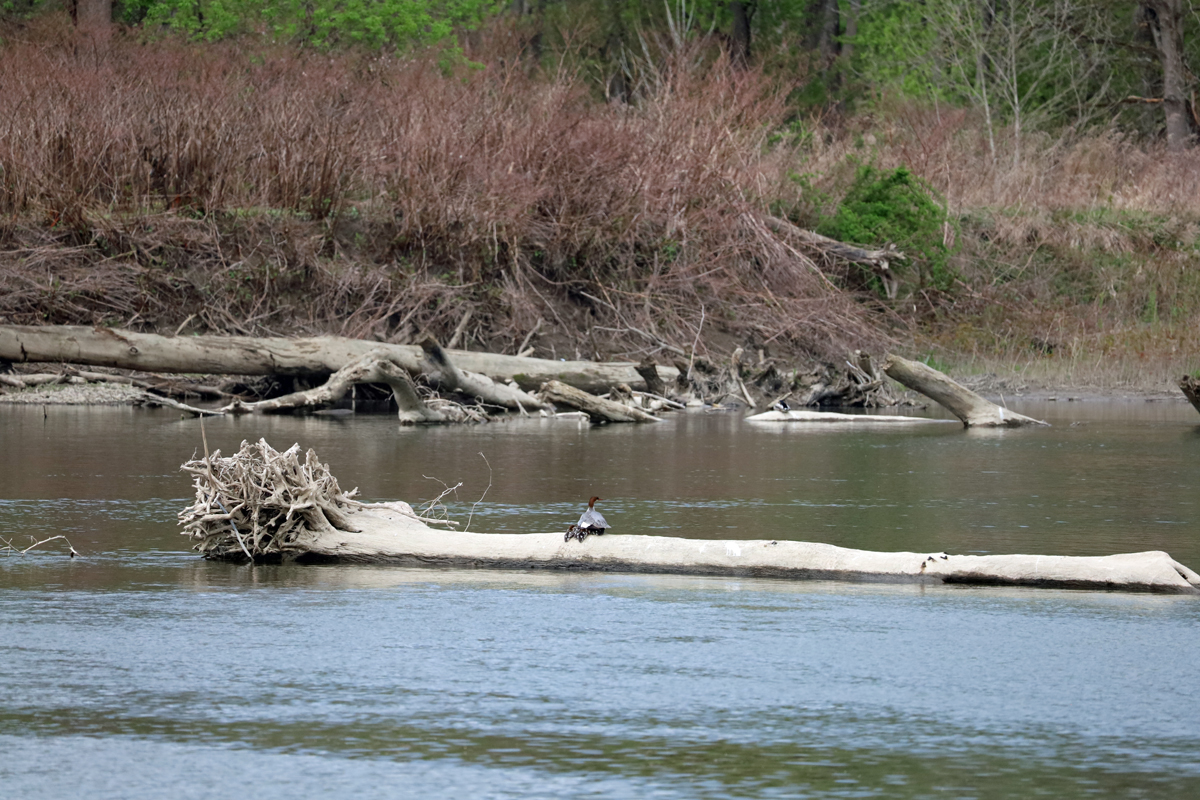
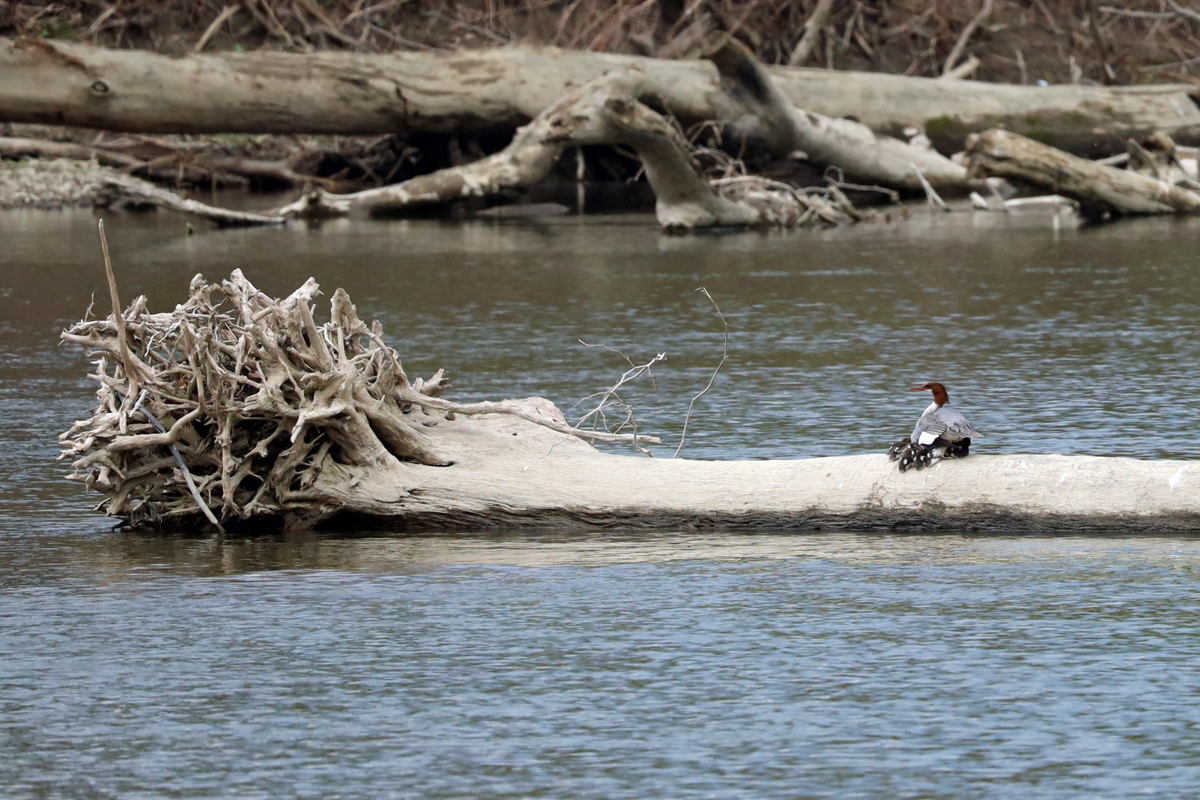
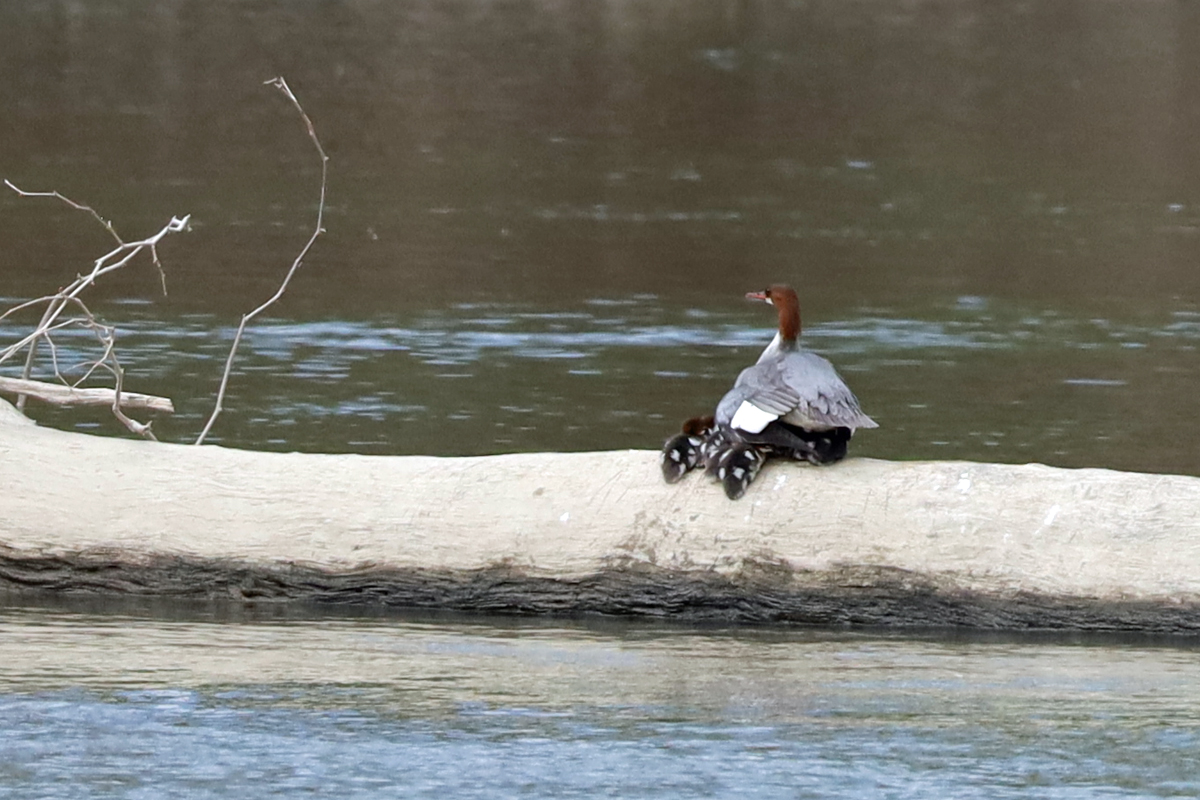
Merganser Family